
$10 million acquisition: Google won the bankruptcy auction for Spirit Airlines' internal business data.
Court approval: U.S. Bankruptcy Judge Sean Lane approved the transaction on November 17, 2026.
Massive dataset: The collection reportedly includes nearly 2 billion emails and 660 million Microsoft Teams items, according to Bloomberg Law.
AI training: Google intends to use the data for AI training and product development.
Privacy controversy: More than 120 U.S. lawmakers and employee unions raised concerns about sensitive worker information.
Stronger safeguards: Tonic.ai will handle de-identification, with independent verification and restrictions against re-identification.
Passenger protection: Personally identifiable information belonging to approximately 97 million customers is excluded.
A U.S. bankruptcy judge approved Google's $10 million acquisition of former Spirit Airlines internal business data on November 17, 2026, clearing the way for the technology giant to use the material for product development and artificial intelligence (AI) training.
The transaction follows months of objections from labour unions, privacy advocates and more than 120 U.S. lawmakers, who raised concerns about the potential exposure of sensitive information belonging to thousands of former airline employees.
The deal is also a striking example of how a bankrupt airline's digital infrastructure and corporate records can become valuable assets long after its aircraft have stopped flying.
Google emerged as the successful bidder in an August 2026 bankruptcy auction, agreeing to pay $10 million for a substantial collection of Spirit's internal corporate information.
The dataset covers several areas of the airline's former business, including:
Internal emails, calendars and spreadsheets.
Microsoft Teams messages and collaboration records.
Employee and training-related records, subject to privacy exclusions.
Airline operational and logistics information.
Marketing, productivity and commercial data.
Revenue management, pricing and business-process information.
There is an important difference between the initial estimates and later reporting about the dataset's size.
A letter from more than 120 U.S. lawmakers dated October 9 cited approximately 100 million emails and 500 million Microsoft Teams messages. Bloomberg Law subsequently reported a larger inventory of nearly 2 billion emails across 90,000 accounts and approximately 660 million Microsoft Teams items.
These figures reflect different reported inventories and should not be presented as one definitive count.
The proposed sale triggered significant opposition from employee representatives, particularly the Association of Flight Attendants-CWA (AFA), which argued that workers' private information could be exposed through the transfer of internal company records.
The union raised concerns about the possibility of sensitive information being reconstructed even after names, email addresses and other direct identifiers were removed.
On October 9, more than 120 members of the U.S. Congress, including Senator Maria Cantwell, urged Spirit and Google to halt the transfer of employee-related information until stronger privacy protections were established.
The lawmakers warned that conventional anonymisation techniques might not adequately protect workers against identification through sophisticated AI systems and cross-referencing of large datasets.
The concerns extended beyond flight attendants to pilots and other former Spirit employees whose communications and employment records were held in the airline's corporate systems.
Following negotiations with labour unions and other stakeholders, the proposed transaction was revised to introduce additional safeguards.
Under the revised agreement:
Sensitive employee information excluded: Medical and health records, disability-related information, drug and alcohol testing records, disciplinary and safety-program records, and identification documents are among the excluded categories.
Independent de-identification: Tonic.ai was appointed as an independent third-party specialist to remove or transform identifying information before the dataset is transferred.
Additional verification: An independent verification agent must review the statistical assessment of re-identification risks under the ISO/IEC 27559 standard.
Restrictions on Google: Google is prohibited from intentionally or knowingly attempting to re-identify individuals from the transferred data.
Passenger privacy: Personally identifiable information relating to Spirit's approximately 97 million customers is excluded from the transaction.
The revised protections persuaded the Association of Flight Attendants-CWA to withdraw its objections, subject to the final sale order preserving the agreed safeguards.
On November 17, 2026, U.S. Bankruptcy Judge Sean Lane approved the $10 million transaction during a hearing in the Southern District of New York.
The approval followed Google's agreement to strengthen privacy protections after objections from unions and lawmakers.
The decision clears the way for Google to acquire the de-identified business dataset, subject to the conditions established in the revised sale agreement and court order.
Google has indicated that the information will be used for product development and AI training. However, it has not publicly identified the specific AI products or models that will incorporate the material.
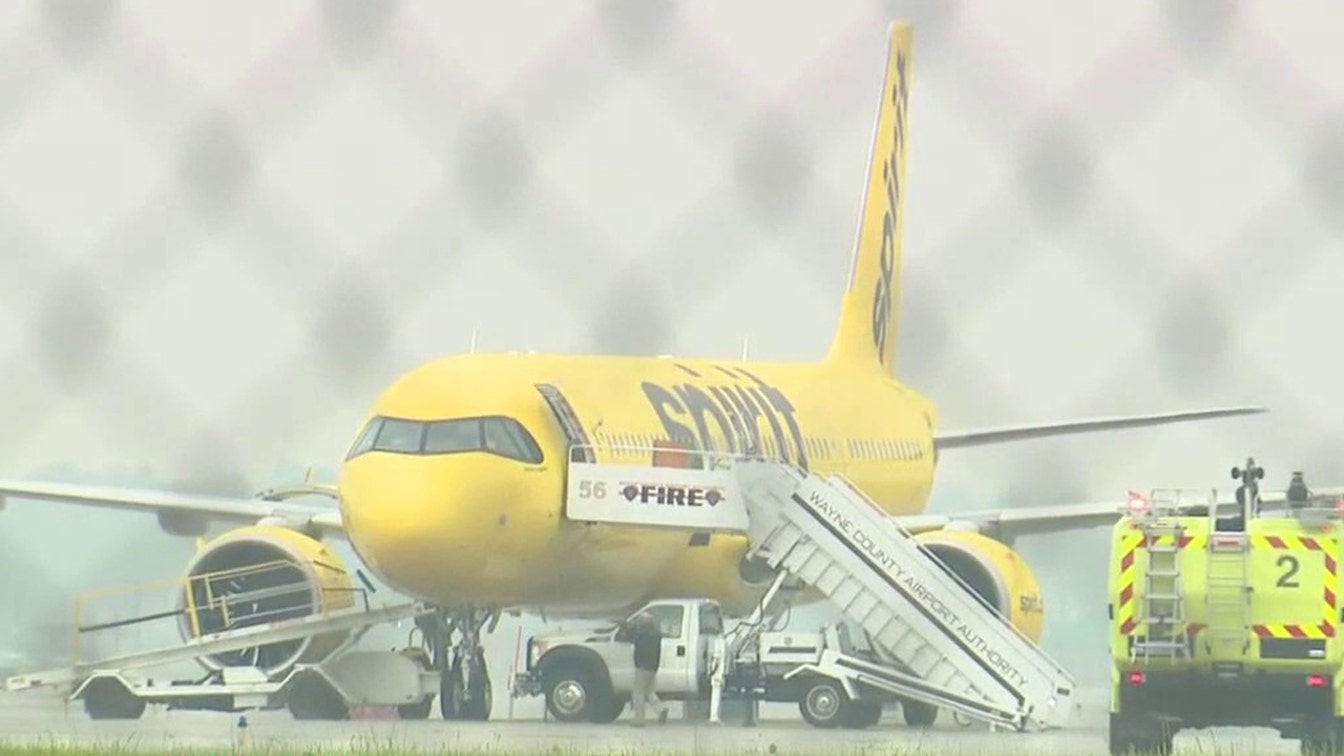
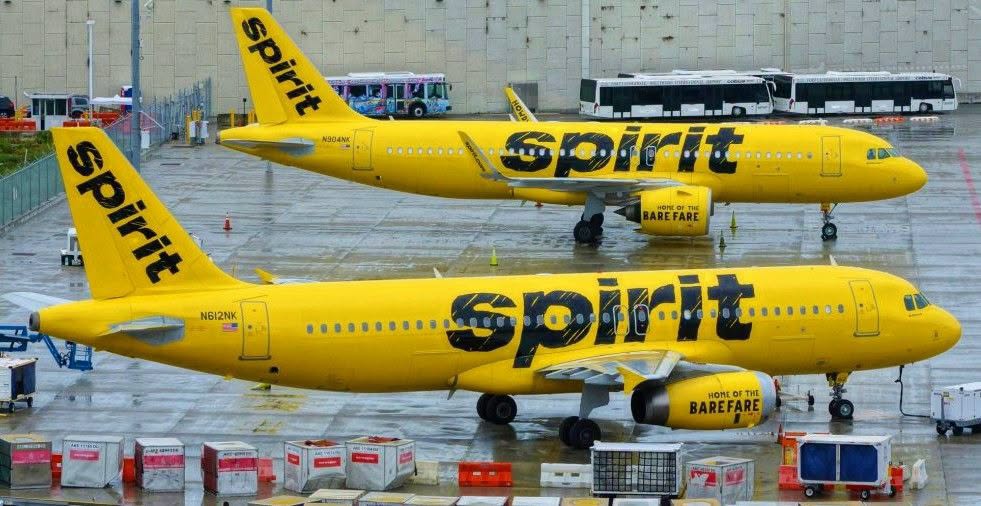
The data transaction comes just months after Spirit Airlines brought its 34-year operating history to an abrupt end.
On May 2, 2026, Spirit announced an immediate shutdown of its operations after failing to secure additional funding amid mounting financial difficulties and a sharp increase in fuel prices.
All flights were cancelled, leaving passengers stranded and approximately 17,000 jobs at risk.
The airline had already undergone two bankruptcy restructurings, filing for Chapter 11 protection in November 2024 and again in August 2025. Its financial difficulties were compounded by accumulated losses, rising operating costs and an increasingly challenging competitive environment.
Its shutdown marked the end of one of the most recognisable ultra-low-cost airline brands in the United States.
The Google-Spirit transaction highlights an emerging trend in the artificial intelligence industry: the growing commercial value of proprietary corporate datasets.
As AI developers seek more specialised information beyond publicly available internet content, internal business records can provide valuable examples of how organisations operate, communicate, manage workflows and make decisions.
For an airline, this can include complex operational processes, disruption management, crew coordination, commercial pricing and customer-service workflows.
Such information could potentially help develop AI systems capable of handling sophisticated business tasks and professional workflows.
However, the transaction also raises an important question about employee privacy: Who should control the commercial value of information generated by workers during their employment, particularly when the company holding that information ceases to exist?
The court-approved deal establishes a significant precedent for the handling of corporate data in bankruptcy proceedings during the AI era.
Spirit's aircraft may no longer be flying, but its digital legacy is now becoming part of Google's artificial intelligence ambitions.
U.S. Senate – More than 120 lawmakers raise worker privacy concerns.
Bankruptcy court filing – AFA withdrawal of objections and privacy safeguards.