
A casual remark about carrying a bomb aboard an aircraft can trigger an emergency security response, aircraft diversion, arrest and federal prosecution. In the United States, claiming that it was only a joke does not automatically protect a passenger from serious legal consequences.
Air travel is one of the most security-sensitive environments in the world. A statement about carrying an explosive device, even when intended as a prank, is treated seriously because airline crews and authorities cannot afford to assume that a potential threat is harmless.
In the United States, authorities have established federal laws specifically addressing false information and threats involving aircraft. Passengers making such statements can face criminal prosecution, substantial financial penalties and imprisonment.
Imagine a passenger telling a flight attendant, another passenger or airport security officer: "I have a bomb in my bag."
Even if the passenger immediately claims it was a joke, the statement could trigger a major security response.
Depending on the circumstances, the airline and authorities may:
Alert the flight crew and airport law enforcement.
Divert the aircraft to an alternative airport.
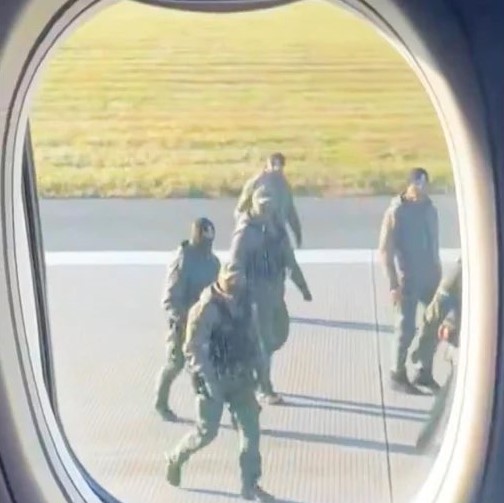
Arrange an emergency landing and evacuation.
Conduct searches of passengers, baggage and the aircraft.
Temporarily restrict airport or runway operations.
Arrest and question the individual responsible.
The aircraft may have to remain grounded until security authorities complete their assessment and confirm that it is safe to resume operations.
The financial consequences can extend well beyond the individual flight, affecting passengers, airlines, airport operations and connecting services.
Several federal statutes address false bomb threats and dangerous statements involving aircraft.
18 U.S.C. §35 – False information and threats
This legislation addresses false information concerning attempts to damage or destroy aircraft, vessels and other transportation infrastructure.
Covered violations can attract civil penalties of up to $1,000, while criminal violations can carry imprisonment of up to five years.
49 U.S.C. §46507 – False information and threats involving aircraft
This provision addresses false information and threats involving aircraft and aviation safety. Qualifying violations can carry imprisonment of up to five years.
49 U.S.C. §46302 – Civil penalties
This legislation provides for civil penalties for specified aviation-related violations, including certain false information offences. The applicable penalty depends on the nature of the violation and the statutory requirements.
Importantly, these penalties are not automatically imposed together. Prosecutors must establish the elements of the relevant offence, and the circumstances determine which legal provisions apply.
The consequences are not merely theoretical. Several real incidents demonstrate how statements about explosives can result in federal prosecution and substantial financial liability.
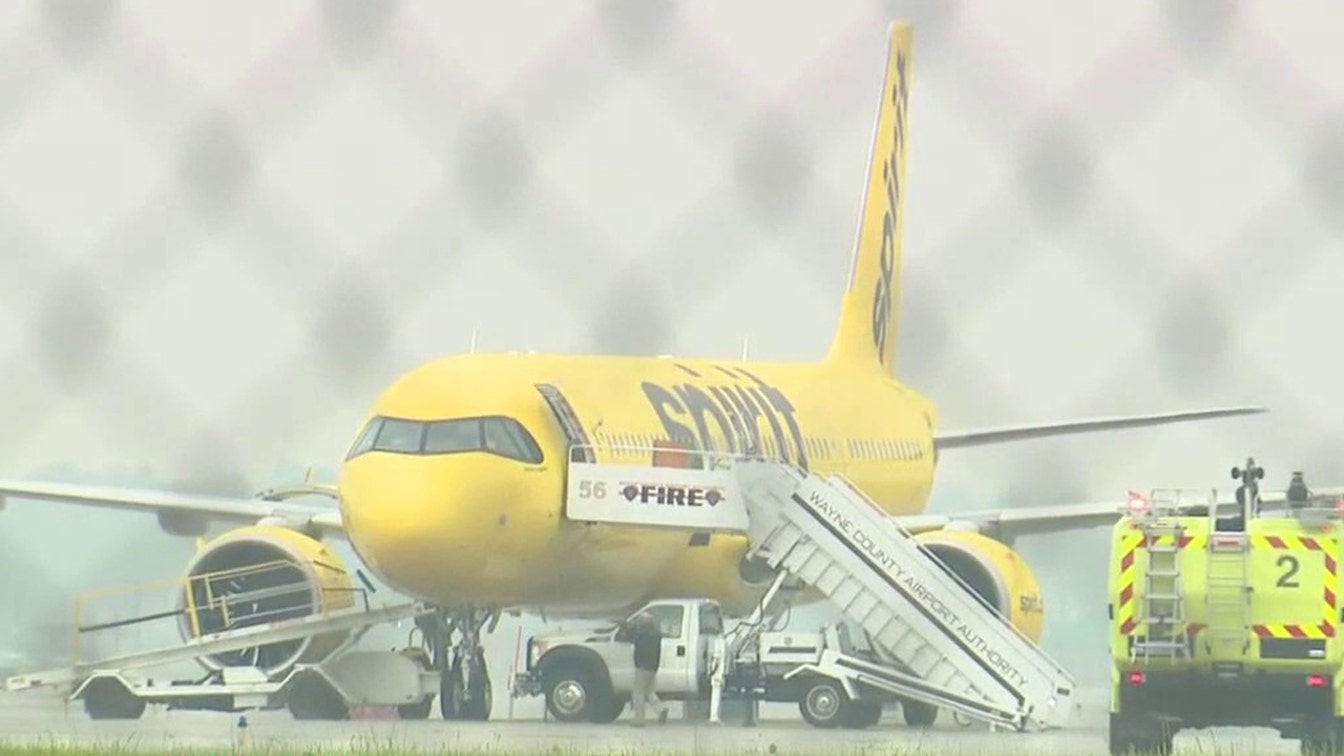
In July 2025, a passenger aboard a flight travelling from Florida to Virginia announced that his laptop was a bomb.
The aircraft diverted back to St. Pete-Clearwater International Airport, triggering a security response.
On January 29, 2026, Taj Malik Taylor pleaded guilty to making a false bomb threat. He faced a maximum potential federal prison sentence of five years.
In July 2023, a passenger made a bomb threat aboard an Alaska Airlines flight travelling from Atlanta to Seattle.
The aircraft diverted to Spokane International Airport, Washington, and the incident disrupted airport operations.
In May 2025, Brandon L. Scott was sentenced to 22 months in federal prison.
The court also ordered three years of supervised release and $79,449.47 in restitution to Alaska Airlines and Spokane International Airport.
These cases demonstrate that a bomb threat can result in consequences extending far beyond an arrest or temporary questioning.
Not necessarily.
The legal consequences depend on the exact words used, the circumstances, the applicable legislation and evidence concerning the individual's knowledge and intent.
Some provisions address knowingly false information, while others include requirements involving intent or reckless disregard for human safety.
A passenger cannot assume that describing a statement as humour will automatically prevent prosecution.
Authorities must investigate the circumstances and determine whether the applicable legal requirements have been satisfied.
A false bomb threat can create a chain reaction throughout the aviation network.
Aircraft diversion: A flight may need to land at another airport, disrupting its planned schedule.
Passenger disruption: Hundreds of passengers may experience delays, missed connections and additional security screening.
Airport operations: Runways, terminals and surrounding areas may face temporary restrictions while authorities investigate.
Airline costs: Fuel consumption, aircraft repositioning, crew scheduling, passenger accommodation and operational recovery can generate substantial expenses.
Emergency resources: Police, airport security, bomb-disposal specialists and other emergency personnel may be required to respond.
In certain cases, offenders may also face restitution claims for documented losses, depending on the applicable legal proceedings.
The issue extends beyond the United States. Aviation authorities around the world treat bomb threats and suspicious statements seriously, regardless of whether the individual subsequently claims they were joking.
Recent bomb-threat incidents involving European airlines have also demonstrated how a single statement can trigger diversions, emergency inspections and widespread disruption.
International passengers should understand that airport security personnel and flight crews are required to prioritise safety. They cannot simply dismiss a statement about explosives as a joke.
A bomb joke might last only a few seconds, but its consequences can last for years.
A single irresponsible statement can trigger an emergency response, disrupt hundreds of passengers, divert an aircraft and expose the individual responsible to criminal prosecution and significant financial liability.
The message from aviation authorities is straightforward: Never joke about bombs, explosives or threats aboard an aircraft or inside an airport.
In aviation, safety-related statements are never treated as ordinary conversation. What one passenger considers humour can become a serious security incident for everyone on board.
FL360aero note:
This article provides general information about US federal aviation laws. Actual criminal and civil liability depends on the facts, applicable statutes and judicial proceedings.