
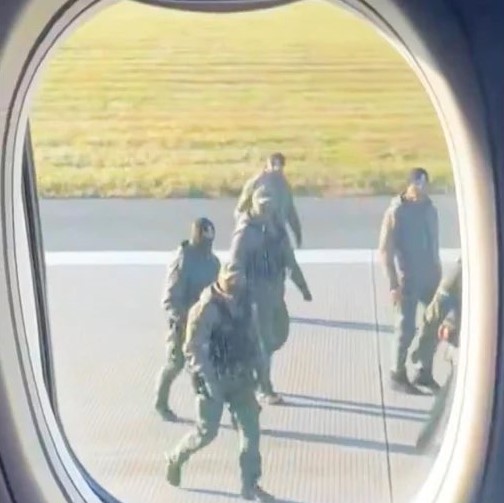
A series of bomb threats targeting commercial aircraft across Europe has triggered flight diversions, military fighter escorts, emergency landings and extensive security inspections — raising fresh concerns about the vulnerability of civil aviation to disruption through anonymous threats.
The latest wave intensified on Thursday, November 5, 2026, when at least 25 passenger flights across Europe reportedly received bomb threats, according to Reuters. Several aircraft were diverted or escorted by military jets, while others landed normally before undergoing additional security checks. No explosives had been found aboard the aircraft covered by the reports at the time of publication.
The incidents followed another series of threats on Tuesday, November 3, when at least seven flights were targeted. A separate Wizz Air flight from London to Sofia had also been diverted to Budapest on November 2.
Although authorities have not established whether the incidents are connected, the frequency and geographical spread of the alerts have drawn attention to a familiar aviation security problem: even an unsubstantiated bomb threat can trigger a costly and complex emergency response.
Thursday's incidents involved airlines and flights operating across several European countries.
Among the reported cases:
Aer Lingus EI402: The Airbus A320 operating Dublin–Rome was diverted to Évreux military airbase in France following a bomb threat. It landed safely, with 151 passengers and six crew members reportedly on board.
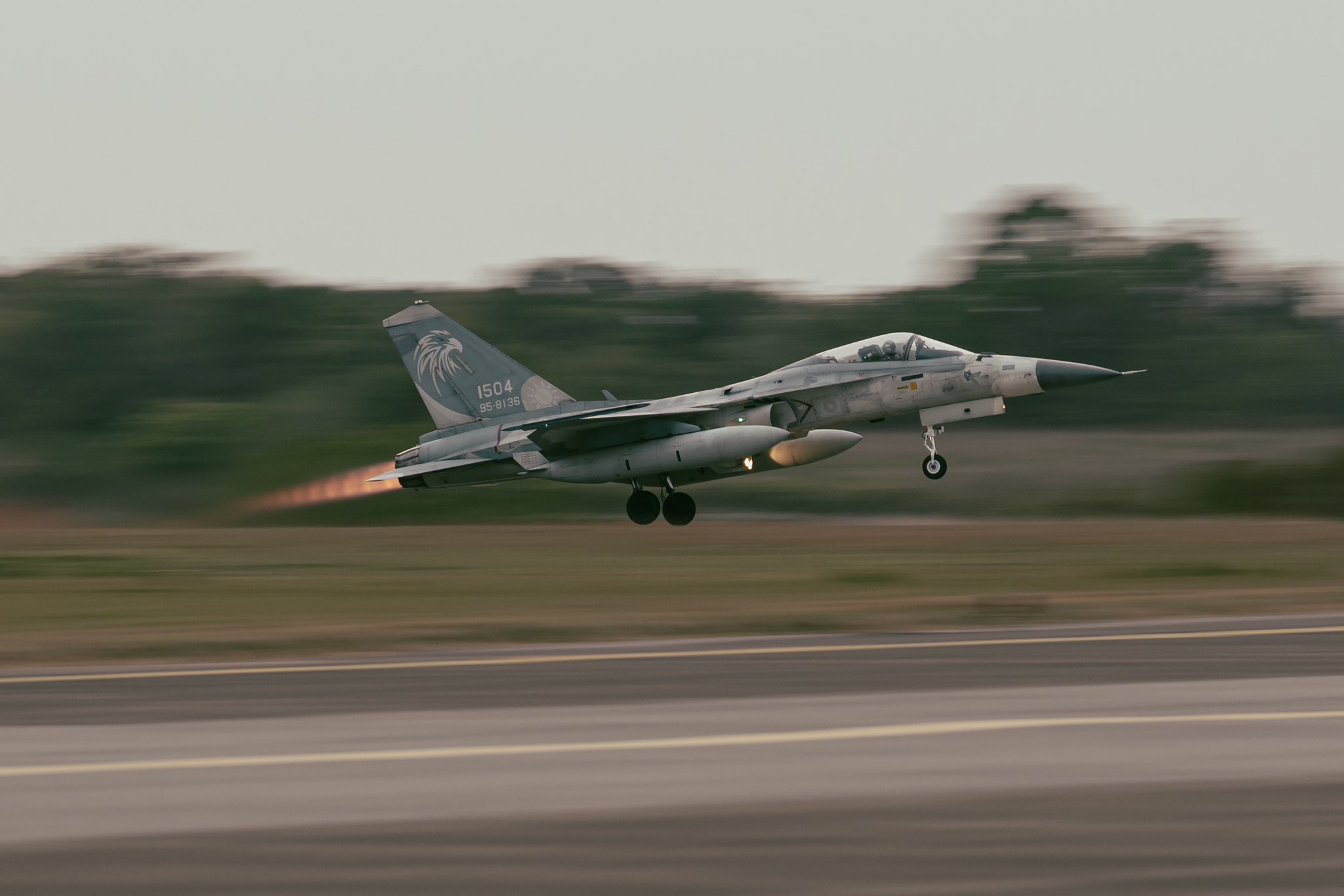
Finnair: A Helsinki–Rome service was escorted by Italian Air Force Eurofighters before landing at Rome Fiumicino. Another Helsinki flight, operated by Jettime on behalf of Finnair, was also reportedly targeted.
Wizz Air: A Milan–Warsaw flight diverted to Vienna after a threat was received during the flight.
Ryanair: Flights involving Copenhagen, Madrid and London Stansted and destinations in Bulgaria were affected. Two landed in Sofia, while another was diverted to Plovdiv.
LOT Polish Airlines: Flight LO235 from Warsaw to Brussels underwent security checks after a warning. Another LOT flight to Paris was stopped while taxiing at Warsaw and passengers were transferred to another aircraft.
Prague-bound flights: Czech police received threats concerning four aircraft and activated security procedures, despite assessing the warnings as having low relevance.
The list was still developing as reports emerged. Reuters reported at least 25 affected flights, while other early reports identified smaller numbers. These figures reflect different reporting stages and should not be treated as competing final totals.
The November 2026 incidents are not without precedent. Airlines and aviation authorities have faced several large-scale waves of false threats, as well as individual cases that demonstrate how serious the consequences can be.
One of the largest recent waves of aviation bomb hoaxes occurred in India in October 2024.
More than 250 threats were reported against flights over an 11-day period. On October 24 alone, more than 80 flights were reportedly targeted, affecting Air India, Vistara, IndiGo, Akasa Air, SpiceJet and Alliance Air.
Many threats were posted through anonymous social-media accounts, including accounts that appeared to have been created specifically to issue the warnings. Some messages even targeted flights that had already operated or were not scheduled to fly.
The threats prompted additional security checks, operational disruption and diversions. The Indian Express reported that the threats during the period had turned out to be false.
Comparison: The Indian episode was much larger in the number of reported threats over a short period. Like the current European wave, it demonstrated how anonymous messages can place considerable pressure on airlines and security agencies without an actual explosive device being present.
On October 15, 2024, Air India flight AI127, operating from Delhi to Chicago with a Boeing 777, diverted to Iqaluit Airport in Canada's Nunavut territory after a bomb threat.
The aircraft was carrying 211 passengers and 20 crew members. It landed safely, but the remote location and security procedures left passengers facing a prolonged disruption.
The aircraft remained at Iqaluit while checks were completed, and the passengers were eventually transported onward with assistance from the Canadian military.
Comparison: Unlike the current European wave, which involved numerous aircraft across several countries, AI127 was an individual threat. However, it illustrates how a diversion to a remote airport can create major logistical challenges for passengers and airlines, even when no device is found.
One of the most serious and politically significant cases involving a reported bomb threat occurred on May 23, 2021.
Ryanair flight FR4978 was flying from Athens to Vilnius when Belarusian authorities reported a bomb threat. The aircraft was diverted to Minsk, where Belarusian authorities arrested opposition activist Roman Protasevich and his companion Sofia Sapega.
The bomb threat was widely regarded internationally as a pretext for the forced diversion. The incident was not simply another false alarm: it became a major international aviation and diplomatic controversy.
Comparison: The Belarus incident is an important warning about the potential misuse of aviation security procedures. However, there is currently no verified evidence that the November 2026 European threats involve state-directed aircraft diversions or a similar operation.
On February 23, 2025, American Airlines flight AA292, a Boeing 787-9 operating from New York JFK to Delhi, was diverted to Rome after the airline received a bomb threat while the aircraft was over the Caspian Sea.
The aircraft landed safely at Rome Fiumicino after more than 10 hours into its journey. The threat was assessed as non-credible.
The diversion demonstrated the operational consequences of a threat received while an aircraft is already on a long-haul flight: additional flying time, fuel considerations, passenger disruption and the need for security inspections at an alternate airport.
In June 2015, a Canadian airline was forced to ground five flights after receiving anonymous bomb threats targeting specific services. All the threats proved to be hoaxes.
One incident on June 29 involved a flight from Edmonton to Toronto that diverted to Winnipeg. During the evacuation, six passengers were injured while using the aircraft's emergency slides.
Comparison: This case highlights another important risk: even when a threat is false, the emergency response itself can expose passengers to injury. Evacuation decisions must therefore balance the urgency of a potential danger against the risks of an unnecessary rapid evacuation.
The latest incidents stand out because of their concentration across multiple countries and airlines within a few days.
| Incident | Scale | Main impact |
|---|---|---|
| Canada, 2015 | Five flights | Groundings, diversions and evacuation injuries |
| Belarus, 2021 | One flight | Forced diversion and international political crisis |
| India, 2024 | More than 250 threats in 11 days | Widespread security checks and disruption |
| Air India AI127, 2024 | One long-haul flight | Diversion to remote Canadian airport |
| American AA292, 2025 | One long-haul flight | Diversion to Rome |
| Europe, November 2026 | At least 25 flights reported on Nov. 5, following earlier alerts | Multiple diversions, fighter escorts and airport security operations |
The comparison shows that the number of threats alone does not determine the seriousness of an incident. The credibility of the information, the aircraft's location, the response required and the possibility of deliberate interference all matter.
The timing and spread of the European incidents have prompted discussion about possible hybrid or coordinated disruption.
Hybrid warfare can involve cyberattacks, sabotage, disinformation and other methods intended to disrupt essential services while making attribution difficult.
Reuters reported that security experts were examining whether the latest threats could form part of a wider pattern of disruption. The incidents also coincided with reported cyberattacks affecting supermarket refrigeration systems and French blood banks.
However, no authority has publicly established that the aircraft threats were coordinated or identified a responsible state or organisation. The possibility of a copycat campaign, a single individual or group, or unrelated hoaxes remains open. Speculation about foreign involvement should not be presented as a confirmed finding.
Commercial aviation operates on the principle that every credible security warning must be taken seriously. Airlines cannot simply ignore a threat because earlier warnings proved false.
A bomb alert can require:
A flight diversion or precautionary landing.
Military aircraft to escort an airliner.
Passenger disembarkation and baggage inspections.
Explosive-ordnance specialists and police investigations.
Temporary airport restrictions, delays and aircraft repositioning.
The consequences extend beyond the affected aircraft. Diversions can disrupt connecting flights, crew schedules, airport capacity and airline networks.
The November 2026 incidents therefore present a challenge beyond identifying whether explosives are actually present: authorities must establish who is issuing the threats, whether the incidents are connected and how to prevent repeated false alarms from overwhelming security resources.
The key lesson from previous cases is clear: a bomb threat does not have to be genuine to disrupt aviation. But until a proper investigation establishes otherwise, every warning must be treated according to established security procedures.
News from the past.......