
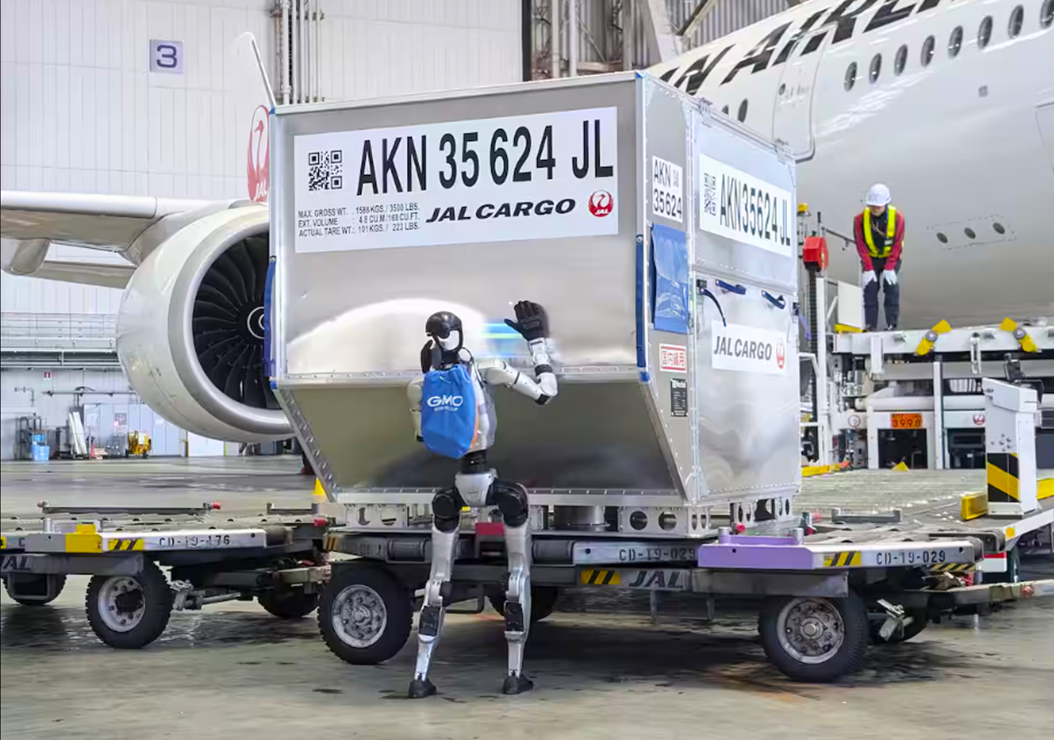
Japan Airlines (JAL) announced on the 27th that it will begin a demonstration experiment in May to utilize humanoid robots for airport ground handling operations.
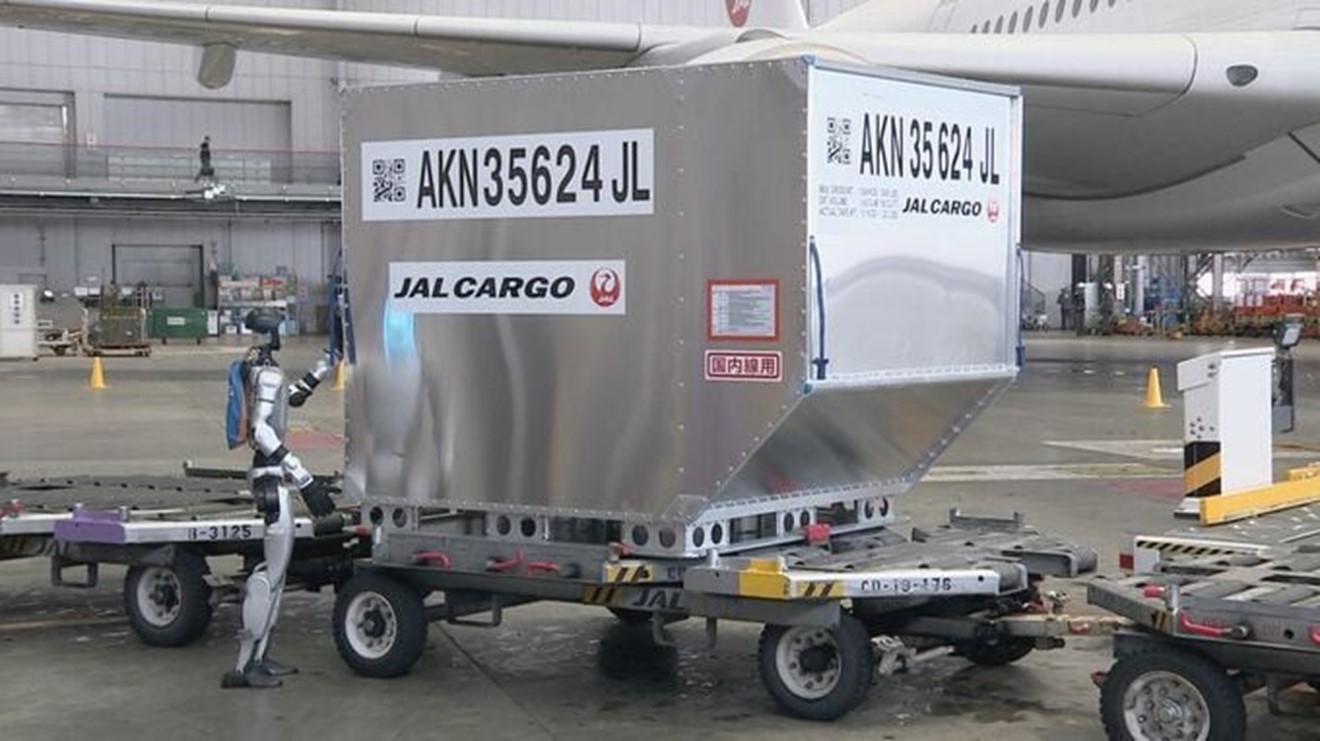
This is the first initiative of its kind in Japan to address the worsening labor shortage. Initially, the experiment will test the robots moving cargo containers from trolleys to near the aircraft. The airline is considering putting the robots into practical use from 2028 onwards.
Japan Airlines and GMO announced that they will begin a pilot project next month to utilize humanoid robots in ground handling operations, such as loading luggage and guiding aircraft. In the experiment, GMO will provide the robots and develop the programs.
The step are being taken as air travel demand grows due to the increase in foreign visitors to Japan, ground handling is facing a serious labor shortage due to the declining population, and the pilot project will confirm what tasks the robots can perform.
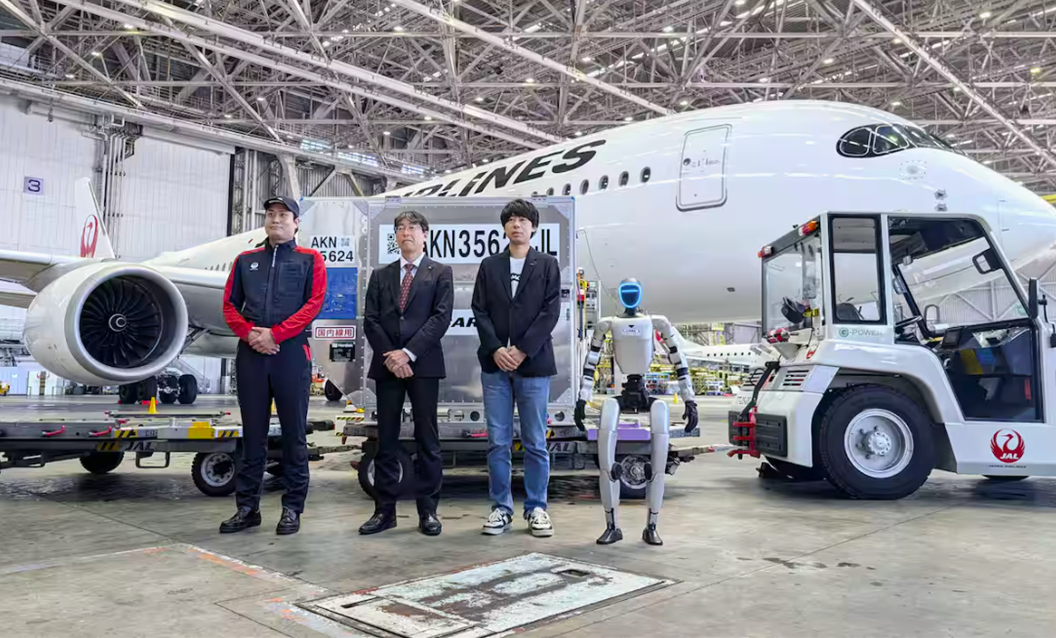
Since airport facilities are built on the premise that people will be working there, humanoid robots have the advantage of being able to be introduced without requiring any modifications to the airport.
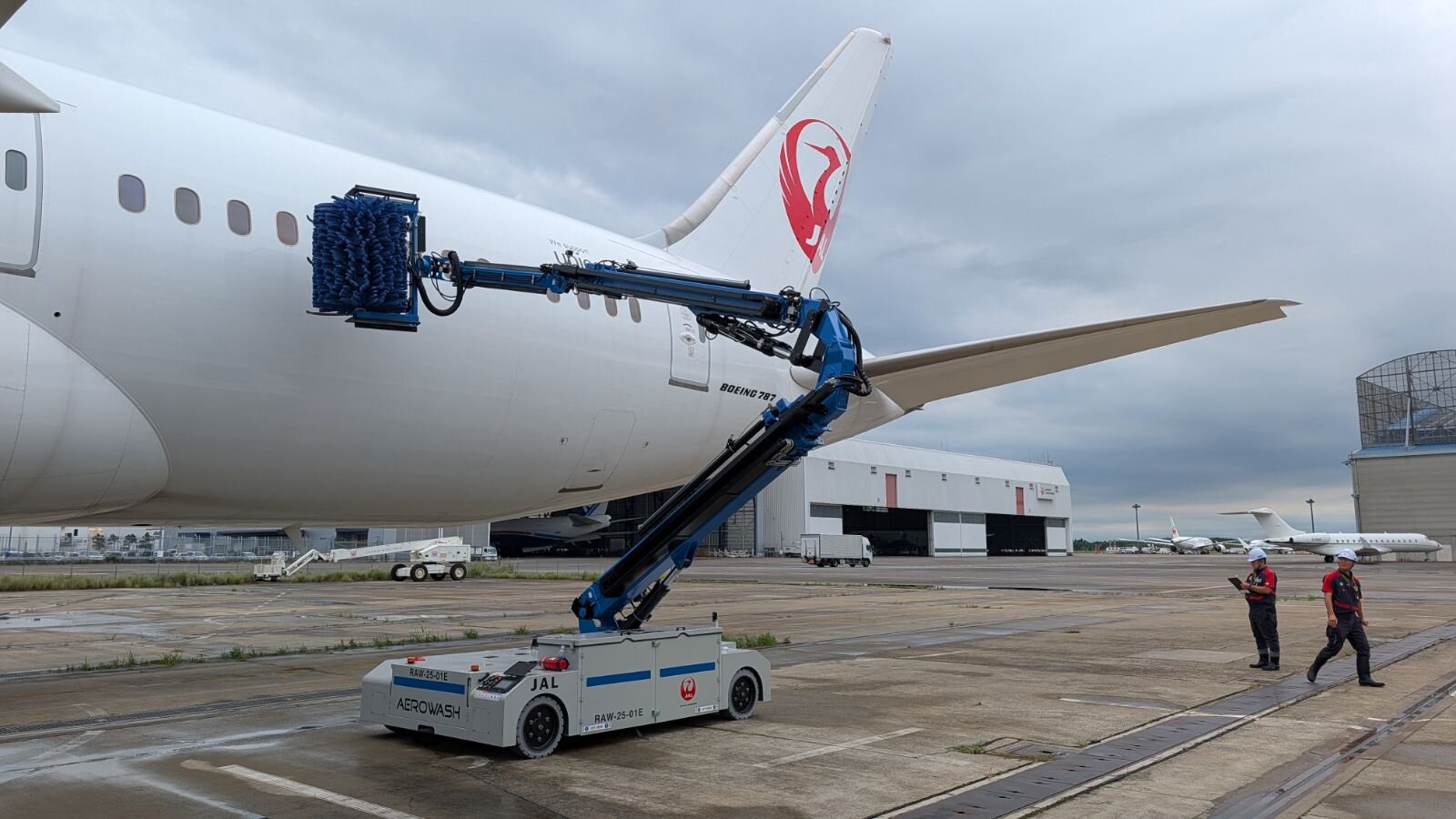
Because wheeled robots cannot climb stairs and require floor modifications, the company is aiming to develop a humanoid robot for practical use. They are also planning to introduce Chinese-made robots into aircraft cleaning operations.
First, they will confirm whether the robots can move containers by pushing them by 2028, and in the future, they aim to have the robots perform all tasks currently done by people, such as loading luggage and cleaning the aircraft, in order to alleviate the labor shortage.
A JAL representative said,
"We want to reduce the burden on staff through automation, allowing humans to take on tasks such as safety management."