
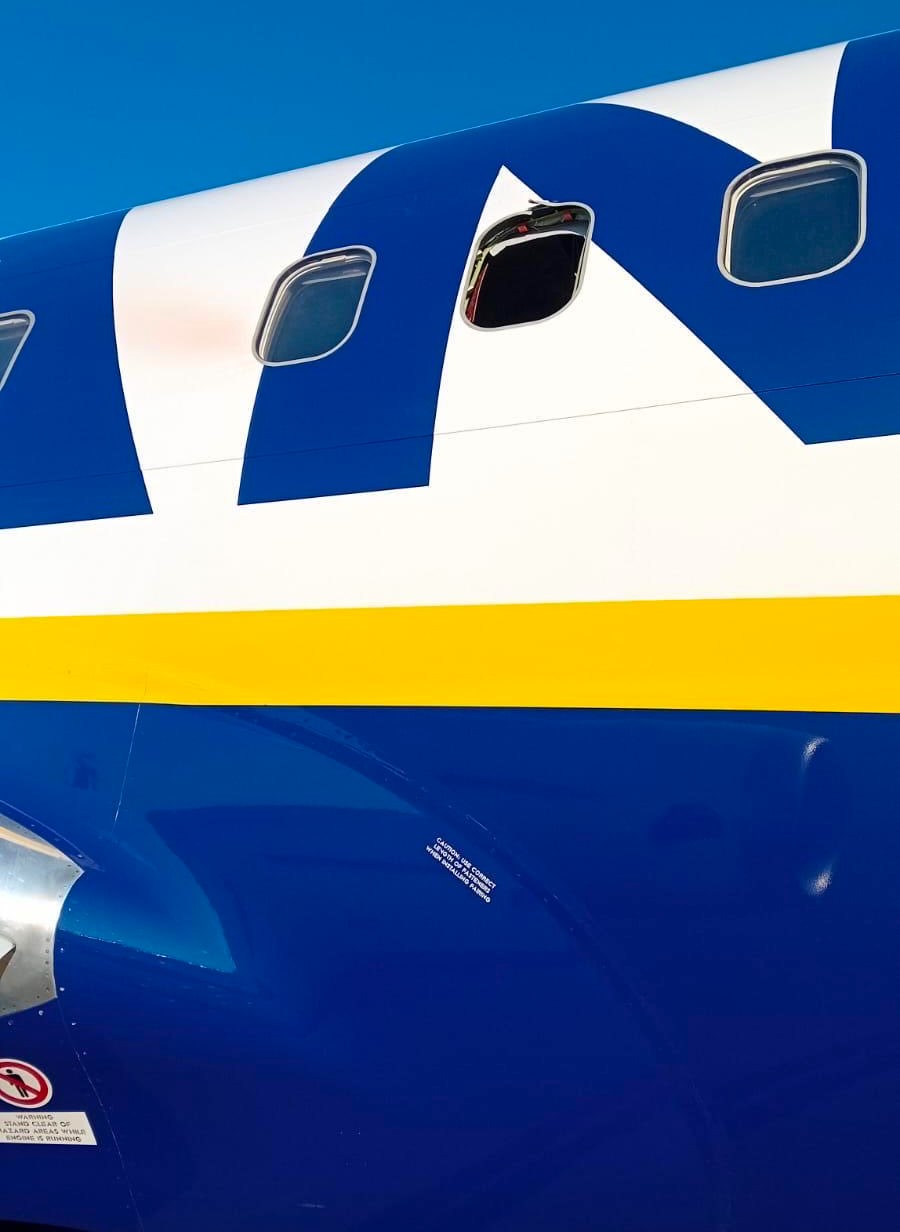
The account of a passenger who says he was nearly sucked out of a Ryanair aircraft has reignited an important conversation about the hidden consequences of surviving a life-threatening aviation incident.
While the immediate focus in such emergencies often centers on physical injuries and technical investigations, the passenger's description of feeling "mentally destroyed" underscores a reality that is frequently overlooked: surviving a disaster does not necessarily mean the ordeal is over.
His testimony highlights the profound emotional scars that can remain long after the aircraft has landed and the physical danger has passed. For many survivors, the psychological aftermath can be as debilitating as any physical injury, affecting relationships, careers, and everyday life.
On July 10, 2026, Ryanair Flight FR1879, a Boeing 737-8AS operating from Thessaloniki, Greece, to Memmingen, Germany, was forced to return shortly after takeoff following a reported mid-air window failure. According to passenger accounts, the damaged window caused a rapid decompression, and one passenger was partially pulled toward the opening before being rescued by his wife and fellow travelers.
The aircraft had climbed to approximately 16,000 feet before the crew turned back to Thessaloniki. Around 1 hour and 13 minutes after departure, the flight landed safely at Thessaloniki Airport, where passengers disembarked and were later transferred to a replacement aircraft to continue their journey to Germany. Authorities are reviewing the circumstances surrounding the incident.
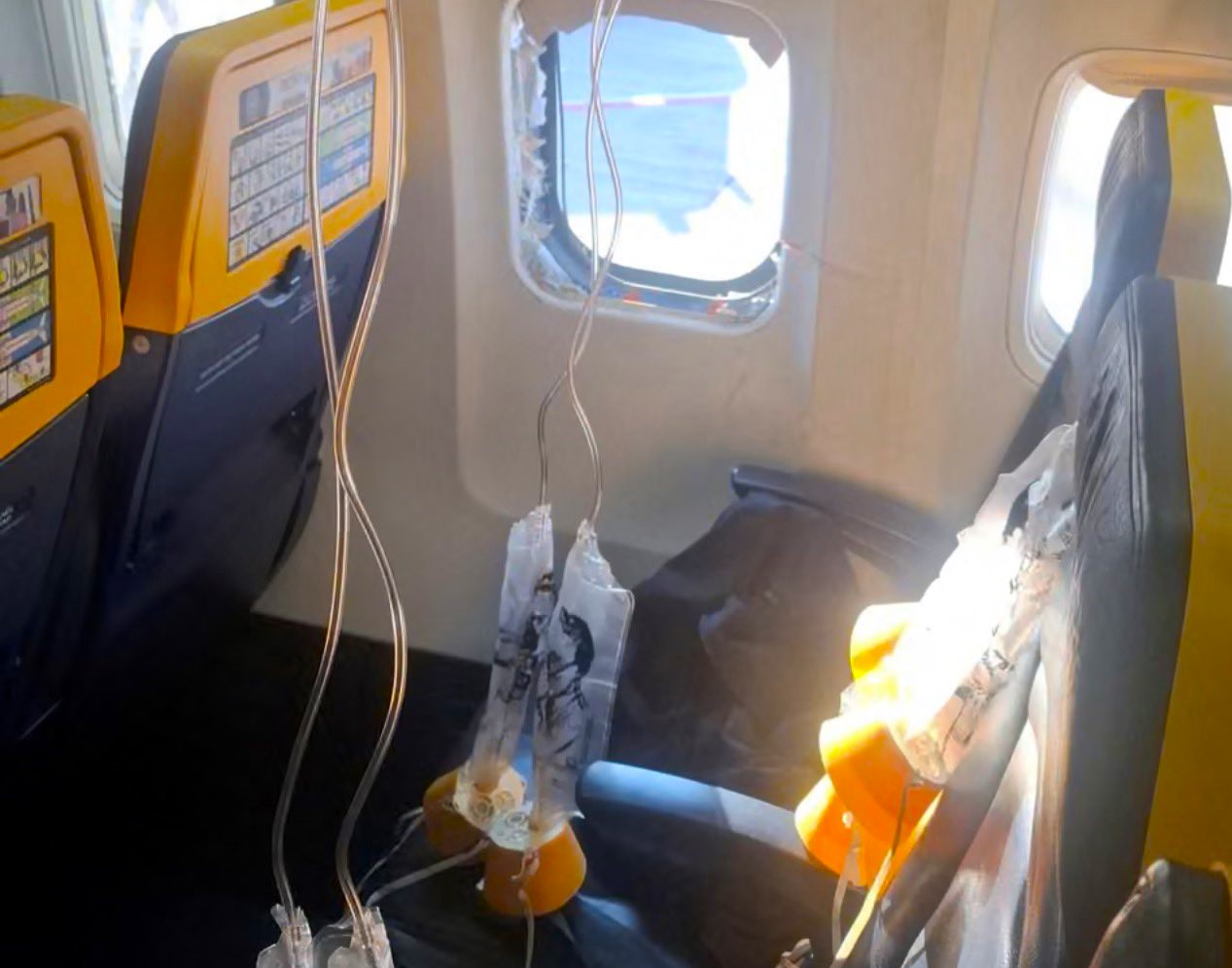
Traumatic experiences fundamentally alter the way the brain processes danger and safety. In moments of extreme fear—particularly those involving the perceived threat of imminent death—the body's stress response releases powerful hormones designed to maximize survival. While this response can be lifesaving, it may also leave lasting psychological effects.
Mental health professionals note that survivors of aviation emergencies commonly experience a range of symptoms, including:
Importantly, these reactions can occur even when a survivor escapes without significant physical injuries. The absence of visible wounds does not diminish the severity of emotional trauma.
Expressions such as feeling "mentally destroyed" reflect the overwhelming emotional burden many survivors carry after narrowly escaping death. The mind may repeatedly replay the event, searching for meaning or attempting to process what happened.
Survivors frequently report experiencing:
Recovery is rarely linear. Some individuals initially appear resilient, only to develop symptoms weeks or months later as the reality of the experience begins to settle.
Modern aviation remains one of the safest forms of transportation, with multiple layers of engineering, regulation, crew training, and operational oversight designed to prevent accidents and manage emergencies. When incidents do occur, investigations typically focus on identifying technical failures, operational issues, or procedural improvements to prevent recurrence.
However, passenger welfare extends beyond physical safety. Emotional recovery deserves similar attention. Airlines increasingly recognize that survivors may require psychological support alongside medical care, particularly following severe emergencies.
Providing clear communication, counseling referrals, and ongoing assistance can help reduce uncertainty and support long-term recovery for affected passengers.
Public confidence in aviation depends not only on safety standards but also on transparent communication when incidents occur. Timely updates, thorough investigations, and openness about findings help reassure travelers while demonstrating accountability.
For survivors, honest communication can also play an important psychological role. Understanding what happened—and why—may reduce uncertainty and assist in processing traumatic memories.
Mental health experts emphasize that early intervention can significantly improve outcomes for trauma survivors. Evidence-based treatments such as trauma-focused cognitive behavioral therapy (CBT), eye movement desensitization and reprocessing (EMDR), and other psychological interventions have been shown to help many people recover from traumatic experiences.
Equally important is recognizing that every survivor responds differently. Some individuals regain confidence relatively quickly, while others require months or years of professional support.
Family members, employers, healthcare providers, and airlines all have a role to play in creating an environment where survivors feel comfortable seeking help without stigma.
The Ryanair passenger's account is a powerful reminder that every aviation emergency affects more than aircraft systems and safety reports—it changes lives. Behind every investigation is a human story of fear, resilience, and recovery.
As authorities continue to examine aviation incidents and airlines strive to strengthen safety measures, equal attention should be given to the emotional wellbeing of those who survive them. Physical survival marks the end of immediate danger, but for many passengers, the journey toward psychological recovery is only beginning.
Recognizing the invisible wounds of trauma—and ensuring survivors have access to appropriate mental health support—is essential to a truly comprehensive approach to passenger safety. Recovery is not measured solely by the absence of physical injury but by the ability to regain a sense of security, confidence, and hope after experiencing one of life's most frightening moments.
Read more........