
.jpg)
The U.S. Federal Aviation Administration (FAA) has issued a new Airworthiness Directive (AD) requiring structural inspections on hundreds of Boeing 737 MAX aircraft after concerns emerged over potential cracking in a critical fuselage reinforcement known as the bear strap, highlighting the aviation industry's increasingly proactive approach to managing structural fatigue before it becomes a flight safety risk.
The directive applies to 471 U.S.-registered Boeing 737 MAX 8, MAX 9 and MAX 8-200 aircraft, with approximately 1,429 aircraft affected worldwide. The AD becomes effective 10 September 2026.
Importantly, the FAA stressed that no cracks have been identified on the 737 MAX fleet. Instead, the inspections are preventive because the MAX shares a similar structural design and manufacturing process with the earlier Boeing 737 Next Generation (NG) family, where cracking has previously been detected.
The regulator has not ordered the aircraft to be grounded, noting that the inspection intervals provide multiple opportunities to identify any developing cracks well before they pose a threat to structural integrity.
The inspections centre on the bear strap, a reinforced structural member located at the forward upper corner of the forward service (galley) door cut-out on the right side of the fuselage.
Although relatively small compared with major fuselage frames or wing structures, the bear strap performs an important engineering function.
Aircraft door openings create unavoidable interruptions in the fuselage's continuous load path. To compensate, manufacturers install reinforcement structures—including bear straps—to redistribute stresses generated during every pressurisation cycle.
Each commercial flight subjects the fuselage to repeated expansion and contraction as the cabin is pressurised after take-off and depressurised before landing. Over tens of thousands of flight cycles, these alternating loads can initiate microscopic fatigue cracks at stress concentration points, particularly around fastener holes, door corners and structural cut-outs.
If left undetected, such cracks may propagate into adjacent fuselage skin or supporting structure, reducing the aircraft's ability to withstand certified limit loads.
This AD was prompted by reports of cracks in the bear strap at the forward upper corner of the forward galley door cutout. The FAA is issuing this AD to address cracks in the fuselage skin and bear strap, which may lead to the inability of the principal structural element to sustain limit loads and adversely affect the structural integrity of the airplane.
Unlike emergency directives that respond to an in-service failure, this AD represents a preventive safety intervention.
The FAA's decision follows reports of cracking on earlier-generation Boeing 737 NG aircraft in a structurally similar location.
Engineering assessments concluded that because the MAX uses comparable design features and manufacturing methods, proactive inspections are warranted despite the absence of confirmed cracking within the MAX fleet.
The directive therefore reflects one of aviation's core safety principles: identifying potential risks before they evolve into operational hazards.
Rather than waiting for evidence of fleet-wide deterioration, regulators increasingly use fleet-wide engineering data, fatigue modelling and service history to anticipate structural issues.
The FAA directive requires operators to perform inspections according to each aircraft's utilisation, recognising that structural fatigue is primarily influenced by flight cycles rather than aircraft age.
Maintenance personnel will conduct:
Should any cracking be detected, affected aircraft must undergo approved repairs before returning to service.
Fatigue cracking is not unusual in ageing commercial aircraft and is anticipated during the design process.
Modern transport aircraft are certified using a "damage tolerance" philosophy, which assumes that small cracks may eventually develop after many thousands of pressurisation cycles.
Rather than attempting to eliminate every possible crack, manufacturers design aircraft so that any damage grows slowly enough to be detected during scheduled maintenance before it reaches a critical size.
This philosophy has become a cornerstone of commercial aviation safety, supported by continuous inspections, non-destructive testing technologies and mandatory airworthiness directives.
Boeing said it has completed engineering analyses into the reported cracking and is developing permanent design improvements.
"This issue has not been observed on the 737 MAX fleet, but Boeing extended the inspections to 737 MAX airplanes as the model shares a similar design and build process," the manufacturer said.
The company added that it supports both the FAA directive and operators implementing the required inspections.
Major U.S. operators, including Southwest Airlines and United Airlines, have indicated they expect to complete the inspections during scheduled maintenance visits, minimising operational disruption.
The latest directive comes as Boeing remains under heightened regulatory scrutiny following several recent safety-related events.
In 2024, an Alaska Airlines Boeing 737 MAX 9 experienced an in-flight door-plug separation shortly after departure. Investigators later determined that four retaining bolts intended to secure the door plug had not been installed before delivery.
Separately, the FAA recently proposed another airworthiness directive requiring inspections of seat assemblies on hundreds of 737 MAX aircraft after concerns that some seats may have been installed incorrectly during production.
Although unrelated technically, both directives illustrate the FAA's increasingly rigorous oversight of manufacturing quality, structural integrity and continued airworthiness.
From an operational perspective, the latest directive should not be interpreted as evidence that the Boeing 737 MAX is structurally unsafe.
Instead, it demonstrates how modern aviation safety systems function.
Airworthiness directives are issued whenever engineering analysis identifies a condition that could, if left unaddressed, reduce safety margins. The objective is to detect potential defects long before they can affect aircraft performance or passenger safety.
By combining periodic inspections, advanced non-destructive testing methods and continuous engineering evaluation, regulators and manufacturers aim to preserve the structural integrity of aircraft throughout decades of commercial service.
For passengers, the inspections represent another layer of aviation's multiple safety barriers—one designed not in response to an accident, but to prevent one from ever occurring.
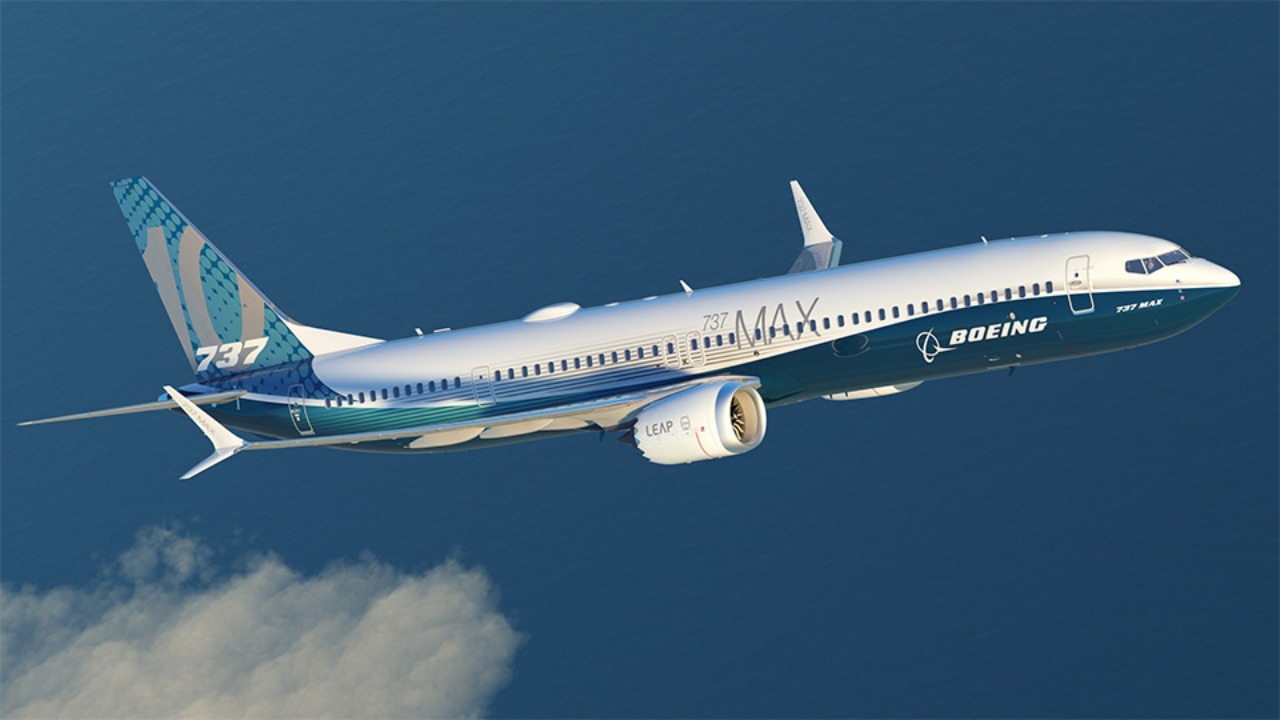
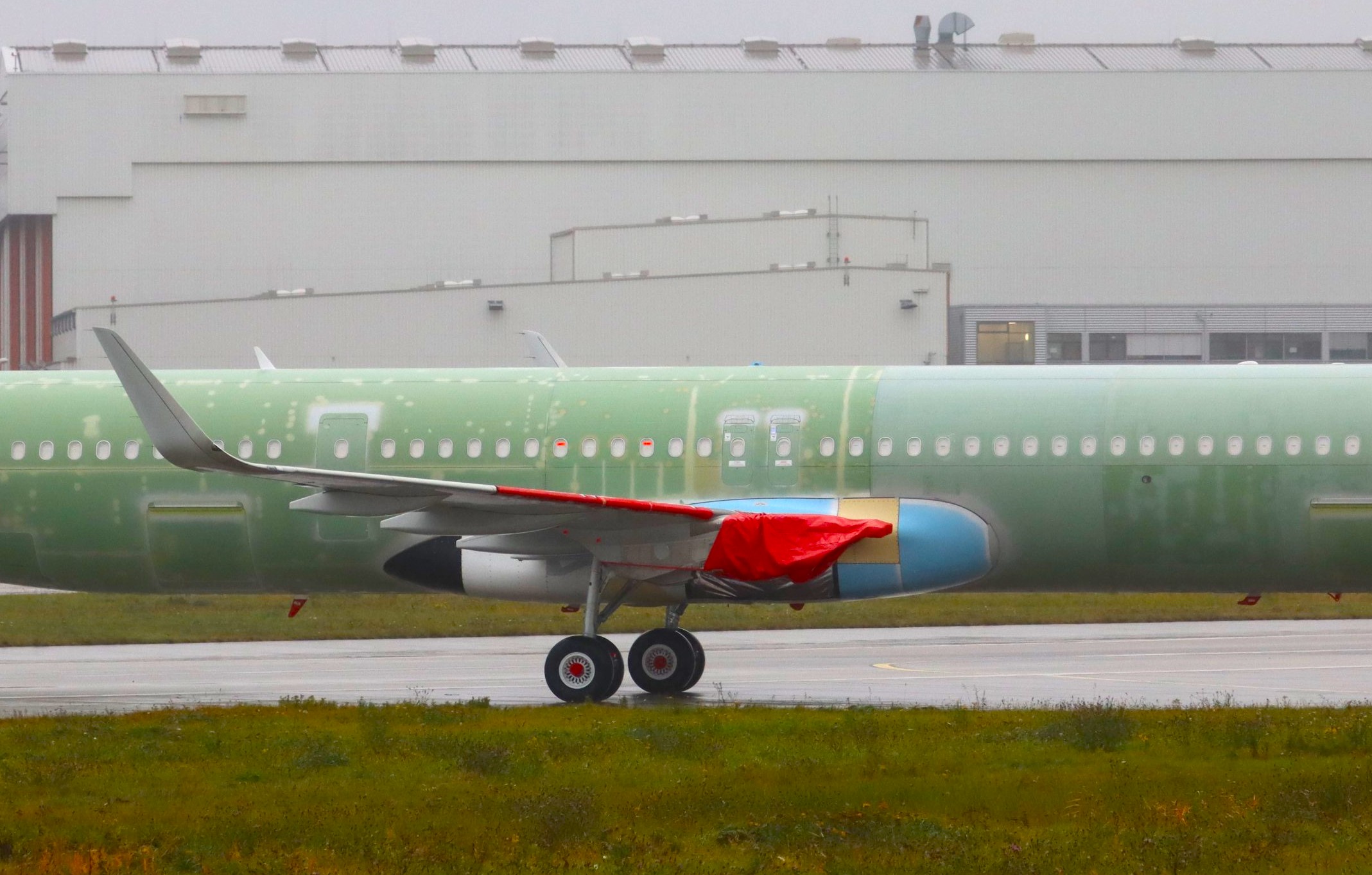
Display picture illustration: For reference Only, not on actual structural components on the aircraft.
You may like to read......

.jpg)