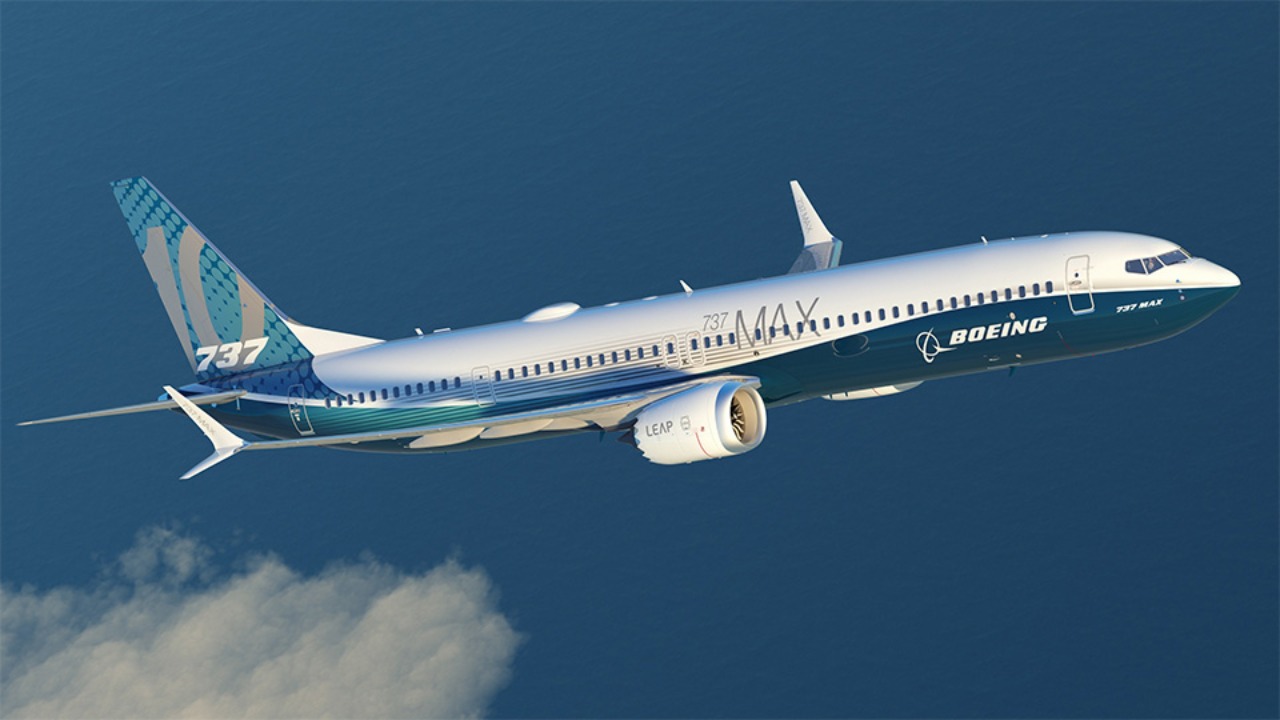

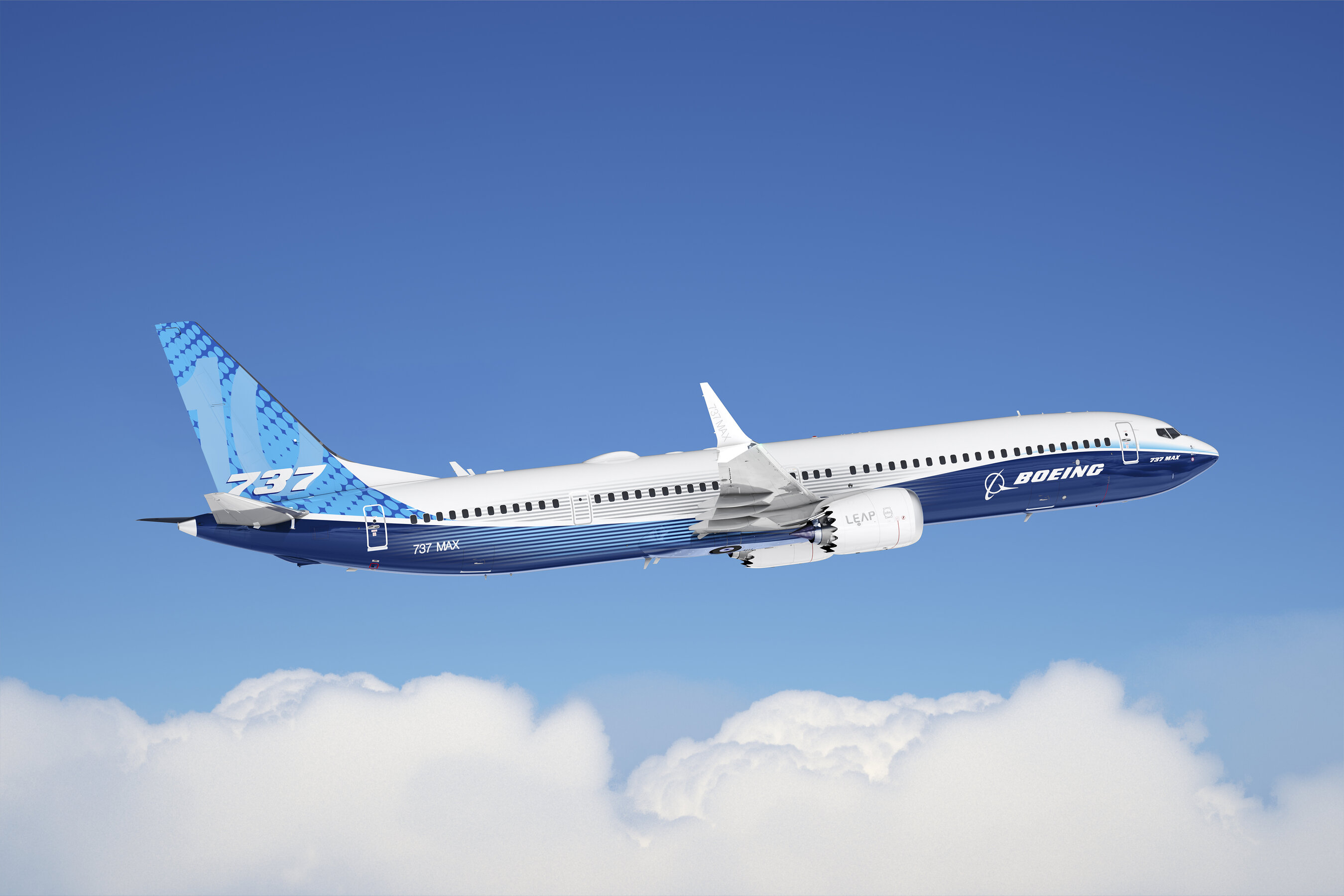
1. FAA Certification Secured: The U.S. Federal Aviation Administration has certified the Boeing 737 MAX 10, the largest variant in the 737 MAX family, clearing the way for customer deliveries in the coming months, according to Boeing.
2. Higher Passenger Capacity: The 737-10 can accommodate up to 230 passengers in a maximum-seat configuration. In a typical two-class layout, it is expected to carry 185–210 passengers.
3. Improved Operating Economics: Boeing claims the aircraft offers the lowest cost per seat of any single-aisle aircraft in service, helping airlines improve efficiency on high-demand short- and medium-haul routes.
4. Longer Range and Lower Emissions: The aircraft has a maximum range of approximately 3,100 nautical miles (5,740 km). Boeing also cites a 20% reduction in fuel consumption and CO₂ emissions compared with the aircraft it is designed to replace.
5. Major Safety and Certification Milestone: The 737-10 introduces an enhanced Angle-of-Attack system, planned to become standard across the 737 MAX family. It is also the first commercial aircraft certified under the full requirements of the 2020 Aircraft Certification, Safety, and Accountability Act (ACSAA).
6. Strong Order Book: Boeing reports 1,555 orders for the 737-10 from more than 30 customers worldwide. Across the entire 737 MAX family, the company had received 7,350 orders and delivered nearly 2,500 aircraft through the end of September 2026.
Boeing’s 737 MAX 10 project represents a major effort to strengthen the manufacturer’s position in the competitive single-aisle aircraft market. Designed to carry more passengers than any other member of the 737 MAX family, the aircraft is aimed at airlines seeking greater capacity and lower seat costs on high-demand domestic and regional routes.
According to the October 20, 2026 announcement provided, the U.S. Federal Aviation Administration (FAA) has certified the 737-10, clearing the way for Boeing to begin deliveries in the coming months. The announcement marks a significant milestone for a programme that has faced years of certification work, safety scrutiny and delays.
The 737 MAX 10 was launched at the Paris Air Show on June 19, 2017, as Boeing’s response to growing demand for higher-capacity, fuel-efficient single-aisle aircraft. At launch, Boeing announced more than 240 orders and commitments from over 10 customers. The aircraft was developed to compete directly with the Airbus A321neo, which had established a strong position in the upper end of the narrowbody market.
Boeing originally targeted entry into service around 2020, but the programme subsequently encountered technical, regulatory and certification challenges. The two fatal 737 MAX 8 accidents in 2018 and 2019 led to a worldwide grounding of the MAX fleet and intensified regulatory scrutiny of the aircraft family. The MAX 10 was also affected by the wider programme’s safety reviews and requirements for improved flight-control systems.
A key technical obstacle was the engine anti-ice system. Boeing identified conditions in which the system could overheat, prompting engineering changes and additional testing. The certification programme also required extensive safety documentation, system assessments and compliance with enhanced regulatory requirements. These challenges pushed certification well beyond the original schedule.
The programme made substantial progress in 2026. On July 28, Boeing announced the completion of its final planned certification flight, following 976 flights, more than 2,060 flight hours and approximately 1,040 hours of ground testing. The campaign examined systems and performance under demanding conditions, including braking, wet-runway operations, engine anti-ice functionality and the enhanced Angle-of-Attack system.
Flight testing alone was not sufficient for approval. Boeing still had to complete development assurance reviews, system safety assessments and the final documentation required by the FAA. In September, CEO Kelly Ortberg said certification was approaching, although further work remained to stabilise aircraft production.
On October 20, 2026, the FAA announced certification of the 737 MAX 10. The agency issued an amended type certificate confirming that the aircraft’s design met applicable certification requirements, alongside an updated Production Limitation Record authorising production. The FAA said the approval followed extensive safety reviews and incorporated improvements required under the Aircraft Certification, Safety, and Accountability Act and recommendations from the National Transportation Safety Board (NTSB).
Up to 230 passengers in a maximum-density layout, with approximately 185–210 seats in a typical two-class configuration.
Up to 3,100 nautical miles (5,740 km), enabling operations across many domestic and medium-haul international markets.
Boeing cites a 20% reduction in fuel use and CO₂ emissions compared with the aircraft it is designed to replace.
Boeing positions the MAX 10 as a high-capacity narrowbody offering competitive seat-mile costs for airlines operating dense routes.
Specifications and performance claims are based on Boeing’s published programme information and the supplied announcement. Actual capacity and operating performance vary with airline configuration and operating conditions.
The aircraft’s safety upgrades are particularly significant. Its enhanced Angle-of-Attack system is designed to improve the monitoring of sensor information, reduce the potential for erroneous warnings and simplify flight-deck responses when faults occur. Boeing says the system will become standard on new 737 MAX aircraft, with a retrofit available for aircraft already in service.
The MAX 10 has become an important part of Boeing’s narrowbody strategy. According to the October 20 announcement, the model has accumulated 1,555 orders from more than 30 customers, representing over 30% of the 737 MAX programme’s current order book. The entire MAX family had 7,350 orders, with nearly 2,500 aircraft delivered by the end of September 2026.
Major U.S. customers include United Airlines, Delta Air Lines, American Airlines and Alaska Airlines, while Ryanair is among the significant European customers associated with the model. American Airlines, for example, announced an order for 85 MAX 10 aircraft in March 2024 as part of a broader fleet investment.
For airlines, the appeal is straightforward: the MAX 10 offers more seats than the smaller MAX variants while retaining commonality with the 737 family. This can help carriers increase capacity on busy routes without moving to a larger widebody aircraft. However, the Airbus A321neo remains a formidable competitor, and the certification delays have given Airbus additional time to strengthen its position in the high-capacity single-aisle market.
Certification removes a major regulatory barrier, but it does not automatically mean that every completed aircraft can immediately enter airline service. Boeing must deliver aircraft in the approved configuration, complete the required conformity and airworthiness processes, and prepare customers for introduction into their fleets.
The supplied announcement says deliveries can begin in the coming months. Earlier Boeing programme updates had pointed to customer deliveries in 2027, so the exact timing will depend on aircraft readiness, production execution and individual airline preparations.
Boeing also faces the broader challenge of rebuilding confidence in its manufacturing and safety processes. Certification demonstrates that the MAX 10’s design has met the applicable regulatory requirements; maintaining production quality and delivering aircraft reliably will be essential to translating the milestone into commercial success.
The FAA’s October 20, 2026 certification of the Boeing 737 MAX 10 marks the culmination of a nine-year journey since the aircraft’s launch in 2017. With a capacity of up to 230 passengers, a substantial order backlog and new safety-system enhancements, the aircraft could become a valuable option for airlines seeking to expand narrowbody capacity.
The next test is execution. Boeing must convert certification into reliable deliveries while sustaining safety, quality and production discipline. For the global aviation industry, the MAX 10’s entry into service will be an important development in the ongoing competition between Boeing and Airbus for the high-capacity single-aisle market.
You may like to read......

.jpg)