
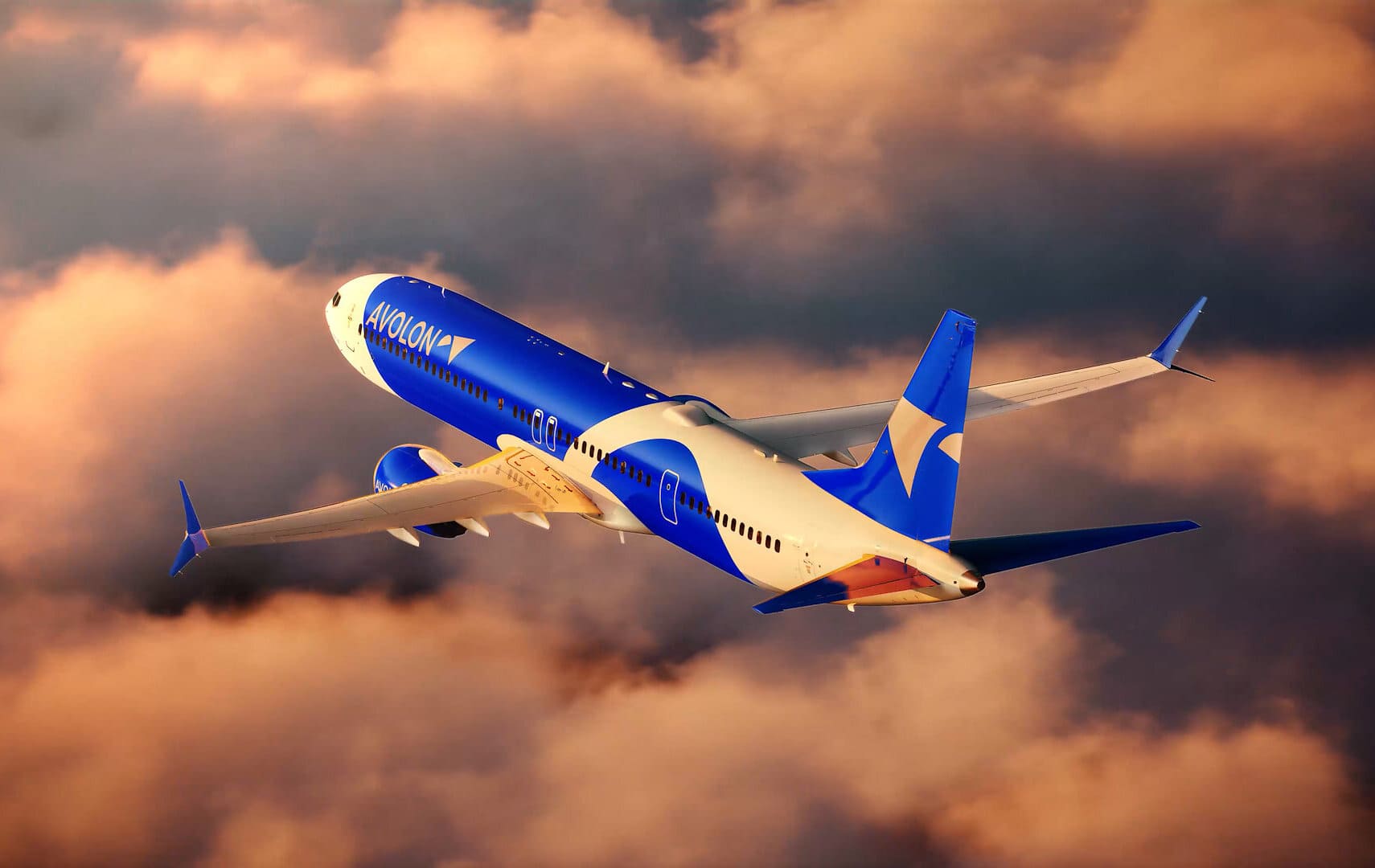
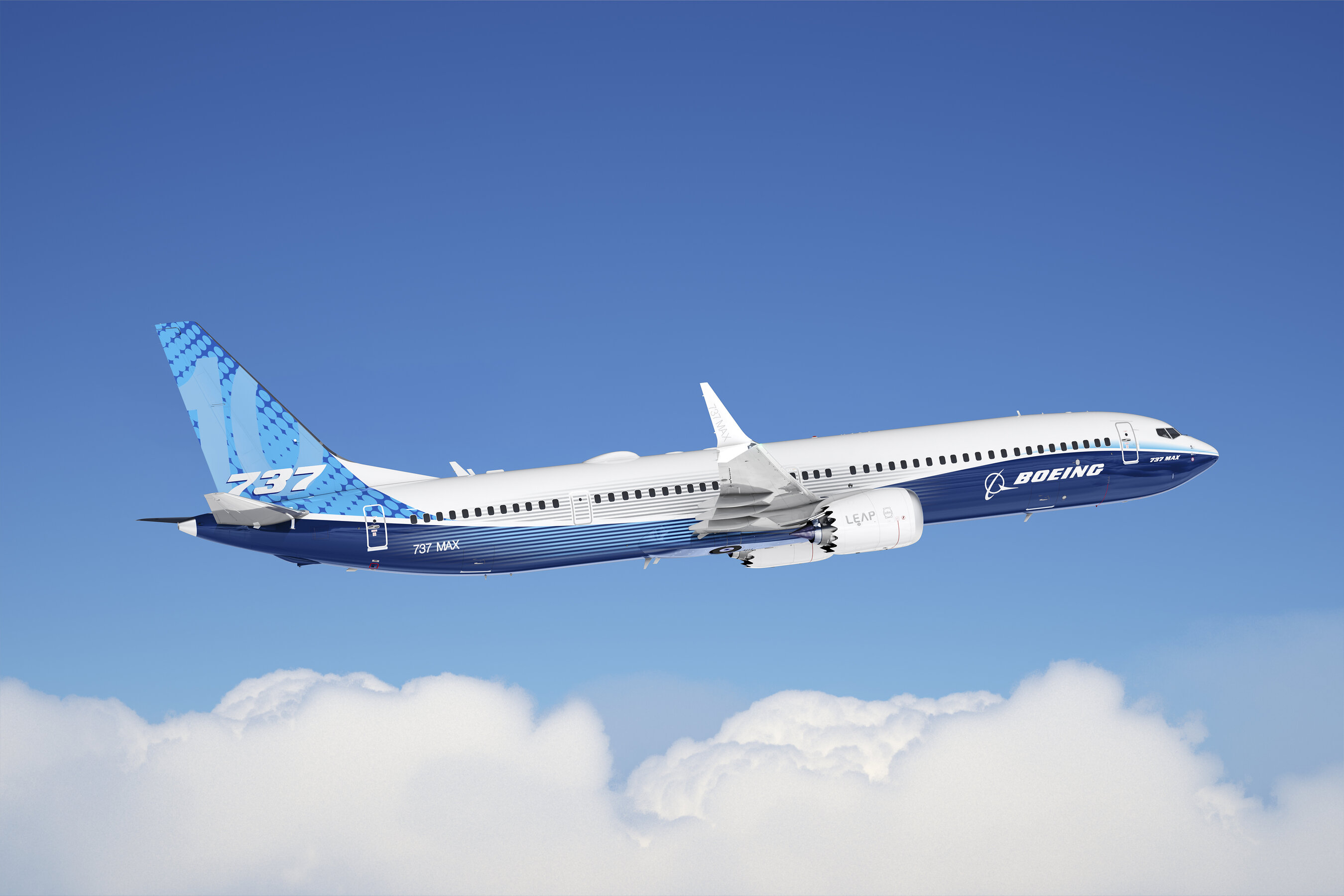
Landmark Boeing Order: Avolon has finalized an order for 140 Boeing 737 MAX 10 aircraft, marking the largest 737 MAX purchase ever placed by an aircraft lessor.
FAA Certification Secured: The FAA certified the 737 MAX 10 on October 20, 2026, clearing the way for authorized production and commercial deliveries after years of development and regulatory delays.
Enhanced Safety Features: Certification incorporates additional safety improvements, including an upgraded angle-of-attack sensor system and enhanced flight-control protections.
Greater Capacity and Efficiency: The 737 MAX 10 can accommodate up to 230 passengers and offers a range of approximately 3,100 nautical miles, with Boeing claiming around 20% lower fuel consumption and CO₂ emissions compared with the aircraft it replaces.
Stronger Competition with Airbus: The certification strengthens Boeing's challenge to the Airbus A321neo in the high-capacity single-aisle market, while Avolon's order increases its outstanding 737 MAX commitments to more than 240 aircraft.
Boeing has confirmed that aircraft leasing giant Avolon has finalized its purchase of 140 Boeing 737-10 aircraft, marking the largest 737 MAX order ever placed by an aircraft lessor. Announced on Wednesday, November 4, 2026,
Major aircraft leasing agreement strengthens Boeing's position in the large single-aisle market as FAA approval clears the way for production and commercial d 2026.
The certification ended a lengthy development and regulatory approval process, clearing the way for Boeing to begin producing and delivering the largest member of its single-aisle 737 MAX family.
The order was initially announced by Avolon on October 9 as part of a wider commitment for 250 new-generation aircraft from Boeing and Airbus. At that time, the Boeing portion was identified as 140 737 MAX aircraft without specifying the variant. The latest announcement confirms that all 140 will be the 737-10.
The finalized transaction increases Avolon's outstanding Boeing 737 MAX commitments to more than 240 aircraft, significantly expanding its future delivery pipeline.
According to Boeing, aircraft lessors have placed firm orders for more than 230 737-10 aircraft during 2026. This represents a fivefold increase compared with the lessor backlog for the variant at the end of 2025.
The development highlights growing interest among aircraft leasing companies in higher-capacity, fuel-efficient single-aisle aircraft.
For Avolon, the agreement provides additional capacity to serve airlines seeking to expand operations, replace older aircraft and improve fleet economics.
The lessor believes the 737-10's combination of passenger capacity, operating economics and compatibility with the wider 737 family makes it an attractive asset for airline customers across different markets.
Avolon CEO Andy Cronin said the agreement strengthens the company's long-term delivery pipeline and its ability to support airline growth and fleet renewal into the next decade.
The FAA issued an amended type certificate for the 737-10 on October 20, confirming that the aircraft meets applicable design and safety requirements. The agency also updated Boeing's Production Limitation Record, authorizing aircraft production.
The certification followed an extensive testing and evaluation programme involving nearly 1,000 test flights, more than 2,000 flight hours and approximately 1,000 hours of ground testing, according to Boeing.
An important aspect of the approval is the incorporation of additional safety improvements required under the 2020 Aircraft Certification, Safety, and Accountability Act and recommendations from the National Transportation Safety Board (NTSB).
These include enhancements to the aircraft's flight-control system and an upgraded angle-of-attack (AoA) sensor.
The enhanced angle-of-attack system is particularly significant because it introduces additional improvements to the information and protections associated with monitoring aircraft pitch and preventing erroneous sensor inputs from compromising flight-control functions.
Boeing has confirmed that the enhanced system will become standard across the 737 MAX family.
The certification delivers several important benefits extending beyond Boeing's ability to begin commercial deliveries.
1. Unlocking Aircraft Production and Deliveries
The FAA approval removes the principal U.S. certification barrier preventing the 737-10 from entering commercial service. Boeing can now proceed with authorized production and deliveries, allowing airlines and lessors to advance fleet introduction plans.
2. Strengthening Aviation Safety Requirements
The certification incorporates enhanced safety features, including the upgraded angle-of-attack sensor system. It also demonstrates compliance with more comprehensive certification requirements covering safety assessments, human factors and design assurance.
3. Improving Airline Capacity and Economics
With a maximum seating capacity of 230 passengers and a range of approximately 3,100 nautical miles (5,740 kilometres), the 737-10 provides airlines with greater passenger capacity without moving into widebody operations.
Boeing says the aircraft offers the lowest seat cost in its single-aisle category and approximately 20% lower fuel consumption and CO₂ emissions compared with the aircraft it replaces. These figures are manufacturer claims and depend on operating configuration and comparison aircraft.
4. Supporting Fleet Commonality
The 737-10 shares the broader 737 MAX family architecture, offering airlines already operating MAX aircraft potential advantages in fleet management, maintenance, training and operational planning.
Commonality can help reduce the complexity associated with introducing another aircraft type, although differences in aircraft configuration and operating procedures remain relevant.
5. Strengthening Boeing's Competitive Position
Certification allows Boeing to compete more effectively in the high-capacity single-aisle market, particularly against the Airbus A321neo.
The approval also provides greater certainty for airlines, leasing companies and investors that have committed to the aircraft, following years of certification delays.
The 737-10 is the largest member of Boeing's 737 MAX family and has been developed to serve high-density short- and medium-haul markets.
Its principal specifications include:
| Specification | Boeing 737-10 |
|---|---|
| Maximum seating capacity | 230 passengers |
| Typical two-class capacity | 185–210 passengers |
| Maximum range | 3,100 nautical miles |
| Range in kilometres | 5,740 km |
| Aircraft category | Single-aisle |
| Principal competitor | Airbus A321neo |
| Fuel consumption and CO₂ improvement | Approximately 20% (Boeing claim) |
The aircraft offers airlines an opportunity to increase passenger capacity on busy routes while retaining the operational characteristics of a narrowbody fleet.
For airlines operating the 737 MAX 8 and MAX 9, the 737-10 also provides an opportunity to increase capacity within an established aircraft family.
The certification is strategically important for Boeing's competition with Airbus in the large single-aisle aircraft market.
The Airbus A321neo has benefited from the prolonged development and certification delays affecting the 737 MAX 10, allowing Airbus to strengthen its position in this segment.
The 737-10 is intended to compete for airlines seeking higher passenger capacity, improved seat economics and lower operating costs.
Its maximum capacity of 230 passengers places it directly in the high-density segment occupied by the A321neo, although actual airline configurations and route economics will determine how the aircraft compete.
According to Boeing, the 737-10 provides more range than competing aircraft without auxiliary fuel tanks and offers the lowest seat cost in its category.
Although FAA certification is a major breakthrough, regulatory approval in other jurisdictions remains important for international operations.
Reuters reported on October 20 that Boeing expected certification by Transport Canada and the European Union Aviation Safety Agency within the following months.
The first 737 MAX 10 delivery to Canadian carrier WestJet was expected in early 2027, subject to the necessary additional regulatory approvals.
The distinction is important for leasing companies such as Avolon, whose customers operate across multiple international markets.
The combination of FAA certification and Avolon's 140-aircraft commitment represents a significant step forward for the 737 MAX 10 programme.
For Boeing, the agreement provides additional commercial momentum for an aircraft that accounts for more than 30% of the 737 MAX programme's order book, according to the manufacturer.
For Avolon, the order strengthens its position in the aircraft leasing market and expands its ability to offer airlines modern, higher-capacity single-aisle aircraft.
With more than 230 firm 737-10 orders placed by lessors during 2026, the market is demonstrating growing confidence in the aircraft's future commercial potential.
The challenge now shifts from certification to production execution, delivery schedules and the successful introduction of the aircraft into airline fleets.
The FAA's approval has opened the door for Boeing's largest 737 MAX aircraft. Avolon's landmark order demonstrates that the commercial opportunity could be substantial.
FL360aero note: FAA certification, production authorization and approval by other national aviation regulators are distinct regulatory milestones. The article reflects information available on November 4, 2026.


.jpg)