

The Traffic Alert and Collision Avoidance System (TCAS) prevented a potentially serious loss of separation between an Iberia Airbus A321 and an Air Europa Boeing 787-9 operating in opposite directions within the oceanic airspace of the Canary Islands Flight Information Region (FIR) during the early hours of July 10.
The event, identified as IN-017/2026, ended safely after both aircraft responded to coordinated TCAS Resolution Advisories (RAs), restoring separation without injuries or damage. Details of the incident were published on July 17 by Spain's Independent Professional Union of Air Traffic Controllers (SPICA), which has called for a technical investigation into the circumstances that led to the conflict.
Although the incident concluded without consequence, it highlights the importance of layered safety systems in oceanic airspace, where traffic management differs significantly from radar-controlled continental environments.
According to information released by SPICA, the incident occurred at 01:23 UTC on July 10, 2026.
At the time, Iberia flight IBE0140, operated by an Airbus A321 (EC-OLE), was cruising northeast at Flight Level 360 (36,000 feet) along airway N857, between the reporting points ETIBA and BIPET, within the oceanic sector of the Canary Islands FIR/UIR, managed by Spain's air navigation service provider ENAIRE.
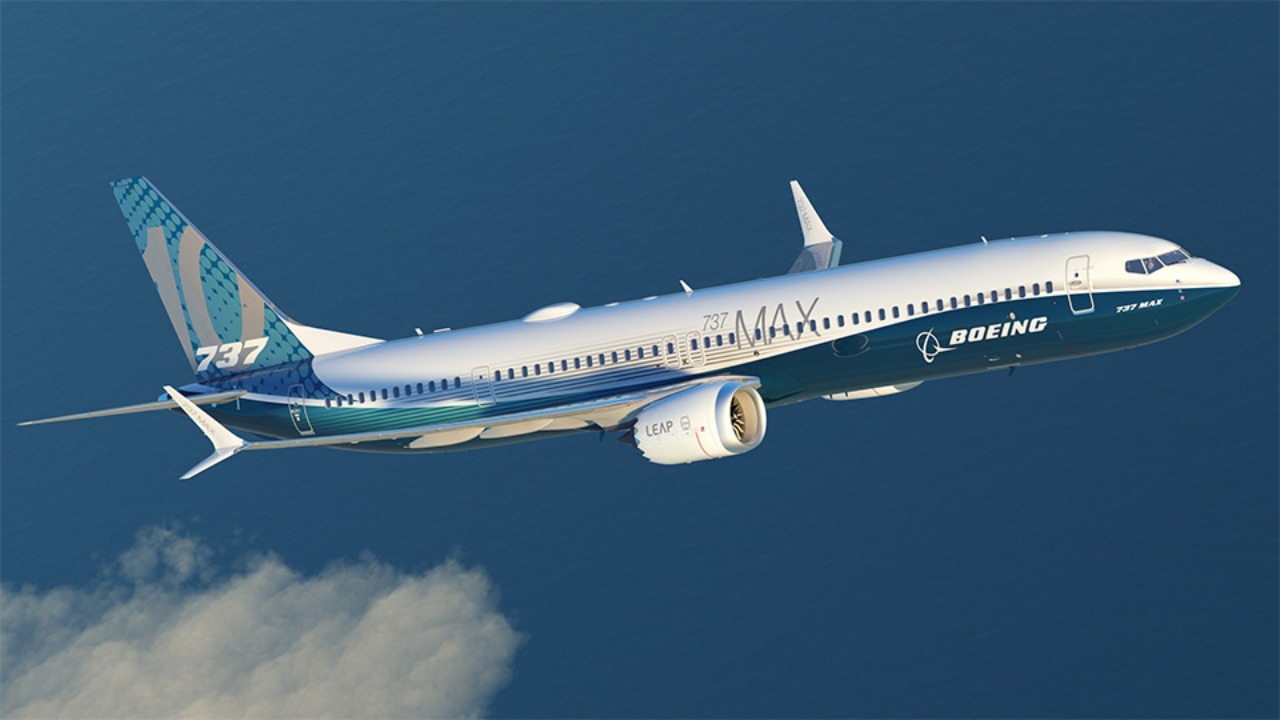
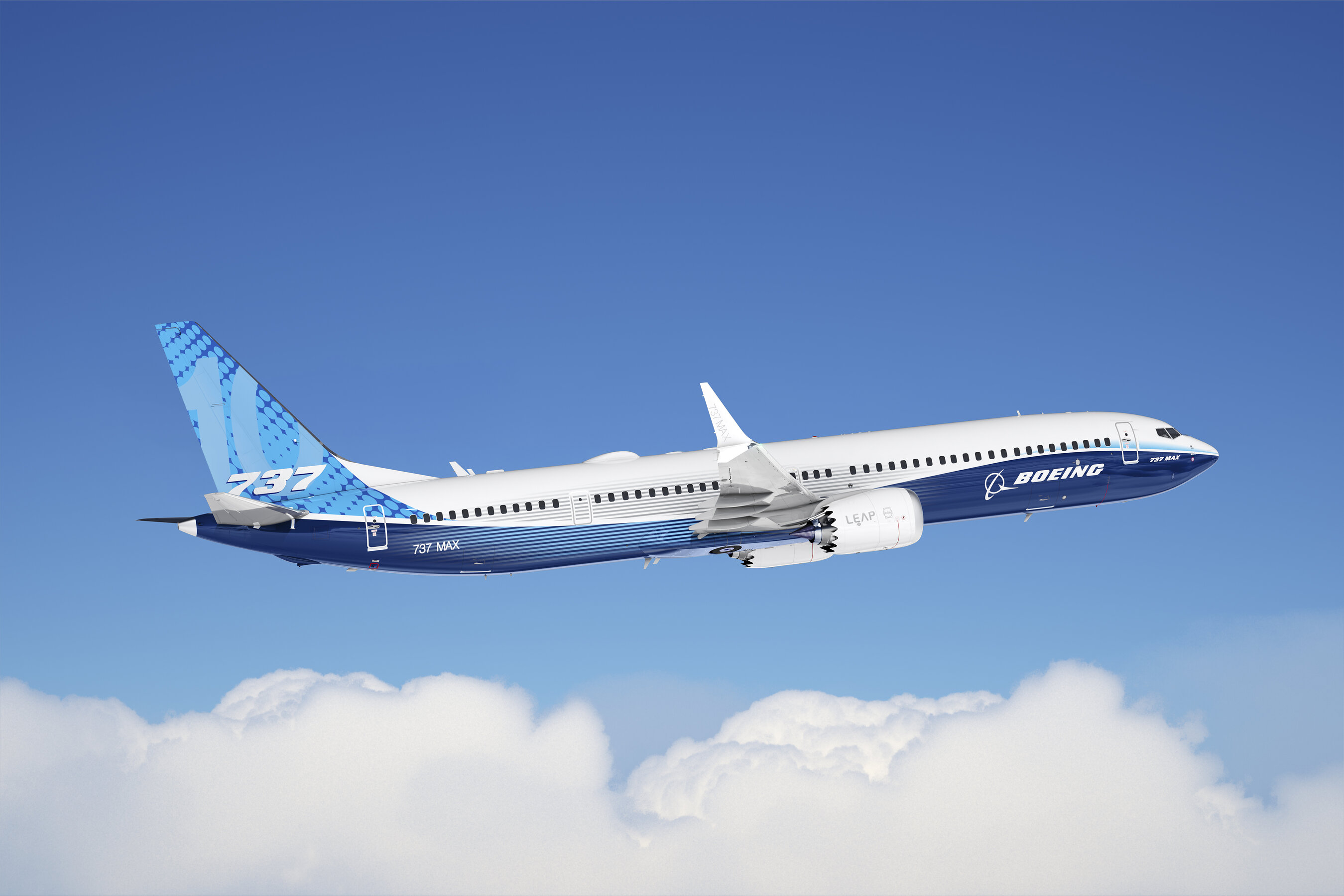
At the same moment, an Air Europa Boeing 787-9 (EC-NBM), operating under the callsign AEA05, was flying along the same airway at the same altitude but in the opposite direction.
The opposing traffic created a conflict that ultimately triggered the aviation industry's final airborne safety net.
The Iberia crew first received a Traffic Advisory (TA), warning them of nearby conflicting traffic.
Seconds later, the onboard system escalated the warning to a Resolution Advisory, instructing the crew to descend with the command "TCAS RA DESCEND."
Simultaneously, the Boeing 787 received the complementary advisory "TCAS RA CLIMB," directing its crew to initiate a climb.
This coordinated response is one of TCAS's defining features. Both aircraft automatically exchange surveillance data through their transponders, allowing the systems to generate complementary vertical escape maneuvers that ensure the aircraft do not respond in the same direction.
According to SPICA, the Airbus descended approximately 500 feet before receiving a "LEVEL OFF" command, while the Boeing climbed around 400 feet. Once adequate vertical separation had been re-established, both crews received the "CLEAR OF CONFLICT" message and resumed their planned flight profiles.
The flights continued to their destinations without further incident.
The Traffic Alert and Collision Avoidance System (TCAS) represents one of the most critical safety barriers in commercial aviation.
Mandated on most passenger transport aircraft under international regulations established by the International Civil Aviation Organization (ICAO) and the European Union Aviation Safety Agency (EASA), TCAS continuously monitors nearby transponder-equipped aircraft independently of air traffic control.
If the system predicts that standard separation may be lost, it automatically calculates coordinated vertical avoidance maneuvers for both aircraft involved. These Resolution Advisories take precedence over ATC instructions, and flight crews are required to follow them immediately.
TCAS has been credited with preventing numerous potential mid-air collisions since its widespread introduction and remains an essential component of modern aviation safety.
TCAS is designed as the last safety barrier in aviation. Normally, aircraft are kept safely apart through:
If TCAS has to issue a Resolution Advisory, it generally means that the earlier layers of separation were insufficient to maintain the required minimum separation. While TCAS interventions are uncommon, they are a normal part of the aviation safety system and are specifically designed for exactly this type of scenario.
The claim that the aircraft came within three meters of colliding is highly questionable.
When TCAS issues a Resolution Advisory, the aircraft are typically still separated by:
Modern airliners closing head-on travel at a combined speed of around 900–1,000 mph (1,450–1,600 km/h), so a separation of just 3 meters would correspond to only a few thousandths of a second and would almost certainly result in a collision. Such a precise figure would require highly detailed flight data and is not consistent with how TCAS events are normally reported. Unless confirmed by an official investigation, that claim should be treated with caution.
While the successful TCAS response prevented the incident from escalating, SPICA argues that the event demonstrates a failure of the earlier safety barriers designed to prevent aircraft from entering such a situation in the first place.
Commercial aviation relies on multiple layers of protection, including flight planning, air traffic control clearances, sector coordination, conflict detection and the application of prescribed separation standards. TCAS is intended to intervene only when those earlier defenses have not prevented a conflict.
For that reason, the union believes the incident warrants a full technical investigation to establish how two commercial aircraft came to occupy the same airway, at the same flight level, while flying in opposite directions.
The occurrence also highlights the operational characteristics of the Canary Islands Oceanic FIR, a strategically important region linking Europe, Africa and the Americas.
Unlike continental airspace, where aircraft are typically monitored using continuous radar surveillance, oceanic sectors often rely on a combination of surveillance technologies, procedural control and position reporting.
As a result, maintaining safe separation depends heavily on accurate coordination between air traffic control units, reliable flight position estimates and the application of procedural separation standards that are generally greater than those used in radar-controlled airspace.
These operational differences make robust coordination between controllers, flight crews and air navigation service providers particularly important for maintaining high levels of safety.
Following the event, SPICA renewed its call for the re-establishment of an independent body dedicated to the analysis of air traffic service (ATS) incidents in Spain.
The union argues that the dissolution of the Commission for the Study and Analysis of Air Traffic Incident Reports (CEANITA) under Royal Decree 1088/2020 created a gap in the collaborative investigation of operational occurrences.
Before its final meeting in January 2021, CEANITA had operated for decades as a multidisciplinary forum bringing together air traffic controllers, pilots, air navigation service providers and government representatives to review incidents, compile statistics and recommend safety improvements.
According to the report:
The goal would be to determine why both aircraft ended up on the same airway at the same flight level while traveling in opposite directions and whether the cause was a human error, a procedural issue, a coordination problem, or another factor.
The fact that TCAS worked exactly as designed and both crews followed its instructions is a positive outcome. Even though the event appears serious, the aviation safety system successfully prevented a collision, and an investigation would focus on understanding why the earlier layers of separation did not prevent the conflict from developing.
SPICA contends that the responsibilities previously carried out by CEANITA are now handled through internal processes within the Spanish Aviation Safety and Security Agency (AESA) and expert working groups, which the union considers less transparent and less inclusive.
The organization is therefore calling for the creation of a new independent ATS incident review body that would encourage operational information sharing, publish regular safety findings and reinforce the principles of Just Culture—an internationally recognized approach that promotes learning from operational errors without adopting a punitive mindset.
SPICA also noted that Spain's professional pilots' union SEPLA and the Official College of Commercial Aviation Pilots (COPAC) previously expressed similar concerns following CEANITA's abolition.
Should an official investigation be opened, it is expected to examine the sequence of air traffic control clearances, sector coordination procedures and surveillance data to determine how the conflict developed and whether procedural or systemic improvements are required to prevent a recurrence.
You may like to read.....

.jpg)