
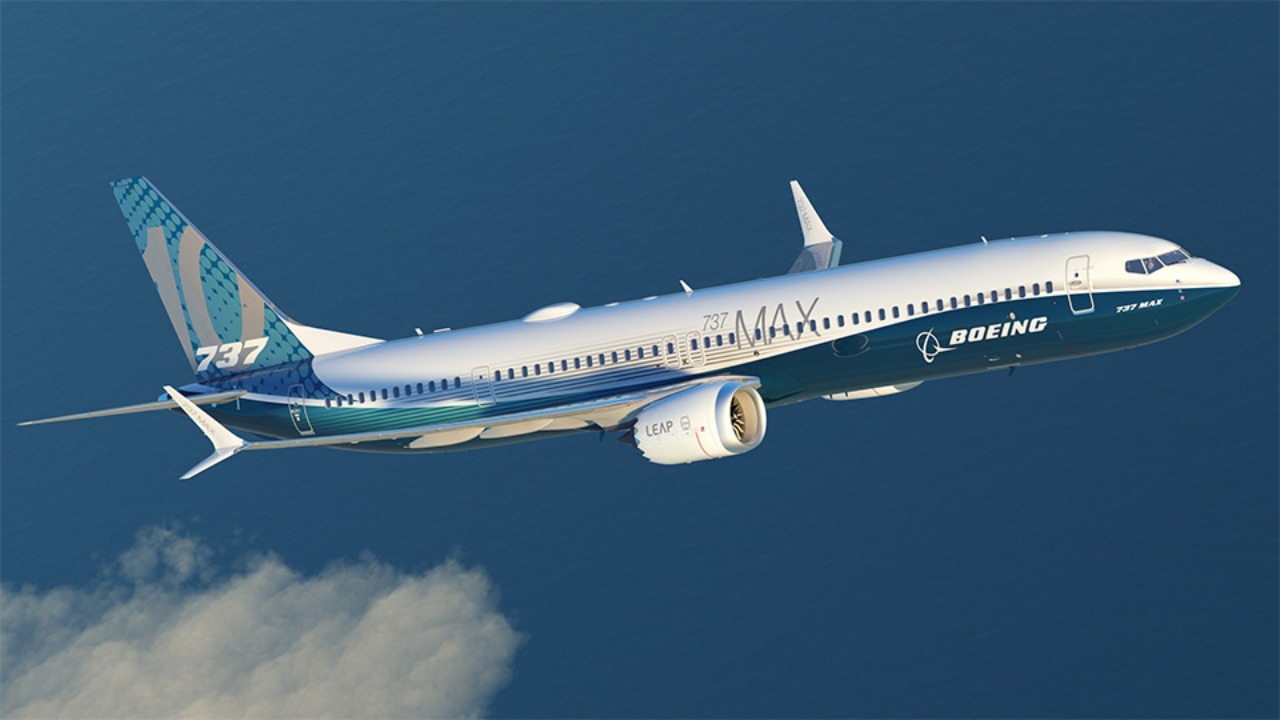
FAA clearance: On October 2, 2026, the FAA determined that the 737 MAX software glitch does not pose a flight-safety concern.
Technical issue: The anomaly can cause VNAV to disengage following certain missed-approach procedures and flight-path modifications.
First reported in 2024: WestJet pilots identified the problem during a validation flight and reported it to Boeing.
MAX 7 implications: The smaller MAX variant received certification in August despite using the affected software.
MAX 10 certification: The FAA's decision removes a major obstacle, but certification is not yet guaranteed.
Corrective action: Boeing is developing a permanent software correction, while the FAA prepares operational guidance for airlines.
Ongoing oversight: The FAA says it may take further action if new information warrants it.
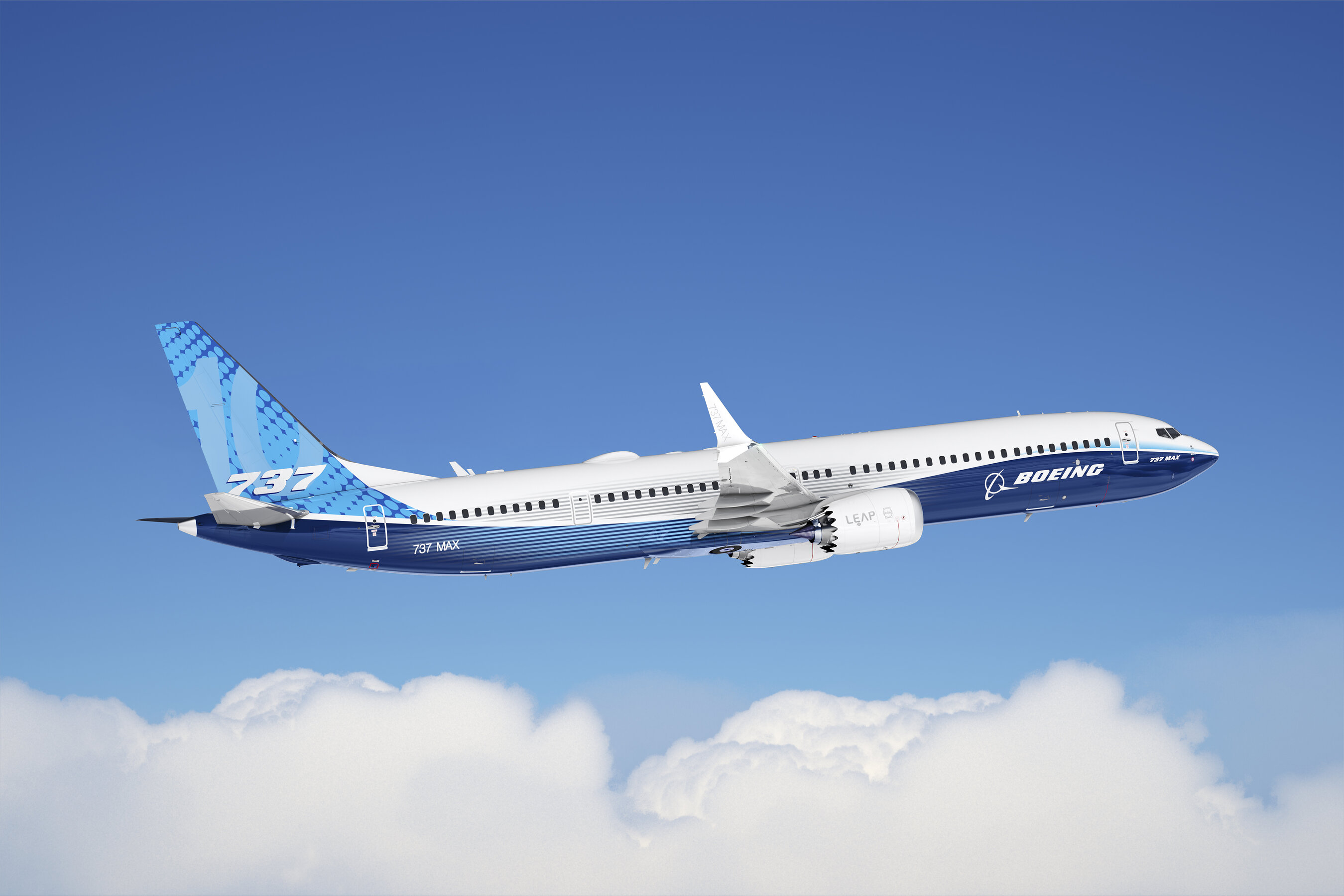
The U.S. Federal Aviation Administration (FAA) has determined that a newly identified software glitch affecting certain Boeing 737 MAX aircraft does not pose a flight-safety risk, potentially removing a major regulatory obstacle to the long-delayed certification of the Boeing 737 MAX 10, the largest member of the 737 MAX family.
The decision, announced on Friday, October 2, 2026, followed a detailed assessment by the FAA's Corrective Action Review Board (CARB), which examined the software behavior and its potential effects on flight operations. The review comes after Boeing disclosed the issue in September, prompting the FAA to investigate whether it represented a safety-of-flight concern.
"Following a thorough review, a panel of FAA safety experts on Friday determined a software issue in certain Boeing 737 MAX flight computers is not a safety concern," the agency said.
The FAA explained that its decision was based on the fact that pilots retain full control of the aircraft and receive clear and unambiguous cockpit indications when the software anomaly occurs.
The review board included specialists in aircraft structures, flight controls, propulsion systems, flight testing and other aviation safety disciplines. The FAA said it would issue a special bulletin to airlines outlining how flight crews can recognize and respond to the condition.
Boeing previously explained that the software issue could emerge following a missed approach, also known as a go-around, when pilots modify a preprogrammed flight path before attempting another landing.
Under certain circumstances, the flight management computer may require crews to take additional steps to restore or use automated navigation functions during a subsequent approach. Although the condition can affect the availability of certain automated tools, the FAA concluded that it does not compromise the pilots' ability to control the aircraft.
The agency also emphasized that it would consider further regulatory action if new information emerged.
The software anomaly has a longer history than its public disclosure in September 2026.
2020 — Software version introduced: Boeing began delivering 737 MAX aircraft equipped with Flight Management System (FMS) Update 14.0, which later became associated with the navigation anomaly.
2022 — Updated software deployed: Version U14.1 followed, and the issue affected the software versions used in certain MAX aircraft.
November 2024 — WestJet identifies the anomaly: During an entry-into-service validation flight, WestJet pilots encountered the VNAV problem and reported it to Boeing, providing supporting data.
February 2025 — Boeing evaluates the issue: Boeing assessed the reported software behavior and initially concluded that it did not meet the criteria for a formal safety evaluation.
August 2026 — Boeing informs operators: Following additional operator feedback, Boeing circulated information about the issue in its fleet digest. The disclosure came shortly after the FAA certified the 737 MAX 7, which uses the affected software.
September 2026 — FAA launches a formal review: Reports of the software problem became public on September 26. Boeing confirmed that it had informed operators, while the FAA announced a Corrective Action Review Board assessment.
September 28–29, 2026 — MAX 10 certification delayed: FAA Administrator Bryan Bedford said certification of the MAX 10 would be held until the agency had completed its safety assessment. Meanwhile, Boeing worked with airlines on interim procedures and software solutions.
October 2, 2026 — FAA determines no safety concern: The FAA's review board concluded that pilots retain control and receive clear cockpit indications. The agency announced plans to issue operational guidance to airlines.
The issue involves the flight management computer (FMC) and its interaction with the aircraft's vertical navigation system, or VNAV.
Under a specific sequence of events, the anomaly can occur when:
The aircraft is conducting a precision instrument approach with the autopilot engaged.
The flight crew initiates a go-around or missed approach.
Pilots subsequently modify the preprogrammed flight path in the flight management computer.
The software causes VNAV to disengage, potentially leaving the crew with a less sophisticated automated pitch-control mode.
VNAV is used to manage the aircraft's vertical flight profile, including climb and descent guidance. Its unexpected disengagement can increase pilot workload during an already demanding phase of flight.
The condition does not mean the aircraft loses all automation or becomes uncontrollable. Pilots can continue flying manually and use the available flight-control modes. Boeing has also been working with operators on procedures to restore automated VNAV functionality when necessary.
The FAA's determination has important implications for two aircraft at different stages of the certification process.
The 737 MAX 7, the smallest variant in the family, received FAA certification in August 2026 despite using the software versions associated with the issue. The subsequent review therefore also drew attention to the regulatory assessment of the aircraft's software configuration.
The 737 MAX 10, meanwhile, is the largest variant and has experienced years of certification delays. The software investigation emerged just as the aircraft was approaching the final stages of its certification process.
The FAA's October 2 finding removes the specific safety concern that had prompted the latest certification hold. However, it does not constitute automatic certification of the MAX 10. The aircraft must still satisfy the remaining regulatory requirements before entering commercial service.
Boeing has more than 1,500 orders for the MAX 10, making the aircraft an important part of its future narrow-body production and delivery plans. Airlines including Alaska Airlines and Ryanair have been awaiting the aircraft for fleet expansion and capacity planning.
Several major U.S. airlines have indicated that their in-service MAX fleets do not use the affected software configuration. Some carriers have also arranged to receive new aircraft with earlier software versions to avoid the issue.
Boeing has been working on a permanent software correction while coordinating with airlines on interim operating procedures. Aviation Week reported that the manufacturer has also been rolling back software on certain aircraft to maintain deliveries while addressing the issue.
GE Aerospace, which developed the relevant software, has also been cooperating with Boeing and the FAA during the review.
The FAA's planned special bulletin is intended to help flight crews identify the anomaly and respond appropriately should it occur. The agency has left open the possibility of further action if new evidence changes its assessment.
The latest software issue arrives against the backdrop of the 737 MAX program's history of major safety and manufacturing challenges.
The two fatal crashes involving Lion Air Flight 610 in October 2018 and Ethiopian Airlines Flight 302 in March 2019 led to the worldwide grounding of the 737 MAX fleet. Investigations identified problems associated with the Maneuvering Characteristics Augmentation System (MCAS), including how the system relied on sensor inputs and how pilots were informed about its operation.
The aircraft returned to service following software modifications, revised pilot training and regulatory reviews. However, Boeing continued to face production-quality scrutiny, particularly after the January 2024 Alaska Airlines Flight 1282 incident, in which a door plug separated from a 737 MAX 9 shortly after takeoff.
The current VNAV issue is technically distinct from the MCAS failures and the door-plug incident. The FAA's latest assessment specifically addresses the newly identified flight-management software behavior rather than the broader safety record of the aircraft manufacturer.
For Boeing, the October 2 decision is a significant regulatory development. It removes a major issue from the immediate MAX 10 certification process, while the permanent software correction, operational guidance and remaining certification requirements continue to require attention.

.jpg)