
.jpg)
Biman Bangladesh Airlines has signed a firm agreement with Airbus for 10 new-generation aircraft, marking a major step in the Bangladeshi flag carrier’s fleet-modernisation programme and giving the airline its first Airbus aircraft in more than a decade.
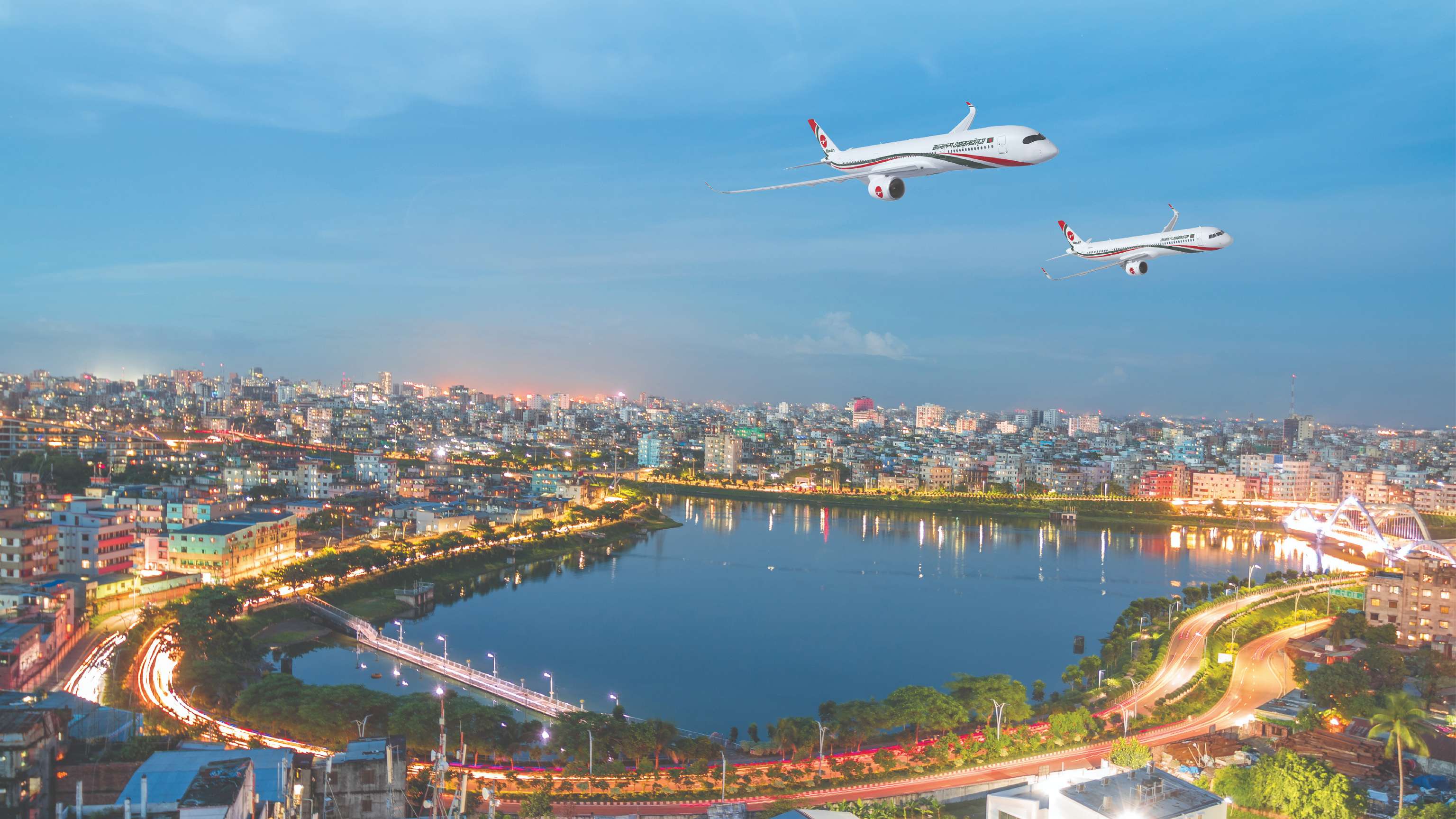
The agreement, signed in Dhaka on October 7 under the theme “Spreading Our Wings Together,” covers four Airbus A350-900 widebody aircraft and six A321neo single-aisle jets.
Biman Chairman Rumee A. Hossain and Airbus India and South Asia President and Managing Director Jürgen Westermeier signed the agreement. Civil Aviation and Tourism Minister M Rashiduzzaman Millat and State Minister for Foreign Affairs Humaiun Kobir witnessed the signing.
The financial value of the Airbus agreement was not disclosed. The delivery schedule is also yet to be finalised, although Bangladeshi officials had previously indicated that deliveries could begin around 2033, continuing through 2036 or 2037.
The four A350-900s are intended to provide Biman with additional long-haul capability as the airline seeks to expand its international network.
The aircraft will support Biman’s ambitions to strengthen connectivity between Dhaka and major markets in Europe, the Middle East and North America, while providing additional range and fuel efficiency compared with older-generation widebody aircraft.
The A350-900 is particularly suited to Biman’s long-haul ambitions because of its combination of range, passenger capacity and operating efficiency. It would also give the airline a new-generation widebody platform alongside its existing Boeing 777 and 787 fleet.
Biman Chairman Rumee A. Hossain described the planned expansion as a measured response to Bangladesh’s large population, economic growth and extensive overseas diaspora.
Bangladesh has a particularly large international travel market because millions of Bangladeshi citizens and expatriates live and work abroad, especially in the Middle East and Southeast Asia. Rising trade and cargo demand could also create additional opportunities for the airline.
The six A321neo aircraft will provide Biman with a new-generation single-aisle platform for regional and medium-haul operations.
The type could allow the carrier to increase frequencies to destinations across South and Southeast Asia, the Middle East and other markets where a widebody aircraft may not be economically optimal.
The A321neo also gives Biman greater flexibility to match capacity with demand while reducing fuel consumption compared with older-generation aircraft.
Together, the A350-900 and A321neo give Biman a combination of long-range and regional capabilities that Airbus believes can support the carrier’s planned international expansion.
.jpg)
The Airbus agreement follows an unusually large series of Boeing commitments by Biman during 2026.
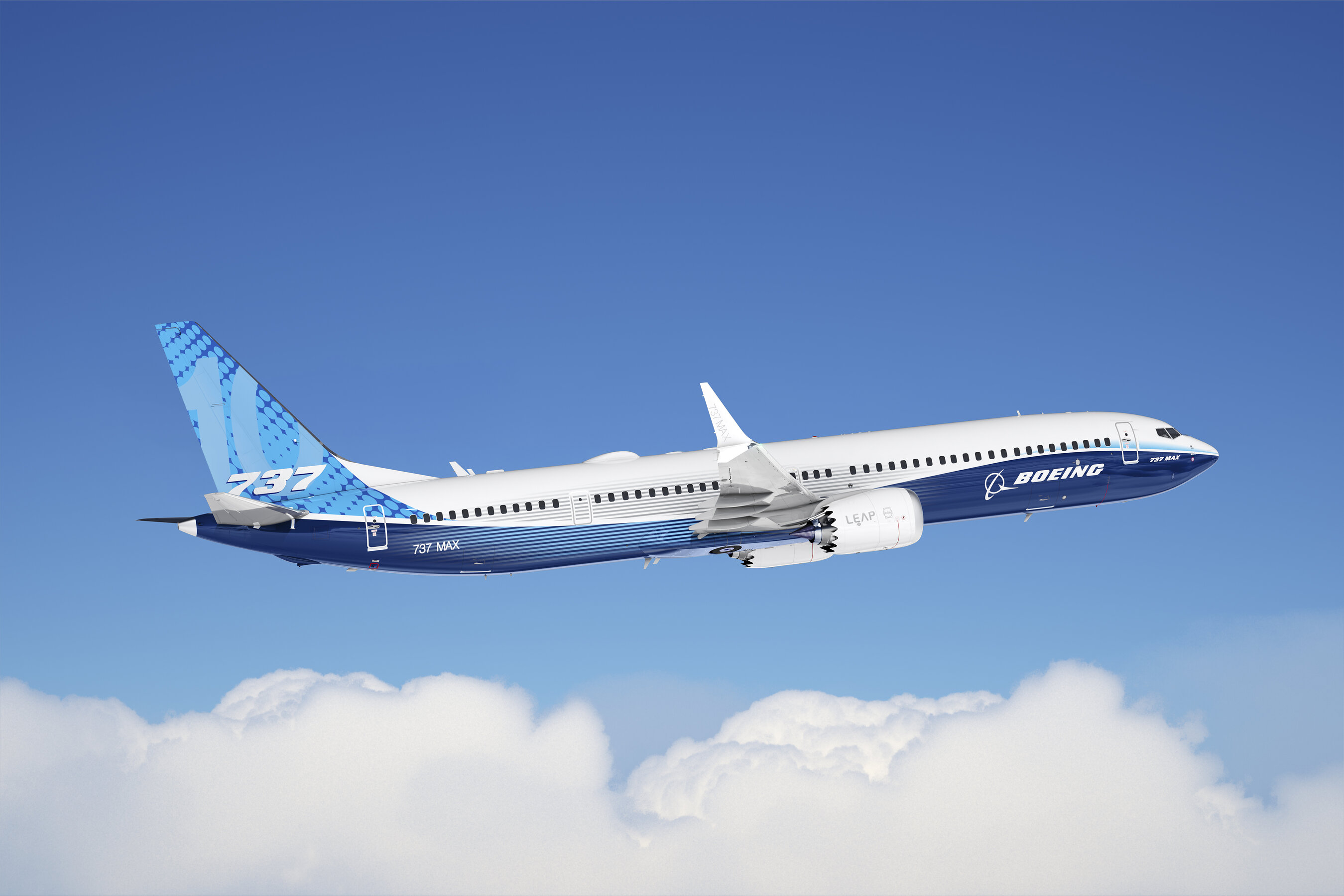
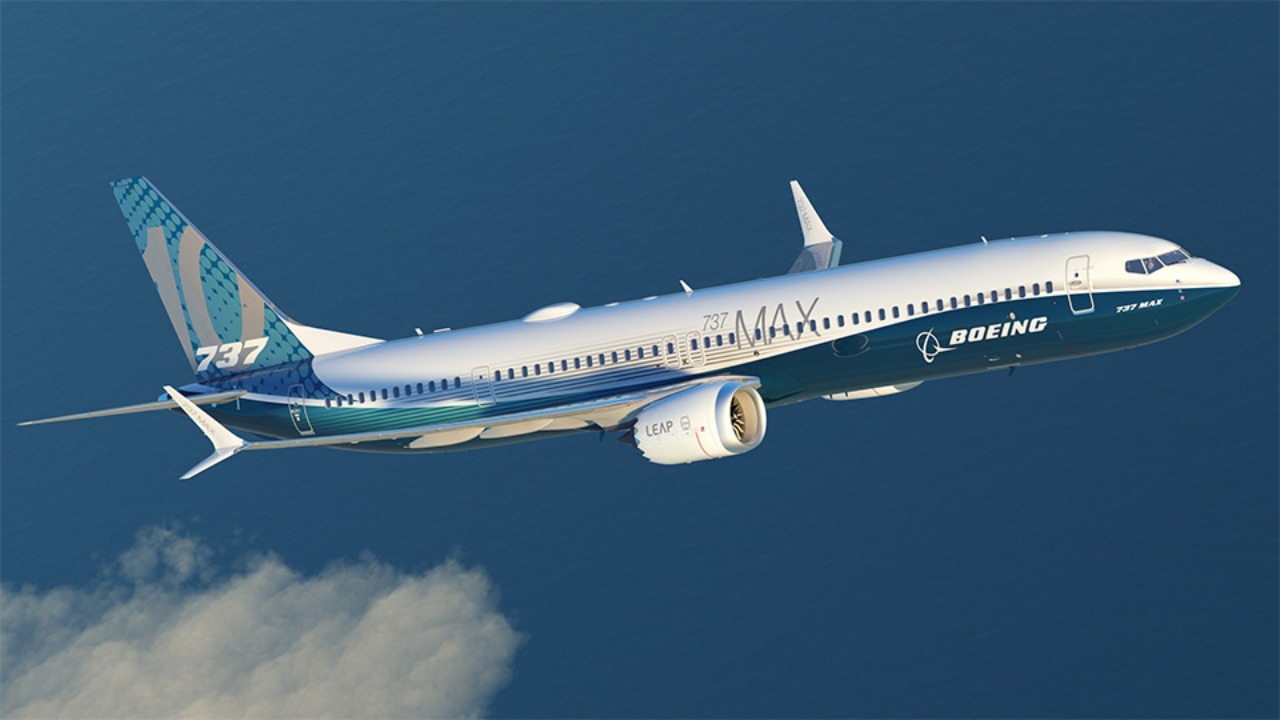
In April 2026, Biman placed its largest-ever Boeing order, selecting 14 aircraft comprising eight Boeing 787-10s, two 787-9s and four 737-8s.
The April agreement was valued at approximately $3.7 billion, according to Bangladeshi reports.
The 787-10s were selected for high-demand international routes, including services to the Middle East, while the 787-9s were intended to support longer-haul operations to markets including Europe and North America. The 737-8s represented Biman’s first order for the 737 MAX family and were aimed at regional markets.
Biman then expanded the Boeing commitment in September, signing an agreement for another 11 aircraft: five Boeing 787-10 Dreamliners and six 737-8s.
That brought Biman’s Boeing acquisition programme to 25 aircraft:
The September agreement was signed in New York on the sidelines of the 81st United Nations General Assembly and was presented as part of Bangladesh’s wider effort to strengthen its economic and aviation relationship with the United States.
With the Airbus agreement now signed, Biman’s announced long-term acquisition pipeline has reached 35 aircraft — 25 from Boeing and 10 from Airbus.
The programme represents a substantial transformation for an airline that currently operates only around 19 aircraft.
Biman’s present fleet comprises four Boeing 777-300ERs, four Boeing 787-8s, two Boeing 787-9s, four Boeing 737-800s and five Dash 8-400s.
The airline therefore remains heavily dependent on Boeing aircraft, with the Airbus agreement set to introduce the A350 and A321neo into its fleet.
The government has also been pursuing a short-term capacity solution by seeking to lease up to 10 aircraft by 2027, bridging the gap between current capacity and the arrival of the newly ordered aircraft.
The Airbus agreement also represents a return to the manufacturer whose aircraft previously formed part of Biman’s international fleet.
Biman acquired two Airbus A310-300s in 1996, making Airbus an important part of the airline’s fleet during the late 1990s and 2000s.
The A310s eventually left the fleet as Biman moved toward a predominantly Boeing-based modernisation strategy. Boeing 777-300ERs began joining the airline in 2011, followed by Boeing 787 Dreamliners and additional 737 aircraft.
Biman’s return to Airbus therefore comes after a gap of more than a decade and marks a major shift toward a mixed Boeing-Airbus fleet strategy.
The scale of Biman’s planned expansion has also prompted questions about whether the airline’s operational infrastructure can grow quickly enough.
Aviation experts have warned that acquiring 35 new aircraft is only one part of the modernisation process. Biman will also need to expand its pool of pilots, cabin crew, engineers and maintenance personnel, while investing in training, simulators, hangars, parking facilities, ground handling and other airport infrastructure.
Biman currently has more than 200 pilots and around 600 cabin crew, but the requirements will increase substantially as new aircraft enter service.
Training is particularly important because the airline will introduce entirely new aircraft types. Pilots, engineers and maintenance personnel will need type-specific training, while new simulators and support equipment may also be required.
The arrival of Airbus aircraft will add another layer of complexity because Biman has traditionally operated a predominantly Boeing fleet. The airline will need to establish the appropriate Airbus maintenance, technical-support and training ecosystem alongside its existing Boeing infrastructure.
One of the biggest challenges will be synchronising fleet expansion with actual demand and operational readiness.
The Boeing aircraft are scheduled to arrive from the early 2030s, while the Airbus deliveries have also been discussed on a similar long-term timeframe.
That means Biman could face a significant capacity gap in the years before the new aircraft arrive. The government’s plan to lease aircraft in the interim is intended to address part of that problem.
The long lead time, however, gives Biman an opportunity to prepare its workforce and infrastructure before the new-generation aircraft arrive.
The combined Boeing and Airbus fleet strategy could significantly alter Biman’s international network.
The airline has identified North America as one of the key markets for future expansion. Additional long-range 787 and A350 aircraft could provide the capacity required for new or resumed services to destinations in North America while also supporting growth in Europe and the Middle East.
The A321neo fleet could complement the widebody aircraft by serving shorter international sectors at lower capacity and operating cost.
This would allow Biman to build a more flexible network around Dhaka rather than relying primarily on large widebody aircraft.
Biman’s latest Airbus agreement is therefore more than a simple aircraft purchase.
The combination of 25 Boeing aircraft and 10 Airbus aircraft represents the most ambitious fleet expansion in the airline’s modern history and could transform Biman from a relatively small Boeing-focused carrier into a substantially larger mixed-fleet international airline.
The challenge now is execution.
Biman must ensure that aircraft deliveries are matched by sufficient pilots, cabin crew, engineers, maintenance capability, airport infrastructure and financial discipline.
If those requirements are met, the A350-900 and A321neo — arriving alongside the 787 Dreamliners and 737 MAX aircraft — could provide Biman with the fleet flexibility needed to expand its international network and strengthen Dhaka’s position as a regional aviation hub.
You may like to read......