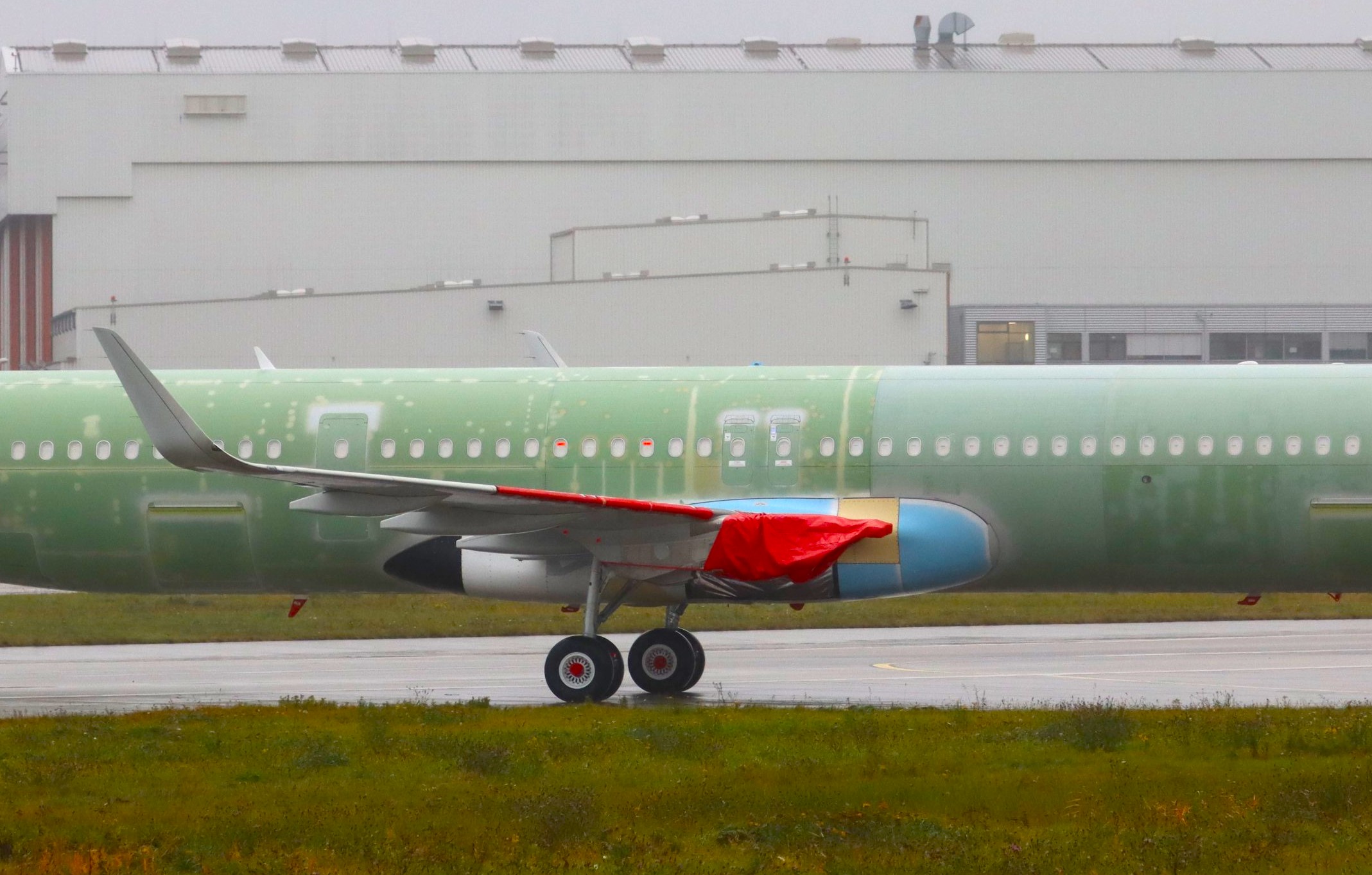

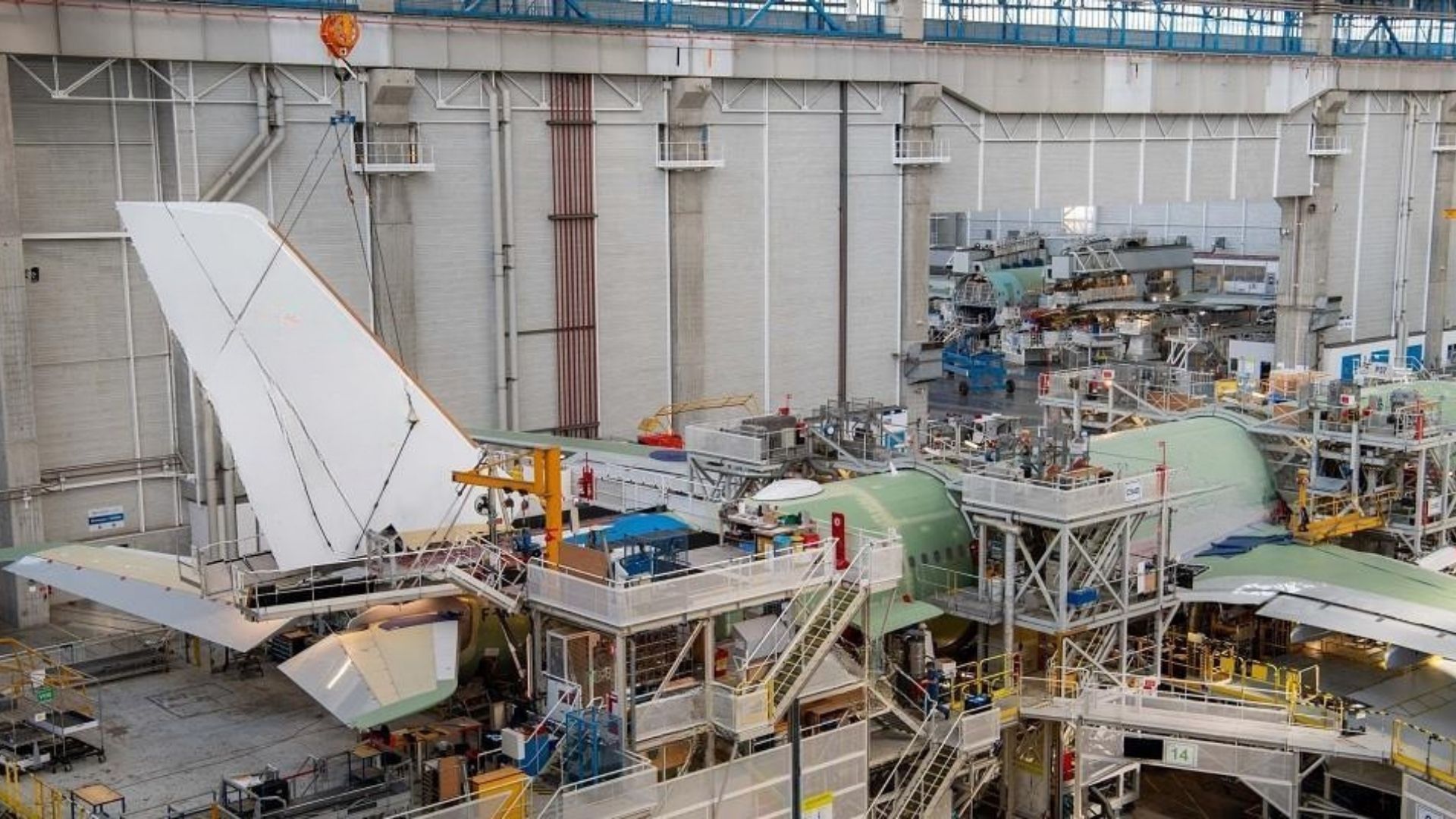
Airbus has temporarily slowed deliveries of its A330neo wide-body aircraft after a stray tool was discovered inside the horizontal tail plane of an aircraft undergoing production, triggering additional inspections across A330 aircraft in the production system.
The issue was first reported by Bloomberg on September 3, with Airbus confirming that it had identified an “isolated quality issue” involving an A330 horizontal tail plane. The company said the root cause has been identified and that A330 deliveries have now resumed.
The production-quality issue had a significant effect on A330 handovers during the summer.
According to Reuters, Airbus delivered no A330 aircraft in June or July 2026, while only one A330 was delivered in August, out of 57 Airbus commercial aircraft handed over during the month.
The disruption was linked to inspections of A330 aircraft already in the production process after the foreign object was discovered during a pre-delivery inspection.
The affected component is the aircraft's horizontal tail plane, or horizontal stabilizer, which provides longitudinal stability and carries the elevators used to control pitch. Airbus manufactures the A330 horizontal tail plane at its facilities in Spain.
Airbus has stressed that the problem was isolated and was not related to the recent industrial action at its Spanish plants. The company has now identified the root cause and restarted A330 deliveries.
The discovery highlights a longstanding manufacturing and maintenance concern across aviation: Foreign Object Damage/Debris (FOD).
Tools, fasteners, rags or other objects inadvertently left inside an aircraft structure can potentially cause damage or interfere with aircraft systems. In this case, the object was discovered before the aircraft was delivered to an airline, allowing Airbus to investigate and inspect aircraft still within its production system.
The response also illustrates why manufacturers increasingly use enhanced tool-control systems, including RFID and connected tracking technologies, to verify that tools and equipment are accounted for during aircraft assembly and maintenance.
The A330 situation comes after several years in which Airbus has faced a combination of supply-chain constraints, production bottlenecks and quality-control issues.
In 2024, Airbus repeatedly struggled with shortages of engines, parts and labour. Reuters reported that the company's supply chain accounts for as much as 80% of the content of an Airbus aircraft, extending through as many as nine supplier layers. Some component lead times had increased substantially, contributing to delays in aircraft production and deliveries.
Airbus subsequently lowered its 2024 delivery target from 800 to around 770 aircraft, citing supply-chain constraints. By September, deliveries remained behind the previous year's pace, raising questions about whether the company could recover the lost ground during the traditional year-end delivery surge.
Airbus also encountered a more recent industrial quality problem involving the A320 family.
In December 2025, Reuters reported that Airbus had discovered a manufacturing issue involving fuselage panels on several dozen A320-family aircraft. The problem affected aircraft that had not yet been delivered and resulted in some delivery delays.
The issue was subsequently linked to panels manufactured by Spanish supplier Sofitec Aero. Airbus reduced its 2025 delivery target from around 820 to approximately 790 aircraft after weak November deliveries and the resulting production disruption.
Importantly, Airbus said the panel issue did not represent an immediate safety threat because the affected components retained structural capability beyond the maximum stresses expected in operation.
The latest A330 disruption therefore comes against a broader backdrop: Airbus is attempting to increase production while simultaneously dealing with a complex global supply chain and heightened scrutiny of manufacturing quality.
In 2024, Airbus was targeting an eventual increase in A320-family production to 75 aircraft per month, while also planning to raise A350 production and maintain A330 output at around four aircraft per month.
That makes even a relatively isolated production-quality issue significant. A problem affecting a relatively small component can trigger inspections of multiple aircraft, interrupt the delivery sequence and create a backlog that takes months to unwind.
For airlines waiting for new wide-body aircraft, the consequences can include postponed fleet expansion, temporary capacity constraints and extended reliance on existing aircraft.
Despite the latest disruption, the A330neo continues to attract major airline orders.
In August 2024, Cathay Pacific announced an order for 30 A330-900s, with options for another 30, while Virgin Atlantic added seven A330-900s to its order book the same year, taking its planned A330neo fleet to 19 aircraft.
Airbus describes the A330neo as a modern evolution of its established A330 platform, with the A330-900 offering a range of up to 7,350 nautical miles in Airbus' published specifications.
The aircraft therefore remains an important part of Airbus' wide-body strategy at a time when airlines are seeking additional long-haul capacity but continue to face lengthy waits for new aircraft.
The immediate issue appears to be contained. Airbus says the root cause has been identified and A330 deliveries have resumed, meaning the priority now will be clearing aircraft that were held for inspection while ensuring the corrective measures remain effective.
The episode nevertheless reinforces an important lesson from the industry's recent production challenges: in modern aircraft manufacturing, delivery performance and quality assurance are inseparable.
Airbus' challenge is not simply to increase output. It must increase production while maintaining the traceability, inspection discipline and manufacturing controls expected of a highly regulated aerospace production system.
The A330 incident may ultimately prove to be a contained manufacturing event rather than a systemic problem. But with aircraft demand remaining exceptionally strong and production systems operating under pressure, even a single misplaced tool can have consequences far beyond the individual aircraft on which it was found.

.jpg)