
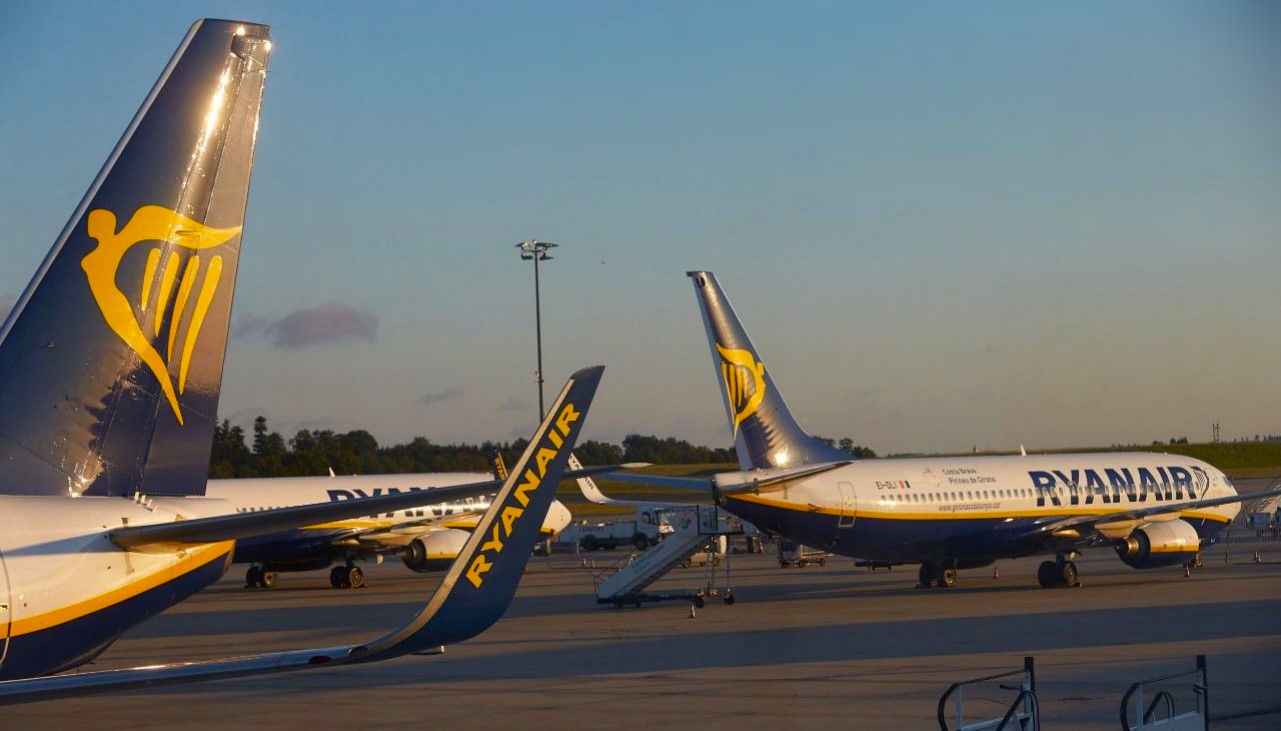
Michael O’Leary predicts a historic increase in European ticket prices as airlines face rising fuel bills, reduced capacity and growing financial pressure. Previous schedule cuts by Ryanair and easyJet indicate that the industry is already responding to the fuel-cost crisis.
European airfares could increase by 10% to 20% in 2027, potentially marking the biggest rise in the region’s history, according to Ryanair Chief Executive Officer Michael O’Leary. His warning comes as the Iran war continues to drive up aviation fuel prices, threatening airline profitability and raising concerns about the availability and affordability of air travel.
Speaking at a news conference in Brussels on Tuesday, October 20, O’Leary said airlines would face mounting pressure to pass higher operating costs on to passengers. He also warned that airline bankruptcies and takeovers could reduce the number of available seats, adding further upward pressure on ticket prices.
“You’re going to see airfares rise next year in Europe, I think by 10, 15, maybe 20%,” O’Leary said, describing the potential increase as the biggest in European aviation history over the next 12 months.
The remarks were reported by Reuters and reflect growing concern among airline executives about the financial consequences of sustained high fuel prices. However, the projected increase remains a forecast rather than a confirmed industry-wide fare adjustment.
The conflict involving Iran, which began in late February 2026, has sharply increased aviation fuel costs and disrupted expectations for the airline industry's operating environment.
Jet fuel represents one of the largest operating expenses for airlines. A sustained increase can significantly reduce profit margins, particularly for carriers that have not secured fuel supplies at lower prices through hedging arrangements.
According to reporting by The Guardian, the International Air Transport Association had projected average jet fuel prices of approximately $152 per barrel in 2026, compared with $90 in 2025. The higher costs have intensified pressure on airline earnings and forced carriers to reconsider their schedules and capacity plans.
Fuel-price movements do not translate directly into equivalent percentage increases in ticket prices. Airlines must also consider competition, passenger demand, currency movements, airport charges, labour costs and the proportion of their fuel requirements protected by hedging.
Nevertheless, if elevated fuel prices persist into 2027, carriers with limited financial protection could face difficult decisions about fares, capacity and the viability of less profitable routes.
Ryanair has been relatively well positioned compared with airlines more exposed to spot-market fuel prices. O’Leary said the airline had hedged approximately 80% of its fuel requirements at $67 per barrel through March 2027 when the Iran conflict began.
However, the protection does not extend equally into the following period.
According to O’Leary, Ryanair has secured prices for only around 15% of its fuel requirements for the financial year beginning in April 2027, at approximately $85 per barrel. He said prevailing spot prices were around twice that level at the time of his October 20 comments.
This means Ryanair, despite its substantial existing hedges, could face considerably higher fuel expenses as its current arrangements expire.
Fuel hedging allows an airline to reduce exposure to market-price fluctuations by agreeing to prices or using financial instruments in advance. It does not eliminate every fuel-related expense or guarantee that a carrier will always pay less than its competitors.
The situation also illustrates why airlines can be protected during one financial period yet remain vulnerable in the next. If prices stay elevated, carriers with limited forward hedging could experience a sharp deterioration in operating margins.
O’Leary’s latest warning follows a series of capacity adjustments announced earlier in 2026.
On September 2, Ryanair reduced its passenger target for the financial year ending March 2027 by two million, from 216 million to 214 million. The airline also indicated that winter traffic between November and March would remain broadly flat year-on-year, rather than achieving the previously anticipated growth.
Ryanair said the changes were intended to reduce exposure to expensive, unhedged fuel during the typically less profitable winter season. It also warned that prolonged high oil prices could place less well-hedged competitors under severe financial pressure.
These developments are significant because they show that the fuel crisis was already influencing airline planning before O’Leary made his latest prediction about fares.
The airline's strategy combines the protection offered by its existing fuel hedges with selective capacity management. By reducing flights that are less attractive economically, Ryanair aims to limit losses while retaining its competitive position in Europe's low-cost market.
Ryanair announced another capacity reduction on October 20, saying it would remove 20 routes and more than one million seats from its Belgian winter schedule following the government's plan to increase its aviation tax from €2 to €7 in January 2027.
The announcement highlights a second source of pressure on airline operating economics: government-imposed charges.
While fuel prices are affected by global markets and geopolitical developments, aviation taxes can make particular airports and routes less attractive to operate. Airlines may respond by reducing frequencies, withdrawing routes or moving aircraft to markets where their costs and expected returns are more favourable.
The Belgian cuts should not be attributed solely to the Iran war. Ryanair specifically linked this decision to the planned tax increase, illustrating how fuel costs and national aviation policies can create overlapping challenges for carriers.
For passengers, fewer flights could mean reduced choice on affected routes. Whether this leads to higher fares will depend on demand, competing services and the capacity available from other airlines.
Ryanair is not the only European carrier adjusting its operations in response to rising costs.
According to The Guardian's October 20 report, easyJet planned to cut approximately 700,000 seats from its winter schedule as part of efforts to manage the impact of higher fuel expenses. The airline has also reported substantial fuel-cost increases and disclosed hedging arrangements covering different portions of its future requirements.
The wider industry response suggests that the crisis is not simply a question of whether airlines will raise ticket prices. Carriers are also evaluating which routes to operate, how frequently to fly and whether certain services remain commercially viable.
O’Leary expects bankruptcies and takeovers to reduce available capacity further. While these outcomes are not guaranteed, financially weaker airlines could find it difficult to absorb sustained increases in fuel expenses, particularly during the winter season when demand is generally more challenging on some routes.
If capacity contracts while demand remains strong, airlines could gain greater scope to increase fares. Conversely, weaker passenger demand or intense competition could limit their ability to pass on the full increase in operating costs.
The outlook for 2027 will depend on how the conflict develops, whether aviation fuel prices ease and how airlines respond to their changing cost structures.
Passengers could encounter higher fares, fewer departures on selected routes and less availability during popular travel periods if airlines reduce capacity. However, price increases will not necessarily be uniform across Europe or across all travel dates.
Low-cost carriers may continue offering competitive fares on routes where they retain sufficient capacity and cost advantages. Meanwhile, airlines with weaker hedging positions could face greater pressure to increase prices, adjust schedules or pursue other cost-saving measures.
Travellers considering European holidays in 2027 may benefit from comparing fares across different dates and airports, monitoring airline announcements and reviewing the terms of their bookings. Booking early can provide access to currently available fares, but it does not guarantee the lowest price, particularly when demand and airline pricing strategies change.
O’Leary’s warning adds to a growing list of concerns for the European airline industry as it approaches 2027. The combination of elevated fuel prices, limited hedging for the next financial period, capacity reductions and higher taxes in some markets could reshape airline competition.
Ryanair's own capacity adjustments show that even a carrier with substantial fuel-price protection is preparing for a more challenging operating environment.
The key uncertainty is whether fuel prices remain high enough for long enough to trigger the scale of fare increases O’Leary predicts. If they do, passengers could face a more expensive European travel market, while airlines with weaker financial positions may be forced to cut capacity or consolidate.
For now, the prospect of a 10% to 20% rise should be treated as a warning from one of the industry's most prominent executives—not as a confirmed prediction for every airline, route or ticket.

.jpg)