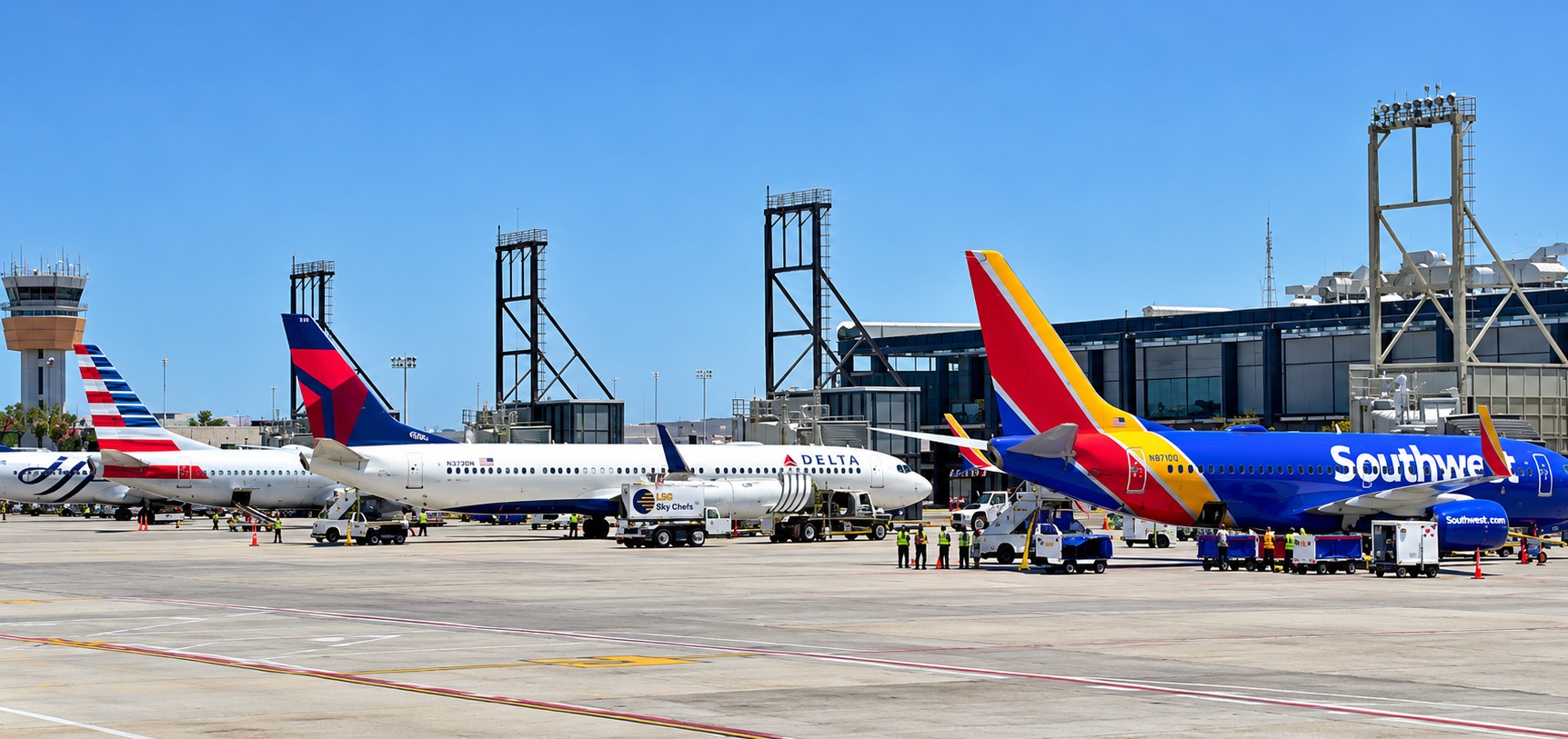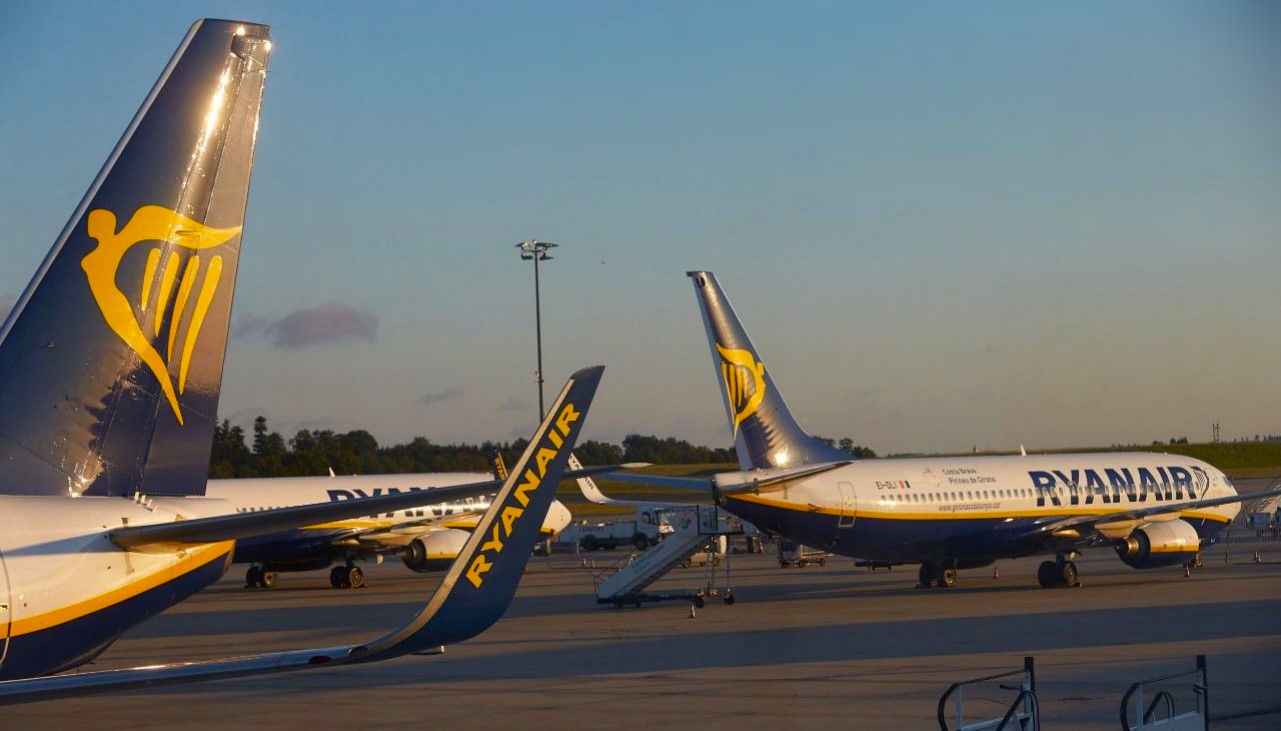

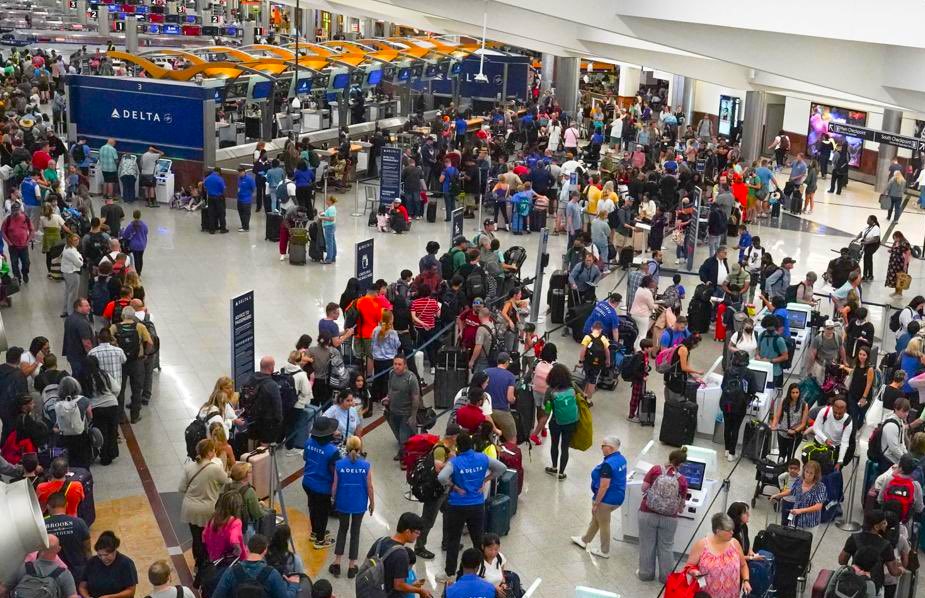
A technical failure affecting Delta's automated aircraft weight-and-balance calculations disrupted flight operations across the United States on November 22, 2026. The incident forced the airline to switch to manual procedures, triggered an FAA ground stop for Atlanta-bound flights and left thousands of passengers facing delays and cancellations.
Delta Air Lines encountered a technical failure on Sunday, November 22, affecting the automated system used to calculate aircraft weight and balance before departure.
The system is essential to flight preparation because it processes information concerning aircraft operating weight, passengers, baggage, cargo and fuel to establish the aircraft's loading distribution and centre of gravity.
Accurate weight-and-balance information is fundamental to safe aircraft operation. Incorrect loading calculations can affect aircraft stability, handling characteristics and take-off performance.
With the automated platform unavailable, Delta personnel had to resort to manual workarounds to complete the necessary calculations and prepare aircraft for departure.
The airline confirmed that its teams were working to restore automation while coordinating with air traffic control authorities to manage congestion at its Atlanta hub.
According to the Associated Press, approximately 58% of Delta's flights, representing around 2,000 services, were delayed by Sunday evening, while approximately 3% were cancelled. Delta attributed roughly 70% of the reported disruption to the technology problem, with weather accounting for much of the remainder.
The disruption was particularly significant at Hartsfield-Jackson Atlanta International Airport, Delta's largest hub, where the airline operates a substantial proportion of its network.
The operational disruption prompted the Federal Aviation Administration (FAA) to temporarily issue a ground stop affecting Delta flights heading to Atlanta.
The restriction was subsequently replaced with a ground delay programme, allowing flights to operate with adjusted departure times and controlled arrival rates.
The FAA clarified that the disruption did not originate from its own air traffic control systems.
The distinction is important: the problem involved Delta's internal operational technology rather than a failure of the national air traffic management infrastructure.
The airline subsequently confirmed that its automated weight-and-balance system had been restored on Sunday. However, the resulting aircraft positioning, crew scheduling and passenger rebooking challenges continued to affect operations into Monday, November 23.
Delta's latest disruption is not an isolated incident. Several major technology failures in recent years have demonstrated how heavily modern airline operations depend on interconnected digital infrastructure.
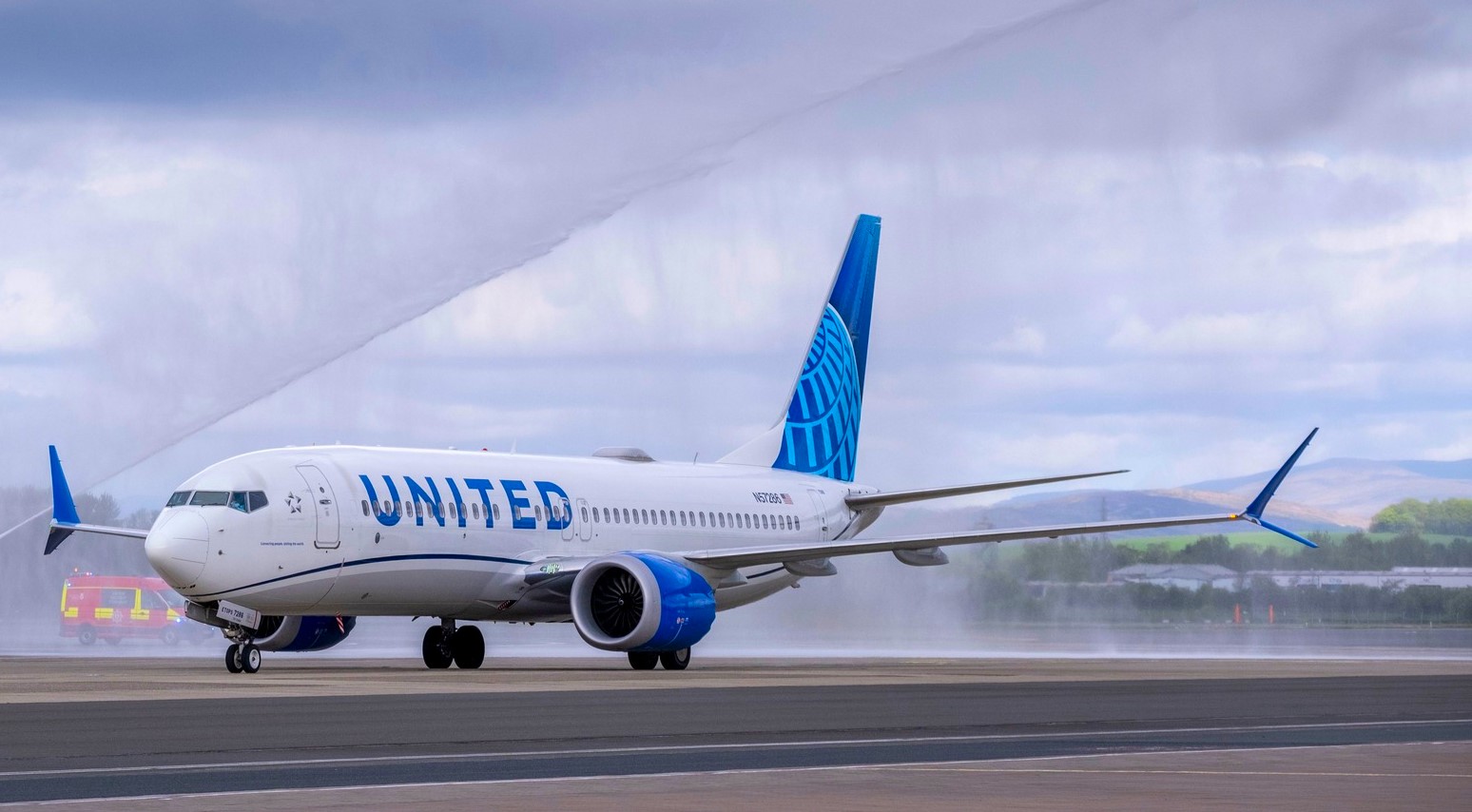
1. United Airlines – November 16, 2026: Another Weight-and-Balance System Disruption
Just six days before Delta's incident, United Airlines experienced a technology outage affecting departing flights.
The disruption lasted approximately 90 minutes to 100 minutes and prevented some aircraft from receiving the final weight information and operational data required before departure.
A communication from the United Airlines pilots' union indicated that the outage affected several applications, including crew communications and systems responsible for providing final aircraft-weight information.
United confirmed that flights already airborne and United Express operations were unaffected. The airline also stated that there was no indication of a cybersecurity-related incident.
FlightAware reported approximately 645 delayed flights and 25 cancellations during the period, although the precise number directly attributable to the outage was not established.
The incident demonstrated how the failure of a relatively specialised operational system can prevent otherwise serviceable aircraft from departing.
2. FAA Nationwide Ground Stop – November 13, 2026: Telecommunications Network Failure
The United States experienced another major aviation disruption on November 13, when a technical problem affecting the FAA's telecommunications network triggered a nationwide ground stop.
The disruption began at approximately 3:30 p.m. Eastern Time and continued until around 8:15 p.m.
According to the FAA, its legacy equipment became unstable following an unusually high volume of data connections entering its telecommunications network.
The agency identified potential sources of the problem at a radar site in Amarillo, Texas, and a radio communications site in El Dorado, Arkansas, where network equipment replacement work had been taking place.
The instability affected 17 of the FAA's 22 Air Route Traffic Control Centres and spread to several terminal radar approach control facilities.
The FAA reported approximately 12,462 flight cancellations on November 13, including more than 9,000 cancellations by major airlines. Subsequent disruptions continued as airlines worked to reposition aircraft and crews.
The agency later disabled certain functionality on newly installed routers and paused further installations while investigations continued.
3. Delta Air Lines – July 2024: CrowdStrike Global IT Outage
One of the most significant recent examples of aviation technology vulnerability occurred in July 2024, when a defective software update from cybersecurity company CrowdStrike triggered a worldwide IT disruption.
The incident affected Microsoft Windows-based computer systems across multiple industries, including airlines, airports and other critical transportation services.
Delta experienced particularly severe operational consequences.
According to its 2024 annual report filed with the US Securities and Exchange Commission, the airline experienced approximately 7,000 flight cancellations over five days, affecting around 1.4 million customers.
The disruption affected multiple operational systems and complicated Delta's ability to restore normal aircraft and crew scheduling.
Unlike the November 2026 incident, which centred on weight-and-balance automation, the CrowdStrike failure involved a much broader technology disruption. Nevertheless, both incidents demonstrate the operational consequences of losing access to essential digital infrastructure.
4. Southwest Airlines – December 2022: Holiday Operational Meltdown
Southwest Airlines experienced one of the most extensive airline operational failures in recent US aviation history during the Christmas 2022 holiday period.
Initially triggered by severe winter weather, the disruption exposed weaknesses in the airline's crew-scheduling and operational recovery capabilities.
As aircraft and crew members became displaced, the airline struggled to rebuild its flight schedule, resulting in widespread cancellations that continued long after weather conditions improved.
The US Department of Transportation subsequently confirmed that approximately 16,900 flights were cancelled, leaving more than two million passengers stranded.
In December 2023, the department announced a $140 million civil penalty against Southwest for violations of consumer protection requirements during the disruption. The airline had also provided more than $600 million in refunds and reimbursements to affected passengers.
Although the initial trigger was severe weather rather than a single IT outage, the incident demonstrated how weaknesses in operational technology and recovery processes can transform an initial disruption into a nationwide aviation crisis.
Aircraft weight-and-balance calculations are among the essential steps in the aircraft dispatch process.
Before departure, operators must establish that the aircraft is within its approved operating weight limitations and that its centre of gravity remains within prescribed limits.
The calculations take into account several variables, including:
Operating empty weight of the aircraft.
Passenger distribution and weight.
Checked baggage and cargo.
Fuel quantity and distribution.
Aircraft-specific loading limitations.
Take-off performance requirements.
The resulting information supports the preparation of the aircraft's load sheet and other operational documentation.
Although manual procedures can provide an alternative when automated systems become unavailable, they require additional coordination, personnel and verification.
Airlines cannot simply bypass these calculations to maintain departure schedules. Aircraft must have accurate, approved loading information before take-off.
Delta's latest disruption highlights an increasingly important challenge for the global aviation industry: operational resilience.
Airlines rely on interconnected technology platforms for flight planning, crew scheduling, aircraft loading, dispatch, maintenance management, passenger processing and airport coordination.
A failure in one critical system can quickly create operational consequences across an airline's wider network.
The recent sequence of incidents involving Delta, United Airlines and the FAA also highlights the importance of maintaining effective contingency procedures and ensuring that alternative operational arrangements are available when digital platforms fail.
As the industry continues its digital transformation, airlines must balance operational efficiency with system redundancy, cybersecurity, disaster recovery and business continuity planning.
The central lesson is clear: aviation safety cannot depend entirely on the uninterrupted availability of technology. Reliable backup procedures and the ability to recover quickly remain essential to keeping aircraft and passengers moving safely.
FL360aero observation: The most compelling aspect of this story is that two major US airlines experienced weight-and-balance-related technology disruptions within six days of each other. This makes the story more significant than an isolated airline IT outage.