
Lufthansa Technik moves into final certification phase for sharkskin-inspired technology on the Airbus A330ceo
A technology inspired by one of nature’s most efficient swimmers is now moving from Boeing wide-body aircraft to Airbus.
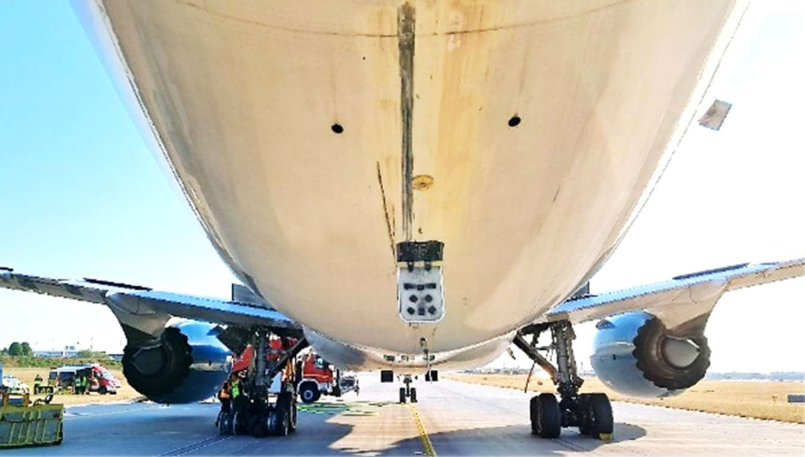
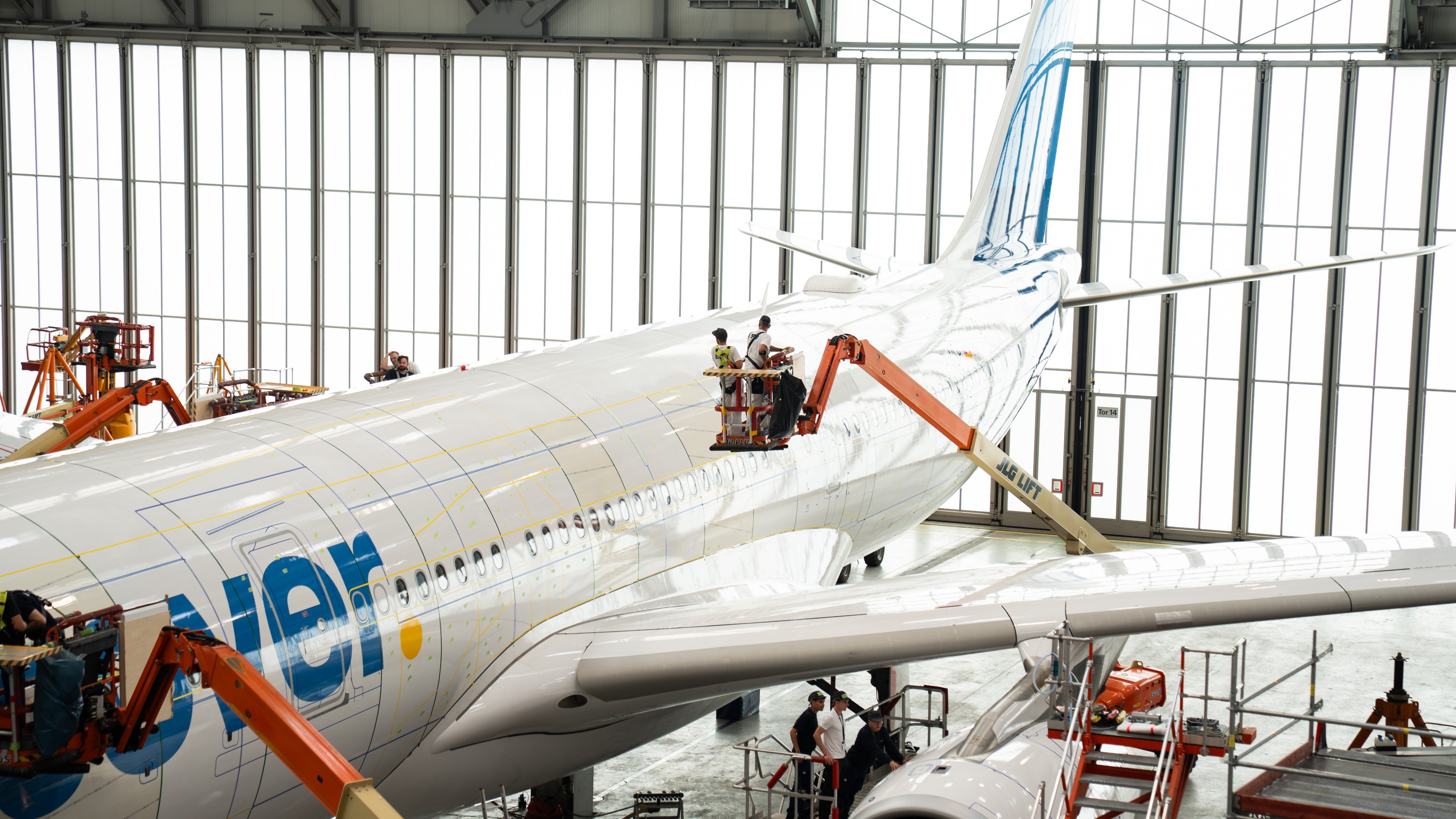
Lufthansa Technik has entered the final certification phase for AeroSHARK on the Airbus A330-200 and A330-300, marking the first application of the drag-reducing “sharkskin” technology to an Airbus aircraft. A330-300 operated by Discover Airlines is being used for the flight-test campaign, with modification work taking place at Elbe Flugzeugwerke in Dresden.
The development represents the latest chapter in a program that has already accumulated substantial operational experience on Boeing aircraft.
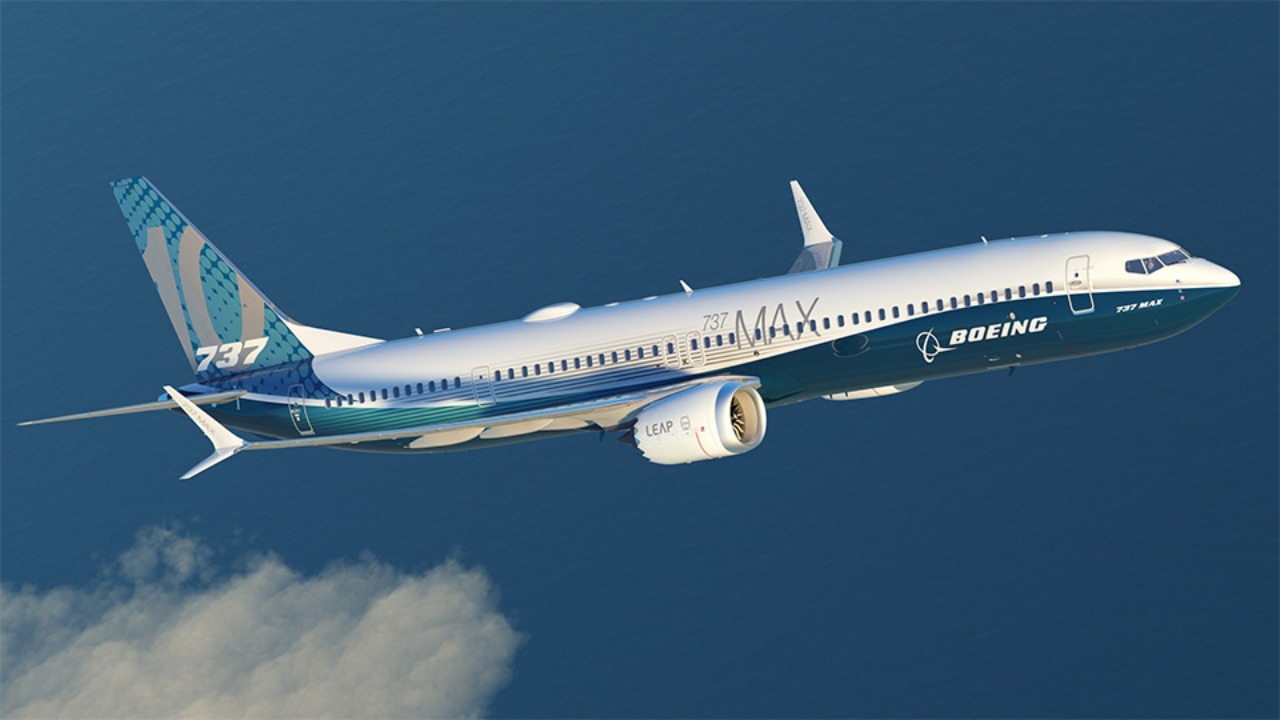
AeroSHARK was initially brought into commercial service on the Boeing 777-300ER. In December 2022, the European Union Aviation Safety Agency (EASA) granted Lufthansa Technik a Supplemental Type Certificate for the 777-300ER and 777 Freighter, clearing the way for series installations at SWISS and Lufthansa Cargo.
The first passenger 777 equipped with the technology was a SWISS 777-300ER, which entered scheduled service in October 2022. The aircraft carried approximately 950 square meters of riblet film across its fuselage and engine nacelles.
The technology subsequently expanded to the Boeing 777-200ER. EASA approval was secured in 2025, allowing Austrian Airlines to install AeroSHARK on four of its 777-200ERs.
The Boeing experience has also moved beyond the Lufthansa Group. ANA introduced AeroSHARK on its Boeing 777 Freighter in 2024 and subsequently became the first airline in Asia to operate the technology on a passenger 777-300ER as well.
LATAM, meanwhile, is expanding AeroSHARK across its entire 10-aircraft Boeing 777-300ER fleet, with the final modifications expected by 2027.
SWISS has already completed the installation across its entire 12-aircraft 777-300ER fleet, making it the first airline to equip an entire long-haul sub fleet with the technology.
AeroSHARK is a thin functional film featuring microscopic riblets, structures inspired by the surface of shark skin.
These tiny grooves are aligned with the airflow and reduce frictional drag over the aircraft’s surface. The technology is currently applied primarily to the fuselage and engine nacelles.
According to Lufthansa Technik, the current configuration can reduce fuel consumption and CO₂ emissions by around 1%.
One percent may sound modest, but on large long-haul aircraft operating thousands of hours each year, small efficiency improvements can translate into significant fuel and emissions savings.
Lufthansa Technik's current figures show more than 377,000 flight hours, over 22,000 tons of fuel savings and more than 70,000 tons of CO₂ savings from the AeroSHARK program, based on figures through July 2026.
The move to the A330 could substantially expand the technology's addressable market.
Lufthansa Technik began the A330ceo certification process in 2025, targeting the A330-200 and -300. At the time, the company estimated that approximately 1,000 A330-200 and A330-300 aircraft were in service worldwide, making the type an attractive candidate for a fuel-saving modification.
The current certification effort covers the fuselage and engine nacelles. The Discover Airlines A330-300 is undergoing flights before and after modification to help validate the aircraft's performance as part of the certification process.
And the ambitions extend beyond those surfaces.
In May 2026, Lufthansa Technik and Airbus announced a technical collaboration to investigate AeroSHARK on the A330ceo's wings and stabilizers. The objective is to achieve the first commercial certification of riblet technology on an Airbus wing and tailplane.
That could potentially increase the efficiency benefit substantially compared with the current fuselage-and-nacelle configuration.
The A330 program is also being supported by Mastercard as part of a strategic sustainability partnership with the Lufthansa Group. The companies say they are collaborating on innovations intended to improve efficiency and sustainability in aviation.
For Lufthansa Technik, the progression is significant: a technology initially proven on Boeing 777s is now approaching certification for one of Airbus's most widely operated long-haul families.
The broader lesson is equally important. Aviation efficiency does not necessarily depend only on entirely new aircraft or propulsion systems. Technologies capable of extracting incremental efficiency from aircraft already in service could play an important role as airlines continue operating large numbers of existing wide-body aircraft.
If certification proceeds as planned, the A330 could become the next major platform for AeroSHARK—and potentially demonstrate how a technology first proven on Boeing wide-bodies can be scaled across the wider commercial aviation fleet.
Related article.....

.jpg)