

NTSB preliminary findings: The pilot reportedly attributed the engine-power loss to delayed fuel-tank switching and not activating the electric fuel boost pump.
Emergency water landing: The aircraft ditched in Lake Wausau on September 12, 2026, while approaching Wausau Downtown Airport.
Two occupants survived: Congressman Tom Tiffany and pilot Leonard Boltz escaped and swam to shallow water before being rescued.
Empty left main tank: Post-recovery inspection found the left main tank empty, while the right main tank and both auxiliary tanks contained fuel.
Substantial aircraft damage: The fuselage, left wing, left aileron and engine mount were damaged in the impact.
Final report pending: Investigators continue to examine the circumstances of the accident, and the preliminary findings remain subject to change.
The U.S. National Transportation Safety Board (NTSB) has released preliminary findings into an emergency water landing involving a light aircraft carrying Republican Congressman and Wisconsin gubernatorial candidate Tom Tiffany in Lake Wausau, Wisconsin, on September 12, 2026.
Investigators’ early findings point to delayed fuel-tank switching and the failure to activate the electric fuel boost pump as issues discussed by the pilot after the accident.
The aircraft, piloted by Leonard Boltz, lost engine power while approaching Wausau. Tiffany and Boltz survived the incident with minor injuries after the aircraft came down in the lake. Both occupants managed to exit the damaged aircraft and swim toward shallow water before emergency responders reached them.
The NTSB has stressed that the findings are preliminary and may change as the investigation progresses.
According to the preliminary report, Boltz noticed a higher-than-normal engine exhaust gas temperature (EGT) while preparing the aircraft for landing. The observation reminded him to switch fuel tanks.
The pilot selected the right main fuel tank and moved the mixture and throttle controls to their full-forward positions in an attempt to restore engine power. However, the engine did not respond.
The report also recounts a conversation between Boltz and his aviation mechanic after the accident. According to information relayed to an inspector with the Federal Aviation Administration (FAA), the pilot attributed the loss of engine power to delaying the fuel-tank change and not switching on the electric fuel boost pump.
This account is part of the preliminary investigation and should not be interpreted as a final determination of probable cause.
Following the aircraft’s recovery from Lake Wausau, investigators examined the fuel system and documented a significant difference between the fuel levels in the aircraft’s tanks.
The left main tank was empty, while the right main tank and both auxiliary tanks remained full. According to the report, Boltz had departed Langlade County Airport with full fuel before flying to La Crosse Regional Airport. He did not refuel at La Crosse before continuing toward Wausau.
The pilot reportedly used the left main tank for most of both flight legs, briefly switching to the auxiliary tanks during the journey. The findings provide important context for the investigation into the engine-power loss, although the NTSB has not yet issued a final probable-cause determination.
The aircraft involved was a Beechcraft K35 Bonanza, a single-engine general aviation aircraft. It lost power while approaching Wausau Downtown Airport on the evening of September 12, forcing the pilot to ditch in Lake Wausau rather than complete a normal landing.
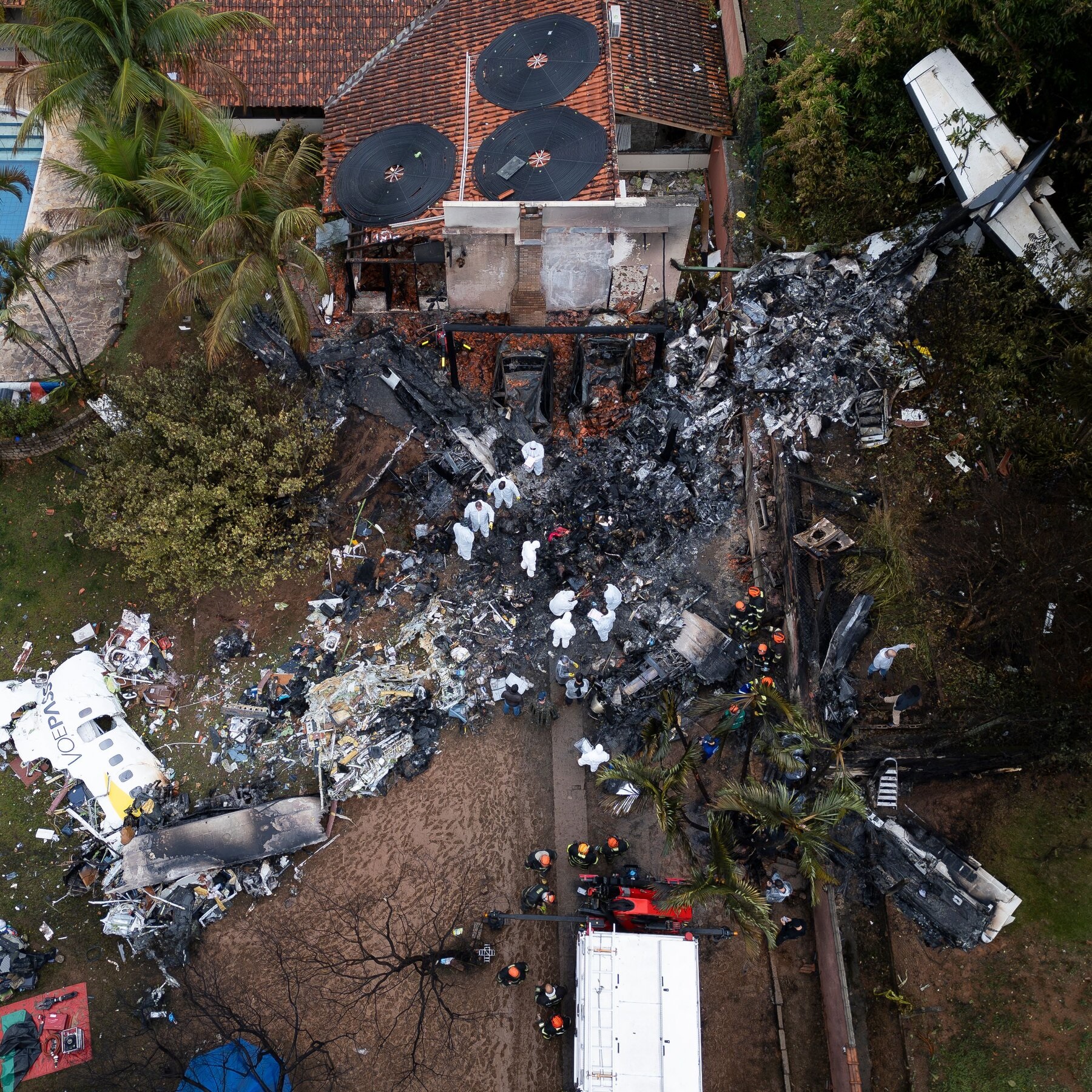
The impact significantly damaged the fuselage, left wing, left aileron and engine mount. The aircraft was subsequently recovered from the lake for inspection by investigators.
Tiffany, who represents Wisconsin’s 7th Congressional District and is the Republican nominee for governor, was returning from a political event when the incident occurred. Both occupants escaped as the aircraft began to sink and swam toward shallow water. Emergency personnel rescued them and transported them to Aspirus Wausau Hospital for treatment.
The K35 is powered by a fuel-injected Continental IO-470-C engine. The NTSB’s preliminary findings focused on the pilot’s management of the aircraft’s fuel supply during the flight and his response to abnormal engine indications.
According to the report, the pilot had been operating primarily on the left main fuel tank. As he approached Wausau Downtown Airport, he noticed an unusually high engine exhaust gas temperature (EGT), which reminded him to switch tanks. He selected the right main tank and advanced the mixture and throttle controls, but the engine did not regain power.
The aircraft was later examined after recovery from Lake Wausau. Investigators found the left main tank empty, while the right main tank and both auxiliary tanks contained fuel. The report also records that the pilot reportedly did not activate the electric fuel boost pump while attempting to restore engine power.
The preliminary report highlights the importance of fuel management and following the aircraft’s prescribed procedures when responding to abnormal engine indications. Switching fuel tanks and operating an electric fuel boost pump are aircraft-specific procedures; their correct use depends on the aircraft’s configuration, operating conditions and approved checklist.
In this case, the pilot’s reported explanation provides investigators with a potential line of inquiry, but it does not by itself establish the complete sequence of events or rule out other contributing factors.
The NTSB’s investigation will determine the circumstances surrounding the loss of engine power and the emergency water landing. The agency has cautioned that preliminary information may be revised as additional evidence becomes available.

.jpg)
.jpg)