
Canada has officially become the first Observer Nation in the Global Combat Air Programme (GCAP), marking a significant expansion of the trilateral sixth-generation fighter initiative led by the United Kingdom, Italy, and Japan. The move provides Ottawa with privileged access to one of the world's most advanced combat aircraft development programmes while strengthening defence cooperation among four close allies.
The announcement was made in London as the defence ministers of the UK, Italy, Japan, and Canada met to discuss the future of the programme and broader security cooperation.
The Global Combat Air Programme was formally launched in December 2022 by the United Kingdom, Italy, and Japan following the merger of the UK's Tempest programme and Japan's F-X fighter project.
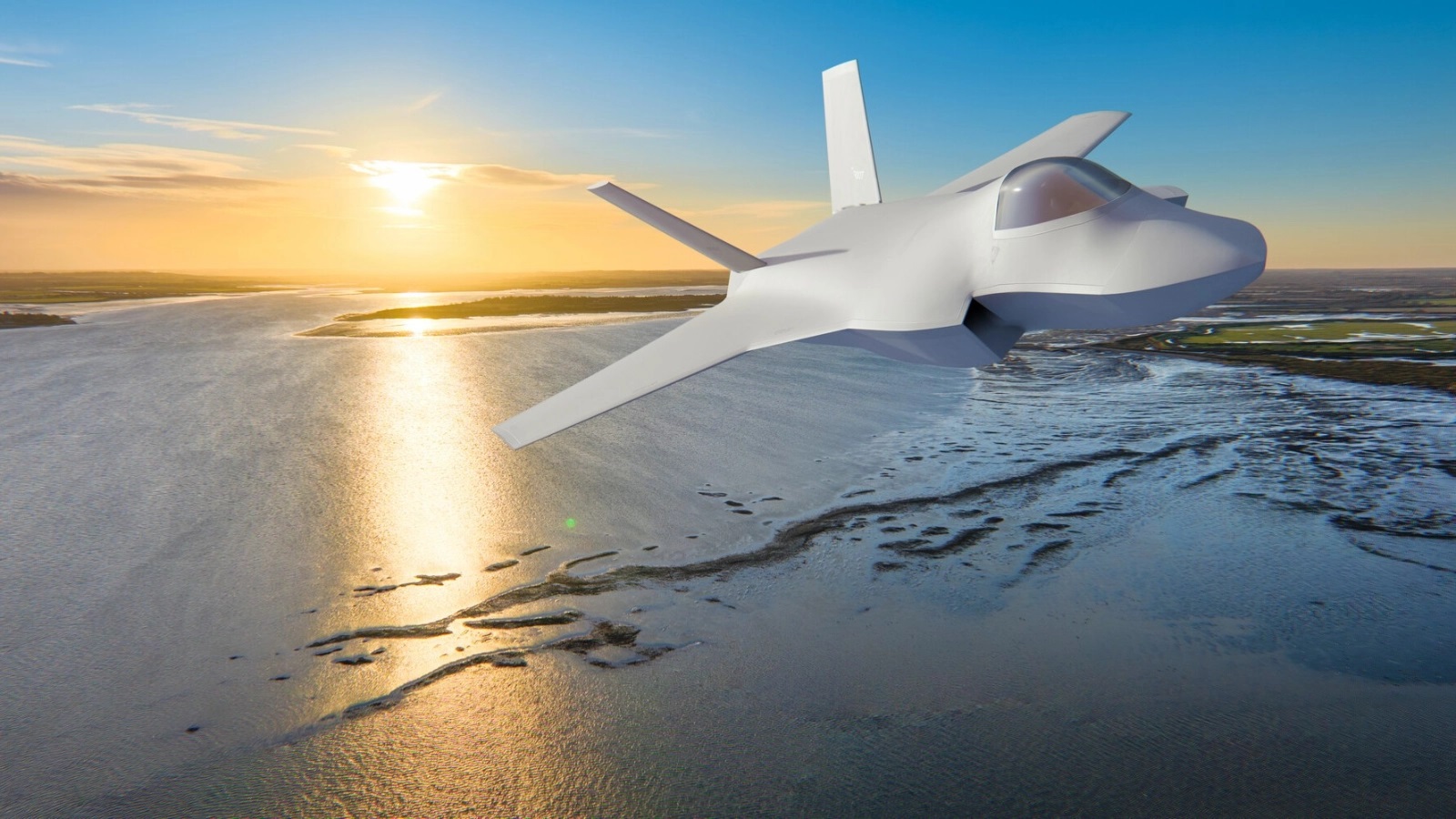
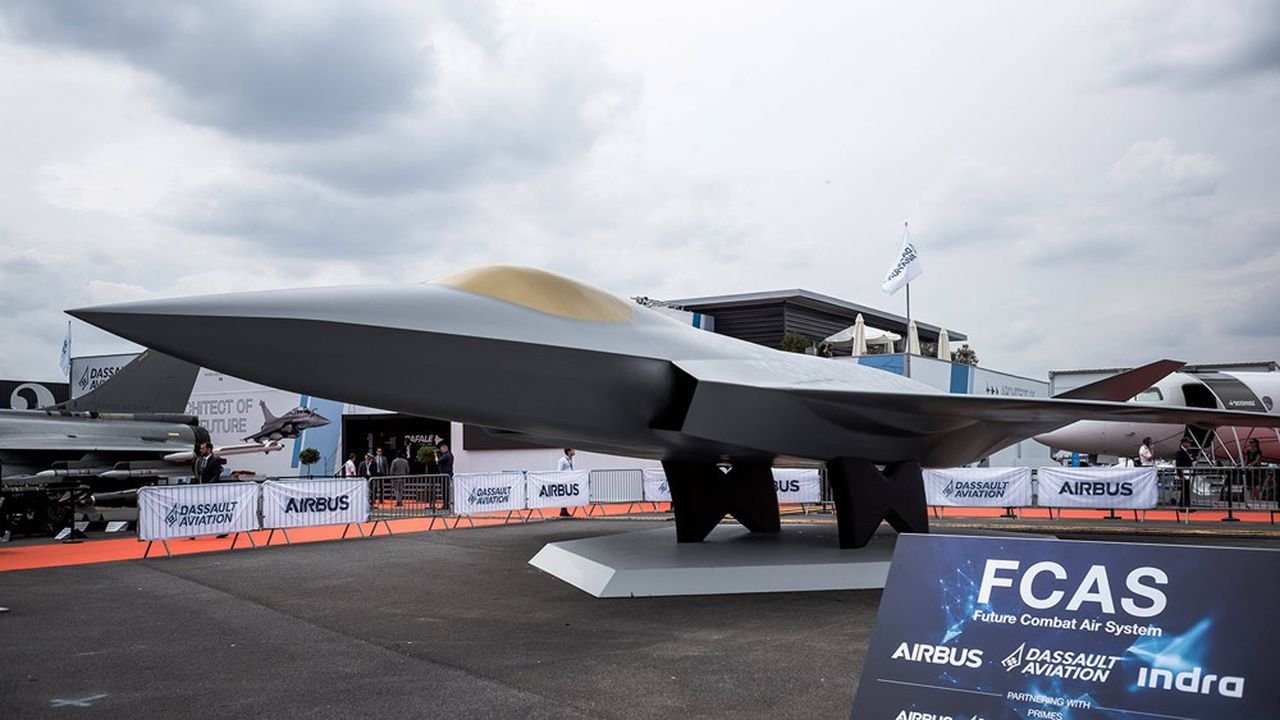
The initiative aims to develop a sixth-generation stealth combat aircraft capable of entering service around 2035, replacing the Royal Air Force's Eurofighter Typhoon and complementing Japan's Mitsubishi F-2 fleet.
Unlike current-generation fighters, the GCAP aircraft is being designed as the centrepiece of a broader "system of systems." It will integrate artificial intelligence, advanced sensors, electronic warfare capabilities, secure data networks, and autonomous collaborative combat aircraft—often referred to as "loyal wingman" drones—to operate in highly contested environments.
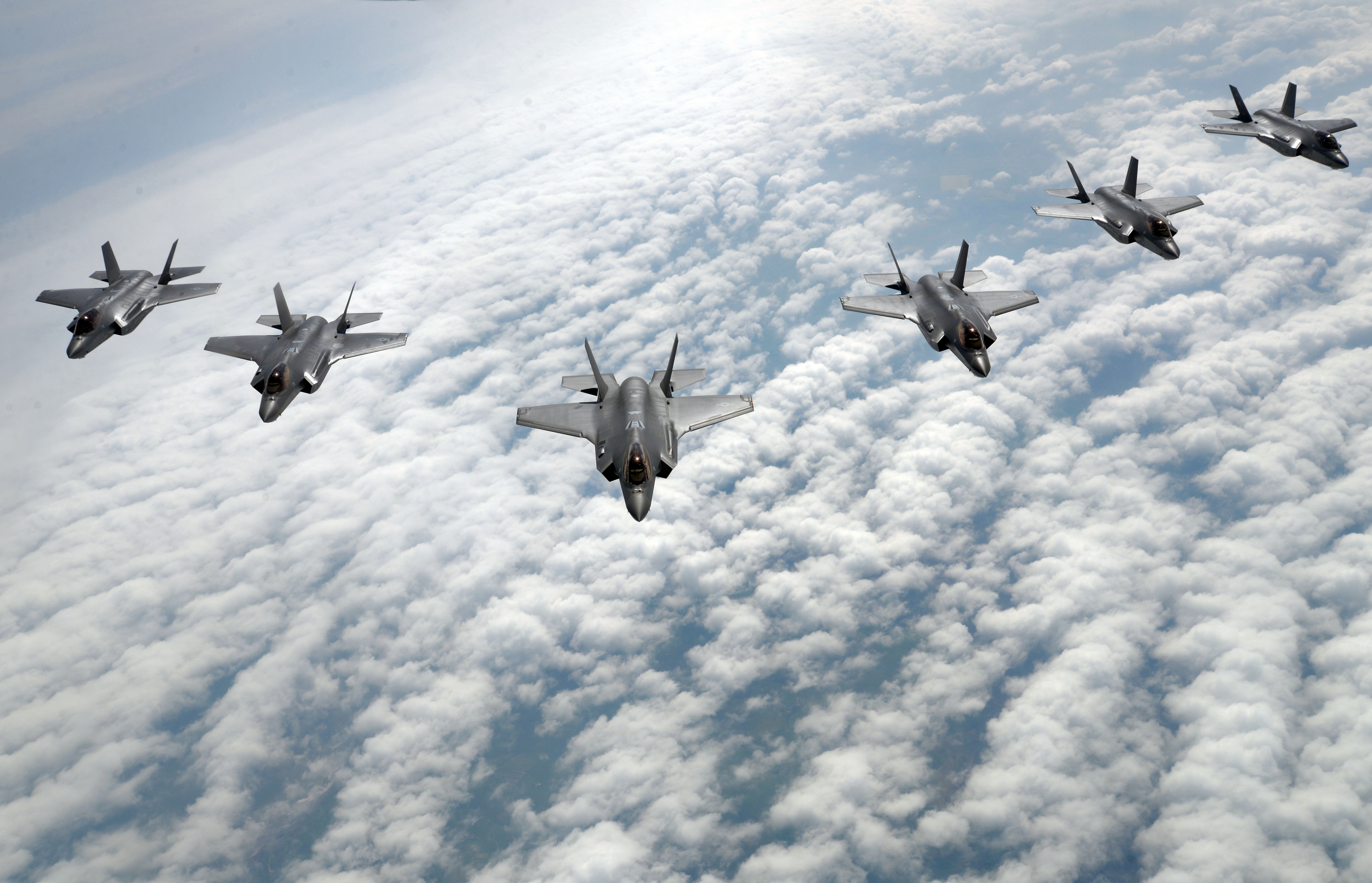
The aircraft is also expected to work alongside existing fifth-generation platforms such as the Lockheed Martin F-35, rather than replace them outright.
While Canada will not participate in programme governance or decision-making, Observer status grants the country structured access to GCAP's capability development, industrial collaboration, and long-term planning.
The arrangement allows Canadian officials and industry to gain direct insight into the programme while opening the door to future discussions on deeper participation.
The UK Ministry of Defence described the move as an important milestone in making GCAP an open and internationally relevant partnership capable of adapting to future security challenges.
Canada's involvement also builds upon longstanding defence cooperation with the UK through NATO and the Five Eyes intelligence alliance.
Beyond its military objectives, GCAP is one of the largest aerospace and defence industrial programmes currently underway.
According to the UK government, the Future Combat Air System already supports approximately 4,500 jobs across the United Kingdom, with more than 600 companies participating throughout the supply chain. Thousands of additional skilled jobs are expected as development progresses.
The programme is intended to strengthen domestic aerospace capabilities in all three founding nations while advancing expertise in digital engineering, propulsion, sensors, mission systems, software, and advanced manufacturing.
Canada's Observer status follows several major milestones reached in 2025 and 2026.
In December 2023, the UK, Italy, and Japan signed the treaty establishing the Global Combat Air Programme International Government Organisation (GIGO) to jointly oversee development of the aircraft.
The organisation officially began operations in 2025, providing the governance framework for one of the largest multinational defence programmes outside NATO.
Earlier this month, the three partner nations also finalised a £4.6 billion contract with Edgewing, the industry joint venture responsible for the next phase of aircraft development. The agreement covers refining the aircraft's design requirements and conducting extensive testing as the programme advances toward detailed design.
The UK government has also committed £8.6 billion to GCAP over the next four years as part of its Defence Investment Plan, underlining the programme's strategic importance.
UK Prime Minister Andy Burnham described Canada's participation as another step in strengthening one of the world's most ambitious defence partnerships.
"GCAP is already one of the world's most ambitious defence and industrial partnerships—supporting 4,500 jobs across the UK. Today's announcement makes it even stronger."
UK Defence Secretary Wes Streeting also welcomed Canada's involvement, saying the programme strengthens national security while driving technological innovation and creating highly skilled jobs.
"The first duty of any government is to keep our country safe. That's why I'm pushing this programme forward on my very first day in the job. GCAP continues to strengthen our security, drive technological innovation and create highly skilled jobs across the UK."
He added that the UK looks forward to sharing expertise and collaborating with Canada on future technological advances.
Although Canada has already committed to purchasing 88 Lockheed Martin F-35A Lightning II fighters to replace its aging CF-18 fleet, Observer status provides an opportunity to evaluate technologies that could shape future air combat beyond the F-35 era.
Analysts have also suggested Canada's aerospace industry could contribute expertise in areas such as advanced sensors, artificial intelligence, mission systems, and cold-weather or Arctic testing—capabilities that align with Canada's strategic priorities.
While no commitment has been made to join GCAP as a full partner or procure the future aircraft, the Observer role keeps those options open as the programme evolves.
GCAP remains on schedule to deliver its first operational sixth-generation combat aircraft by 2035. As development accelerates, Canada's inclusion as the programme's first Observer Nation signals growing international interest in what is expected to become one of the most advanced fighter aircraft ever developed.
The move also reinforces the programme's vision of expanding collaboration among trusted allies while developing technologies designed to address increasingly complex security challenges posed by rapidly evolving military capabilities around the world.
Related article........

.jpg)