
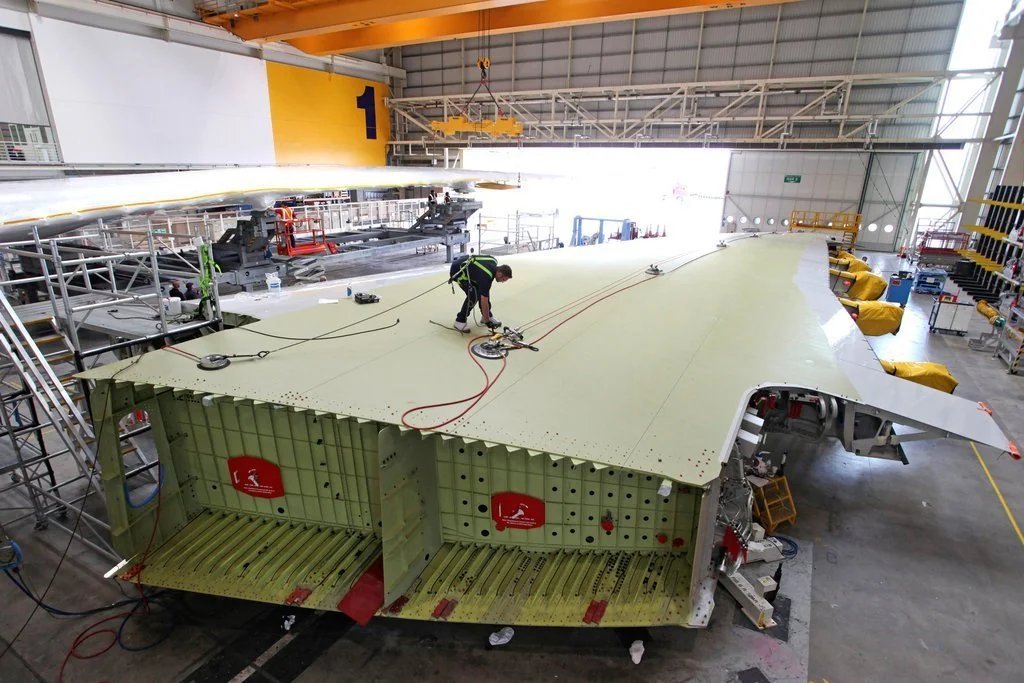
Airbus on Tuesday said it would inspect 16 Airbus A380 Superjumbo aircraft, five of them immediately, after cracks were found in a key wing component on aircraft used by the Emirates and Qantas airlines.
But emergency directives from EASA are rare and usually reserved for issues that could affect the airworthiness of an aircraft if left unchecked.
However, for this development, the European Union Aviation Safety Agency (EASA) has ordered urgent inspections requiring airlines to examine the wing-spar structure on the affected jets after inspectors found cracks during routine maintenance checks.
“It has been determined that the cracks found on certain aeroplanes could reduce the structural integrity of the wing,” the agency wrote in its emergency airworthiness directive.
“To address this potential unsafe condition, Airbus determined that an additional special detailed inspection has to be accomplished.”
Cracks appeared in a structural beam that runs the length of the wing and bears a large portion of the aerodynamic loads during flight, raising concerns about the structural integrity.
Of the 16 planes to be inspected, 15 are operated by Emirates and one by Qantas. The five aircraft to be inspected immediately are flown by Emirates, and they were to undergo the process as soon as Wednesday.
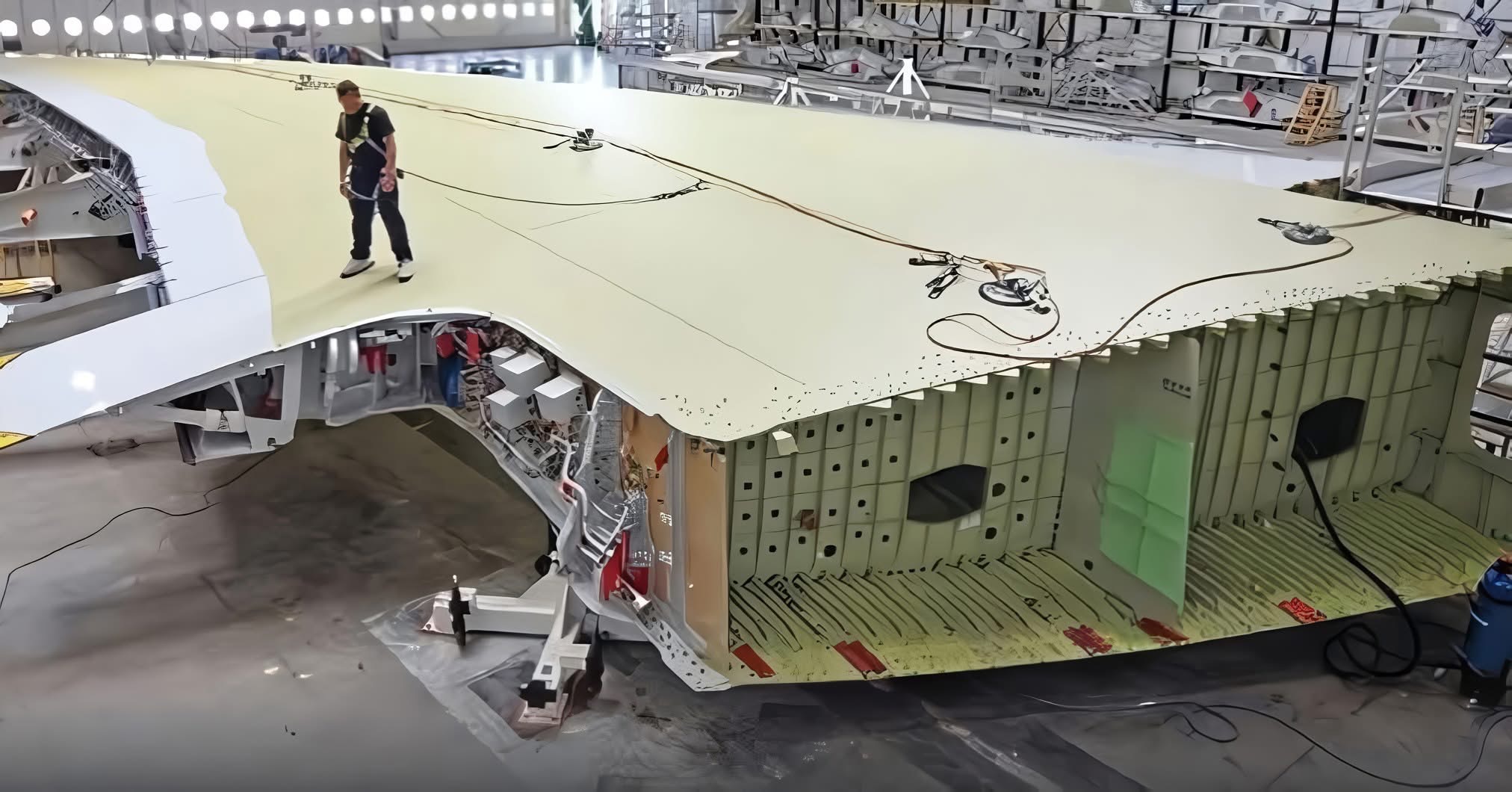
The Superjumbo has faced wing-related problems before and the EASA in 2012 ordered inspections after cracks were found in brackets linking the wing skin to internal ribs.
That mandatory inspection affected the entire global A380 fleet and led to a costly repair program which Airbus addressed through design changes on planes produced later.
The A380, the world's largest passenger jet, entered service in 2007 and remains a flagship aircraft on some of the world's busiest long-haul routes, despite Airbus ending production in 2021.
Airlines using the A380 include Emirates, Singapore Airlines, British Airways, Qantas, Lufthansa, Qatar Airways, Korean Air, Etihad Airways, ANA and Asiana Airlines.
Dubai's flag bearer Emirates operates the largest A380 fleet in the world, flying over half of all active superjumbos.
Airbus explained that the cracks were discovered during inspections ordered by EASA under a directive issued in December 2025, noting that the defects could affect the structural integrity of the wings if not addressed
Cracks on an aircraft that "could reduce the structural integrity of the wing" were discovered during inspections ordered by EASA in a directive issued in December 2025, the European planemaker said.
All the A380 planes "with the same production history" have been identified, and Airbus will carry out immediate inspections on five aircraft.
The Toulouse-based plane manufacturer will discuss with EASA whether repairs are necessary, an Airbus spokesperson said.
The 11 other aircraft can be inspected later, but before their thirteenth flight, that is, 25 cycles, with one cycle consisting of a flight, a takeoff, and a landing.
The A380 has faced wing-related problems before and the EASA in 2012 ordered inspections after cracks were found in brackets linking the wing skin to internal ribs.
That affected the entire global A380 fleet and led to a costly repair programme which Airbus addressed through design changes on planes produced later.
Airbus is facing growing regulatory pressure in Europe, as EASA has tightened maintenance requirements for certain A330 aircraft and has been overseeing updates to the A320 family after concerns about flight control computers following an incident linked to intense solar radiation.
Airbus also struggles to increase production because of continuous supply chain problems, one of which is related to engines from Pratt & Whitney. The disruptios have left completed aircraft parked at Airbus facilities in Toulouse and Hamburg waiting for engines before they can be delivered to airlines.
Visual Display Credit: A Chick in the Cockpit

.jpg)