
LATAM Airlines Group is expanding its long-standing partnership with satellite communications provider SES by introducing next-generation multi-orbit inflight connectivity across more than 60 new Airbus and Embraer aircraft, further enhancing onboard internet services for passengers across its network.
The agreement will see incoming Airbus A320neo, Airbus A321XLR, and Embraer E195-E2 aircraft equipped with SES' latest multi-orbit connectivity solution, powered by a new electronically steered array (ESA) antenna. The installation will make LATAM the largest airline in the Americas to deploy the new ESA technology, reinforcing its position as one of the region's leading carriers for inflight connectivity.
Announced by SES on July 29, 2026, the deal builds on nearly a decade of collaboration between the two companies. LATAM already operates the largest SES-connected fleet in Latin America, with more than 250 aircraft offering onboard Wi-Fi, including over 200 Airbus A320 family aircraft equipped with SES' 2Ku connectivity service.
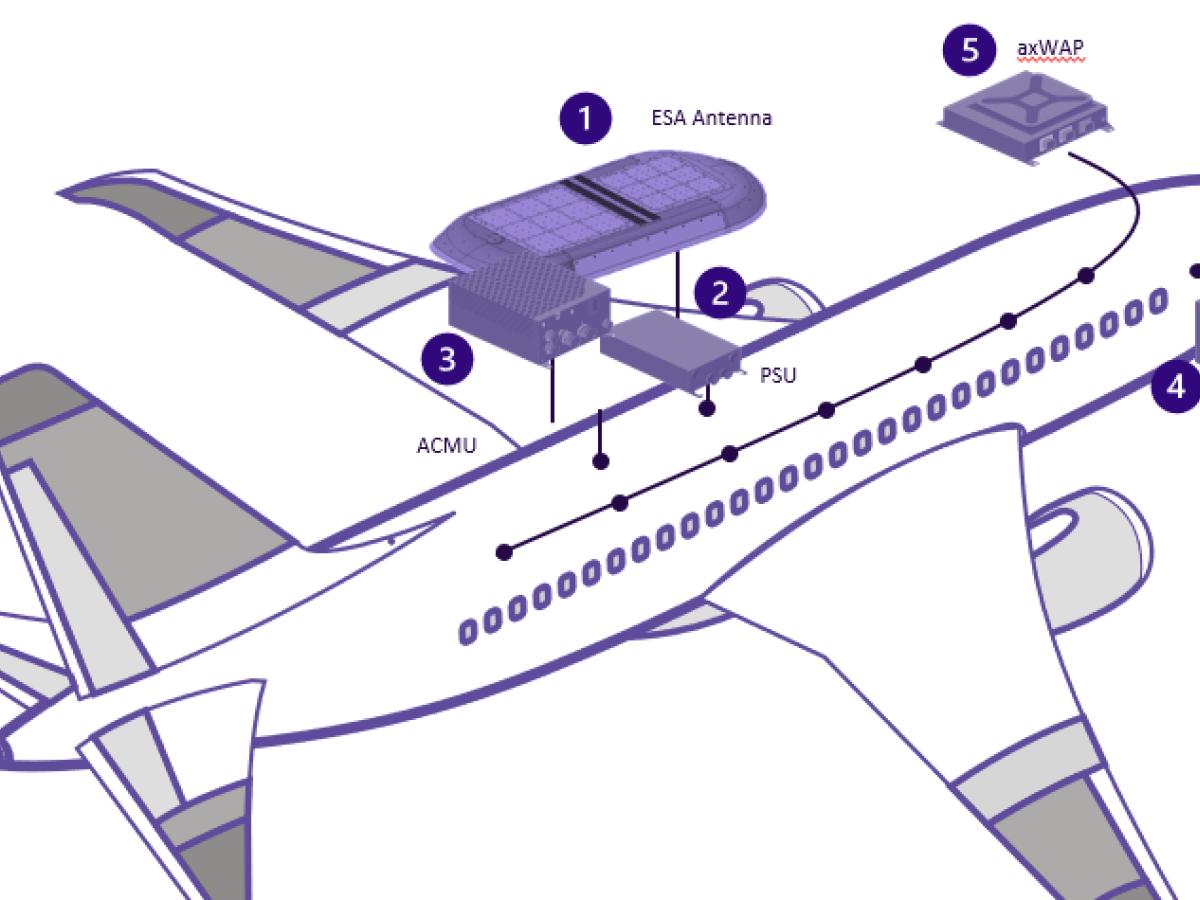
The new ESA antenna represents a significant technological advancement. Measuring less than seven centimeters in height, the low-profile hardware is designed to minimize aerodynamic drag while simultaneously connecting to satellites operating in multiple orbits. This multi-orbit capability enables more consistent broadband coverage and improved reliability across different flight routes.
The system is expected to provide passengers with faster internet speeds and a more stable online experience throughout their journey, regardless of location.
SES’ new electronically steered array (ESA) antenna represents a major step forward in satellite-based inflight connectivity, replacing traditional mechanically steered antenna systems with a more compact, efficient, and digitally controlled solution. The technology is designed to support the growing demand for reliable, high-speed broadband services as airlines expand connected aircraft operations.
Unlike conventional antennas that rely on physical movement to track satellites, the ESA antenna uses electronically controlled beam steering to rapidly adjust its connection path, allowing aircraft to maintain continuous links with satellites as they move across different orbital positions. This capability enables seamless switching between satellites and supports SES’ multi-orbit connectivity network, combining coverage from satellites in multiple orbital regimes to improve service consistency.
The connectivity upgrade coincides with LATAM's broader fleet renewal strategy. The airline group recently confirmed it expects to receive 40 new aircraft during 2026, increasing its operating fleet to approximately 410 aircraft by year-end.
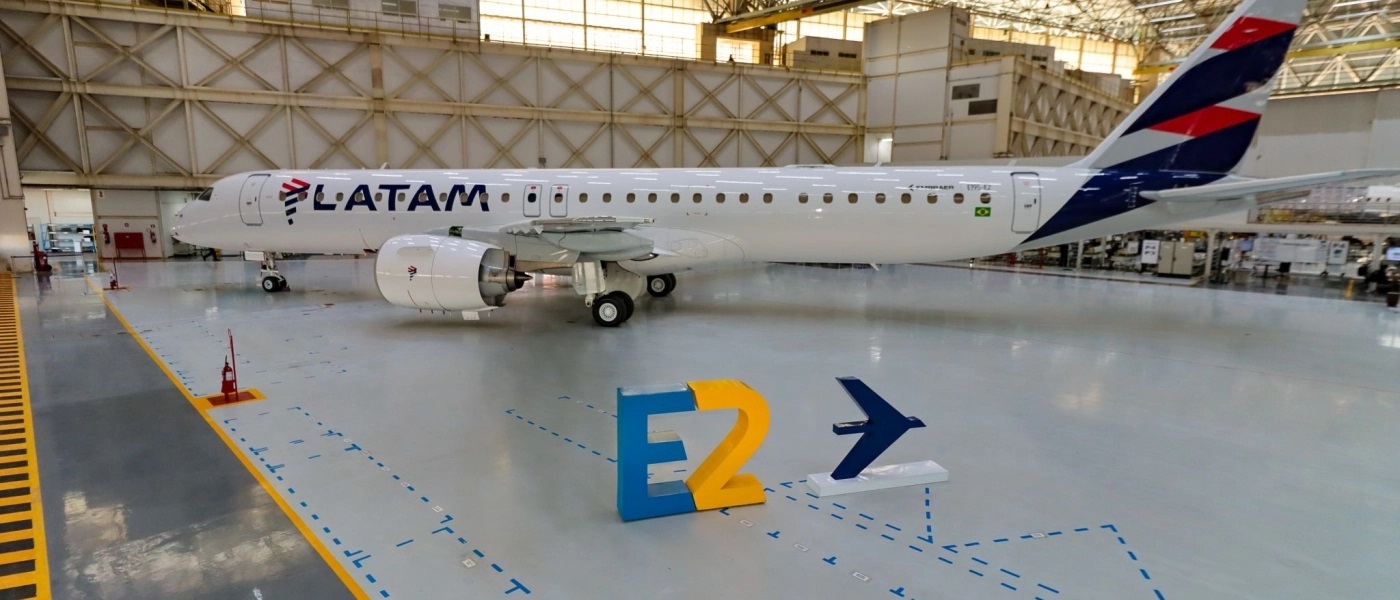
Among the new deliveries will be the Embraer E195-E2, marking the first time the aircraft type joins the LATAM fleet as part of the airline's plan to strengthen its domestic operations in Brazil. The new Embraer jets, along with incoming Airbus A320neo and A321XLR aircraft, will be delivered with SES' latest multi-orbit connectivity solution.
"At LATAM, we are committed to making every journey more connected," said Paulo Miranda, Vice President of Customers at LATAM Airlines Group.
"By bringing next-generation multi-orbit connectivity to more of our fleet, we will offer our passengers a faster, more reliable onboard internet experience, helping them stay connected wherever they fly while continuing to raise the standard of travel across Latin America."
The LATAM agreement adds to a growing list of airline customers adopting SES' multi-orbit inflight connectivity platform.
In recent months, the satellite operator secured agreements with Mexican ultra-low-cost carrier Viva to equip 100 Airbus narrowbody aircraft with the same ESA solution, while Japan Airlines expanded its partnership to install the technology on 50 widebody aircraft, including Boeing 787-9s and Airbus A350-900s.
The momentum follows SES' acquisition of Intelsat in 2025, a move that significantly expanded the company's capabilities and strengthened its position as one of the world's largest providers of multi-orbit satellite connectivity for commercial aviation.
Mike DeMarco, President of Mobility at SES, said the partnership demonstrates growing demand among airlines for next-generation inflight connectivity.
"LATAM's passengers will soon benefit from reliable, multi-orbit satellite connectivity that will provide the same fast and dependable internet access they enjoy at home no matter where or when they fly," DeMarco said.
"Our partnerships with airlines like LATAM highlight how carriers throughout the Americas are leading the way in adopting the most advanced inflight connectivity technologies."
With the latest agreement, LATAM continues to invest in digital passenger services while modernizing its fleet, positioning itself to offer a more seamless and connected travel experience as new-generation aircraft enter service over the coming years.


.jpg)