

.jpg)
November 1, 2026: American Airlines plans to resume daily nonstop Miami–Cap-Haïtien flights.
Boeing 737 MAX 8: The published schedule identifies the aircraft for the service.
First major U.S. airline to announce a return: The move follows the suspension of U.S. airline operations in late 2024.
Security remains the central issue: FAA restrictions on certain low-altitude operations in Haiti have been extended through March 2, 2027.
Sunrise Airways faces new competition: Travelers will have another nonstop carrier option on the Miami–Cap-Haïtien route.
Cap-Haïtien gains importance: The northern airport continues to provide a key international gateway while U.S. service to Port-au-Prince remains restricted.
American Airlines plans to resume scheduled passenger flights between Miami International Airport (MIA) and Cap-Haïtien International Airport (CAP) on November 1, 2026, marking a significant development in the restoration of commercial air connectivity between the United States and Haiti.
Announced on June 12, the service will operate daily using Boeing 737 aircraft, with the Boeing 737 MAX 8 identified in published schedules. The route will restore a nonstop connection between South Florida and northern Haiti after American suspended its previous service to Cap-Haïtien in early 2020.
The return is particularly significant for Haiti’s diaspora communities in South Florida and other U.S. cities, as well as families, business travelers and visitors who need direct access to northern Haiti. It also represents a cautious step toward rebuilding airline links disrupted by years of escalating security challenges.
The approximately two-hour nonstop service will allow passengers to connect through American's Miami hub to destinations across the United States and other international markets. The airline has also highlighted premium-cabin availability and complimentary high-speed Wi-Fi sponsored by AT&T on the announced service.
Schedule note: Flight times can change. Later timetable listings show slightly different departure and arrival times, so passengers should confirm their itinerary with the airline before travel.
The planned resumption follows several years of disruption, during which worsening insecurity repeatedly affected airport operations and airline schedules.
2014 — American expands to Cap-Haïtien
American became the first major commercial airline to serve Cap-Haïtien’s international airport after runway repairs, establishing an important connection between northern Haiti and South Florida.
March 2024 — Major airport disruption
Gang violence forced the suspension of commercial operations at Port-au-Prince airport for a period. Limited air services through Cap-Haïtien subsequently became an important alternative for people seeking to enter or leave the country.
November 2024 — Gunfire triggers U.S. flight restrictions
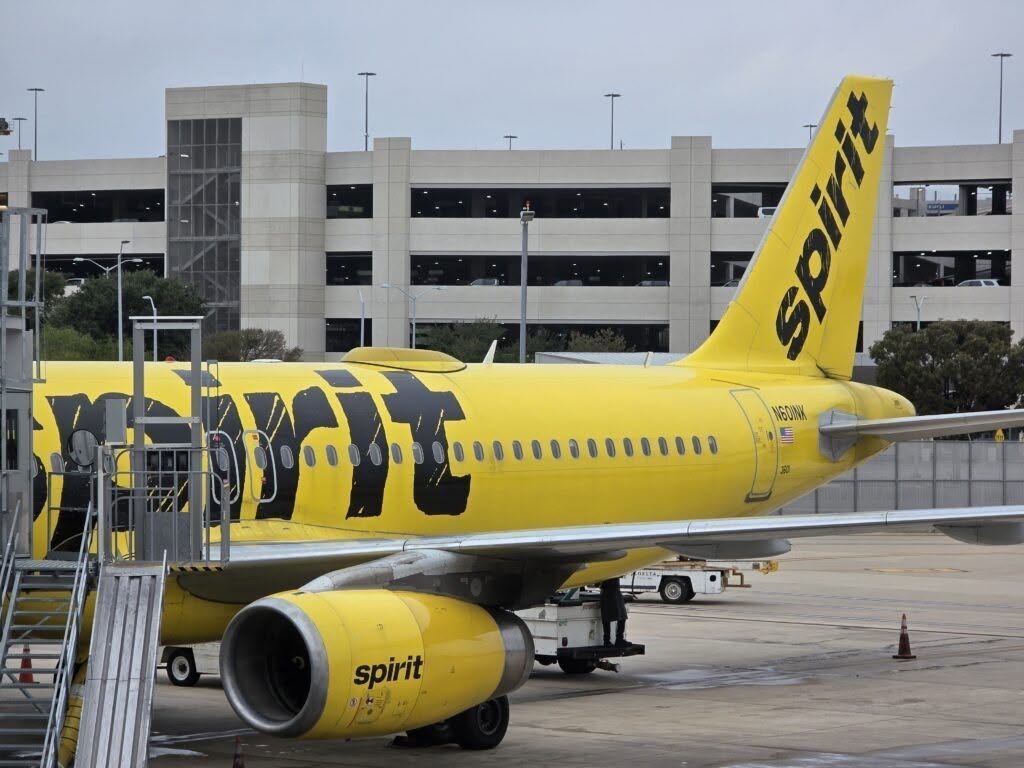
Three U.S. commercial aircraft operated by American Airlines, Spirit Airlines and JetBlue were struck by gunfire in or near Haiti. A Spirit flight attendant was injured, prompting the FAA to prohibit covered U.S. operators from flying below 10,000 feet in affected Haitian airspace. American suspended its Haiti operations.
2025 — Cap-Haïtien becomes increasingly important
While restrictions continued to prevent U.S. airline service to Port-au-Prince, Cap-Haïtien remained among the Haitian airports permitted for operations under the applicable FAA restrictions. Regional carriers continued to play a role in maintaining international connections.
June 2026 — American announces its return
American confirmed its plan to restart daily Miami–Cap-Haïtien flights on November 1. The announcement made it the first major U.S. airline to publicly announce a return to scheduled service to Haiti following the late-2024 suspensions.
September 2026 — Restrictions extended again
The FAA extended restrictions on certain low-altitude U.S. civil aviation operations in Haitian airspace through March 2, 2027. The measure continues to constrain access to Port-au-Prince while leaving the planned Cap-Haïtien service possible under the applicable rules.
Miami is a major gateway for Caribbean travel, and American’s extensive connecting network could make Cap-Haïtien easier to reach from other U.S. cities. Passengers from places such as New York and Orlando may be able to travel with a connection in Miami rather than arrange more complicated itineraries.
Sunrise Airways already operates nonstop services between Miami and Cap-Haïtien, making it a direct competitor on the route. American’s entry will expand the available capacity and give passengers another airline to compare on schedules, baggage allowances, onboard services and fares.
The effect on prices remains uncertain. Online fares vary substantially according to travel dates and availability, so individual comparisons should be made for the same itinerary and booking conditions. The advertised prices of around US$539 for American and US$581 for Sunrise should not be treated as fixed market-wide fares.
Cap-Haïtien is increasingly important as an international gateway while U.S. flights to the capital remain restricted. However, airport accessibility alone cannot resolve Haiti’s broader transportation challenges: travelers may still face security concerns and difficult ground journeys between northern Haiti and other parts of the country.
American’s November launch does not represent a reopening of U.S. airline service to Port-au-Prince. The planned flights are specifically to Cap-Haïtien, and the FAA’s restrictions remain a separate security measure affecting operations in and around the capital.
American Airlines’ planned return is an important development for Haiti’s international connectivity and for passengers who depend on links between the country and the United States. The daily Miami–Cap-Haïtien service should broaden travel options and strengthen the northern airport’s role in the national aviation network.
However, the wider recovery of Haiti’s airline market will depend on sustained improvements in security, the removal or modification of applicable restrictions, and airlines’ confidence that flights can operate reliably. For now, the November 1 launch is best understood as a targeted restoration of service to northern Haiti, rather than a full return to normal U.S.–Haiti air connectivity.
You may like to read.....


(1).jpg)