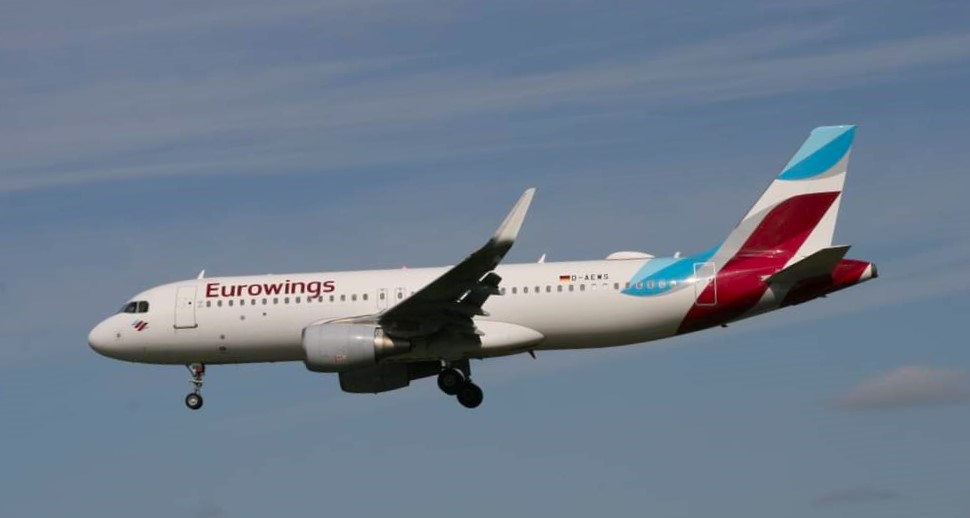


JAL orders 26 aircraft, including 16 firm orders and 10 options, with deliveries scheduled to begin in fiscal year 2029 as the airline targets improved fuel efficiency, lower emissions and sustainable domestic operations.
Japan Airlines (JAL) has selected the Embraer E190-E2 as the successor to the Embraer E170 and E190 aircraft operated by its regional subsidiary, J-AIR Co., Ltd. The airline has placed an order for 26 aircraft, comprising 16 firm orders and 10 options, with deliveries scheduled to begin in fiscal year 2029.
The fleet renewal marks a significant step in JAL's long-term strategy to modernize its domestic operations, improve operational efficiency and maintain a sustainable regional air network across Japan. The new-generation regional jet will operate within J-AIR's network, which is based at Osaka International Airport (Itami) and connects communities across the country.
The decision comes as Japan's domestic aviation industry faces mounting economic and structural pressures, including declining business travel demand, long-term demographic changes, inflation-driven cost increases and adverse currency movements.
Through the introduction of the E190-E2, JAL aims to align its regional fleet with evolving market demand while strengthening the long-term viability of domestic air services that support regional economies and communities.
The Embraer E190-E2 is the latest-generation development of the Brazilian manufacturer's E-Jet family. It incorporates Pratt & Whitney PW1900G geared turbofan engines, a redesigned wing and aerodynamic improvements intended to reduce fuel consumption, emissions and operating costs compared with the previous generation.
For JAL, these improvements are particularly relevant as the airline seeks to balance the financial sustainability of regional services with its environmental commitments.
According to Embraer, the E-Jets E2 family offers up to 29% better fuel efficiency per seat than the first-generation E-Jets. The manufacturer also highlights significantly lower noise levels, with the E2 family achieving up to a 68% reduction in noise footprint compared with its predecessors. Actual results depend on the aircraft configuration and operating conditions. Embraer+1
The E190-E2's principal advantages include:
These characteristics make the E190-E2 a potential fit for J-AIR's regional operations, where airlines must carefully balance passenger demand, route economics and service frequency.
According to the specifications provided by JAL, the E190-E2 has the following dimensions and performance characteristics:
| Specification | Details |
|---|---|
| Aircraft type | Embraer E190-E2 |
| Overall length | 36.3 metres (119 ft 1 in) |
| Wingspan | 33.7 metres (110 ft 7 in) |
| Overall height | 10.7 metres (35 ft 1 in) |
| Engine type | Pratt & Whitney PW1900G |
| Standard seating capacity | 97–114 passengers |
| Maximum stated range | 5,463 km (2,950 nautical miles) |
The aircraft's seating capacity provides flexibility for different cabin configurations, while its stated range offers operational versatility across a variety of domestic and regional markets. The final seating layout and configuration of JAL's aircraft have not been specified in the announcement.
Aircraft specifications are based on the information supplied with JAL's announcement. Actual operating range and seating capacity depend on configuration, payload and operating conditions.
The E190-E2 order forms part of the JAL Group's broader business restructuring and growth strategy, outlined in its JAL Group Management Vision 2035.
Japan's domestic aviation market faces several interconnected challenges. Changes in business travel demand and a declining population in the longer term are affecting the outlook for domestic passenger traffic, particularly in regional markets. At the same time, inflation, higher operating expenses and currency fluctuations are placing additional pressure on airline profitability.
For carriers operating regional routes, these pressures make fleet selection increasingly important. Aircraft must offer the right balance of capacity, fuel efficiency, reliability and maintenance costs to sustain services in markets where demand can vary considerably.
JAL's decision to introduce the E190-E2 is intended to address these challenges by improving the efficiency of its regional operations while preserving the connectivity that domestic air services provide.
The strategy also reflects the importance of regional aviation beyond the airline industry itself. Domestic flights connect communities with major cities, support tourism and business activity, and provide transport links for residents in areas where alternative travel options may be limited.
By investing in a more efficient regional aircraft, JAL aims to maintain and develop its domestic network as an essential part of Japan's social and economic infrastructure.
J-AIR is a regional airline within the JAL Group, operating from its principal base at Osaka International Airport, also known as Itami. Its network connects regional destinations across Japan, extending from Memanbetsu in Hokkaido in the north to the Amami Islands in Kagoshima Prefecture in the south.
The airline focuses on providing reliable, accessible air services that connect smaller communities with larger population centres and the wider JAL network.
The E190-E2 will succeed J-AIR's existing Embraer E170 and E190 aircraft. The transition is expected to support the airline's longer-term operational requirements, although JAL has not yet disclosed the specific routes on which the new aircraft will operate or the timetable for completing the fleet replacement.
The order comprises 16 firm aircraft and 10 options, giving JAL the flexibility to expand the programme depending on future operational needs. The 26-aircraft agreement should therefore be understood as a potential fleet commitment rather than a confirmed purchase of all 26 aircraft.
The introduction of the E190-E2 will also continue J-AIR's use of Embraer regional jets, building on the operational experience gained from its existing fleet.
Commenting on the fleet decision, Mitsuko Tottori, President and Group CEO of Japan Airlines, emphasised the importance of domestic aviation to Japan's regional economies and everyday life.
She said:
"We are delighted to welcome the state-of-the-art Embraer E190-E2 to the JAL Group fleet as our new wings, an aircraft that boasts superior environmental performance and economic efficiency."
Tottori added that the investment would help the airline maintain and develop a sustainable domestic network for future generations while contributing to Japan's future.
She also expressed the airline's intention to provide passengers with an improved and more comfortable travel experience through the introduction of the new aircraft.
Her comments underline the dual purpose of the investment: improving the commercial sustainability of regional operations while maintaining the connectivity needed by communities throughout Japan.
JAL expects deliveries of the E190-E2 to begin in fiscal year 2029. The announcement does not specify the delivery sequence, the date on which the first aircraft will enter commercial service, or the expected completion date for replacing the existing E170 and E190 fleet.
The airline has also yet to announce the final cabin configuration, aircraft deployment plan or detailed retirement schedule for its current regional jets.
These details will be important in determining how the fleet renewal affects J-AIR's capacity, route structure and passenger experience.
For now, the order establishes the E190-E2 as the centrepiece of JAL's next phase of regional fleet modernization.
Japan Airlines' decision to introduce the Embraer E190-E2 represents a strategic investment in the future of its domestic regional network. With 16 firm orders and options for another 10 aircraft, the programme is designed to replace J-AIR's existing E170 and E190 fleet with a more technologically advanced regional jet.
The E190-E2's improved fuel efficiency, lower noise footprint and potential maintenance-cost advantages align with JAL's objectives of improving operational economics and reducing the environmental impact of its operations.
However, the significance of the investment extends beyond aircraft performance. For J-AIR, maintaining reliable links between regional communities and Japan's major cities remains central to its role within the JAL Group.
As Japan's aviation market adapts to demographic changes, evolving travel demand and rising operating costs, the new fleet is intended to help preserve the viability of domestic air services while supporting regional economic activity.
With deliveries scheduled to begin in fiscal year 2029, the programme marks an important milestone in JAL's efforts to build a more efficient and sustainable regional aviation network.


(1).jpg)