
Portugal selects German aviation group for a €1.2 billion investment in its national carrier, setting the stage for a new phase of European airline consolidation while retaining state control of TAP.
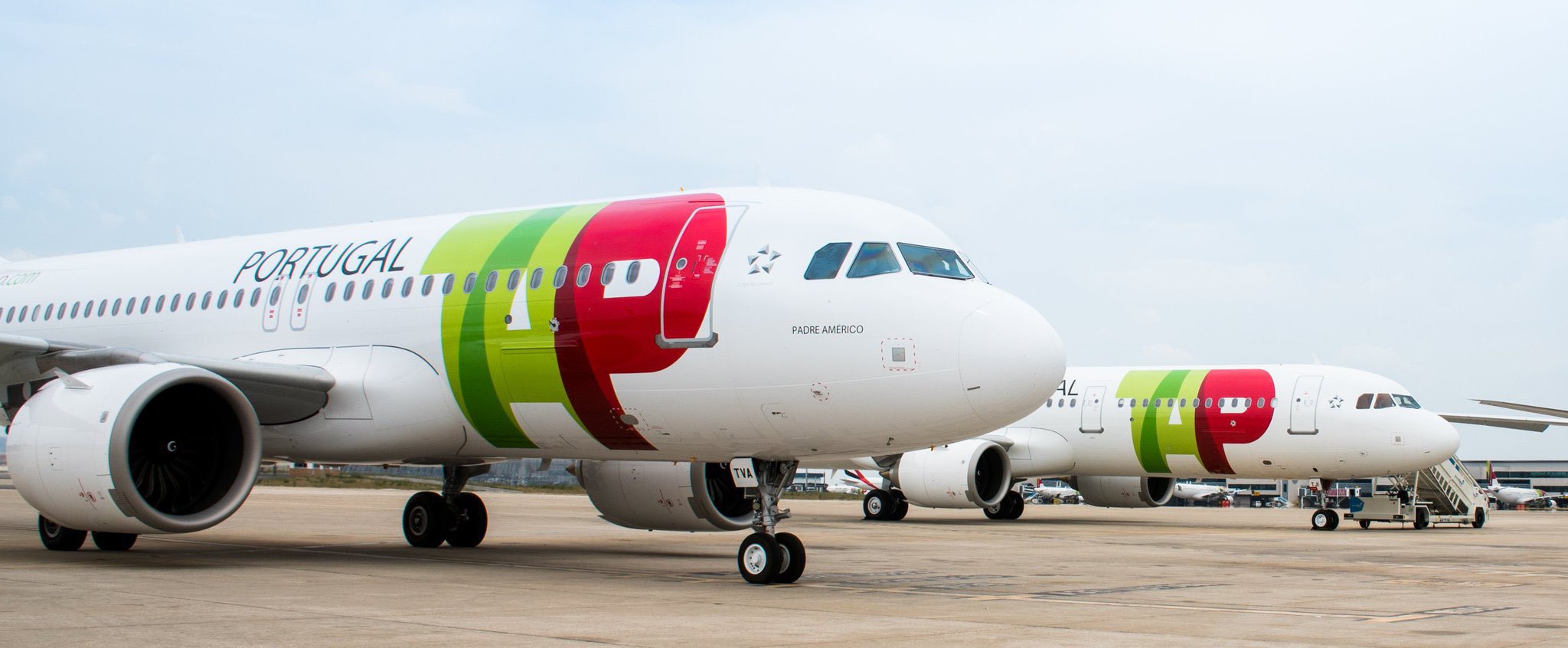
Lufthansa Group has emerged victorious in the competition to acquire a stake in TAP Air Portugal, outbidding rival Air France-KLM in a major development for the European aviation industry. Portugal's government announced its decision on Wednesday, selecting the German airline group as the preferred strategic investor in the country's flag carrier.
The transaction, valued at approximately €1.201 billion, covers the sale of a 44.9% stake in TAP, with an additional 5% reserved for the airline's employees. Lufthansa's acquisition could therefore reach 49.9%, depending on whether employees exercise their right to purchase shares. The Portuguese state will retain a 50.1% majority holding, preserving government control of the airline during the initial phase of the partnership. The agreement remains subject to the relevant regulatory procedures. 【turn0search0】【turn0news9】
The decision concludes a closely watched contest between two of Europe's largest airline groups and represents an important milestone in Portugal's long-running effort to privatise TAP. It also gives Lufthansa an opportunity to strengthen its position in Southern Europe and expand its reach across the South Atlantic, particularly through TAP's established connections between Lisbon, Brazil and other Portuguese-speaking markets.
Portugal's government said Lufthansa submitted the financially stronger proposal, with an offer reportedly up to 16% higher than that of Air France-KLM. Officials also cited the investment plan, contractual terms and the overall certainty of the proposal in explaining their selection. 【turn0search0】
The selection of Lufthansa follows several years of efforts to find a strategic investor for TAP Air Portugal, an airline whose geographical position and international route network have made it an attractive acquisition target.
Portugal relaunched the privatisation process in 2025, seeking a major airline partner capable of strengthening TAP's competitiveness, expanding its international network and supporting its long-term financial sustainability. The government initially targeted the sale of a 44.9% minority stake, while reserving 5% for employees.
The process gained momentum in 2026 when Lufthansa and Air France-KLM emerged as the two remaining bidders. Both groups submitted non-binding offers in April before progressing to binding proposals in July.
At that stage, Portugal described the competing bids as ambitious in their financial, industrial and strategic dimensions. The government subsequently invited both bidders to improve their proposals, with the final offers submitted on September 30. 【turn0news12】【turn0search6】
The outcome was announced on October 14, when the government confirmed that Lufthansa had prevailed.
According to the Portuguese government's announcement, the transaction's total value, including the employee share allocation, is approximately €1.201 billion. The government also said the proposed valuation exceeds independent assessments made since 2023 and reflects improvements in TAP's management, restructuring and financial performance. 【turn0search0】
The decision marks another chapter in TAP's complicated ownership history. Earlier privatisation attempts in 1998 and 2015 failed to establish a lasting private-sector ownership structure, while the airline returned to state ownership during the COVID-19 crisis. The latest process is intended to secure a long-term strategic partner while protecting Portugal's interests in its national airline. 【turn0news9】【turn0search7】
For Lufthansa, the investment represents more than a financial transaction. It offers an opportunity to expand its European network and reinforce its position in markets where TAP has developed a particularly strong presence.
Lufthansa already operates a multi-airline group that includes SWISS, Austrian Airlines, Brussels Airlines and ITA Airways. Its acquisition strategy has focused on integrating airlines into a broader network while retaining important elements of their individual identities.
TAP could become another component of that model, bringing Lufthansa access to Lisbon's strategic position between Europe, the Americas and Africa.
Portugal's government has outlined several elements of Lufthansa's proposed development plan:
The Portuguese government has said that the proposal includes commitments to retain the TAP brand and headquarters in Portugal, preserve connections to the country's islands and strengthen the airline's domestic economic contribution. These commitments are central to Lisbon's objective of combining international expansion with the protection of national aviation interests. (Portuguese government announcement)
The fleet expansion, infrastructure investment and potential aircraft transfers outlined in the proposal would require substantial capital and implementation over several years. Their delivery will therefore be an important measure of whether the proposed partnership achieves its stated ambitions.
TAP's principal attraction lies in its route network and geographical position.
Lisbon provides a natural gateway between European markets and destinations in South America, Africa and North America. The airline has developed particularly strong links with Brazil, reflecting historical, linguistic, commercial and cultural ties between the two countries.
TAP also serves Portuguese-speaking African countries, including Angola and Mozambique, giving it an established position in markets that are important to Portugal's international connectivity.
According to figures reported by the Associated Press, TAP carried 16.7 million passengers in 2025. Its fleet of more than 90 aircraft served over 90 destinations across Europe, Africa and the Americas. The airline reported a net profit of €4.1 million for the same year. (Associated Press)
These operations provide Lufthansa with an opportunity to broaden its network beyond its established Central European hubs.
The commercial logic extends beyond adding destinations. A larger group can potentially coordinate schedules, improve connections between partner airlines, consolidate purchasing and maintenance activities, and distribute passengers across a wider network.
For passengers, effective integration could create more convenient connections between European cities and destinations in Brazil and other parts of Latin America. However, the actual benefits will depend on the routes, schedules, fares and services that Lufthansa and TAP ultimately establish.
The acquisition could also strengthen Lufthansa's position in the transatlantic market, where competition between European airline groups and their international partners remains intense.
Lufthansa's selection represents a setback for Air France-KLM, which had also pursued TAP as a strategic addition to its multi-hub network.
The Franco-Dutch group submitted its initial non-binding offer in April 2026 and subsequently delivered binding and final proposals. Its plan envisaged making Lisbon its exclusive Southern European hub, strengthening connections to the Americas and Africa while developing operations elsewhere in Portugal.
Air France-KLM also highlighted investment in maintenance, repair and overhaul activities in Portugal. Its proposal received support from Delta Air Lines, its transatlantic joint-venture partner, reflecting a shared interest in strengthening connectivity between Portugal and North America. (Air France-KLM, Air France-KLM final offer)
The competing strategies reflected different opportunities for network development.
For Air France-KLM, TAP would have provided an additional Southern European hub alongside its established operations in Paris and Amsterdam. For Lufthansa, the Portuguese airline offers a complementary presence in the Iberian Peninsula and an established gateway to the South Atlantic.
Portugal's government ultimately selected Lufthansa after both bidders strengthened their offers during the final negotiation phase. The government said the winning proposal was up to 16% higher financially and offered greater certainty.
The result highlights the importance of TAP's strategic value to Europe's major airline groups. Both were prepared to compete for a minority holding in an airline that could strengthen their international networks for years to come.
The agreement also reflects the broader consolidation of Europe's aviation industry.
Airlines face substantial capital requirements, fluctuating fuel costs, infrastructure constraints and intense competition from both established carriers and lower-cost operators. Membership in a larger group can provide access to additional financial resources, operational expertise and a more extensive distribution network.
For smaller national airlines, partnerships with major groups can offer opportunities to expand internationally without having to develop every capability independently.
Lufthansa's investment in TAP fits this pattern. Its experience with several European airlines provides a potential framework for integrating the Portuguese carrier into a larger organisation while maintaining its identity and local operations.
However, the transaction also raises questions about market competition.
Closer cooperation between TAP and Lufthansa could affect how the airlines coordinate routes, schedules and commercial activities. The extent of any benefits or risks will depend on the final structure of the transaction and the regulatory conditions attached to it.
European regulators will therefore play an important role in determining how the proposed partnership proceeds.
The outcome will also be relevant to other European carriers considering strategic investments or partnerships as the industry continues to consolidate.
Despite Lufthansa's selection, the immediate transaction does not amount to a complete privatisation of TAP.
Under the announced structure, Lufthansa will acquire 44.9% of the airline, with the potential to purchase an additional 5% if employees do not exercise their share-purchase rights. The Portuguese state will retain 50.1% of TAP during this initial phase.
The proposed governance arrangements would give Lufthansa three executive board appointments, alongside one executive representative designated by the Portuguese state. The government has also outlined arrangements intended to preserve its influence over the airline's strategic direction.
Nevertheless, the announcement leaves open the possibility of a more extensive ownership change.
Portugal's government said both bidders had submitted proposals for acquiring a majority of TAP in a possible second phase. Lufthansa's proposal envisages an additional transaction that would value the company at approximately €2.552 billion in total, subject to the terms and completion of that subsequent phase.
The government's stated objective is to recover public investment made in TAP over the past decade, estimated at €3.2 billion, through the transaction, potential future dividends and the value of its remaining investment.
The government has indicated that a second phase could be completed by early 2028. However, this remains a separate step rather than an automatic consequence of the initial stake sale. (Portuguese government announcement)
This approach allows Portugal to pursue private-sector investment while retaining a degree of control over an airline considered important to the country's economy, tourism industry and international connectivity.
For TAP's passengers, the most immediate implications are likely to concern the airline's longer-term network development rather than an immediate change in its day-to-day operations.
Closer integration with Lufthansa could create more connecting opportunities across Europe and improve access to destinations served by the wider group. Increased investment could also support fleet renewal, additional capacity and improvements to operational infrastructure.
Lisbon's role as a connecting hub is likely to remain central to TAP's strategy, while the proposed expansion in Porto could strengthen the airline's presence in northern Portugal.
The government has also identified the preservation of TAP's brand, headquarters and island connections as important conditions of the transaction.
For employees, the allocation of up to 5% of shares offers an opportunity to participate in the airline's ownership. Proposed investments in maintenance, engineering and training could also create opportunities for skilled employment.
However, the scale of these benefits will depend on how the business plan is implemented. Fleet expansion, route development and infrastructure investment require time, and the announcement alone does not guarantee specific new services or employment outcomes.
The transition will also require coordination between TAP's existing operations and Lufthansa's wider corporate structure.
Although Portugal's government has selected Lufthansa, the transaction must still progress through the applicable regulatory procedures.
Competition authorities will need to assess the proposed arrangement and any implications for competition in relevant aviation markets. The final terms and implementation timetable will determine how quickly the new partnership can take shape.
The subsequent phase of privatisation, if pursued, will introduce another set of decisions concerning ownership, governance and the Portuguese state's future role.
For Lufthansa, the priority will be to translate the strategic rationale into sustainable commercial results. For Portugal, the challenge will be to attract the benefits of a major international airline group while protecting TAP's contribution to national connectivity and the wider economy.
The outcome will ultimately be judged not simply by the acquisition price, but by the airline's performance, network development and ability to maintain its strategic importance to Portugal.
Lufthansa's successful bid for a stake in TAP Air Portugal marks a significant development in Europe's evolving airline landscape.
The €1.201 billion transaction gives Lufthansa a pathway to expand its presence in Southern Europe and strengthen its access to markets across the Atlantic. For TAP, the proposed partnership offers the prospect of additional investment, fleet growth and closer integration with a major international aviation group.
For Air France-KLM, the result closes an important strategic opportunity and leaves Lufthansa positioned to develop the relationship with TAP.
Portugal, meanwhile, has opted for a model that combines outside investment with continued state ownership, at least in the initial phase. Whether this arrangement ultimately leads to a broader transfer of ownership will depend on the next stage of the privatisation process.
The central question now is whether Lufthansa can turn its investment into sustained growth for TAP while preserving the Portuguese carrier's identity, Lisbon hub and role in connecting Portugal with the wider world.
| Item | Details |
|---|---|
| Preferred investor | Lufthansa Group |
| Competing bidder | Air France-KLM |
| Announced decision | October 14, 2026 |
| Initial stake | 44.9% |
| Additional employee allocation | Up to 5% |
| Maximum potential stake in the initial phase | 49.9% |
| Announced transaction value | Approximately €1.201 billion |
| Portuguese state's initial holding | 50.1% |
| Reported financial advantage over rival bid | Up to 16% |
| Proposed fleet development | 117 aircraft by 2035; potentially 130 thereafter |
| Main strategic focus | Lisbon hub, Porto expansion and transatlantic connectivity |
| Further privatisation | Possible second phase, with completion targeted by early 2028 |
| Outstanding requirements | Regulatory procedures and implementation of the transaction |
Sources: Portuguese Government, Associated Press, Reuters reporting published via Euronext, Air France-KLM.

(1).jpg)