
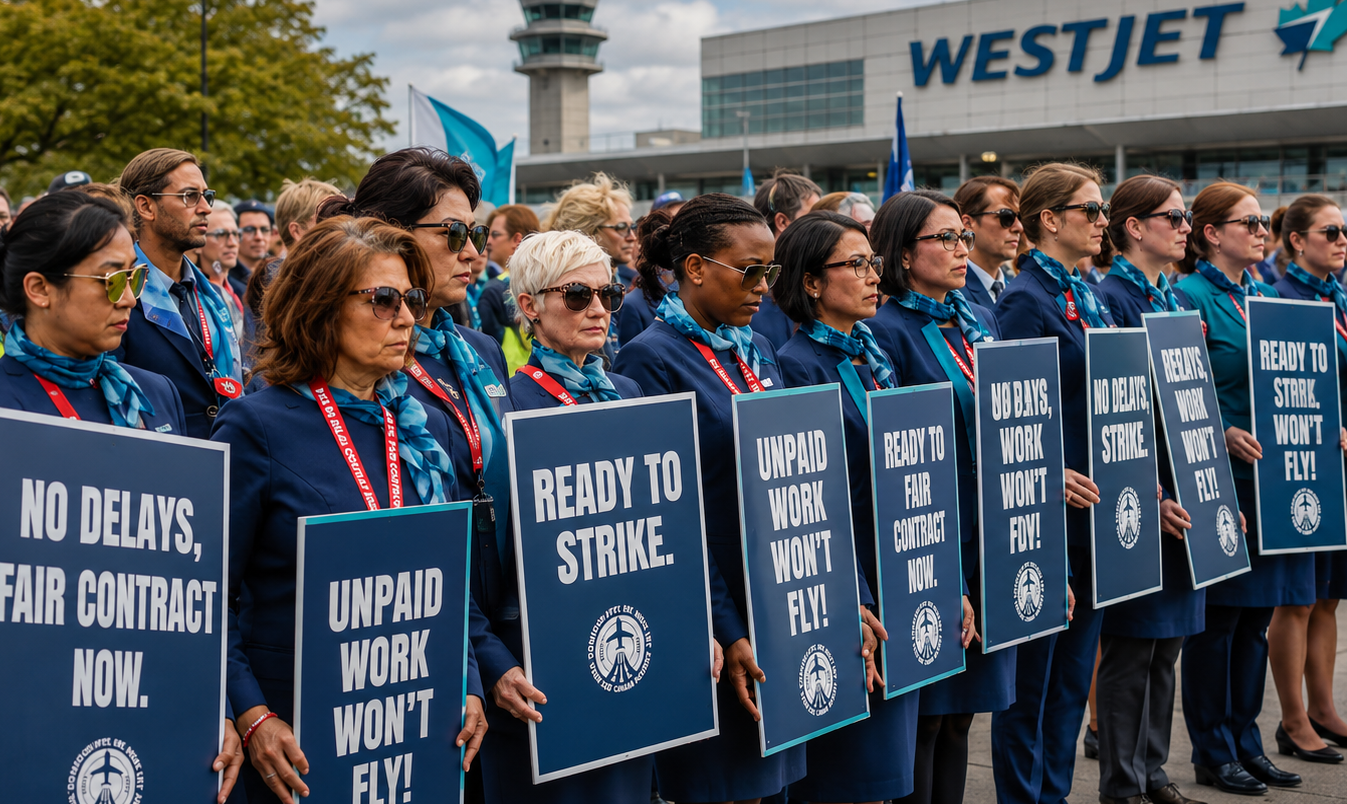
WestJet is facing one of the largest labor disruptions in its recent history after approximately 4,400 flight attendants represented by the Airline Cabin Crew Association (ACCA) began strike action, forcing the carrier to significantly reduce its flight schedule during one of Canada's busiest travel periods.
The strike, which began shortly after midnight Calgary time, follows months of negotiations over wages and working conditions. As the labor action took effect, WestJet initiated an organized reduction of its network, cancelling hundreds of flights and parking aircraft to maintain operational control and prevent passengers and crews from becoming stranded.
The airline said the decision to proactively scale back operations was necessary after the union issued its 72-hour strike notice and the two sides failed to reach a negotiated agreement.
WestJet has already cancelled more than 300 flights, with additional cancellations expected as the strike continues.
According to the airline, reducing operations in advance allows it to reposition aircraft, support affected customers, and minimize disruptions across its domestic and international network.
To ensure the integrity of WestJet's network, and to minimize the risk of stranding guests and aircraft, the airline has started to issue cancellations and reduce flying, the carrier said in a statement.
This action is in response to the union’s notice to strike and the inability to reach an agreement. WestJet’s most recent proposal was designed to be a transformative, industry-leading agreement for WestJet’s Cabin Crew, and directly addressed the key issues the union identified as its priorities.
To ensure the integrity of WestJet’s network, and to minimize the risk of stranding guests and aircraft, the airline has started to issue cancellations and reduce flying. These actions ensure the airline has complete control of its operations and can communicate with guests and crew to minimize people being stranded.
Despite the ongoing labor action, WestJet emphasized that it remains at the bargaining table and is committed to reaching a tentative agreement with the union.
The strike centers on compensation for cabin crew.
The Airline Cabin Crew Association argues that WestJet flight attendants are paid only from the moment an aircraft's doors close before departure until they reopen after landing. As a result, several required duties—including passenger boarding, safety demonstrations, security checks, and other pre-flight responsibilities—are performed without compensation.
The union is seeking higher wages as well as pay covering the entire duty period rather than only the time spent in the air.
WestJet maintains that its latest contract proposal represented an industry-leading agreement that addressed the union's key priorities while recognizing the professionalism and contributions of its cabin crew.
The labor action comes during Canada's August holiday period, one of the busiest travel seasons of the year.
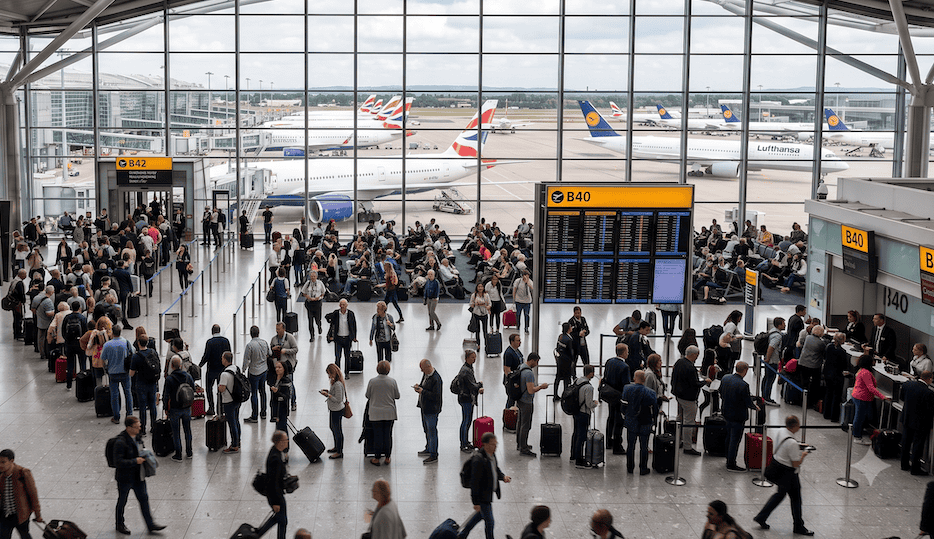
With thousands of passengers expected to travel over the long weekend, the strike threatens widespread disruptions across WestJet's domestic network as well as international services to the United States, Mexico, the Caribbean, and Europe.
Passengers have been advised to monitor their flight status and remain in contact with the airline regarding rebooking options.
The dispute follows several years of labor unrest within WestJet.
In 2023, the airline narrowly avoided a pilots' strike after reaching a last-minute agreement with the Air Line Pilots Association (ALPA). That contract significantly increased pilot compensation amid a competitive North American hiring market.
More recently, WestJet mechanics represented by the Aircraft Mechanics Fraternal Association (AMFA) launched strike action in 2024, resulting in widespread flight cancellations before the dispute was resolved.
The current cabin crew negotiations represent another major test for the airline as it continues rebuilding operations following the COVID-19 pandemic while managing rising labor costs and strong passenger demand.
Although strike action is now underway, negotiations between WestJet and the union remain active.
Both sides have indicated they are willing to continue discussions in hopes of reaching a tentative agreement that would end the disruption and restore normal operations.
Until an agreement is reached, passengers should expect further schedule changes as WestJet continues to adjust its network in response to the ongoing labor action.

.jpg)