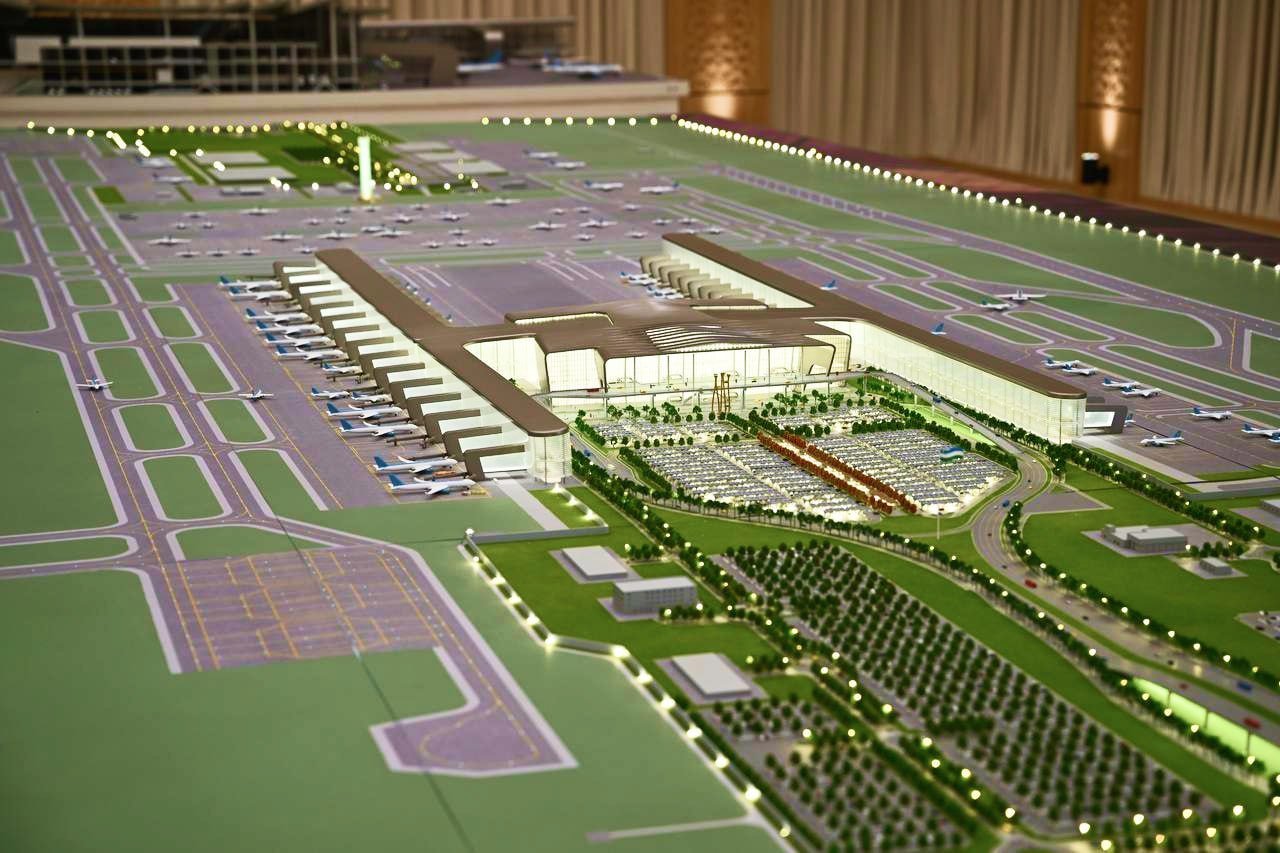

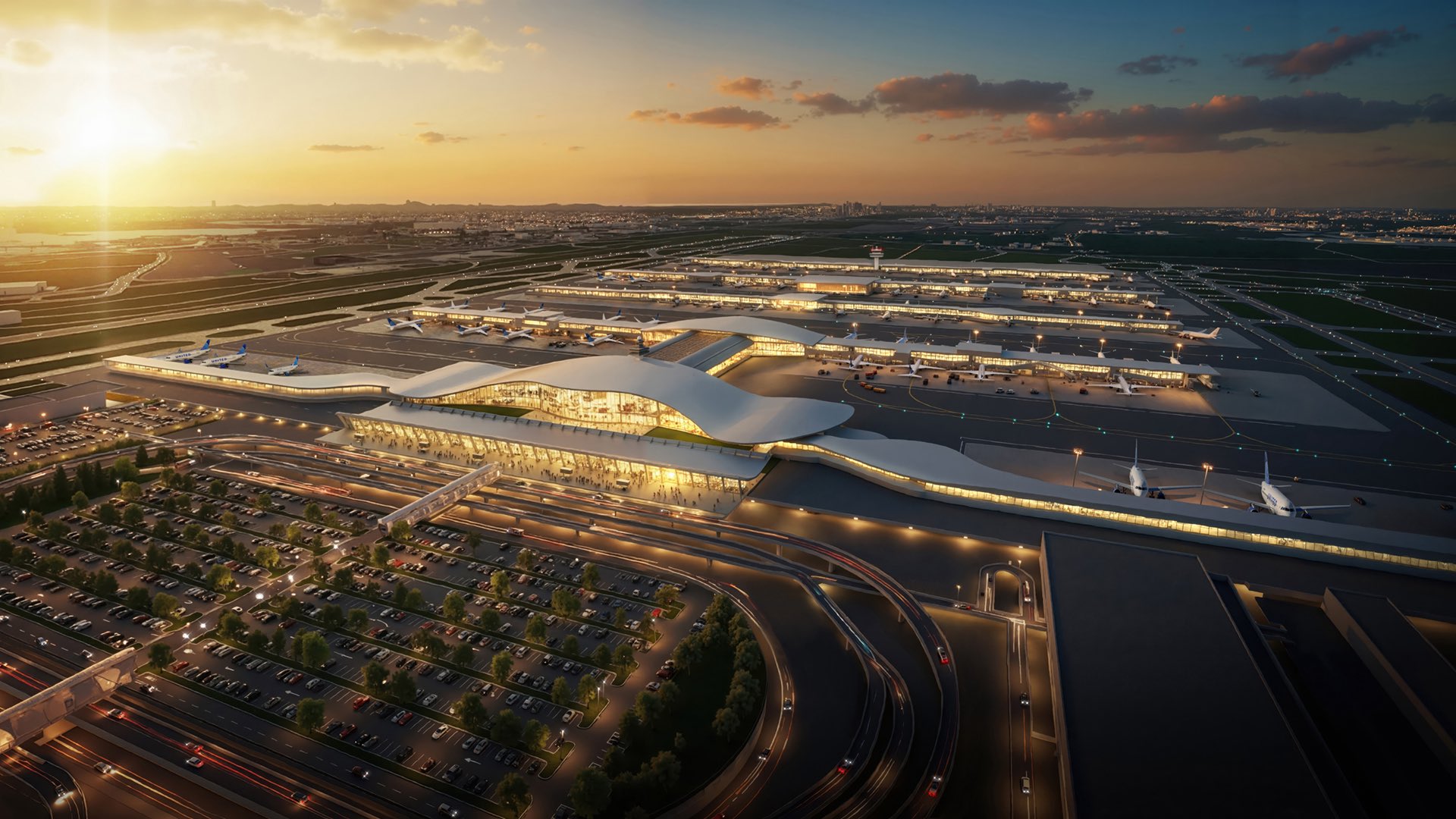
Washington Dulles International Airport (IAD) is poised to undergo one of the most ambitious airport redevelopment programs in U.S. aviation history following the unveiling of a comprehensive modernization vision by U.S. Transportation Secretary Sean P. Duffy alongside President Donald J. Trump at the White House.
President Donald Trump has unveiled an ambitious modernization vision for Washington Dulles International Airport (IAD), outlining a major transformation plan six months after announcing that his administration would pursue improvements at the facility.
Trump, alongside U.S. Transportation Secretary Sean Duffy, introduced the initiative from the Oval Office, highlighting a new chapter in the airport’s development.
According to a statement from United Airlines, the redevelopment program will transform Dulles over the coming decade into a modern, world-class international gateway. As one of the airport’s largest operators, United Airlines is partnering with the Metropolitan Washington Airports Authority (MWAA) to support the extensive modernization effort.
The landmark initiative, supported by an investment exceeding $20 billion, will transform Dulles into a next-generation international gateway through a strategic partnership involving the U.S. Department of Transportation (USDOT), the Metropolitan Washington Airports Authority (MWAA), and United Airlines.
Designed to reinforce Washington Dulles' role as the primary international gateway to the U.S. capital, the program represents a substantial expansion of the airport's existing master plan and increases planned investment from approximately $7 billion to more than $20 billion.
The modernization follows a nationwide call for proposals issued by USDOT in December 2025, attracting more than 30 submissions from leading developers, architects, and engineering firms.
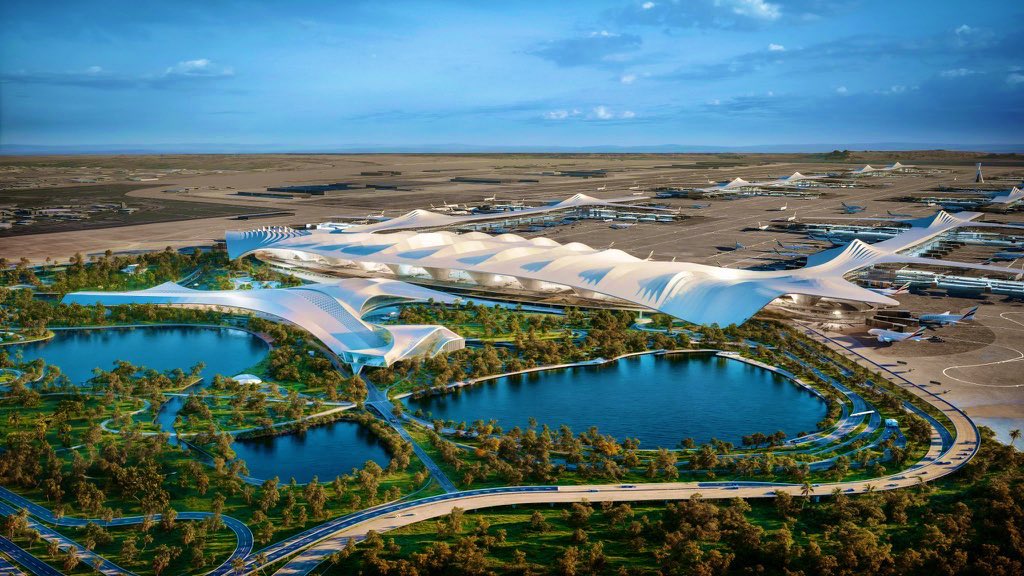
The selected proposal envisions more than 5 million square feet of new and renovated facilities, creating an airport designed around passenger convenience, operational efficiency, sustainability, and long-term growth.
According to USDOT, the project is expected to generate thousands of high-quality jobs, stimulate billions of dollars in regional economic activity, and enable hundreds of additional domestic and international flights, strengthening Northern Virginia's position as one of North America's premier aviation hubs.
At the heart of the redevelopment is a complete reimagining of the customer journey.
Travelers can expect:
The project also introduces a fully integrated passenger circulation system.
New AeroTrain extensions, a central pedestrian tunnel, and improved terminal connectivity will eventually eliminate the need for Dulles' iconic—but often criticized—mobile lounges, significantly improving passenger mobility throughout the airport.
International arrivals will also benefit from a completely redesigned U.S. Customs facility connected through new pedestrian walkways, delivering a faster and more seamless arrival experience.
Meanwhile, a state-of-the-art baggage handling system will dramatically improve baggage delivery performance and operational efficiency.
One of the defining aspects of the redevelopment is its commitment to preserving Eero Saarinen's iconic Main Terminal, one of the world's most recognizable airport buildings.
Rather than replacing the historic structure, the modernization will integrate new terminals and concourses while respecting the architectural heritage that has defined Dulles since its opening in 1962.
The result will be a modern airport that combines architectural preservation with cutting-edge aviation infrastructure.
As Dulles' largest airline and primary hub operator, United Airlines will play a central role in the transformation.
Construction is already progressing on the first phase of the airport's new Concourse E, scheduled to open with 14 new United gates later this year.
The new concourse will provide:
United expects the expanded facilities to strengthen Washington Dulles as one of its premier international hubs.
Beyond infrastructure improvements, the redevelopment is expected to become a major economic catalyst for the Washington metropolitan region.
The program will create thousands of construction and aviation-related jobs while generating billions of dollars in economic activity through expanded airline operations, tourism, business travel, and commercial development.
Funding will primarily come through municipal bond financing coordinated by MWAA in partnership with airlines serving Dulles, providing lower financing costs than traditional private-sector funding. Additional elements of the development will incorporate public-private partnerships to support long-term investment.
Announcing the initiative, U.S. Transportation Secretary Sean P. Duffy emphasized the broader national significance of the project.
"By partnering with United Airlines and MWAA, we will create thousands of jobs and build a world-class airport filled with stunning architecture, efficient security screenings, hundreds of new flights, and improved mobility while preserving Dulles' iconic main terminal."
MWAA President and CEO Jack Potter described the program as a significant acceleration of the airport's long-term master plan, noting that the expanded vision will deliver facilities worthy of the nation's capital.
United Airlines CEO Scott Kirby highlighted the strategic importance of the project for both the airline and Washington Dulles, describing the airport as the gateway connecting the U.S. capital with the world and emphasizing the carrier's commitment to continued investment at its Dulles hub.
Construction will be delivered in multiple phases over several years, allowing Washington Dulles International Airport to remain fully operational throughout the redevelopment.
Once complete, the transformed airport will offer a dramatically enhanced passenger experience, expanded international connectivity, modern infrastructure, and significantly increased operational capacity.
More than simply replacing aging facilities, the project represents a generational investment that positions Washington Dulles among the world's leading international airports—creating an aviation gateway that reflects the importance of the United States' capital while supporting future growth in global air travel.