

Key Highlights: New Tashkent International Airport Project
India's Larsen & Toubro (L&T) has commenced initial engineering and pre-construction activities for Uzbekistan's proposed New Tashkent International Airport after receiving a Limited Notice to Proceed (LNTP), marking an important step towards the development of a major new aviation hub in Central Asia.
The estimated US$2.5 billion greenfield airport project is being developed under a public-private partnership (PPP) framework and is intended to strengthen Uzbekistan's international air connectivity while supporting the country's growing passenger, cargo and tourism markets. With operations targeted to begin in 2030, the development is expected to play a significant role in the long-term expansion of the country's aviation infrastructure.
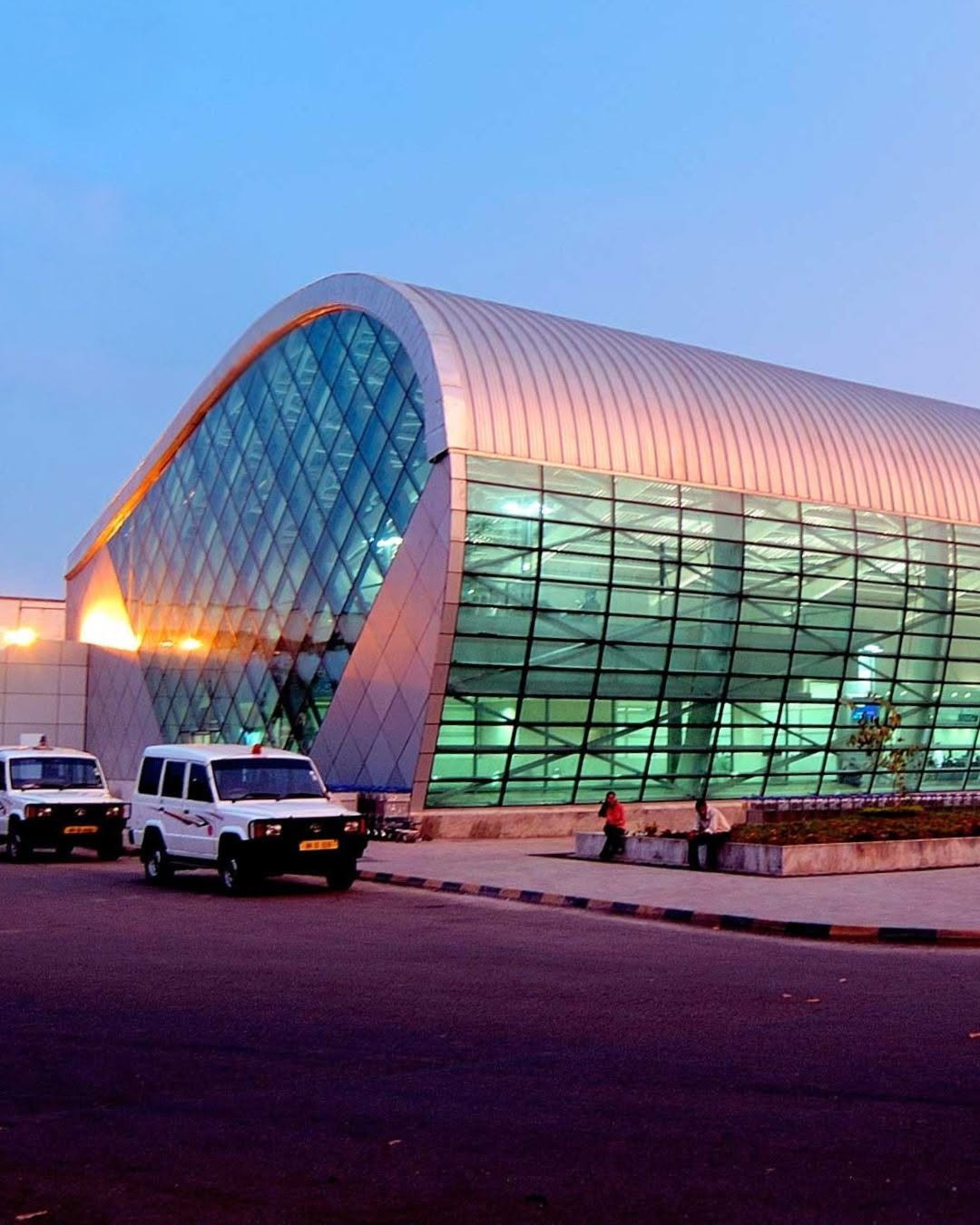
The commencement of preliminary activities moves the project towards its engineering and construction phases, with L&T undertaking work associated with the passenger terminal, supporting infrastructure and essential airport systems.
Tashkent, Uzbekistan's capital and principal international aviation gateway, serves as a key connection point between Central Asia and destinations across Asia, Europe and the Middle East. The development of a new international airport reflects the country's ambitions to expand aviation capacity, improve passenger handling and strengthen its position in regional and international air transport.
The proposed airport is planned as a greenfield development, allowing the construction of purpose-built aviation infrastructure rather than relying exclusively on the expansion of existing facilities. Its long-term development strategy includes capacity for future growth as passenger demand, airline networks and regional connectivity evolve.
The project is estimated to cost approximately US$2.5 billion and is being pursued through a PPP structure. This approach is intended to support the delivery and development of major airport infrastructure through cooperation between public-sector stakeholders and private-sector participants.
The issuance of the Limited Notice to Proceed to L&T represents an initial contractual milestone. It authorises the commencement of specified early-stage activities, including engineering and pre-construction work, ahead of subsequent stages of project delivery.
Under the reported scope of work, L&T will undertake key elements of the airport's passenger terminal development and associated landside infrastructure. The company's responsibilities are expected to cover several major engineering and construction disciplines.
Key work packages include:
The reported L&T contract scope is designed to support approximately 17 million passengers annually. The wider airport development, however, is planned to accommodate an initial 20 million passengers per year, with the potential to expand capacity to 46 million passengers annually.
The distinction between the contractor's reported scope and the overall airport capacity is important, as the figures refer to different aspects of the development.
The New Tashkent International Airport has progressed through several important development milestones as Uzbekistan has sought to expand its aviation infrastructure.
The proposed airport emerged from the need to provide additional capacity for Tashkent's growing aviation market. The existing Islam Karimov Tashkent International Airport is a central component of Uzbekistan's international connectivity, but limitations on future expansion have strengthened the case for a new greenfield facility.
Government planning has focused on establishing a larger airport complex capable of accommodating rising passenger demand, increasing cargo activity and supporting the development of Tashkent as a regional transport hub. The proposed facility is also intended to improve connections between air transport, road networks and other surface transport infrastructure. O‘zbekiston Respublikasi Hukumat portali+1
In May 2026, Uzbekistan's Ministry of Transport outlined plans to begin construction of the new airport in June. The proposed development was expected to cover approximately 1,300 hectares in the Tashkent region.
The project was structured around international investment and private-sector participation, with the airport planned to handle approximately 20 million passengers and 129,000 tonnes of cargo annually in its initial configuration. Plans also included integration with major highways and high-speed rail infrastructure. KZPPP
A major milestone followed in June 2026, when Uzbekistan Airports signed a 35-year public-private partnership agreement with an international consortium led by Saudi Arabia's Vision International Investment Company.
The consortium includes Japan's Sojitz Corporation and South Korea's Incheon International Airport Corporation, alongside Uzbekistan Airports, which retains a stake in the project company.
The agreement established the framework for the airport's development and subsequent operation. The project was scheduled to be implemented between 2026 and 2030, with the first development phase requiring an estimated US$2.5 billion. O‘zbekiston Respublikasi Hukumat portali+1
In July 2026, Sojitz announced its participation in the airport's development and operation business following the execution of the 35-year concession agreement.
The announcement reaffirmed the US$2.5 billion estimated investment and the target of opening the new airport in 2030. The project is intended to establish a major regional aviation hub serving passenger traffic, air cargo and logistics.
The concession framework provides for the development and operation of the new airport through cooperation between Uzbekistan Airports and the international consortium. 双日株式会社
The reported issuance of a Limited Notice to Proceed to L&T marks a further step towards the delivery of the airport's infrastructure.
An LNTP generally permits a contractor to begin specified preliminary work before the full notice to proceed is issued. Depending on the contractual terms, such activities can include engineering design, technical coordination, procurement planning and other pre-construction tasks.
For a development of this scale, early engineering is important for coordinating building design, utilities, structural requirements and the interfaces between terminal facilities and the wider airport infrastructure.
Verification note: The publicly available project information reviewed for this article confirms the June 2026 PPP agreement and the participation of Vision Invest, Sojitz, Incheon International Airport Corporation and Uzbekistan Airports. It does not independently establish L&T's reported LNTP or the specific contract scope described above. Those details should therefore be attributed to the project update pending confirmation from L&T or the project owner.
The New Tashkent International Airport is planned as a large-scale aviation complex designed to accommodate both immediate demand and long-term growth.
The principal development parameters include:
| Project parameter | Planned specification |
|---|---|
| Estimated first-phase investment | US$2.5 billion |
| Development model | Public-private partnership |
| Construction period | 2026–2030 |
| Target opening | 2030 |
| Initial passenger capacity | Approximately 20 million passengers annually |
| Potential future passenger capacity | Up to 46 million passengers annually |
| Initial annual cargo capacity | Approximately 129,000 tonnes |
| Site area | Approximately 1,310 hectares |
| Concession period | 35 years |
These figures are based on publicly reported project plans and concession announcements. 双日株式会社+2
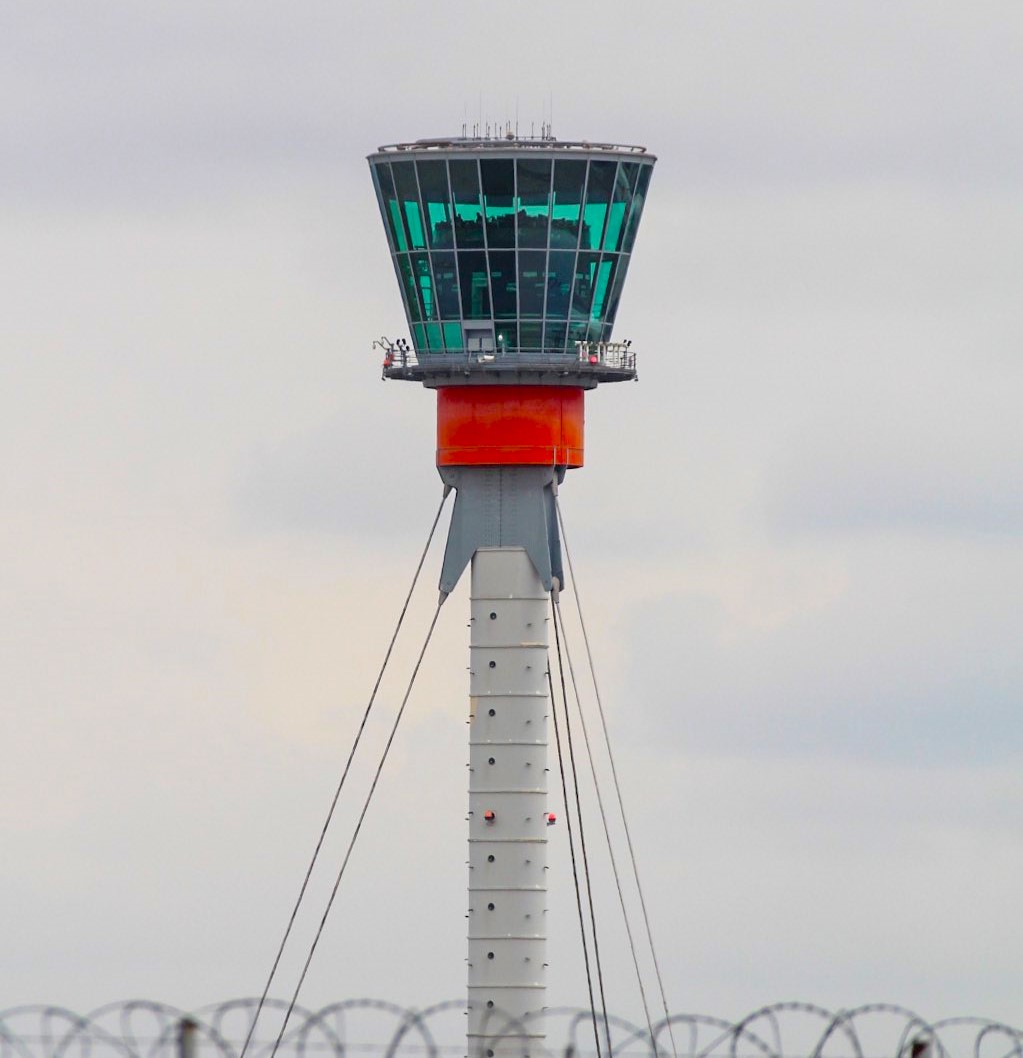
The initial development is expected to include two runways, a passenger terminal, aircraft parking stands, an air traffic control tower and supporting airport facilities. The wider infrastructure programme also envisages connections to major road networks and integration with high-speed rail.
The planned expansion to 46 million passengers annually would allow the airport to accommodate substantial future traffic growth without limiting development to its initial operating capacity.
The airport's development comes as Uzbekistan seeks to strengthen its position in international aviation and improve access to global markets.
Situated between major markets in Asia, Europe and the Middle East, Uzbekistan has the geographical potential to support a broader network of passenger and cargo connections. A larger airport facility could provide additional opportunities for airlines to introduce routes, increase frequencies and develop connecting services through Tashkent.
The project also has implications for cargo and logistics operations. Additional airport capacity, dedicated cargo facilities and improved surface transport connections could support the movement of goods between Central Asia and international markets.
For the aviation sector, the development offers the prospect of a new infrastructure platform capable of accommodating larger passenger volumes and a wider range of airline operations. However, the airport's eventual role as a regional hub will depend on factors including airline commitments, route development, operational efficiency and demand growth.
Delivering a greenfield airport of this scale within the planned 2026–2030 construction period will require close coordination between the public partner, private consortium, engineering contractors and airport systems suppliers.
Several areas will be particularly important:
The PPP structure adds another layer of coordination because the development and operation responsibilities are distributed between the public partner and the private consortium. Project disclosures indicate that the consortium will fund, construct and operate the landside facilities, while the public partner will retain responsibility for the airside infrastructure, with specialist engineering and construction contractors involved on both sides. IFC
With an estimated first-phase investment of US$2.5 billion and an opening targeted for 2030, the New Tashkent International Airport is one of Uzbekistan's major planned transport infrastructure developments.
The project has already advanced through the establishment of its PPP framework and the confirmation of an international development consortium. The reported commencement of L&T's preliminary engineering and pre-construction activities, if confirmed by the contractor or project owner, would represent another step towards turning the development plans into a construction programme.
The immediate priorities will be to advance engineering, coordinate the airport's multiple infrastructure packages and prepare for the main construction phase. Longer term, the development is intended to provide Uzbekistan with additional passenger and cargo capacity while strengthening its connections with international aviation markets.
If delivered to the planned schedule, the new airport could begin operations in 2030 with capacity for approximately 20 million passengers annually and a pathway for expansion to 46 million. Its eventual contribution to Central Asian aviation will depend on successful project delivery, effective airport operations and the continued development of airline networks serving Tashkent.
The next major milestone will be the transition from preliminary engineering and site preparation to full-scale construction, followed by the integrated testing and commissioning required to open the airport for commercial operations.