
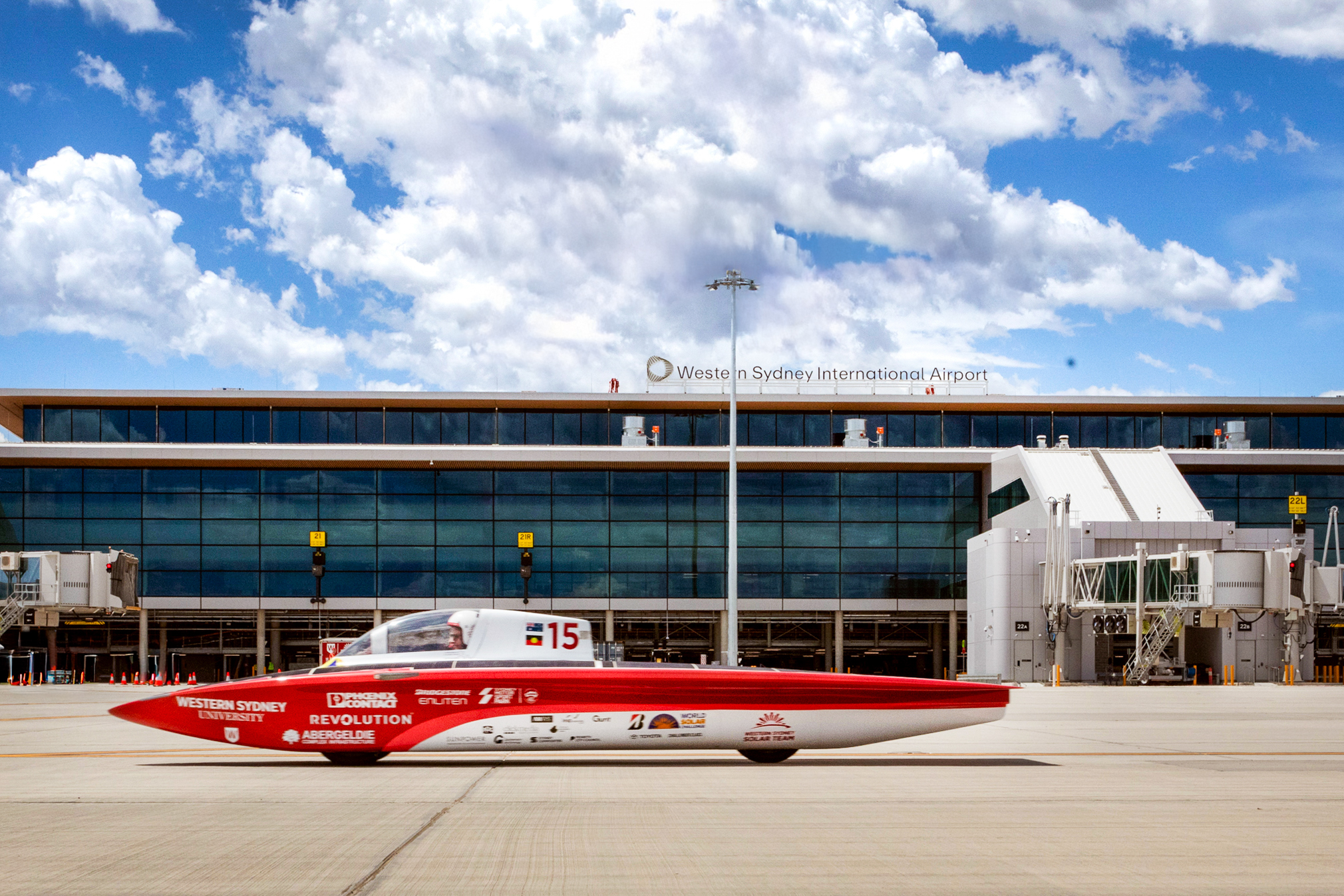
Highlights of Western Sydney International Airport
A vision conceived more than four decades ago has finally become a reality. On 25 October 2026, Western Sydney International (Nancy-Bird Walton) Airport (WSI) officially opened to commercial passenger services, marking a historic milestone for Australian aviation and ushering in a new chapter in Sydney's air transport history.
The long-awaited opening was marked by Jetstar Airways flight JQ362, operated by an Airbus A320, scheduled to connect Western Sydney with the Gold Coast. Although the service was planned to depart at 11:00 a.m. local time, the aircraft took off later that morning, carrying the airport's first commercial passengers and turning decades of planning, political debate and engineering into a functioning aviation gateway.
The occasion represents far more than the inauguration of a new airport. It is the culmination of a long-term national infrastructure project designed to accommodate Sydney's growing aviation demand, improve access to air travel for Western Sydney residents and create new opportunities for passenger transport, international connectivity and air cargo.
Australia's first major new airport in more than 50 years has officially entered the operational era.
The story of Western Sydney International Airport began long before construction machinery arrived at Badgerys Creek.
In 1986, the Australian Government designated Badgerys Creek as the site for a potential second major airport serving Sydney. The decision reflected the need to plan for the future of aviation in Australia's largest city, where population growth and increasing air travel would eventually place greater demands on existing airport infrastructure.
For years, the proposed airport remained a long-term infrastructure ambition. Its development required extensive planning, environmental assessment, coordination between governments and consideration of the transport needs of one of Australia's fastest-growing metropolitan regions.
The question was no longer simply whether Sydney would require another airport, but where it should be located and how it could best serve future generations.
A major step forward came in 2012, when a joint Australian and New South Wales government study identified Badgerys Creek as the preferred location for a second Sydney airport. The site was officially announced in 2014, establishing the foundation for the project that would eventually become Western Sydney International Airport.
In 2017, the Australian Government established WSA Co, the government-owned company responsible for delivering and operating the new airport.
The project moved from years of planning into a new phase of construction and infrastructure development.
Major construction began on 24 September 2018, with extensive earthworks transforming the 1,780-hectare site at Badgerys Creek into a modern aviation precinct.
The scale of the undertaking was immense. Large areas of land had to be prepared, substantial earthmoving works completed and essential infrastructure developed before the airport's runway, terminal and supporting facilities could take shape.
The project progressed through several major construction milestones, including the development of a 3.7-kilometre runway designed to accommodate a wide range of aircraft operations.
Runway construction began in 2022, representing a significant stage in the transformation of the site into an operational airport.
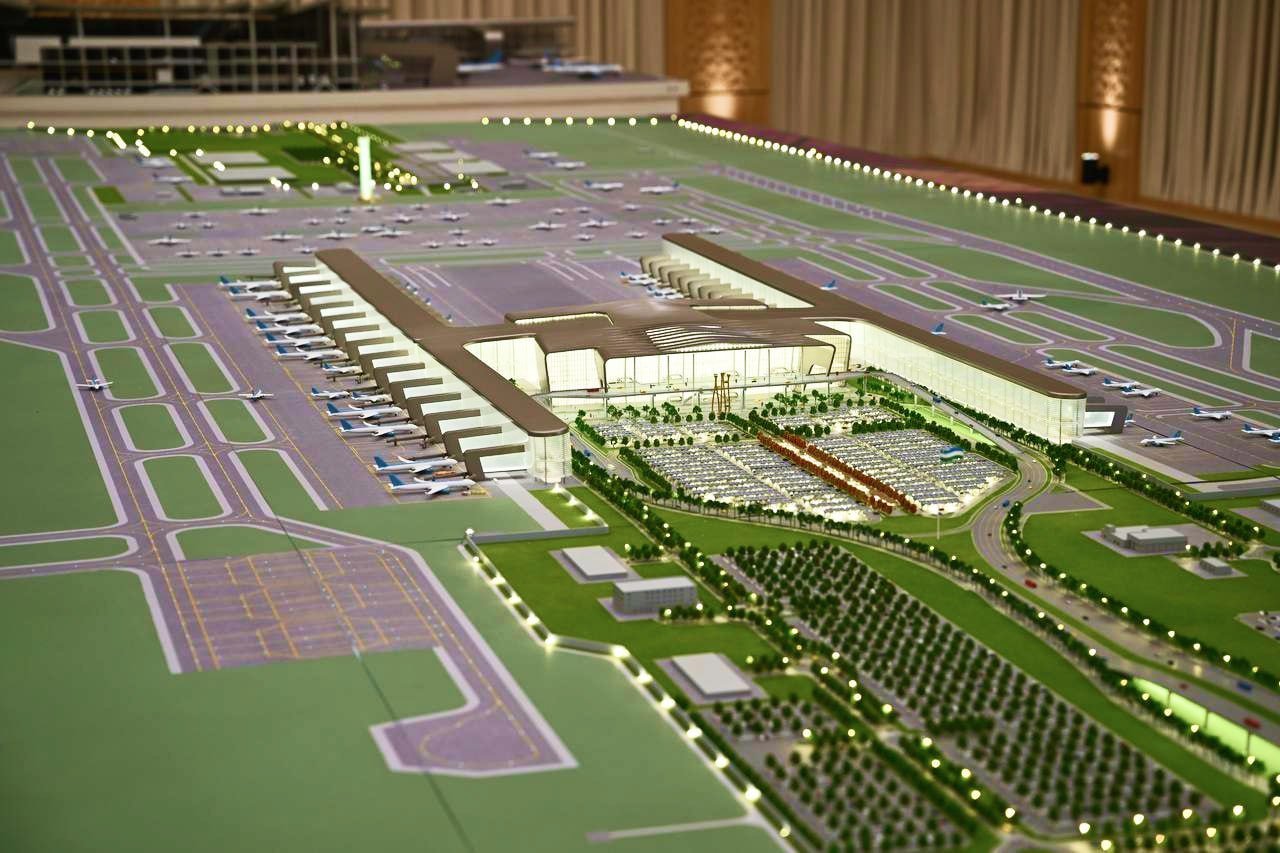
Alongside the runway, construction teams delivered the Nancy-Bird Walton passenger terminal, a dedicated cargo precinct and facilities supporting airport operations and associated businesses.
In June 2025, construction of the runway and terminal building was completed. Attention subsequently shifted towards systems testing, operational readiness, airport certification requirements and preparations for the arrival of the first scheduled passenger services.
The completed infrastructure marked the transition from a major civil engineering project to a fully equipped airport preparing to welcome airlines and travellers.
Western Sydney International Airport carries the name of Nancy-Bird Walton, one of Australia's most celebrated aviation pioneers.
Her name connects the modern airport with the history of Australian flight and the determination of those who helped expand aviation across the country.
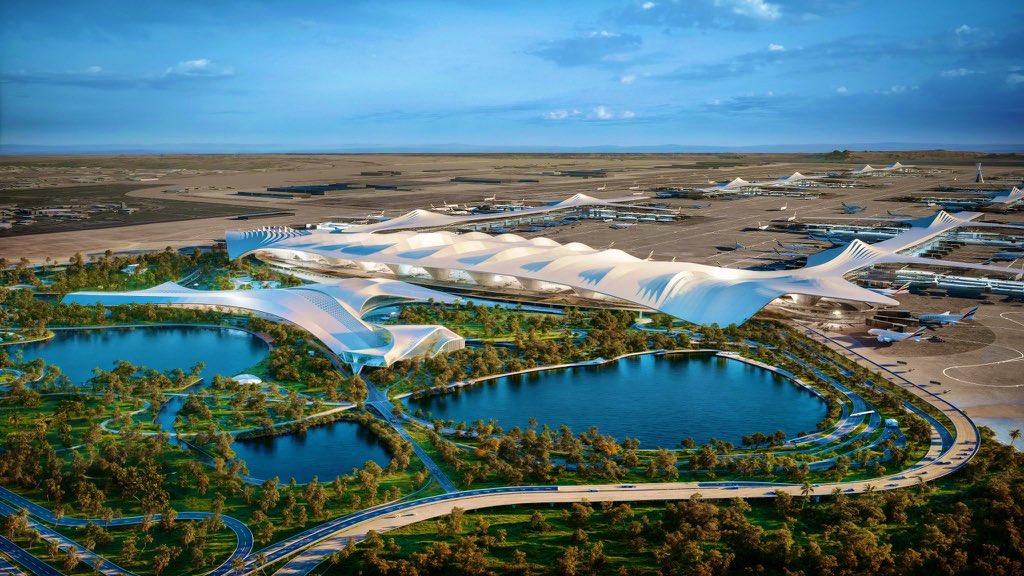
The Nancy-Bird Walton Terminal serves as the centrepiece of the airport's passenger operations, providing a modern environment for check-in, baggage handling, security screening, departures and arrivals.
The terminal was delivered through an extensive construction effort, with the Australian Government reporting more than nine million working hours devoted to its construction.
More than 13,000 workers contributed to the broader airport precinct, with over half coming from Western Sydney.
These figures highlight the scale of the workforce behind the project and the role that local communities played in bringing the airport to completion.
At the heart of the airport is its 3.7-kilometre runway, the defining piece of infrastructure that enables aircraft to arrive and depart safely and efficiently.
However, an airport's operational capability extends well beyond its runway.
The surrounding facilities must support air traffic management, aircraft ground movements, passenger processing, baggage systems, emergency response, aviation security and the coordination of airlines and ground-handling providers.
Before opening to commercial passengers, Western Sydney International underwent extensive testing and operational preparation. These activities included trial flights and exercises designed to assess the airport experience from aircraft arrival through passenger processing and departure.
Jetstar conducted a trial flight to WSI on 1 September 2026 using an Airbus A320, helping test the systems and procedures required ahead of the opening.
Such trials are an essential part of preparing a new airport for scheduled operations, allowing airport teams, airline personnel and relevant service providers to verify that their procedures work together as intended.
The opening therefore represented not simply the completion of physical infrastructure, but the culmination of a coordinated effort to make the entire airport operational.
The defining moment arrived on Sunday, 25 October 2026.
Jetstar Airways flight JQ362 became the first scheduled commercial passenger service to depart Western Sydney International Airport. Operated by an Airbus A320, the flight was bound for the Gold Coast, marking the beginning of a new era in commercial aviation for Western Sydney.
The inaugural service attracted considerable attention from aviation enthusiasts, passengers, media organisations and members of the public.
For those involved in the project, the departure represented the culmination of decades of anticipation and years of construction, testing and preparation.
For passengers, it marked the beginning of a new travel option: the opportunity to fly from a purpose-built international airport closer to home for millions of residents across Western Sydney.
The flight also carried symbolic importance for Australian aviation. Major new airport developments are infrequent, and the opening of WSI represents a generational addition to the country's aviation infrastructure.
The significance of the day extended beyond Jetstar's inaugural service. It demonstrated that the airport had moved from the construction phase into live passenger operations, opening the door to future airline services and network expansion.
One of Western Sydney International Airport's most important distinguishing features is its design for 24-hour, curfew-free operations.
Sydney Airport at Mascot operates under a legislated curfew that generally restricts aircraft take-offs and landings between 11:00 p.m. and 6:00 a.m., subject to applicable exceptions.
WSI's ability to operate around the clock provides airlines with greater scheduling flexibility and creates opportunities for services that would otherwise be difficult to accommodate within Sydney's existing airport operating restrictions.
This capability is particularly significant for air cargo, where overnight operations can help airlines and freight companies move goods through supply chains more efficiently.
It may also offer advantages for international passenger services, particularly on routes where departure and arrival times are influenced by long flight durations, connecting schedules and airline network requirements.
However, curfew-free capability does not mean that every flight will operate at every hour. Actual schedules will depend on airline demand, commercial decisions, operating requirements and applicable aviation regulations.
Nevertheless, the airport's 24-hour operating model provides an important foundation for future growth in both passenger aviation and freight transport.
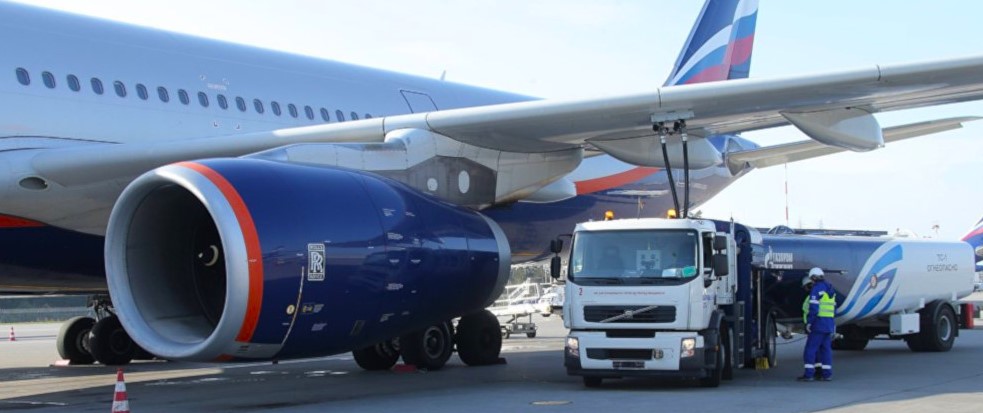
Western Sydney International's development has also included a purpose-built cargo precinct designed to strengthen Sydney's freight-handling capacity.
Freight operations commenced on 26 July 2026, ahead of the airport's passenger opening. Qantas Freight subsequently began regular services, establishing the airport as an operational centre for air cargo before the arrival of its first scheduled passenger flight.
The cargo precinct includes facilities intended to support freight operators, cargo handlers and associated logistics businesses.
According to Australian Government information, the precinct is ultimately designed to accommodate up to 1.8 million tonnes of air cargo annually as the facility develops.
Its initial infrastructure is designed to handle multiple freighter aircraft simultaneously, supporting the movement of parcels, commercial freight and other time-sensitive goods.
The airport's freight role is particularly important given the growth of e-commerce, express deliveries and international supply chains.
Its 24-hour operating capability is also expected to become increasingly significant for overnight freight movements. From 1 November 2026, the planned changes to Sydney Airport's overnight freight arrangements will further strengthen WSI's role in accommodating regular night-time cargo operations.
The development of this cargo precinct demonstrates that Western Sydney International is intended to function as more than a passenger airport. It is also being positioned as a major logistics asset for Sydney and the wider Australian economy.
The airport's opening marks the beginning of a network that is expected to develop as passenger demand grows and airlines introduce additional services.
Jetstar is leading the initial domestic passenger operations, with services connecting Western Sydney to several major Australian destinations.
The initial network includes:
These routes provide access to major population centres and important leisure and business travel markets.
International connectivity is also set to develop shortly after the airport's passenger opening.
Air New Zealand is scheduled to begin services to Auckland on 26 October 2026, just one day after the inaugural passenger departure. Singapore Airlines is scheduled to introduce daily services to Singapore from 23 November 2026.
These services will establish links with New Zealand and one of Asia's most important international aviation hubs, providing opportunities for onward connections to destinations throughout the Asia-Pacific region and beyond.
Qantas is scheduled to begin domestic operations from WSI on 28 March 2027, with QantasLink Embraer E190 services to Melbourne and Brisbane.
The initial network is relatively modest compared with the extensive operations at established major airports. However, it provides a foundation upon which additional domestic and international routes may be developed as the airport attracts passengers, airlines and commercial investment.
The airport's location reflects the changing geography of Greater Sydney.
Western Sydney has experienced substantial population growth and economic development, creating increasing demand for transport infrastructure, employment opportunities and improved access to domestic and international destinations.
For many residents, travelling through Sydney's existing airport can involve a considerable journey from communities in the west and south-west of the metropolitan area.
Western Sydney International is intended to provide a major aviation gateway closer to these communities while supporting the continued development of the region.
Its potential benefits extend beyond passengers.
Airlines, freight operators, ground-handling companies, maintenance providers, catering businesses, transport operators and other aviation-related organisations may all contribute to the wider economic activity associated with the airport.
The Australian Government has also linked the airport's development with broader transport infrastructure investment, including road upgrades and the planned Sydney Metro connection to the airport.
These supporting connections are important because an airport's success depends not only on its aviation facilities but also on how effectively passengers, employees and freight can reach it.
The airport's long-term contribution will therefore depend on the development of an integrated transport and commercial precinct capable of supporting its expanding operations.
Western Sydney International has been designed with room for expansion, allowing its facilities and operations to develop as aviation demand increases.
The Australian Government has indicated that the airport is expected to serve up to 10 million passengers annually in its initial development vision, with the capacity to expand over time.
Airport management has also discussed the possibility of substantial long-term growth, potentially reaching tens of millions of annual passenger movements as additional infrastructure is developed.
Achieving that potential will depend on several factors.
First, airlines must establish commercially sustainable routes that attract sufficient passenger demand. Second, transport links must make the airport accessible to communities across Western Sydney and beyond. Third, the airport must continue developing its facilities and operational capabilities in line with demand.
Competition and cooperation within Sydney's wider aviation market will also influence its development.
WSI is not simply a replacement for Sydney Airport at Mascot. It is an additional gateway intended to provide capacity for future growth, broaden access to air travel and accommodate operations that benefit from a 24-hour airport environment.
As more airlines evaluate the airport and its commercial opportunities, its role in Australia's domestic and international aviation networks may expand considerably.
The long-term challenge will be to convert the airport's infrastructure advantages into sustained passenger demand, freight growth and economic benefits for the region.
From the original vision for Badgerys Creek in the 1980s to the arrival of the first scheduled passenger services in 2026, Western Sydney International Airport represents one of Australia's most significant aviation infrastructure achievements in a generation.
The project has required decades of planning, substantial public investment, extensive engineering and the combined efforts of thousands of workers, government agencies, contractors and aviation professionals.
The departure of Jetstar flight JQ362 on 25 October 2026 transformed that long-running ambition into an operational reality.
Its significance lies not only in the opening of another runway or terminal, but in the creation of a new aviation gateway designed to serve a growing region and provide additional capacity for Australia's future air transport needs.
With its long runway, modern passenger terminal, dedicated cargo precinct and curfew-free operating model, Western Sydney International has the foundations to develop into an important centre for domestic aviation, international travel and air logistics.
The airport's ultimate success will be measured over the years ahead by the airlines it attracts, the destinations it connects, the freight it handles and the opportunities it creates for Western Sydney and the wider Australian economy.
For now, 25 October 2026 will be remembered as the day a vision more than 40 years in the making finally took flight.
A new gateway. A new generation of aviation growth. A historic day for Australia.