
Fundamental Transition from Single Radar to Multi-Sensor Architecture: Modern air traffic surveillance is shifting away from traditional, isolated ground-based rotating radar systems toward an integrated multi-sensor model that fuses radar, ADS-B, multilateration, and digital communications into a unified, common operational picture.
Large-Scale Infrastructure Overhaul via the BNATCS Initiative: Under the Brand New Air Traffic Control System (BNATCS) program targeting deployment by late 2028, the FAA plans an extensive nationwide overhaul comprising 612 modern radars, 27,625 digital radios, 5,170 high-speed network links (fiber, satellite, wireless), 462 digital voice switches, 110 Alaska weather stations, and the nation's first consolidated Air Route Traffic Control Center since the 1960s.
Streamlining Operations with the Common Automation Platform (CAP): The FAA is consolidating separate legacy operational systems—such as ERAM for en-route control and STARS for terminal environments—into a single, unified Common Automation Platform (CAP) to seamlessly manage flight plans, surveillance, and facility handoffs.
Active Ground Deployment Demonstrated at Newark: The deployment of modern surface-movement radar at Newark Liberty International Airport (EWR) highlights the real-world rollout of advanced airport surface systems (such as ASDE-X and ASSC), giving controllers enhanced visibility and automated collision alerts on taxiways and runways during adverse weather or night operations.
Shift to Predictive, Trajectory-Based Air Traffic Management: Modernization extends beyond active surveillance into proactive traffic management through platforms like FMDS and SMART, enabling the FAA System Command Center to balance airspace capacity, optimize schedules, and resolve bottlenecks before aircraft depart.
Urgency Driven by Surging Air Travel Demands: With U.S. annual passenger volume reaching approximately one billion across nearly 18 million flights—and projected to reach two billion over the next two decades—the overhaul is essential to replace decades-old Mode S and 1980s-era components with resilient, high-capacity infrastructure.
For decades, airport radar has been one of the most recognizable pieces of air traffic-control infrastructure. A rotating antenna sweeping across the sky became a symbol of modern aviation, allowing controllers to detect and track aircraft and maintain safe separation.
But aviation has changed dramatically.
Today, airports and air traffic-control facilities are moving toward multi-sensor surveillance, satellite-based tracking, digital communications, high-speed networks and advanced automation. In the United States, the transformation is now entering a much larger phase: the Federal Aviation Administration (FAA) is working to replace major portions of its aging air traffic-control infrastructure with a new nationwide system.
The change is not simply about installing a newer radar antenna. It is about changing how information is collected, processed, shared and presented to controllers.
Traditional air traffic surveillance depended heavily on ground-based radar.
A primary surveillance radar sends radio-frequency energy toward the surrounding airspace. When that energy reflects from an aircraft, the system can determine the aircraft's range and bearing. Secondary surveillance radar, meanwhile, works with an aircraft's transponder to obtain additional information such as its identity and altitude.
These systems were revolutionary, but many of the technologies supporting America's air traffic network date back several decades.
The FAA says many of its ground-based radars were developed decades ago and continue to require maintenance, upgrades and replacement of obsolete components. Some legacy Mode S systems, for example, are more than 25 years old and face challenges involving parts availability and maintainability.
That does not mean traditional radar is useless.
In fact, the FAA still considers ground-based radar an important part of the National Airspace System. Radar can provide backup surveillance when ADS-B is unavailable, detect aircraft that are not transmitting ADS-B information and provide weather-related precipitation information.
The issue is that radar alone is no longer enough for the complexity of modern aviation.
Modern surveillance systems combine information from different sources.
One of the most important examples at airports is ASDE-X — Airport Surface Detection Equipment, Model X — and its related Airport Surface Surveillance Capability (ASSC).
Rather than relying on a single sensor, these systems can combine information from technologies such as surface radar, multilateration and ADS-B to create a detailed picture of activity on or near the airport surface.
The result is a much more comprehensive picture for controllers.
Aircraft and ground vehicles can be tracked while moving on runways and taxiways, while sophisticated safety logic can provide alerts when aircraft or vehicles appear to be on a path that could result in a runway collision. ASDE-X/ASSC can also continue operating in radar-only mode under certain surveillance-data losses.
This represents a fundamental change in philosophy:
Old approach: detect targets with radar.
Modern approach: combine multiple surveillance sources, process the information digitally and present controllers with a common operational picture.
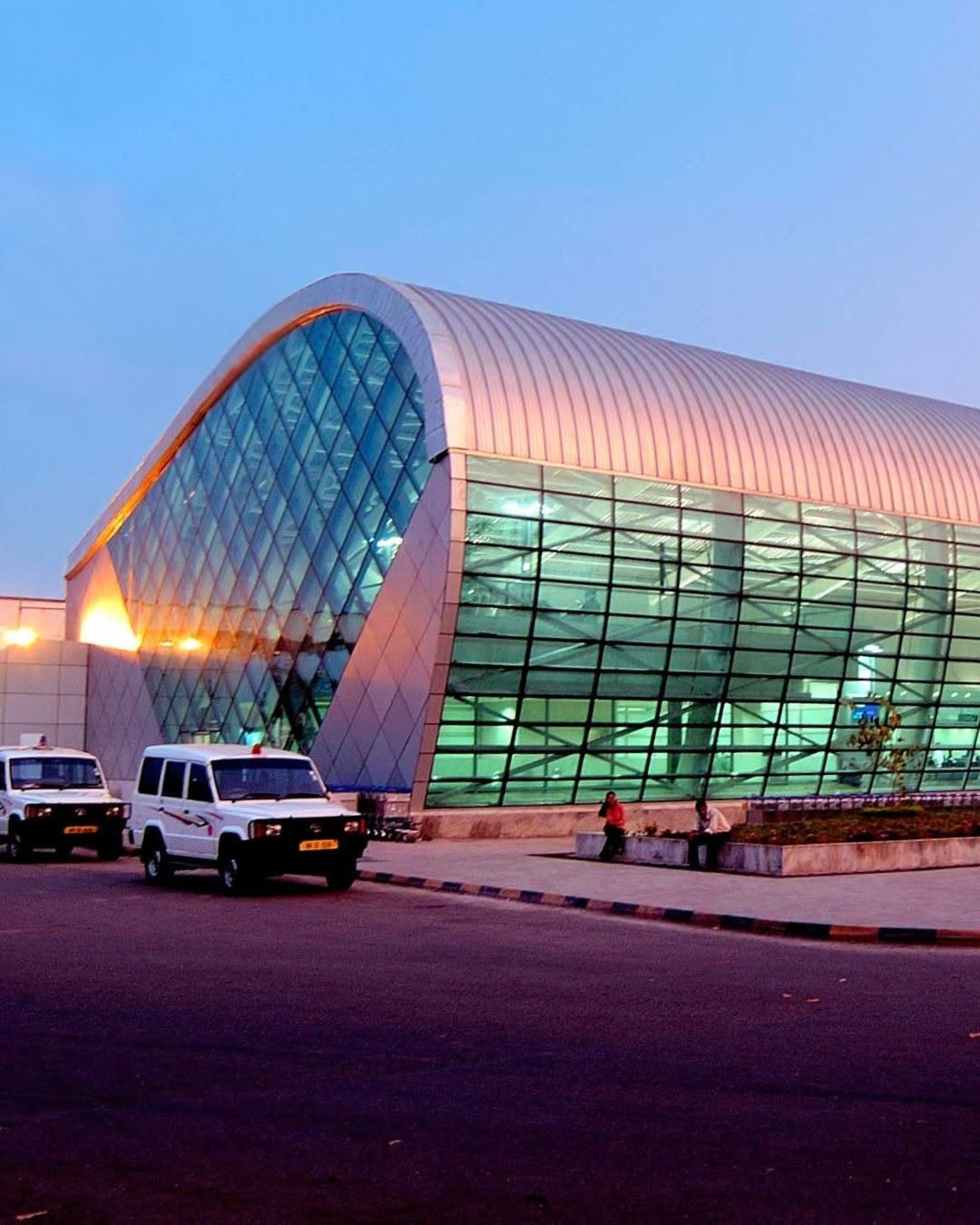
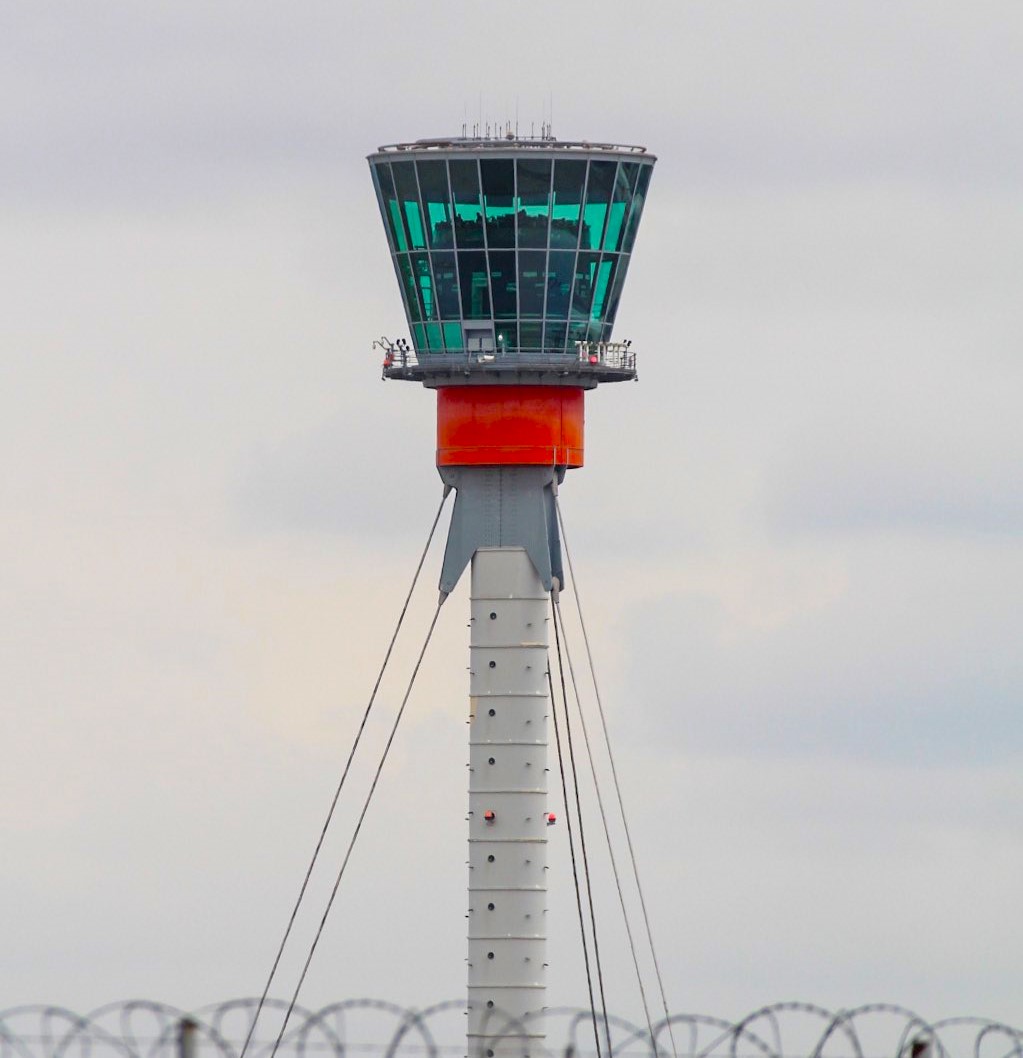
The modernization is particularly visible at Newark Liberty International Airport (EWR).
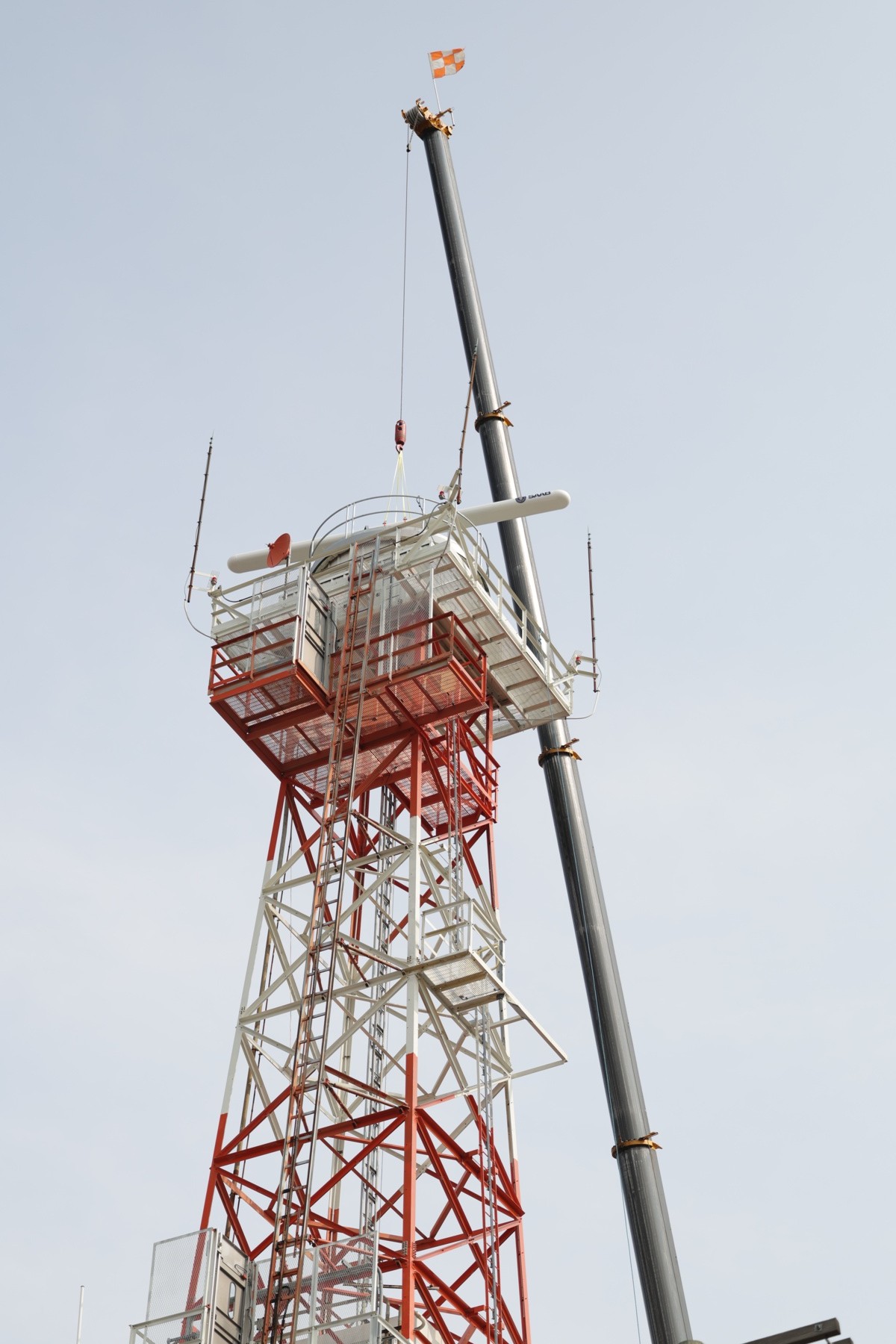
On August 11, 2026, U.S. Transportation Secretary Sean Duffy and FAA Administrator Bryan Bedford highlighted the installation of new surface-movement radar at Newark. The system is intended to give controllers better visibility of aircraft and vehicles operating on the airport surface, particularly when darkness, weather or other conditions make direct visual observation difficult.
It is a powerful illustration of the technology gap facing the U.S. aviation system.
A radar system approaching three decades of service is being replaced with technology designed around today's operational environment — one in which airports are busier, aircraft are more numerous, ground movements are more complex and controllers need information from multiple sources simultaneously.
Perhaps the biggest change, however, is happening behind the radar display.
Modern air traffic control increasingly depends on digital data networks and automated information processing, rather than isolated systems at individual facilities.
The FAA's current technology portfolio includes ADS-B, ASDE-X, Airport Surveillance Radar, En Route Automation Modernization (ERAM), Standard Terminal Automation Replacement System (STARS), System Wide Information Management (SWIM), Data Communications and Trajectory Based Operations.
ERAM, for example, is used at all 20 continental U.S. en-route centers. It receives, processes and displays radar surveillance and flight data for controllers and provides the foundation for integrating other modernization technologies.
The modern air traffic system is therefore becoming less about a single radar sensor and more about a connected information architecture.
The FAA is now pursuing an even larger transformation.
Under the Brand New Air Traffic Control System (BNATCS) initiative, the FAA says it plans to replace core infrastructure including radar, software, hardware and telecommunications networks, with a target of implementing the new system by the end of 2028.
The scale is enormous.
According to the FAA's modernization plan, the program includes:
In other words, the U.S. is not simply replacing radar antennas.
It is rebuilding the technological backbone that allows controllers, aircraft, airports and FAA facilities to exchange information.
Another major component is the proposed Common Automation Platform (CAP).
The FAA currently relies on separate systems including ERAM for en-route operations and STARS for terminal air traffic control. The CAP initiative is intended to move toward a common, state-of-the-art automation platform for handling flight information and moving aircraft between facilities.
That is important because modern aviation generates enormous quantities of information.
Controllers need to work with surveillance tracks, flight plans, weather, traffic-flow information, communications and other operational data. The future system is intended to bring these sources together in a more integrated environment.
The FAA announced in January 2026 that it had awarded contracts to RTX and Indra as part of its effort to replace the nation's aging radar network. The agency said much of the existing radar technology dates to the 1980s.
The modernization is therefore occurring at several levels simultaneously:
Airport surface:
Modern surveillance such as ASDE-X/ASSC provides detailed awareness of aircraft and vehicles on runways and taxiways.
Terminal airspace:
Systems such as STARS process surveillance and flight information for aircraft arriving at and departing from busy airports.
En-route airspace:
ERAM provides automation and surveillance processing across the nation's 20 continental en-route centers.
National network:
New communications, digital networks, automation platforms and data-sharing systems are intended to connect these layers.
The modernization is also moving beyond surveillance.
In June 2026, the FAA announced a contract with Air Space Intelligence for Flow Management Data and Services (FMDS) and Strategic Management of Airspace, Routes, and Trajectories (SMART).
FMDS is intended to become a technological backbone for the FAA's Air Traffic Control System Command Center, balancing traffic demand against available capacity. SMART is designed to use that information to coordinate schedules and trajectories before aircraft depart, helping prevent congestion and delays.
This represents another major evolution. The future of air traffic management is not simply:
"Where is the aircraft?"
It is increasingly:
"Where will the aircraft be, what traffic will surround it, what capacity will be available, and how can the system prevent a conflict or bottleneck before it develops?"
The need for modernization is becoming more urgent as air travel continues to grow.
FAA Administrator Bryan Bedford said the United States is moving toward approximately one billion passengers and nearly 18 million flight trajectories in a year, with traffic expected to reach roughly two billion passengers over the next two decades.
A system designed around older hardware, aging communications infrastructure and increasingly difficult-to-maintain components has to evolve if it is to handle that growth reliably.
The modernization effort is therefore about more than faster radar.
It is about resilience, connectivity, automation, capacity and safety.
The controller of the future will still need human judgment. The fundamental responsibility — safely separating aircraft and managing traffic — does not disappear.
What changes is the information available to that controller.
Instead of depending primarily on what a radar antenna detects, the modern system can combine:
Radar + ADS-B + multilateration + flight-plan data + weather + digital communications + traffic-flow information + automated safety alerts.
The goal is a richer and more reliable picture of the airspace and airport surface.
That is the real story behind the replacement of an old airport radar.
It is not simply old radar versus new radar.
It is the transition from a collection of aging, specialized systems toward a connected, software-driven, multi-sensor air traffic management architecture.
And with Newark becoming one of the visible examples of this transition, America's long-promised ATC modernization is moving from planning documents and contracts into physical infrastructure on the ground.
The radar antenna may still turn. But behind it, the technology of air traffic control is changing fundamentally.
| Technology / infrastructure | Modernization direction |
|---|---|
| Legacy ground radar | Replacement with modern radar |
| Surface surveillance | Multi-sensor systems such as ASDE-X/ASSC |
| ADS-B | Integrated surveillance source |
| ERAM | En-route automation platform |
| STARS | Terminal automation |
| CAP | Common automation platform |
| Communications | Analog/copper → digital, fiber, satellite and wireless |
| FMDS/SMART | Predictive traffic-flow and trajectory management |
| BNATCS target | New nationwide ATC system by end of 2028 |
Sources: U.S. Federal Aviation Administration and U.S. Department of Transportation.
For further reading: FAA — America's Brand New Air Traffic Control System and FAA — Air Traffic Control Technology Programs.