
Magnitude 7.4 Earthquake Causes Widespread Aviation Disruption: A major 7.4-magnitude earthquake striking western Colombia (epicenter in Chocó at a depth of ~96 km) forced Aerocivil to restrict or suspend commercial operations across at least seven airports—including Pereira, Manizales, Quibdó, Armenia, Cartago, Buenaventura, and Cali—to assess airside, structural, and navigation infrastructure.
Safety-Critical Inspections Standardize Airport Closures: Aerocivil's temporary suspensions highlight that airports require thorough verification of control towers, pavement integrity, fuel systems, navigation aids, and light infrastructure for safety before reopening, prioritize medical and state relief flights during emergency protocols, and progressively resume normal operations once core safety-critical facilities are cleared (as demonstrated by Cali’s reopening).
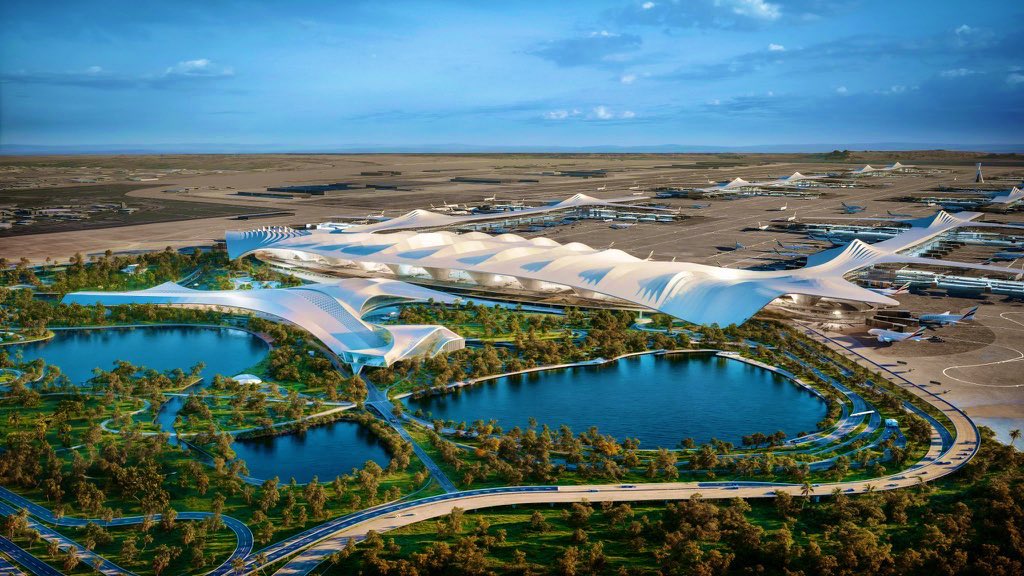
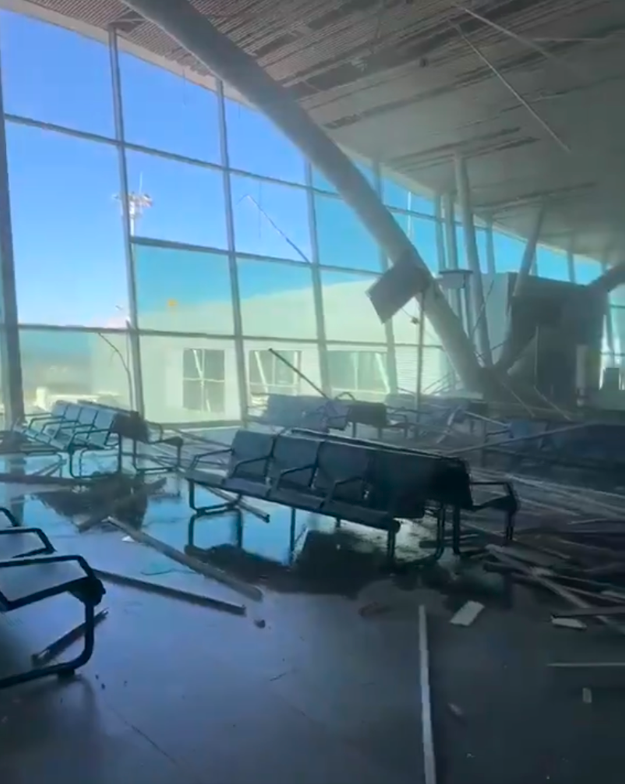
Severe Terminal Infrastructure Damage at Pereira: Matecaña International Airport in Pereira (PEI) was among the most visibly affected terminals, sustaining damage to its passenger terminal structure that necessitated passenger evacuations during structural safety evaluations.
Independent Airborne Volcanic Hazard at Popayán: Guillermo León Valencia Airport in Popayán (PPN) faced a completely separate closure caused by volcanic ash and gas emissions from the Puracé volcano (under orange alert)—an airborne contamination hazard that damages engines, avionics, and sensors, operating independently from the seismic event.
Airlines Enforce Temporary Fare Caps to Prevent Escalation: To manage extreme capacity-and-demand imbalances on displaced routes, LATAM Airlines Colombia implemented temporary maximum fare ceilings for flights to/from Cali (COP 252,000), Armenia (COP 234,000), and Pereira (COP 228,000) while connectivity is progressively restored.
Simultaneous Dual-Hazard Emergency Strains Aviation System: Colombia's air traffic system is actively navigating two concurrent, unrelated natural emergencies—ground-based seismic infrastructure damage across the central/western regions and airborne volcanic ash contamination in Popayán—underlining Aerocivil's core protocol of prioritizing rigorous safety assessments over immediate operational continuity.
A magnitude 7.4 earthquake struck western Colombia on Monday, August 10, at approximately 07:34 local time, triggering widespread disruption across the country's aviation network.
The epicentre was reported in Chocó, at a depth of roughly 96 km. Several airports were temporarily closed or restricted while authorities assessed infrastructure and safety-critical systems.
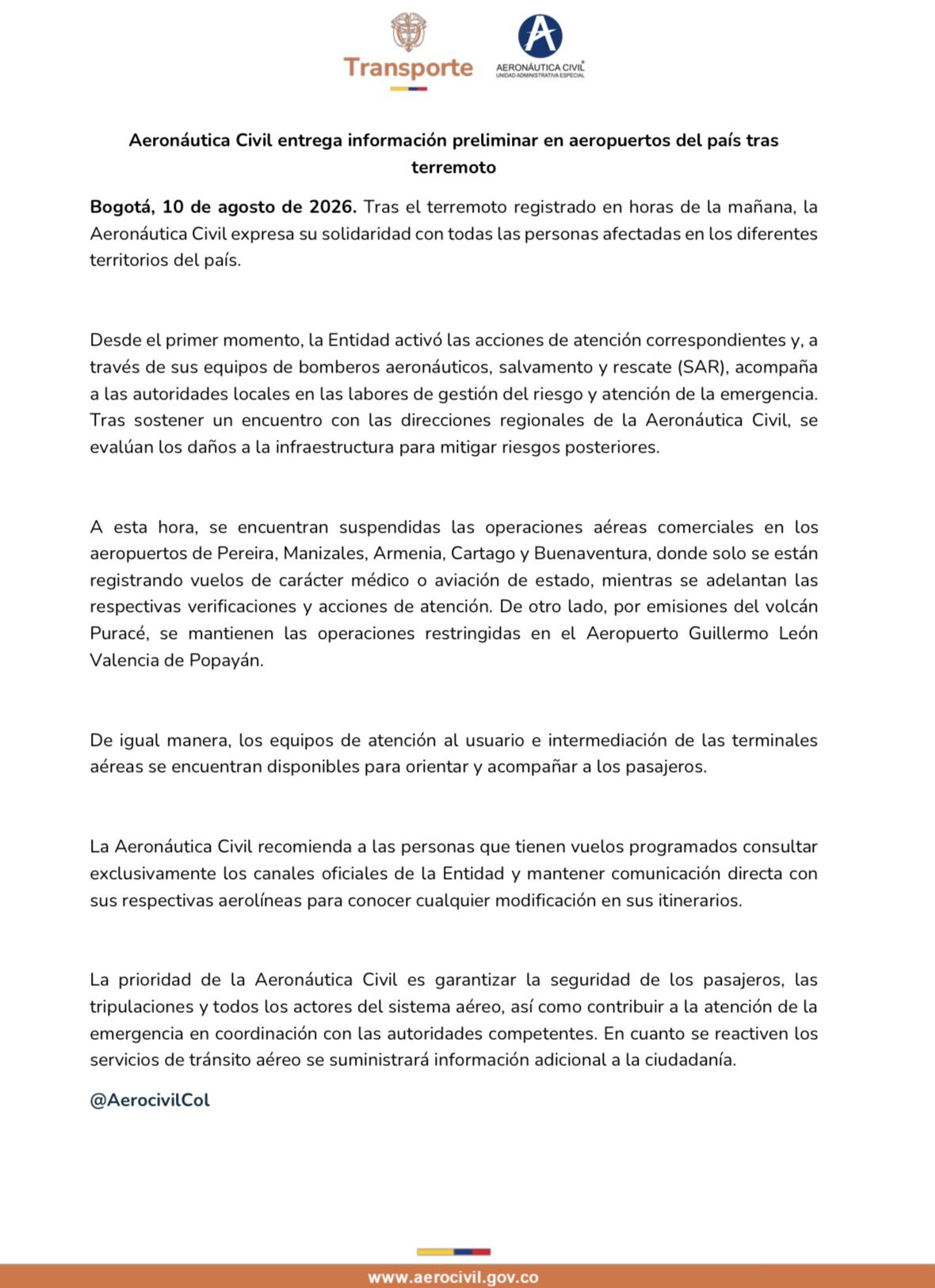
According to Colombia's Civil Aeronautics Authority (Aerocivil), earthquake-related disruptions affected at least seven airports:
At some locations, commercial operations were suspended while medical and state aircraft continued to receive priority. Aerocivil activated its airport firefighting and search-and-rescue resources while regional teams inspected infrastructure.
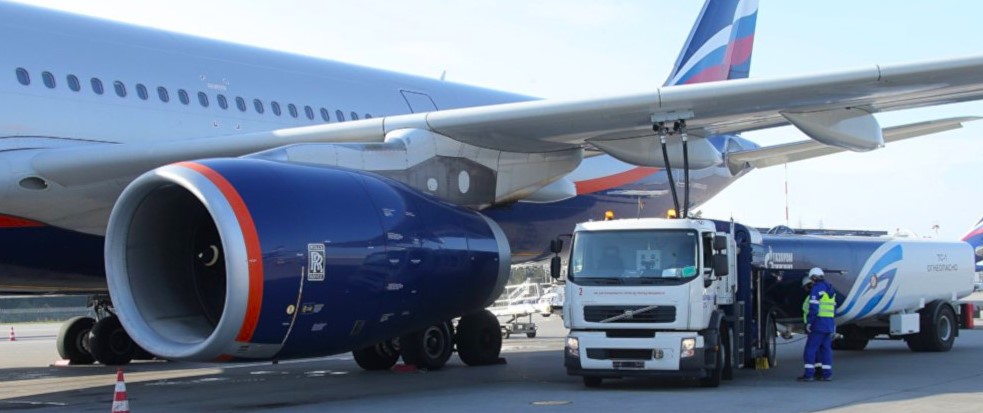
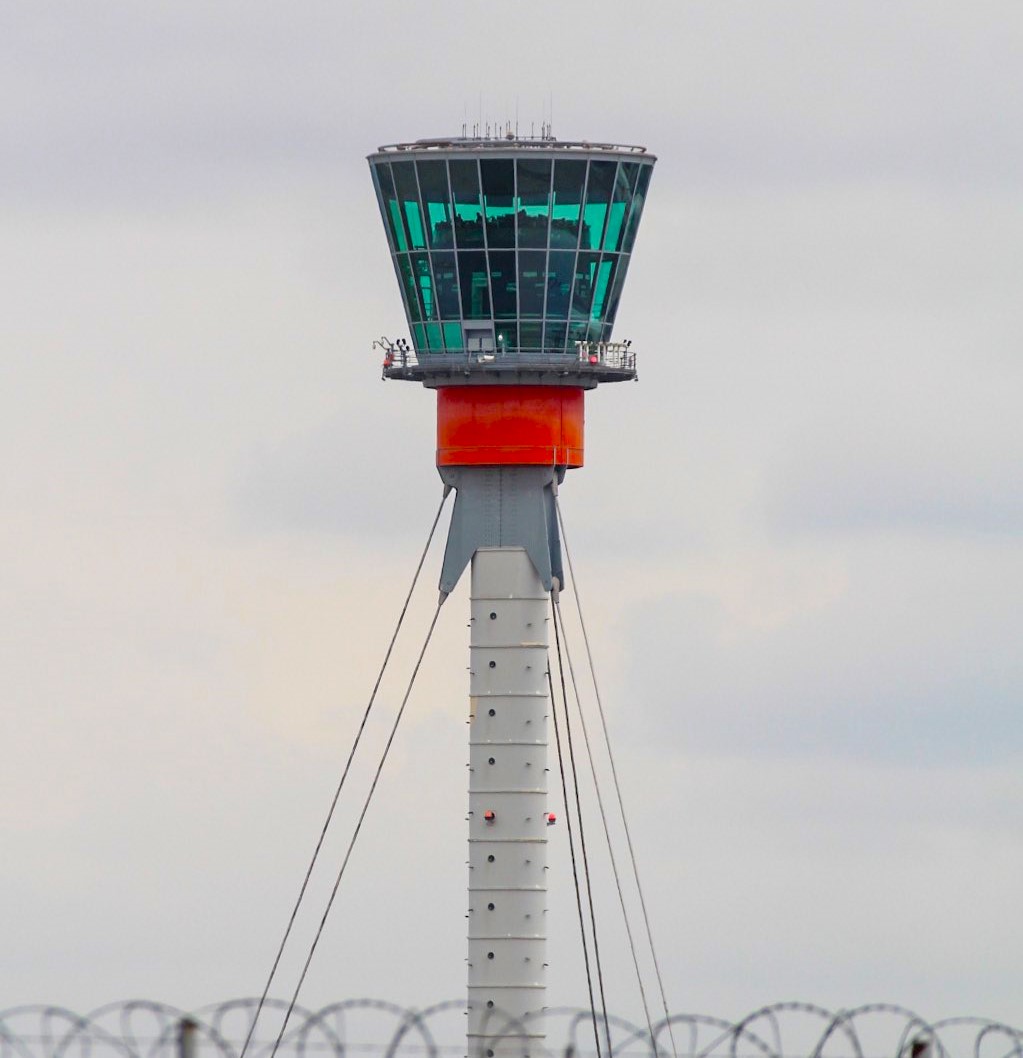
An airport can be temporarily closed even when the runway appears visually intact. Following significant seismic activity, engineers and airport operators need to verify the condition of the entire airside and landside safety system.
Inspections can include:
The concern is not limited to visible structural damage. A functioning runway is of little use if communications, navigation, lighting, airfield power or air-traffic-control infrastructure cannot be verified as safe.
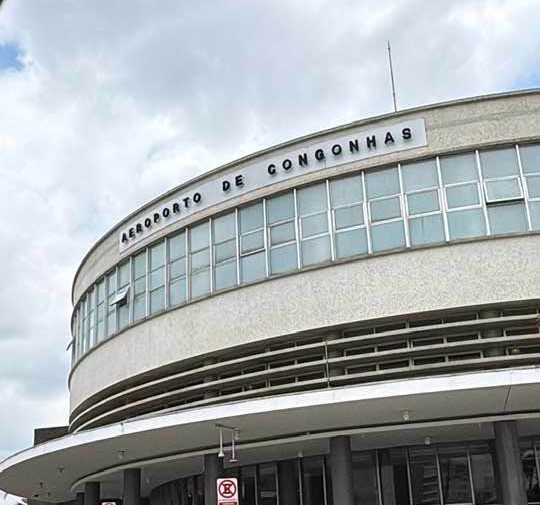
At Matecaña International Airport in Pereira, reports indicate damage to parts of the passenger-terminal structure, with passengers evacuated while the facility was assessed.
The earthquake therefore demonstrated why airport reopening is normally a progressive process rather than simply a decision to restart flights. Authorities must establish that critical systems meet the required safety conditions before normal traffic can resume.
Operations at Alfonso Bonilla Aragón International Airport (CLO) were also temporarily suspended following the earthquake.
After inspections, flights subsequently resumed. The reopening illustrates an important principle of post-earthquake aviation operations: an airport does not necessarily need every non-critical facility restored before flights can restart; the safety-critical infrastructure must first be inspected and cleared.
Passengers can nevertheless continue to experience delays and cancellations as airlines reposition aircraft, crews and passengers following the disruption.
While the seven airports were affected by the earthquake, Guillermo León Valencia Airport in Popayán (PPN) faced a separate safety issue.
Aerocivil temporarily closed Popayán Airport following an emission of volcanic ash and gases from Puracé volcano, which remains under an orange alert.
The Colombian Geological Service has specifically said there is no direct connection between the Puracé volcanic activity and the magnitude 7.4 earthquake. The two events are being treated as independent natural phenomena.
Volcanic ash presents a particularly serious aviation hazard because it can travel considerable distances and may not always be readily visible from the cockpit.
Fine ash particles can:
The operational decision therefore depends on factors such as ash concentration, plume trajectory, wind, visibility, runway contamination and the forecast movement of the ash cloud.
Popayán's closure is consequently an airborne contamination hazard, rather than an earthquake-infrastructure response.
The aviation disruption has also created a major capacity-and-demand problem.
LATAM Airlines Colombia has announced temporary fare ceilings as a self-regulatory measure for routes originating from or destined for Cali, Armenia and Pereira.
The reported maximum fare per leg is:
| Destination/origin | Maximum fare |
|---|---|
| Cali | COP 252,000 |
| Armenia | COP 234,000 |
| Pereira | COP 228,000 |
The measure is intended to prevent extreme fare escalation as passengers seek alternative flights following cancellations and airport restrictions.
From an airline-operations perspective, a major disruption can rapidly create a mismatch between available seat capacity and passenger demand. When hundreds of passengers are displaced and aircraft rotations are disrupted, remaining inventory can become scarce. A fare ceiling limits the price effect while airlines work to restore connectivity.
Importantly, a fare cap does not guarantee that seats are available. Passengers still need to confirm actual flight availability with their airline.
Colombia's aviation system is effectively dealing with two independent natural hazards simultaneously:
At the same time, airlines are dealing with the secondary effects: flight cancellations, aircraft and crew displacement, passenger reaccommodation and increased demand for remaining seats.
Aerocivil's approach — restricting operations until safety-critical infrastructure and systems are verified — is consistent with the fundamental aviation principle that operational continuity comes after safety assessment.
The situation remains dynamic, and airport operating status can change rapidly as inspections are completed and conditions evolve.
For aviation, the earthquake is not simply a runway problem — it is an airport systems problem. And in Popayán, the threat is in the air.