
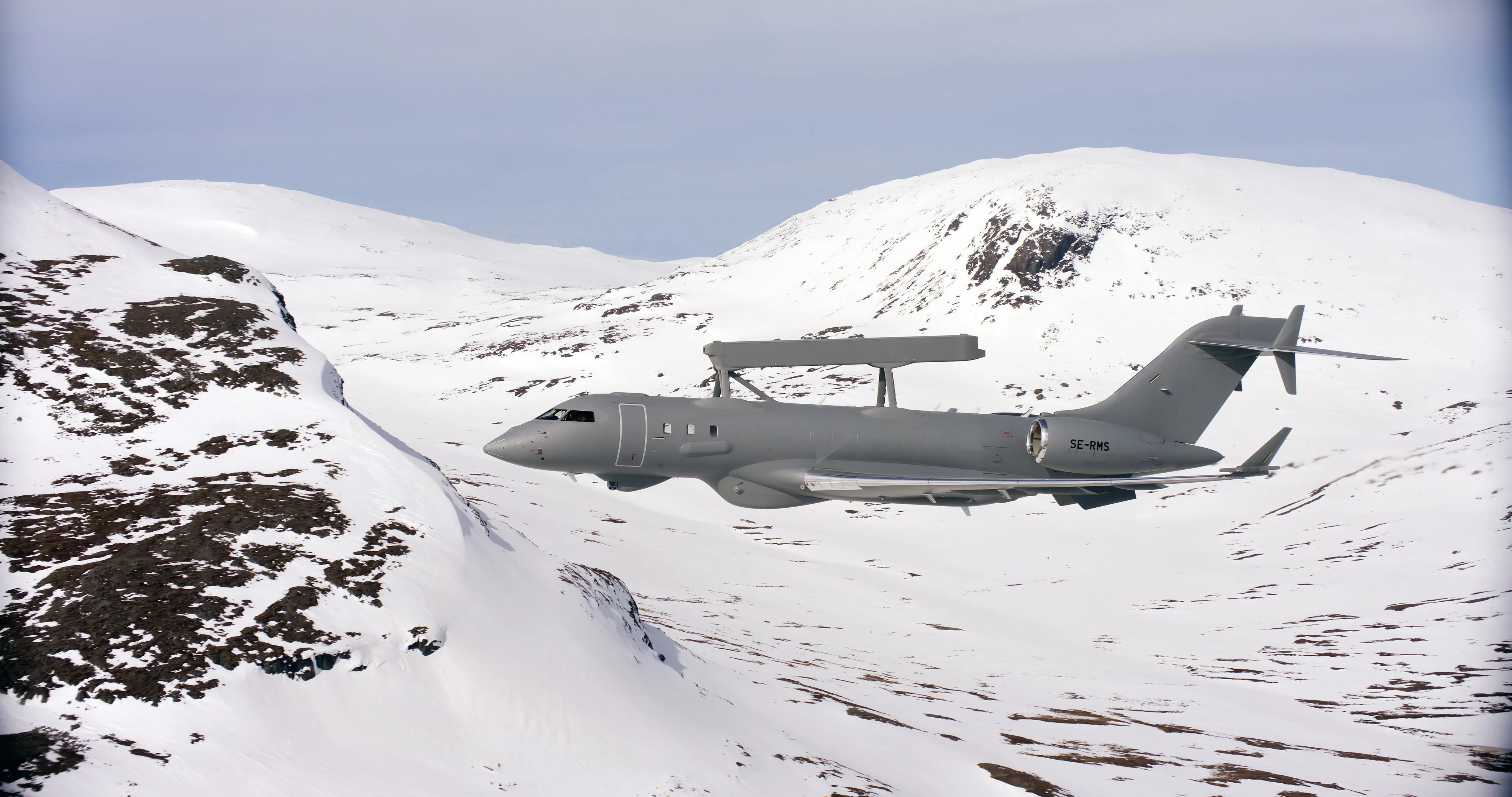
Canadian Prime Minister Carney has announced major new defence partnership as part of new initiatives to transform Canadian defence procurement which includes discussions to buy a made-in-Sweden early warning aircraft system as Ottawa aims to reduce the reliance on the United States for defence and military goods.
Under the arrangement, at least one-third of the GlobalEye-equipped fleet , 40 aircraft — will be made in Canada over the next 15 years.
The agreement will open “massive opportunities for Canadian workers,” according to an official statement, and is expected to add 3,000 jobs in the Canadian aerospace and defence industry in skilled trades such as engineering. The press release read as,
To accelerate defence investments underway, today at the CANSEC trade show, the Prime Minister, Mark Carney, announced that Canada has entered into negotiations to procure the GlobalEye, Saab’s Airborne Early Warning & Control (AEW&C) aircraft platform.
This is projected to support 3,000 jobs in the Canadian aerospace and defence sector – from the skilled trades to engineering and compute – opening massive opportunities for Canadian workers. No less than one-third of the projected fleet of GlobalEye aircraft will be manufactured in Canada over the next 15 years.
That means at least 40 aircraft, including orders from Allies, built by Canadian workers. At the heart of the GlobalEye system is the Canadian-made Bombardier Global 6500 aircraft – a modern jet transformed into a cutting-edge surveillance aircraft.
Upon induction, the Canadian Armed Forces (CAF) can use the GlobalEye system to identify and stop threats in the Arctic and other regions. The platform, which combines early warning, control and long-range air, land and sea surveillance, can track objects and signals up to 650 kilometres away and share that information in real-time with the CAF.
“This partnership with Sweden shows how trusted alliances can deliver world-class military capability more quickly,” Stephen Fuhr, secretary of state for defence procurement, said in a statement. “It will strengthen interoperability with our (North Atlantic Treaty Organization) allies and partners.”
As per the publication, the Saab GlobalEye combines airborne early warning and control with long-range air, sea, and land surveillance in real time from a single platform. With a suite of advanced sensors and mission systems, Saab’s GlobalEye will be a key resource for the Canadian Armed Forces (CAF) to enhance North American security by detecting and deterring threats across the Arctic and beyond. With airborne surveillance capability, GlobalEye can track objects and signals up to 650 kilometres away and will share real-time information to the CAF.
Under the strategic guidance document "Our North, Strong and Free: A Renewed Vision for Canada's Defence" highlighted the Royal Canadian Air Force's (RCAF) need for airborne early warning and control (AEW&C) aircraft; consequently, a program with a budget of 5.5 billion Canadian dollars (CAD) was launched. The plan was to acquire six aircraft.
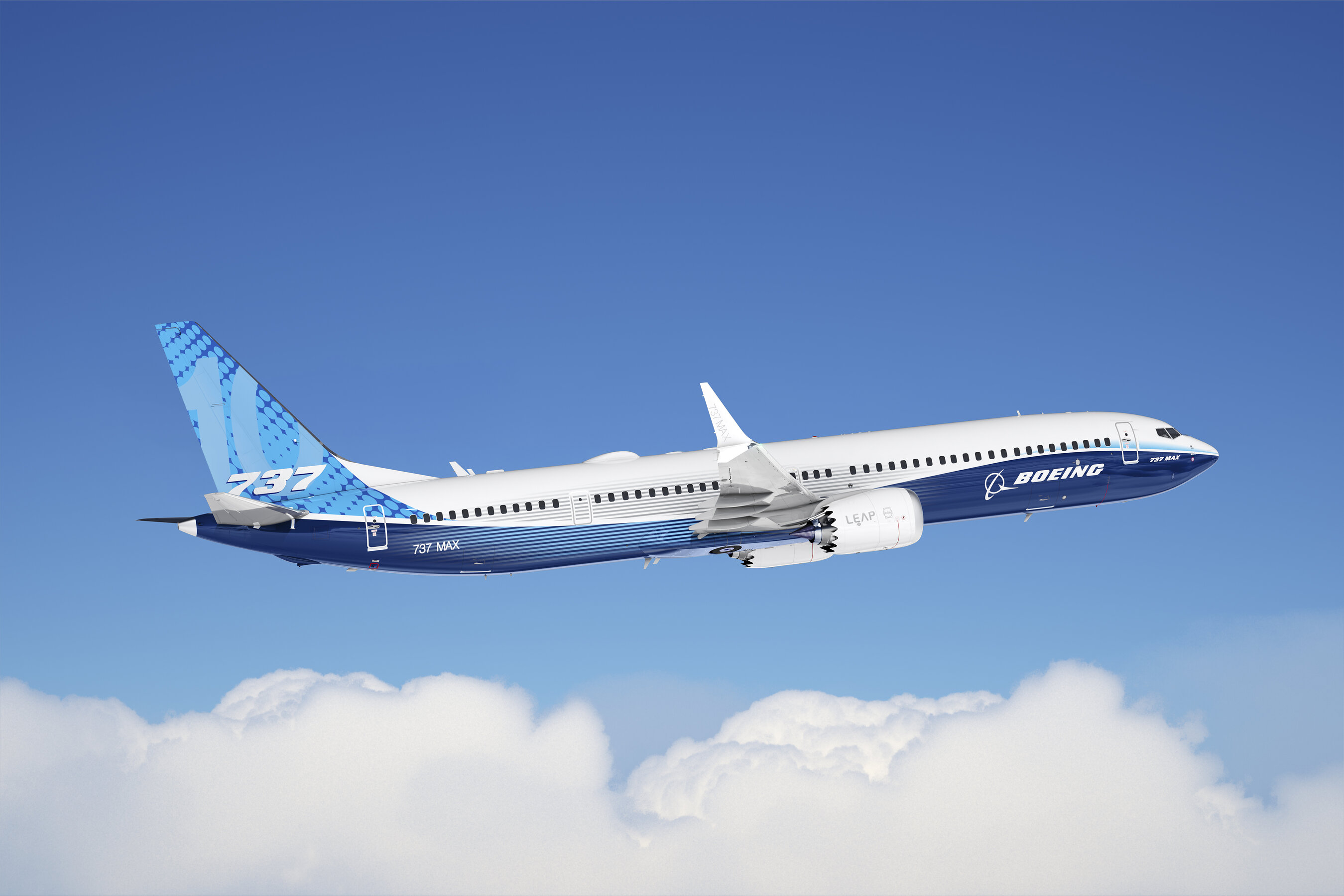
Also under the NORAD obligations, to the North American Aerospace Defense Command [NORAD] and its membership in the so-called "Five Eyes" alliance [alongside the United States, the United Kingdom, Australia and New Zealand], it was understood that Canada would procure the Boeing's E-7A Wedgetail, especially since this aircraft had already been chosen by the American, United Kingdom and Australian air forces.
However, the deterioration of relations between Washington and Ottawa, as well as the desire of Canadian Prime Minister Mark Carney to reduce his country's dependence on American military equipment, have changed the situation.
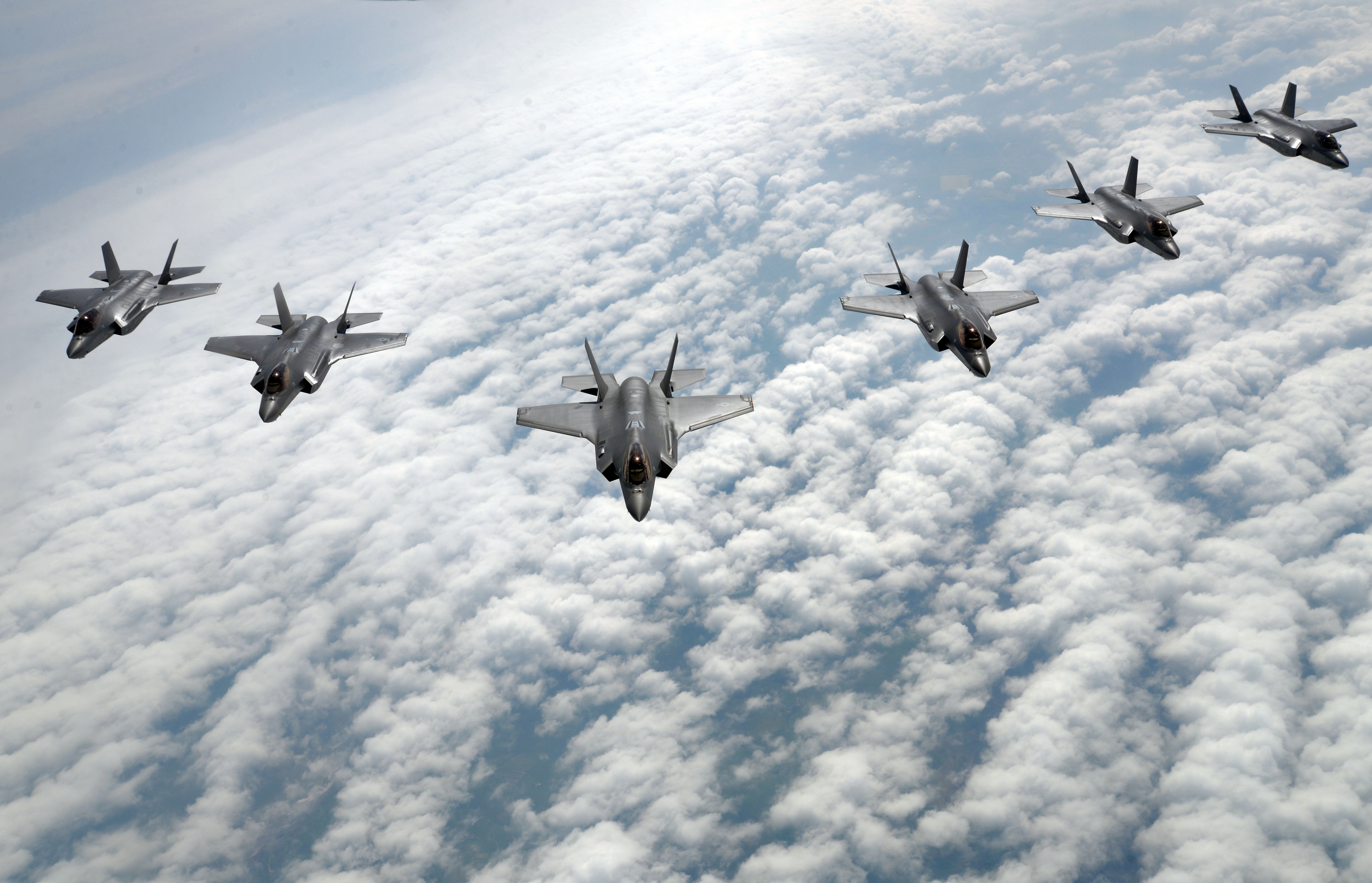
Also, in March 2025, when the Canadian Department of National Defence had just announced its intention to reconsider the purchase of 88 F-35As from Lockheed Martin to replace the RCAF's CF-18 Hornets, the Swedish company Saab announced its intention to enter the process by submitting the application of its GlobalEye system, which, among other things, has the advantage of being based on the Global 6000/6500 business jet from the Canadian manufacturer Bombardier.
The defence policy and procurement researcher also said Saab’s GlobalEye was the “obvious choice” for the government.
“The capability was already in service, and it was an evident way to boost Canadian cooperation with a European ally,” he said. “Saab … offered an opportunity that was clearly aligned with the Carney government’s diversification policy and defence industrial strategy.”
The Carney government has been accelerating its push to rebuild the Canadian military and shore up defence innovation, spending $65 billion in the past year and boosting defence spending to two per cent of gross domestic product for the first time in nearly 40 years.
Ottawa launched the Defence Investment Agency last October and the Defence Industrial Strategy (DIS) in February to help address slow procurement processes, buy more from Canadian companies and shore up Canada’s defence industry.
This Day, Carney announced a series of updates to the DIS, such as measures to cut red tape with a 90-day approval timeline for businesses, encouraging foreign contractors holding Canadian defence contracts to subcontract work to homegrown companies and a partnership framework to help Canadian businesses work more closely with the government to address the CAF’s needs.
Micael Johansson, the CEO of Saab, welcomed the announcement from the Canadian Prime Minister.
“We welcome Canada’s decision to enter into discussions with Saab as the preferred supplier for Canada’s future airborne surveillance, detection, and control capabilities,” he said in a statement.
“GlobalEye offers proven capabilities for the Royal Canadian Air Force and Canadian sovereignty, as well as comprehensive and specialized work for the Canadian industry,” he concluded.
The Hon. Stephen Fuhr, Secretary of State (Defence Procurement), said:
“The acquisition of the Airborne Early Warning & Control capability for the Royal Canadian Air Force marks the beginning of a new era for the Canadian Armed Forces. Guided by the priorities set out in the Defence Industrial Strategy, this partnership provides a blueprint for future collaboration led by the Defence Investment Agency."
"This partnership with Sweden shows how trusted alliances can deliver world-class military capability more quickly. It will strengthen interoperability with our NATO Allies and partners. Together, we are preparing the Canadian Armed Forces to meet today’s challenges and those of the future.”

.jpg)