
Malaysia Aviation Group (MAG) has ordered mandatory drug screening for all 1,260 Malaysia Airlines pilots after one of its second officers was detained in Indonesia over an alleged attempt to smuggle narcotics, prompting the airline to tighten oversight of flight crew fitness and reinforce public confidence in its safety standards.
MAG said screening commenced immediately and is expected to be completed by 15 August. Pilots who fail to complete the test within the stipulated period will be grounded until they have been screened and cleared.
“MAG will implement mandatory drug screening for all active pilots as a complement to the existing pilot testing program and the measure will later be extended to active cabin crew.
"This appropriate action reflects the seriousness with which MAG views the recent incident resulting in the detention of its pilot, in line with the group's stance that it does not oppose any form of misconduct," statement reads.
The airline group also announced that mandatory drug screening will become a permanent requirement for all active pilots, supplementing its existing programme of random drug and alcohol testing. The policy will later be expanded to include cabin crew.
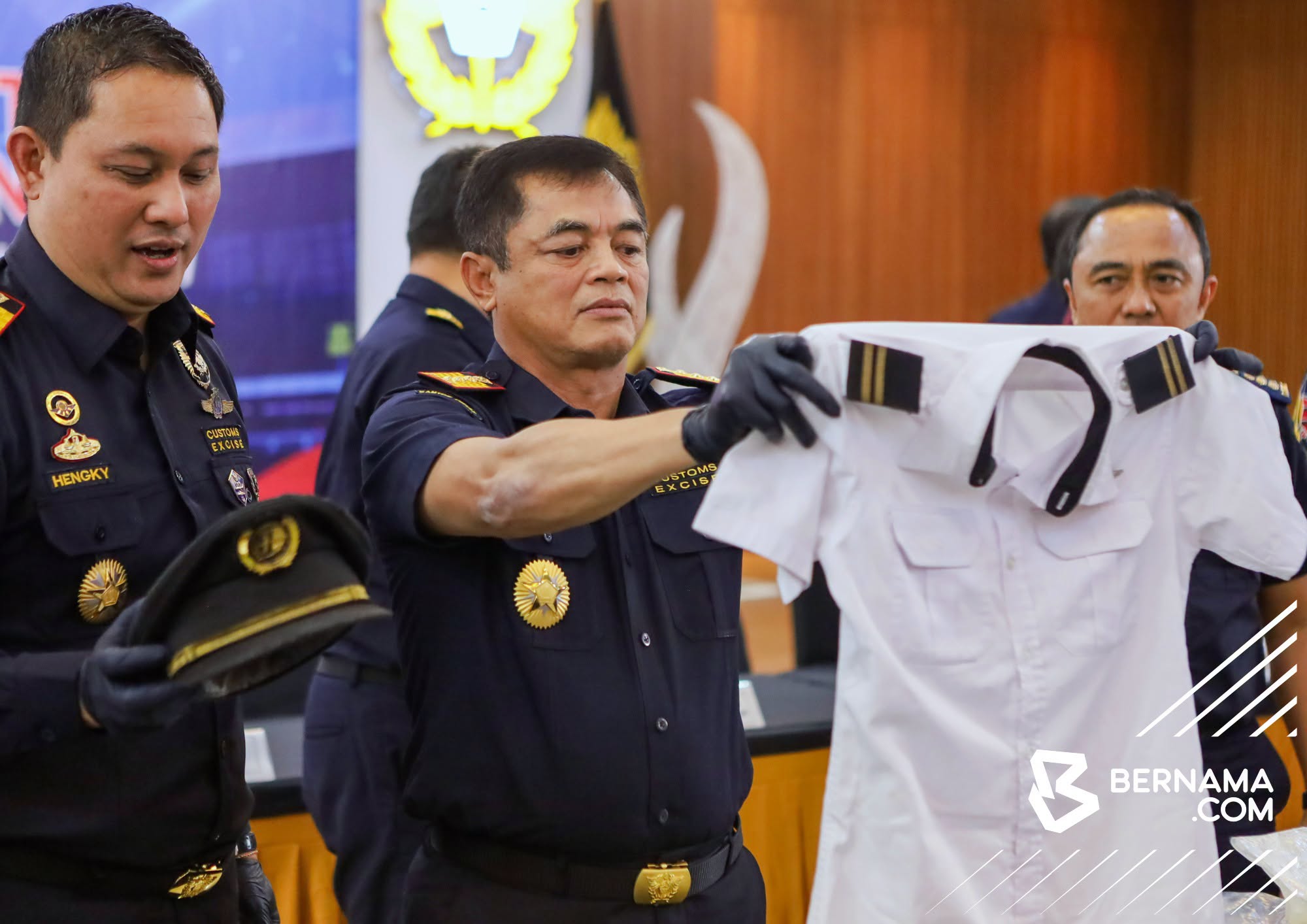
The move follows the arrest of a Malaysian pilot at Soekarno-Hatta International Airport in Jakarta, where Indonesian authorities alleged that approximately 25 kilograms of ecstasy, valued at more than RM13 million, had been concealed in his luggage.
On July 29, a Malaysian pilot was detained after being suspected of trying to smuggle a large amount of drugs into Indonesia including more than 70,000 ecstasy pills weighing 25 kilograms.The 39-year-old pilot boarded Malaysia Airlines flight MH727 from Kuala Lumpur to Jakarta before being detained at Terminal 3 of Soekarno-Hatta Airport.
MAG confirmed that the individual was a second officer travelling in the cockpit jump seat as an observer and was not part of the operating flight crew. According to the airline, he had been off duty for two days before the incident, while the flight itself was operated safely by two qualified pilots.
"Malaysia Aviation Group views the actions of the individual as completely unacceptable and contrary to the professional standards expected of its personnel," the company said.
Group Managing Director and Chief Executive Officer Nasaruddin A. Bakar said operational safety and crew fitness remain fundamental to the airline's safety culture.
"While this isolated incident does not reflect the professionalism of the overwhelming majority of our employees, we will continue strengthening our safeguards to maintain the confidence of our passengers and stakeholders."
The latest incident comes amid increasing global attention on substance abuse and illicit drug trafficking involving aviation personnel, although such cases remain exceptionally rare.
Over the past decade, regulators worldwide have strengthened oversight of flight crew fitness for duty through a combination of:
Following several high-profile aviation safety incidents globally, regulators have increasingly emphasised that pilot fitness extends beyond technical competence to include mental health, fatigue management, alcohol use and illicit drug prevention.
Malaysia Airlines already maintained a random testing programme before this latest decision. The mandatory screening of all active pilots represents a significant expansion of that policy and aligns with a broader trend among international airlines toward more comprehensive oversight.
Commercial pilots are subject to some of the world's strictest fitness-for-duty standards.
Under International Civil Aviation Organization (ICAO) standards, flight crew members are prohibited from performing duties while impaired by alcohol or psychoactive substances. Individual countries establish specific legal limits.
Examples include:
Many airlines impose stricter company standards than national regulations.
International aviation regulators maintain zero tolerance for illegal drugs.
Pilots may be tested for substances including:
A positive test generally results in immediate removal from flight duties pending investigation and may lead to suspension or revocation of licences, employment termination, and criminal prosecution where offences are involved.
Even prescribed medications can temporarily disqualify pilots if they impair alertness, judgement or reaction time.
While the Indonesian case does not involve the operation of the aircraft itself, aviation experts note that incidents involving licensed flight crew can affect public confidence because pilots undergo extensive security vetting and hold privileged access within airport environments.
Recognising this, Tourism, Arts and Culture Minister Tiong King Sing called for immediate corrective action rather than further discussion.
"Every security checkpoint, every screening process and every border control procedure reflects the standards by which our country is judged. When those safeguards fail, the consequences extend well beyond a single incident," he said.
The minister urged authorities to review recruitment standards, background screening, operational supervision, monitoring of high-risk positions and professional conduct across the aviation sector.
He also reiterated concerns he had previously raised regarding airport security, border controls, drug trafficking risks and operational readiness, claiming that these warnings had been met with "a persistent culture of denial."
While acknowledging manpower challenges, Tiong stressed that security breaches of this magnitude cannot be attributed solely to staffing shortages.
"Any insider who has compromised the security of the country's gateways must face the full force of the law," he said.
The mandatory testing initiative signals one of the most comprehensive crew drug-screening programmes introduced by a Malaysian airline in recent years. Beyond ensuring regulatory compliance, the policy reflects a growing industry emphasis on proactively identifying risks before they affect flight operations.
Although authorities have described the case as an isolated incident, the response illustrates how airlines increasingly view crew fitness, security integrity and public trust as interconnected elements of modern aviation safety management.