
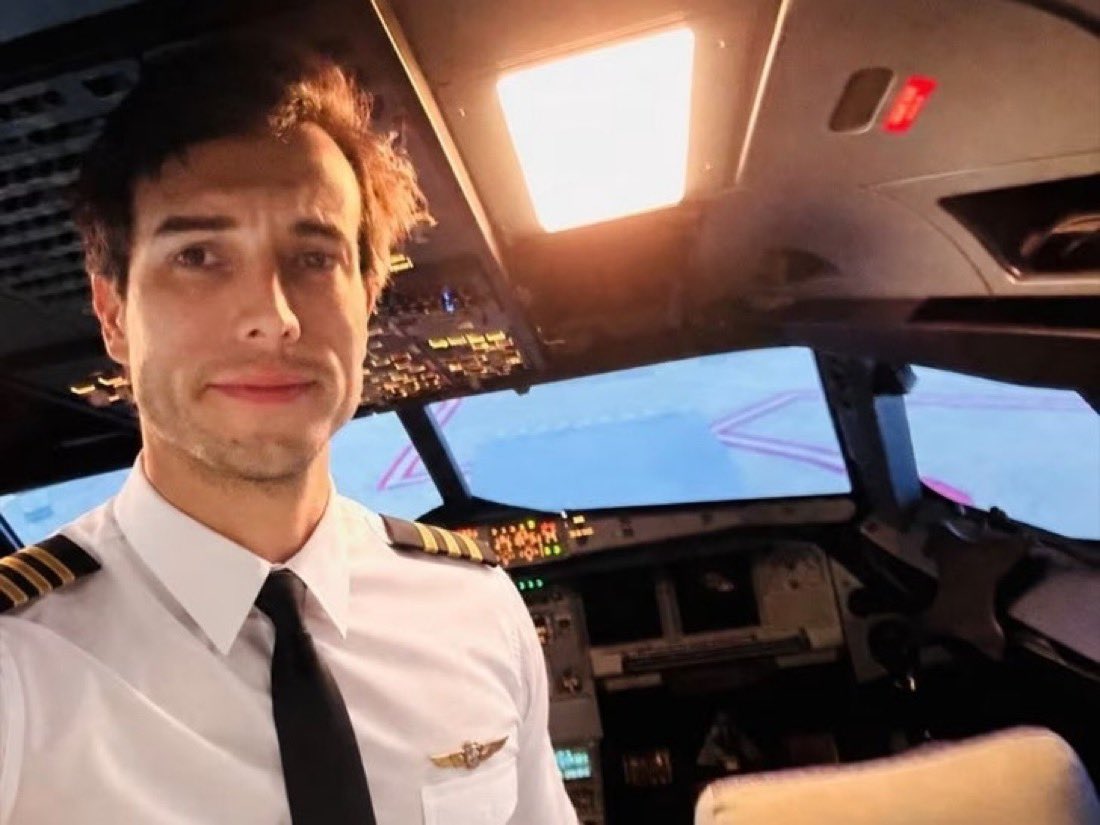
The death of Argentine flight instructor Leandro Bertazzo, 42, who fell from a Cessna aircraft during a training flight in Córdoba on July 4, 2026, has taken a deeply troubling new turn.
Four months after the tragedy, his parents, Ethel and Carlos Bertazzo, have spoken publicly for the first time, alleging that their son endured sustained online harassment that severely affected his mental health in the months before his death.
Their account, published by Argentine newspaper Clarín on November 2, 2026, has raised fresh questions about the circumstances surrounding the incident and the investigation into his death.
Bertazzo was working as a flight instructor with Flying Parrot Córdoba, a flight school based at the Coronel Olmedo aerodrome.
On July 4, he conducted two instructional flights in a Cessna 150G:
During the first flight, with a male student, everything reportedly proceeded normally.
During the second flight, he was accompanied by a 22-year-old female student who already held a private pilot licence but needed additional flight hours.
According to the student's account, Bertazzo instructed her to maintain control of the aircraft, telling her that she knew what to do. He then removed his headset, arranged his belongings, unfastened his seat belt, opened the aircraft door and fell from the aircraft.
The student managed to maintain control and land the Cessna safely without her instructor. Bertazzo's body was subsequently recovered in a rural area near Toledo, Córdoba.
One of the most significant revelations from his parents concerns his professional aspirations.
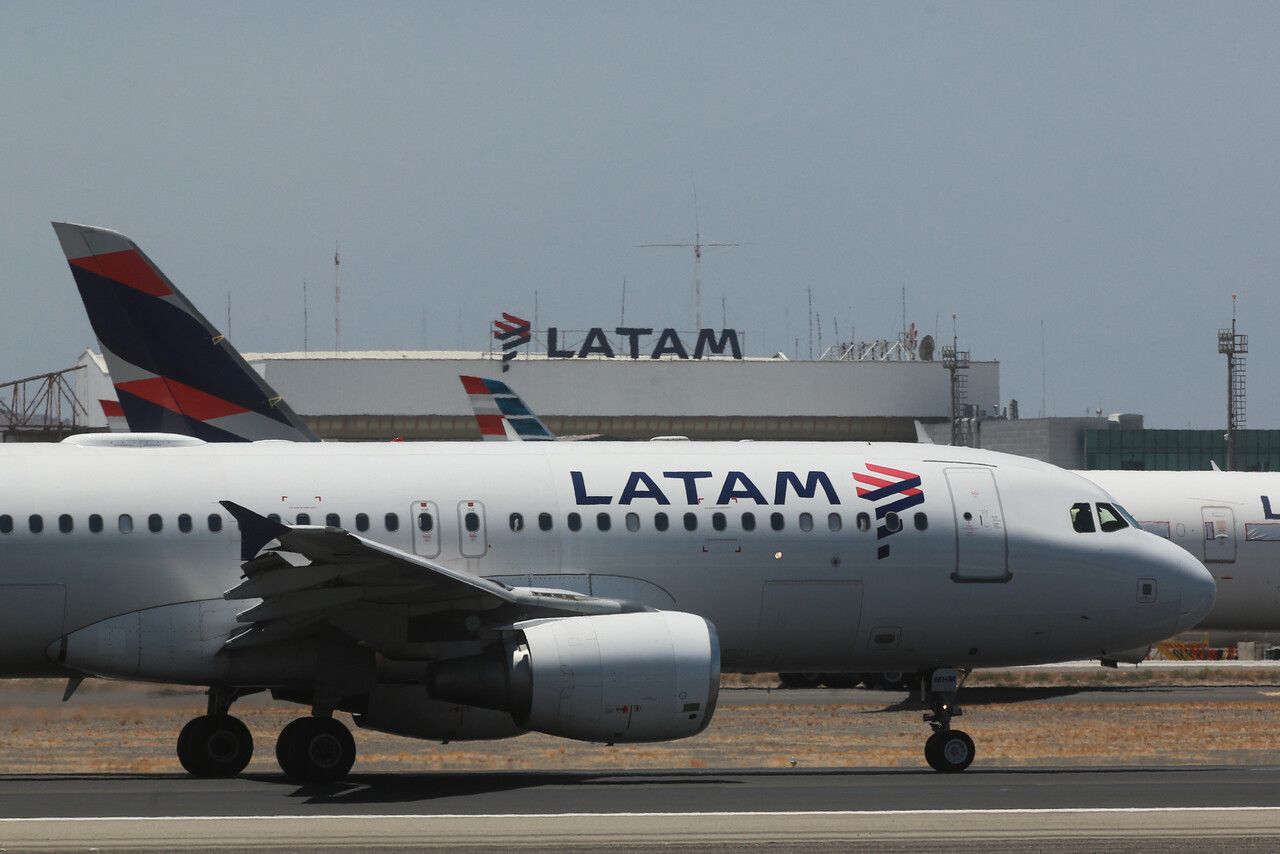
In May 2026, Bertazzo travelled to Chile to participate in a recruitment and assessment programme for a position with LATAM Airlines.
According to his parents' account to Clarín:
The recruitment programme was expected to last six months.
Bertazzo spent approximately one month in Chile before being released from the process.
He subsequently returned to Córdoba, Argentina.
He moved back in with his parents following the end of a relationship that had lasted approximately two years.
His parents described this period as a turning point in his life. They noticed changes in his behaviour, including increasing sadness, frustration, feelings of guilt and declining self-confidence.
The most disturbing part of the parents' interview concerns alleged cyberbullying.
Ethel and Carlos said they subsequently learned that their son had received repeated hostile messages on social media during the recruitment period in Chile.
According to their account, some messages allegedly described him as a burden and suggested that he would never succeed in his professional ambitions.
His mother recalled that he had begun expressing feelings of guilt, worthlessness and dissatisfaction with his appearance.
Ethel also alleged that a group of people had coordinated attacks against her son.
Her emotional statement, which became the central headline of the interview, was:
"Leandro opened the airplane door, but many hands pushed him."
This was her description of the alleged psychological pressure he experienced, not a finding that anyone physically pushed him or caused the aircraft door to open. The allegations of organised harassment have not been independently established.
His parents said Bertazzo was receiving psychological and psychiatric support, but his condition reportedly worsened during June.
They described repeated panic attacks during the final two weeks of his life.
Concerned about his deteriorating condition, they accompanied him to a psychiatric clinic. According to Carlos, a plan was made for a 48-hour period at home before a planned admission to the clinic on Sunday.
The family believed Bertazzo was going to attend a social gathering at the flying club on Saturday. They said they did not know he intended to conduct instructional flights and believed he had not flown for approximately two months.
The school's director, Eduardo Álvarez, reportedly had not been informed about the personal and health difficulties Bertazzo was experiencing.
The case is being investigated by the judicial authorities in Córdoba.
There are several important aspects:
Aircraft examination: The Cessna 150G was placed under police custody following the incident.
Possible door malfunction: Early reporting by La Nación indicated investigators were also examining whether a technical problem with the aircraft door could have contributed to the fall.
Mobile phone evidence: Bertazzo's parents are questioning why his mobile phone has not yet been examined. They believe it could contain important evidence of the alleged online harassment.
Aviation investigation: Authorities were also awaiting the relevant aviation accident investigation findings.
The Federal Prosecutor's Office No. 2 of Córdoba formally confirmed its involvement in July 2026. The latest November 2 reporting does not establish that the alleged harassment has been proven or that a final determination of the circumstances has been made.
Although this tragedy is not a conventional aircraft accident involving mechanical failure or loss of aircraft control, it raises important questions for the aviation industry.
Three issues deserve particular attention:
Pilot mental health: The importance of recognising psychological distress and ensuring that pilots receive appropriate support.
Fitness to fly: The need for effective processes to identify circumstances that could compromise a pilot's fitness to undertake flying duties.
Workplace culture and cyberbullying: The potential consequences of sustained online harassment, particularly during high-pressure recruitment and professional assessment processes.
Bertazzo's case also highlights the challenges flight schools face when assessing an instructor's fitness to fly if they are unaware of personal circumstances affecting that individual.
His parents hope that sharing his story will encourage greater awareness of mental health difficulties, online harassment and the importance of seeking help.
The death of Leandro Bertazzo has left two investigations intertwined: the circumstances surrounding the fatal incident aboard the Cessna 150G and the allegations of online harassment that his family believes contributed to his deteriorating mental health.
Until the relevant evidence is examined and the judicial investigation reaches its conclusions, those allegations must remain attributed to his parents.
The case is a painful reminder that aviation safety involves not only aircraft, procedures and technology, but also the people responsible for operating aircraft and protecting those on board.