
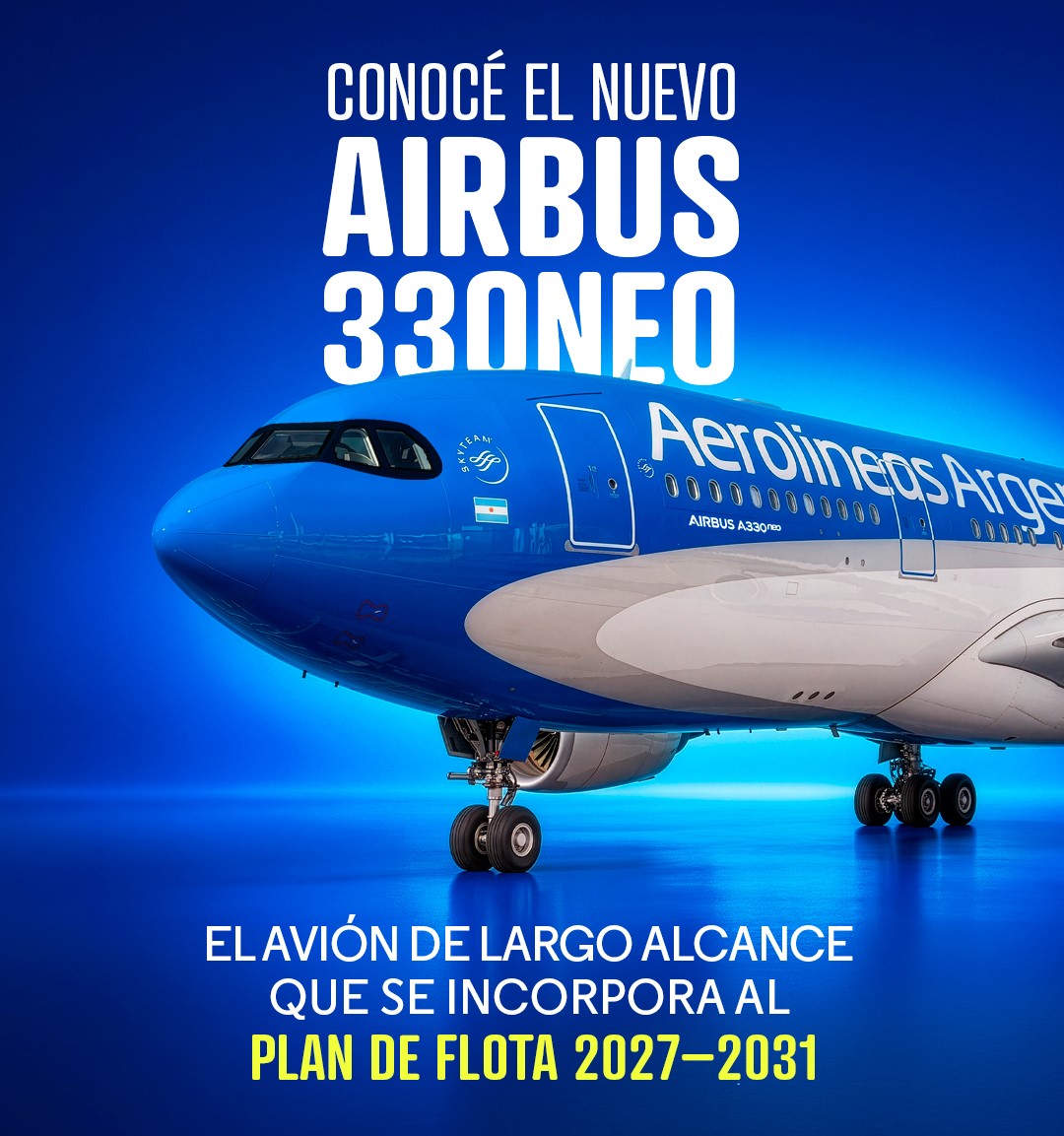
Aerolíneas Argentinas has announced its most significant fleet investment in more than a decade, confirming plans to add 20 next-generation aircraft between 2027 and 2031 as part of a long-term modernization strategy unveiled at the Farnborough International Airshow.
The state-owned carrier said the fleet renewal program will replace 25% of its total fleet and 60% of its long-haul aircraft, improving operational efficiency, reducing fuel consumption, and enhancing the passenger experience across both domestic and international networks.
The investment will be financed entirely through the airline's own resources, reflecting a significant turnaround in its financial performance. According to the carrier, the expansion follows two consecutive years of positive operating results without receiving financial transfers from the Argentine government.
The renewal program includes a mix of Airbus and Boeing aircraft acquired through leasing agreements with Avolon, ACG, and AerCap. The planned fleet additions consist of:
Contracts covering 14 aircraft—the six A330neos and eight 737 MAX 10s—were formally signed during the Farnborough Airshow. The remaining six 737 MAX 8s complete the airline's 2027–2031 fleet plan.
Deliveries of the Boeing narrowbody aircraft are scheduled to begin in the first quarter of 2027, while the first Airbus A330neo is expected to enter service during the first half of 2028.
The Airbus A330neo will gradually replace Aerolíneas Argentinas' existing long-haul fleet, bringing improved fuel efficiency, lower maintenance costs, and enhanced passenger comfort.
The new aircraft will feature a 291-seat, three-class configuration, comprising:
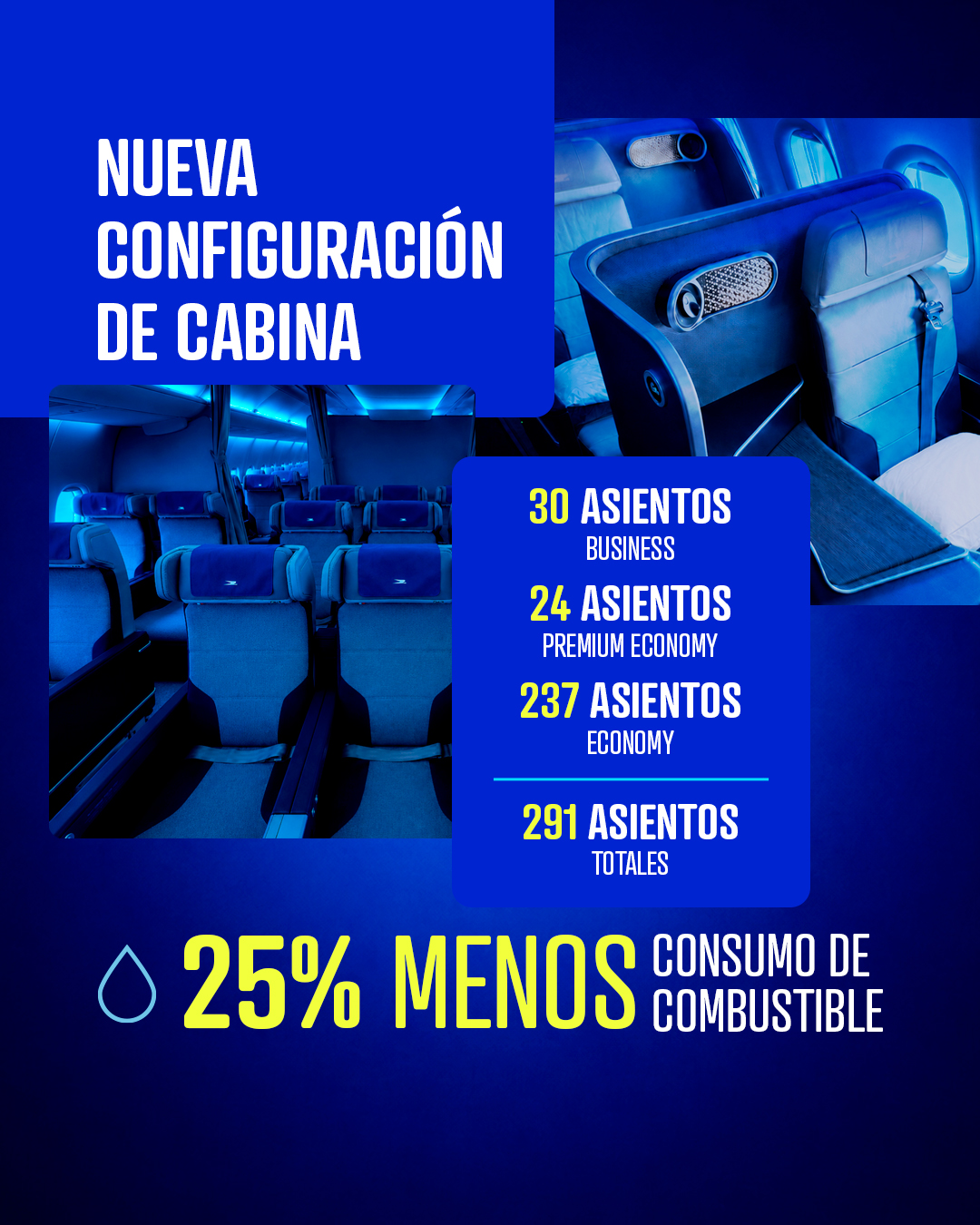
The introduction of Premium Economy represents an important enhancement to the airline's long-haul product, providing an intermediate cabin option for international travelers.
In addition to acquiring new aircraft, Aerolíneas Argentinas plans to modernize the cabins of its existing A330 fleet and introduce new onboard services for long-haul passengers.
The Boeing 737 MAX 10 and MAX 8 fleets will become the backbone of the airline's domestic and regional operations.
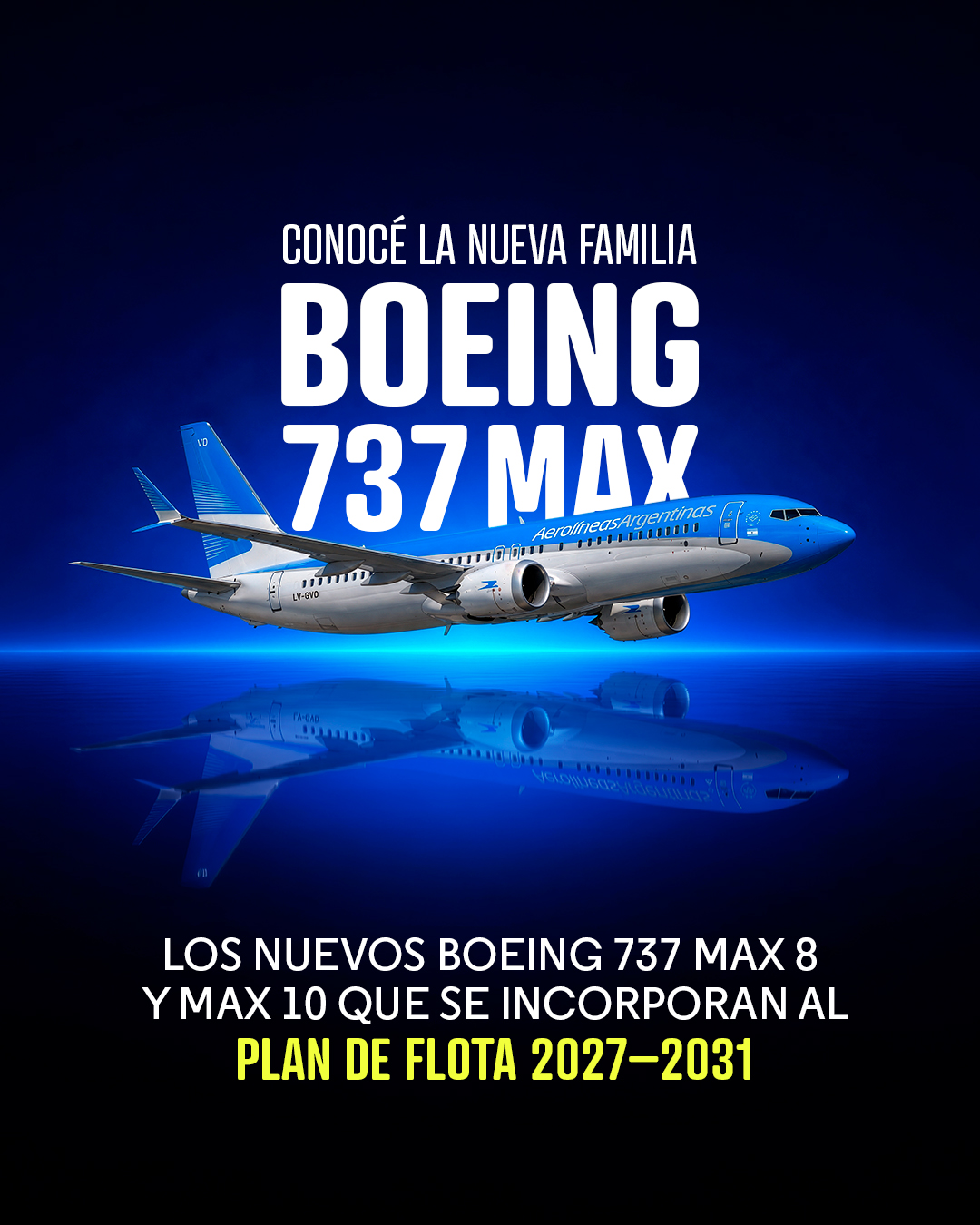
With increased seating capacity, improved fuel efficiency, and lower operating costs compared with previous-generation aircraft, the MAX family is expected to support network growth while improving the carrier's cost competitiveness.
The fleet renewal also aligns with broader industry trends toward more sustainable operations, as both aircraft families offer significant reductions in fuel burn and carbon emissions compared with the aircraft they will replace.
According to Aerolíneas Argentinas President Fabián Lombardo, the Farnborough agreements demonstrate confidence from the global leasing market in the airline's current management and long-term strategy.
The carrier reported an audited operating profit of US$56.6 million in 2024, based on financial statements reviewed by KPMG. In 2025, operating profit increased to US$120.7 million, achieved without any transfers from Argentina's National Treasury.
The airline said its 2025 financial statements will be submitted for shareholder approval in early August.
The improved financial performance has enabled Aerolíneas Argentinas to finance the fleet renewal through internally generated resources, marking a notable shift from previous years when government support played a larger role in the airline's finances.
| Aircraft Type | Quantity | Primary Role | Entry into Service |
|---|---|---|---|
| Airbus A330-900neo | 6 | Long-haul international routes | First half of 2028 |
| Boeing 737 MAX 10 | 8 | Domestic and regional network | From Q1 2027 |
| Boeing 737 MAX 8 | 6 | Domestic and regional network | From Q1 2027 |
The announcement represents Aerolíneas Argentinas' largest aircraft investment in the past ten years and underscores the airline's strategy of combining fleet modernization with financial discipline.
By introducing fuel-efficient Airbus A330neos alongside Boeing 737 MAX family aircraft, the carrier aims to lower operating costs, increase network capacity, and strengthen Argentina's air connectivity while maintaining profitability.
If executed as planned, the 2027–2031 renewal program will significantly reshape the airline's fleet, positioning Aerolíneas Argentinas with a younger, more efficient aircraft portfolio capable of supporting future growth across domestic, regional, and international markets.
Aerolíneas Argentinas' decision to acquire 20 new-generation aircraft between 2027 and 2031 represents one of the most significant strategic moves in the airline's recent history. Beyond simply replacing aging aircraft, the investment signals a shift toward financial sustainability, fleet modernization, and long-term competitiveness.
Perhaps the most important aspect of the announcement is how the aircraft are being financed.
Unlike previous fleet expansion programs that often relied on government support, Aerolíneas Argentinas stated that this investment will be funded entirely through its own resources. The airline also highlighted consecutive operating profits of US$56.6 million in 2024 and US$120.7 million in 2025, achieved without government transfers.
This suggests the carrier is attempting to reposition itself as a financially disciplined airline capable of attracting major leasing companies such as Avolon, AerCap, and ACG on commercial terms.
Why it matters: Less dependence on state funding improves the airline's financial credibility and may strengthen its ability to access future financing.
Rather than focusing on one aircraft family, Aerolíneas Argentinas opted for a mixed Airbus-Boeing fleet.
The six Airbus A330-900neo aircraft will replace much of the existing A330 fleet.
Benefits include:
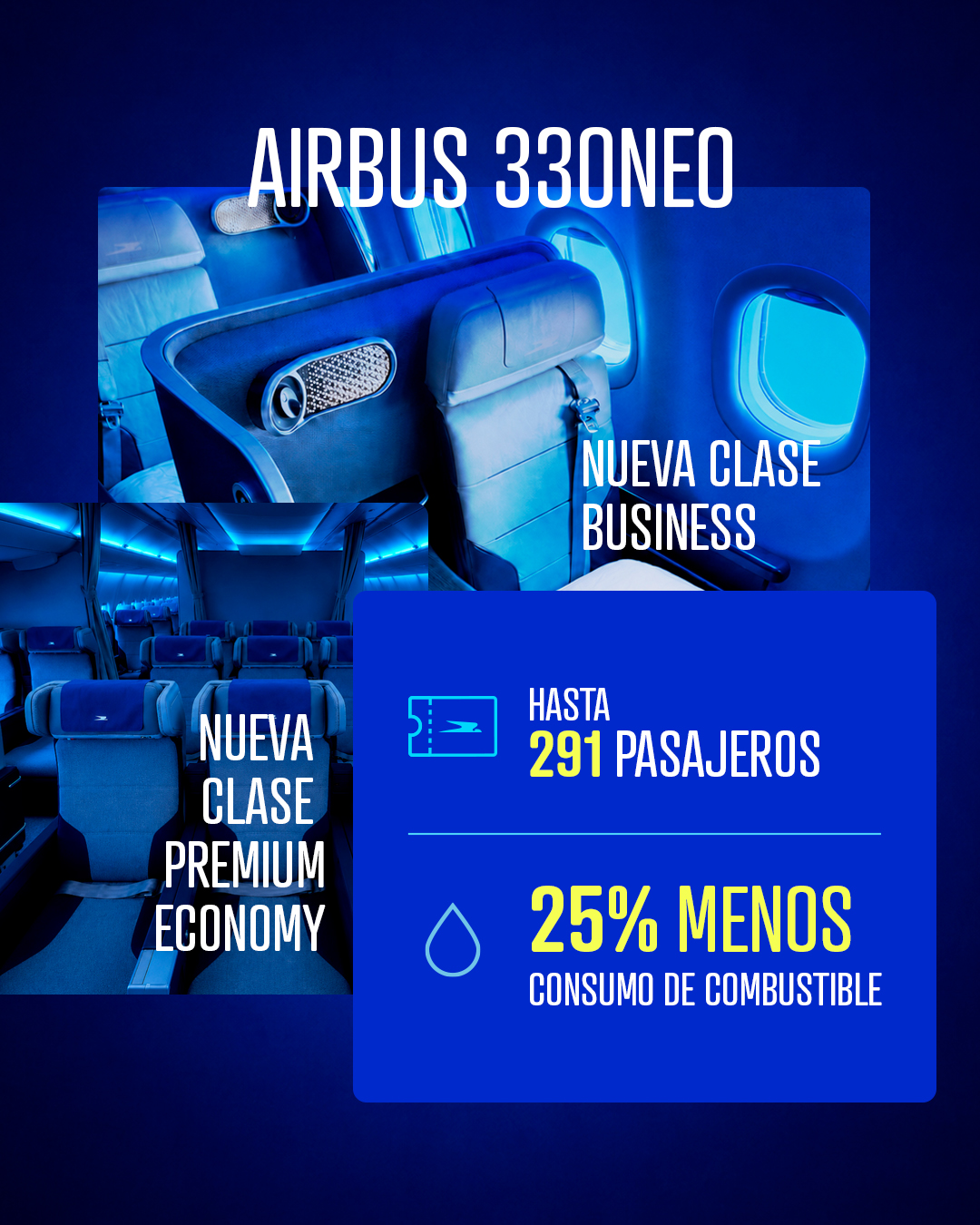
The inclusion of Premium Economy also reflects growing demand for an intermediate cabin product, bringing Aerolíneas Argentinas closer to offerings from leading international carriers.
The airline selected both the 737 MAX 10 and 737 MAX 8, giving it flexibility across different route sizes.
The MAX 10 provides:
The MAX 8 remains suitable for:
This combination allows the airline to optimize capacity without significantly increasing operating costs.
Fleet renewal is fundamentally about economics.
New-generation aircraft typically deliver:
Fuel represents one of the largest expenses for any airline. Even modest improvements in fuel efficiency across a fleet can generate millions of dollars in annual savings.
Replacing 25% of the fleet should therefore have a meaningful impact on the airline's operating costs.
The investment extends beyond aircraft acquisition.
The airline also plans to:
Passenger expectations have evolved significantly over the past decade, and cabin modernization is increasingly important in competing with international airlines.
For long-haul passengers, onboard comfort often influences airline choice as much as ticket price.
Interestingly, the plan is primarily a fleet renewal, not an aggressive expansion.
The airline is replacing older aircraft rather than dramatically increasing fleet size.
This strategy suggests management is prioritizing:
Such an approach is generally viewed as lower risk than rapid expansion, particularly in a volatile aviation market.
Despite the positive outlook, several factors could affect the program's success:
The airline will need to manage these risks carefully to keep the renewal program on schedule.
For South American aviation, the announcement reinforces a broader trend toward fleet modernization.
Many airlines in the region—including LATAM, Avianca, Copa Airlines, and GOL—have invested heavily in fuel-efficient aircraft over the past decade.
Aerolíneas Argentinas' program positions the carrier to remain competitive while reducing operating costs and improving service quality.
The fleet renewal plan is more than a purchase of new aircraft—it is a strategic statement about Aerolíneas Argentinas' future direction.
By investing in next-generation Airbus and Boeing aircraft, modernizing cabins, and financing the program through its own operating performance, the airline is aiming to improve efficiency, strengthen its competitive position, and reduce reliance on government support.
The success of the initiative will depend on timely aircraft deliveries, continued financial discipline, and the airline's ability to capitalize on the operational savings offered by newer aircraft.
If executed as planned, the program could significantly enhance Aerolíneas Argentinas' competitiveness in both the South American and international aviation markets over the next decade.

.jpg)