
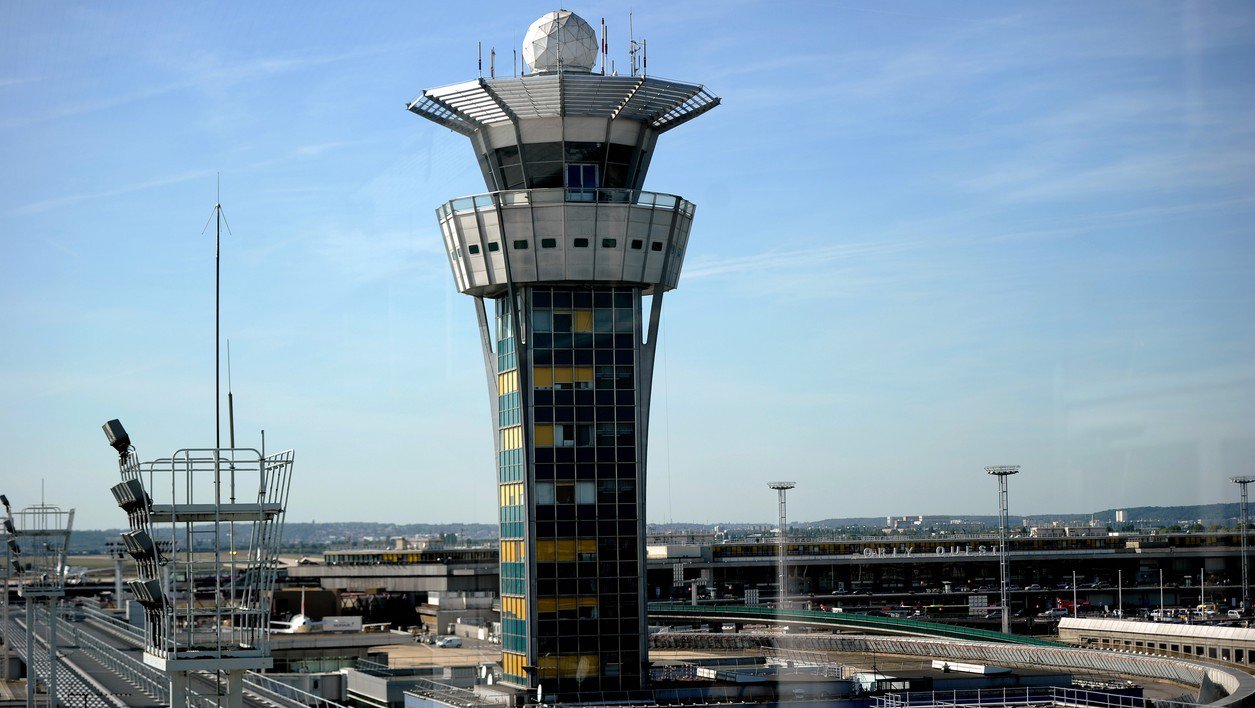
The French Ministry of Transport has announced that it will tighten flight restrictions for the noisiest aircraft after 10 p.m., without reducing the number of flights despite demands from environmentalists and local residents.
Since its construction, Paris-Orly Airport has gradually become enclosed in a densely populated urban area. At France's second-busiest airport, where 33.1 million passengers pass through each year, a curfew was implemented in 1968 to reduce noise pollution for the 130,000 residents it flies over daily.
The government announced on Thursday, July 10, that it had tightened the operating conditions for night flights at Paris-Orly airport to reduce noise pollution, without going so far as to reduce their number, as environmentalists and local residents had demanded.
Among the new measures at the Paris-Orly airport,
"the implementation of a partial curfew, from 10 p.m., for the noisiest aircraft - only the most virtuous aircraft will be able to land and take off after 10 p.m. ," the Ministry of Transport explained in a press release. "
"The government has also decided on a "strict limitation of exemptions to the curfew, now limited to cases relating to security, safety or public order."
" It also specified that the night curfew would "now be based on the time of departure from the parking position (11:15 p.m.), and no longer on the time of takeoff (11:30 p.m.)." "This more restrictive measure takes into account the small difference between the two times, generally less than 10 minutes and creates a clearer reference ," according to the ministry.
However, despite numerous opinions, particularly from associations and the French Academy of Medicine, the ministry has decided not to extend the curfew by half an hour to reduce the number of decibels at night.
The airport, France's second-busiest after Charles-de-Gaulle, welcomed 33.1 million passengers in 2024, or 106.8% of its 2019 level, before the health crisis. Opened in 1961 and now nestled in a very dense urban area, about ten kilometers south of Paris, its number of takeoffs and landings has been capped at 250,000 per year since 1994. To protect local residents' sleep, it is also subject to a strict curfew between 11:30 p.m. and 6 a.m.
Its manager, the ADP group, predicts a 16% increase in the number of passengers by 2035, but a "stabilization" in the number of movements, at 229,000, the result of larger and more fully loaded planes.
According to the ministry, the measures announced Thursday
"constitute a balanced compromise between improving the quality of life of local residents and maintaining the airport's operating conditions, which will provide structure for economic development and employment in the region."
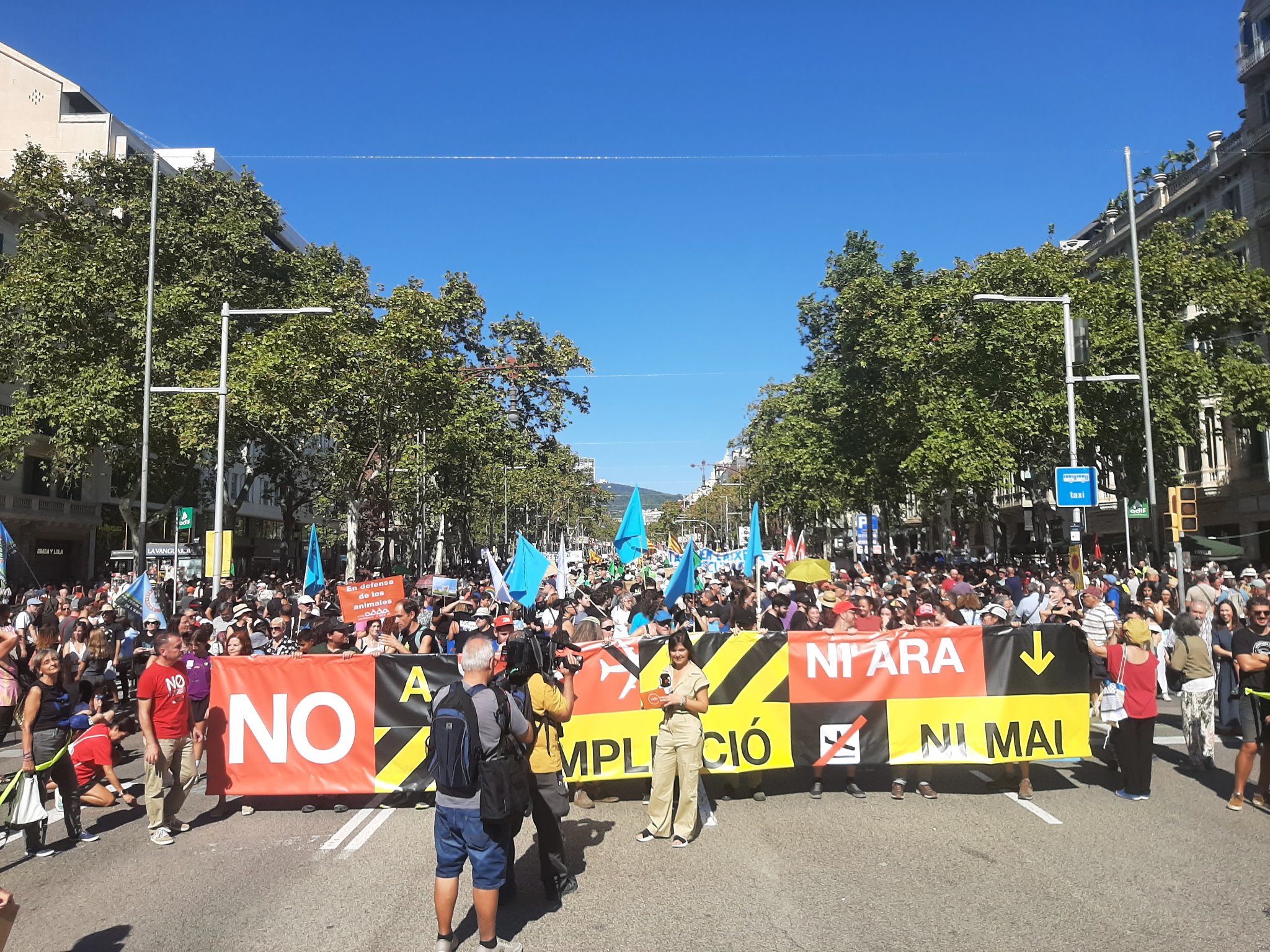
In March 2024, hundreds of environmental activists and members of local residents' associations, notably from the commune of Orly (Val-de-Marne), mobilized across France against the nuisance of air traffic, calling for a cap on it.
In addition to the aviation sector's impact on the climate, they had argued, supported by health studies, that aircraft noise "directly and seriously affects the health of the populations overflown."
On Thursday, the government promised "a national plan to increase the use of soundproofing aid around major French airports, which are currently underutilized."