
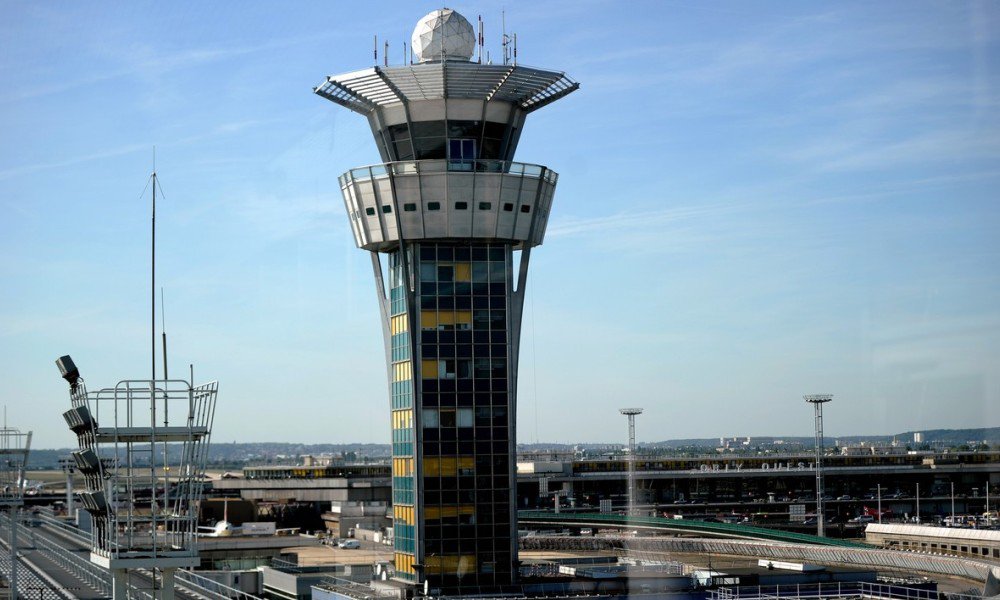
In an "unprecedented" operation, French authorities on Tuesday launched an anti-narcotics operation at Paris-Orly airport, carrying out an exhaustive screening of every passenger, crew member and cargo item on board a flight from Martinique, in what officials described as a first for an aircraft to arrive in France.
The excercise aims to "prevent the introduction of drugs into the national territory" and "make criminal networks understand that French airports, and in particular Paris, are in no way safe entry points for their illicit activities".
"This is a strong, extremely strong signal that we wanted to send to those who want to smuggle drugs through luggage, possibly caches on the plane but also in corpore", in the bodies of passengers who would have ingested it, said the prefect of police of Paris Patrice Faure during a press briefing at the airport at 12:30 p.m.
Nearly 400 police officers, gendarmes and customs officers carried out an exceptional operation at Paris-Orly airport on Tuesday morning to carry out an exceptional full control operation on a flight from Fort-de-France, Martinique, in order to prevent the introduction of drugs into mainland France.
This operation represents a significant escalation in France's efforts to combat drug trafficking from its overseas territories. According to the authorities, the "100% control" operation covers all passengers, crew members, cargo and luggage, both in the cabin and in the hold.
The officials said the operation is aimed at preventing the introduction of narcotics into the national territory and to make it clear to criminal networks that French airports, and especially in Paris, are in no way safe entry points for their illicit activities.
According to the police prefecture, this interministerial operation involves the Ministries of the Interior, Justice, Public Accounts and Health and is part of the fight against drug trafficking, with a hospital system provided for the possible care of people who have ingested narcotics, the famous "mules".
The screening process includes screening procedures, questionnaires and screening for all persons on board the aircraft. In addition, medical teams equipped with body scanners are present on site to identify "mules" who have swallowed or hidden narcotics inside their bodies.
Upon scanning, anyone found transporting drugs in the body is immediately taken care of and transferred to a hospital.
This operation marks the first time that such a comprehensive check has been carried out at an airport of arrival in France. Previously, similar "100% control" operations had been set up at departure airports in French Guiana and the French West Indies, targeting travellers bound for mainland France.
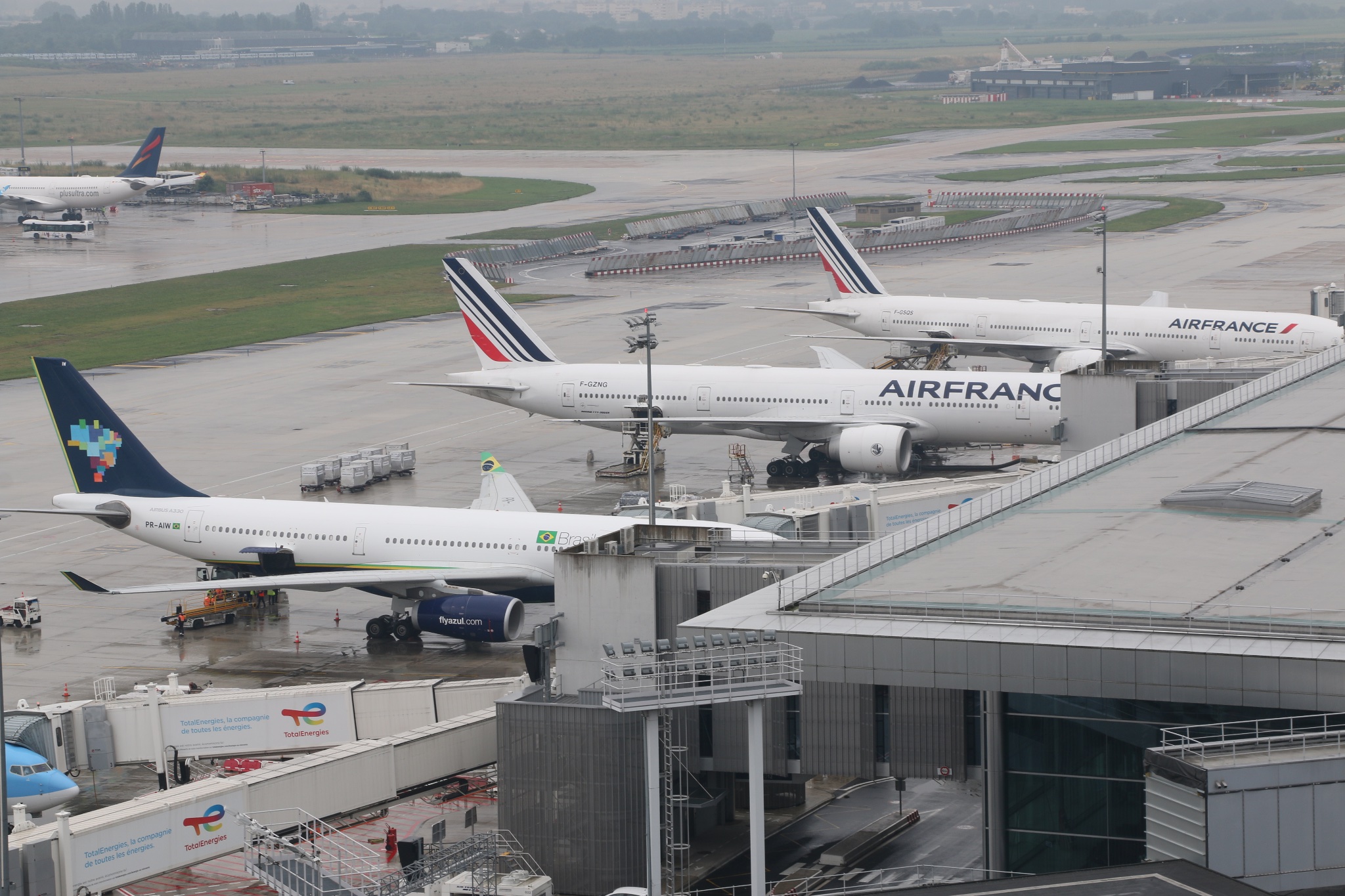
The timing of this operation is significant given the latest events and the growing pressure related to drug trafficking in Martinique.
In 2024, 139 passengers were arrested and 698 kg of drugs seized in Fort-de-France, compared to 524 kg the previous year.
In March 2025, a network operating between French Guiana, Martinique and Paris was dismantled, leading to seven arrests and the seizure of 24 kg of cocaine.
The French Navy seized nine tons of cocaine from a ship off Martinique in January 2026, underscoring the Caribbean island's role as a major transit point for South American cocaine destined for Europe.
So far, while the operation was still under progress, no drugs had been seized.
The balance sheet is "negative concerning the transport of drugs in the body" and "under evaluation" concerning the freight, detailed the public prosecutor of Créteil, Damien Savarzeix.
A balance sheet that the police prefect nevertheless described as "rather positive", welcoming the fact that the passengers were "extremely cooperative".
The prefecture has indicated that similar operations could be carried out on other flights in the future, keeping criminal organizations uncertain about when and where the controls will be deployed.
Picture Courtesy: Patriotic Capybara