
An investigation into the fatal crash of the Saurya Airlines CRJ 200 aircraft with registration 9N–AME has concluded that pilot error, not technical failure, was the primary cause of the accident that claimed 18 lives.
Investigation Committee's Chairperson and Civil Aviation Authority of Nepal (CAAN) Director General Ratish Chandra Lal Suman presented the report to Minister of Culture, Tourism and Civil Aviation Badri Prasad Pandey amid a programme organized at the latter's office on Friday.
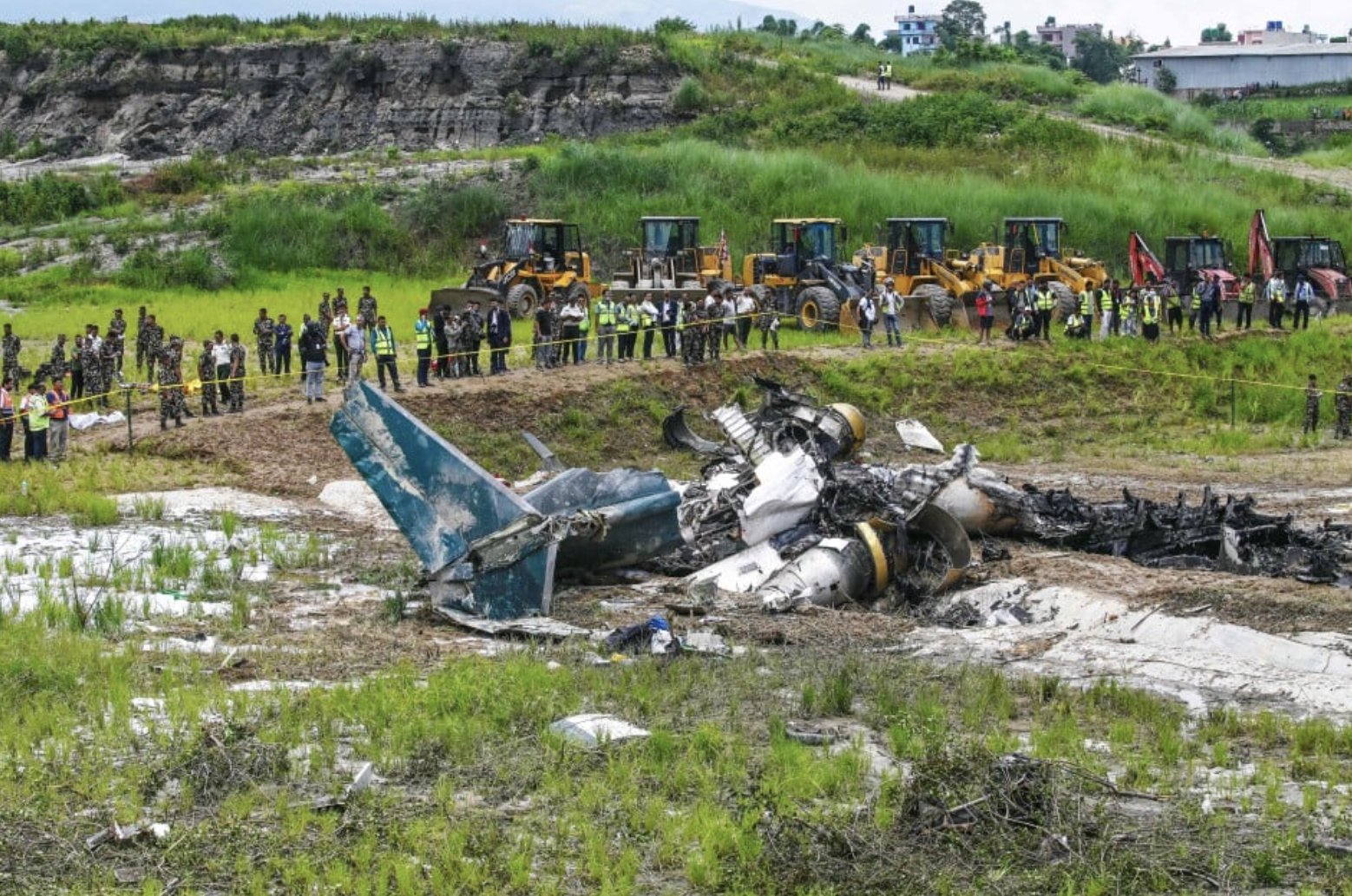
The crash occurred on July 24 of 2024, when the aircraft, on a ferry flight to Pokhara for C-check maintenance, went down near the runway shortly after takeoff from Tribhuvan International Airport. Pilot Manish Shakya survived, but all others aboard perished.
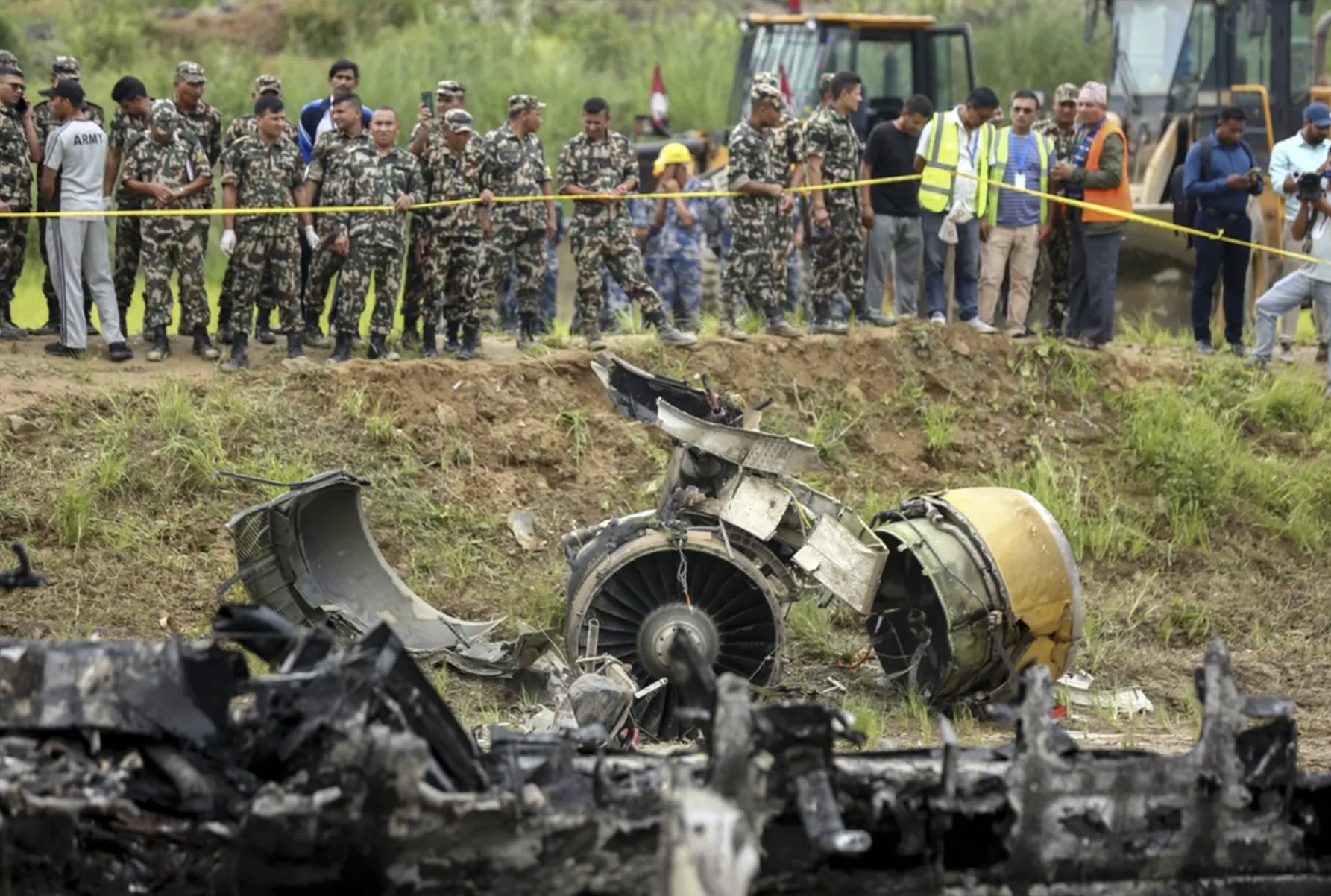
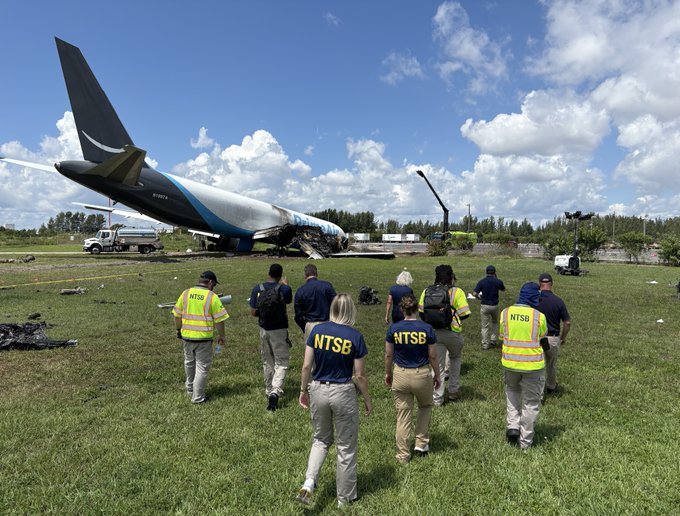
The aircraft was destroyed due to high velocity impact, and post impact fire as seen in Figure 4. The aircraft also collided with the container and shed of Air Dynasty Heli Services Pvt. Ltd.
The cockpit portion was stuck on the Air Dynasty container on the eastern side of the airport. Most of the fuselage structure and its components were damaged due to fire.
The impact of the right wing on the ground marked the start of the disintegration of the right wing and the subsequent accident.
The flight was approved as ferry flight, by Air Transport Division of the Civil Aviation Authority of Nepal on July 23, 2024, with an extension period of 72 hours.
The purpose of the ferry flight was to conduct base maintenance (C-check) of the aircraft, at Pokhara International Airport’s hanger. The aircraft had been grounded for 34 days prior to the event flight.
The Government of Nepal constituted a 5-member, Aircraft Accident Investigation Commission to find the most probable cause of the accident and suggest recommendations as to prevent the recurrence of similar accidents as per the provision of the Aircraft Accident Investigation Regulation, 2014 (2071 B.S.).
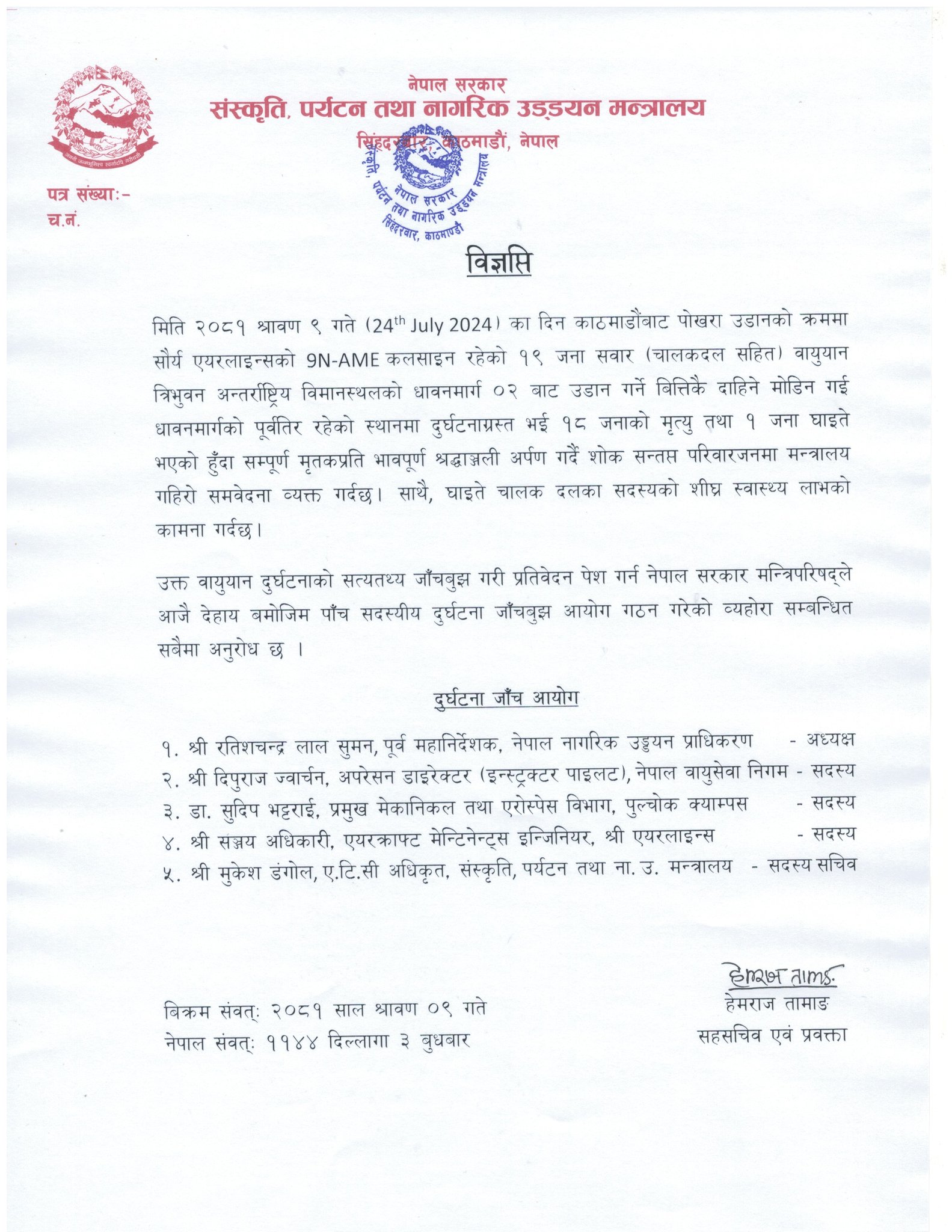
The commission carried out thorough investigation and extensive analysis, along with accident site visits and examinations, interviews with concerned personnels, study of different reports, records and documents and flight data analysis.
According to the report, the pilot raised the aircraft’s nose too steeply during takeoff, resulting in an excessive “pitch rate” that triggered a deep stall—a condition where airflow over the wings is disrupted, making further lift impossible. The aircraft then lost speed and altitude, eventually crashing.
Investigators found that the aircraft’s speed calculation was based on an incorrect and unauthorized speed card, which was not officially approved nor verified by the airline. The aircraft, weighing 18,500 kg, should have had a different V-speed (takeoff speed), but the faulty speed card led to miscalculation.
The contributory factors to the accident are:
The aircraft met an accident during take-off at around 05:26 UTC (11:11 am local time), crashing within the premises of Tribhuvan International Airport. All occupants except the Pilot in Command lost their lives.
The ferry flight had not followed standard operating practices. The aircraft that had been grounded for 34 days before the flight, and had gained only 50 feet of altitude within five seconds of rotation before the right wing struck the ground.
Additionally, the investigation highlighted several violations of safety protocols by the airline.
The operator failed to follow proper cargo and baggage handling procedures. Maintenance tools and materials were loaded in the cabin without proper strapping or supervision.
Hazardous materials were found onboard, along with unmanifested personnel. No proper load distribution or weight verification was conducted. Non-crew members were aboard the aircraft unnecessarily.
The operator was also found to be using flawed speed cards across multiple flights without correction or reporting by flight crews. Pitch rates as high as 8.6 degrees per second were recorded, which are significantly abnormal.
The report criticized the airport authority for poor emergency preparedness. Crucial zones around the airport were not clearly designated, and construction materials were stored unsafely near the crash site.
On the day of the crash, the transfer of wreckage from the site to Saurya Airlines’ office was deemed potential tampering with evidence, reflecting serious negligence on the part of airport authorities.
There was also no resource analysis for tools or personnel, and standard protocols for issuing flight directives and briefing procedures were not followed.
The report paints a troubling picture of systemic failures at both the operator and regulatory levels, underscoring urgent needs for accountability, compliance with safety standards, and institutional reform to prevent similar tragedies in the future.
The commission issued three interim safety recommendations as immediate remedial measures. In this report, 41 safety recommendations are made for the advancement of safety.
Few other Safety recommendations by the Investigation commission are as follows:

.jpg)
.jpg)