
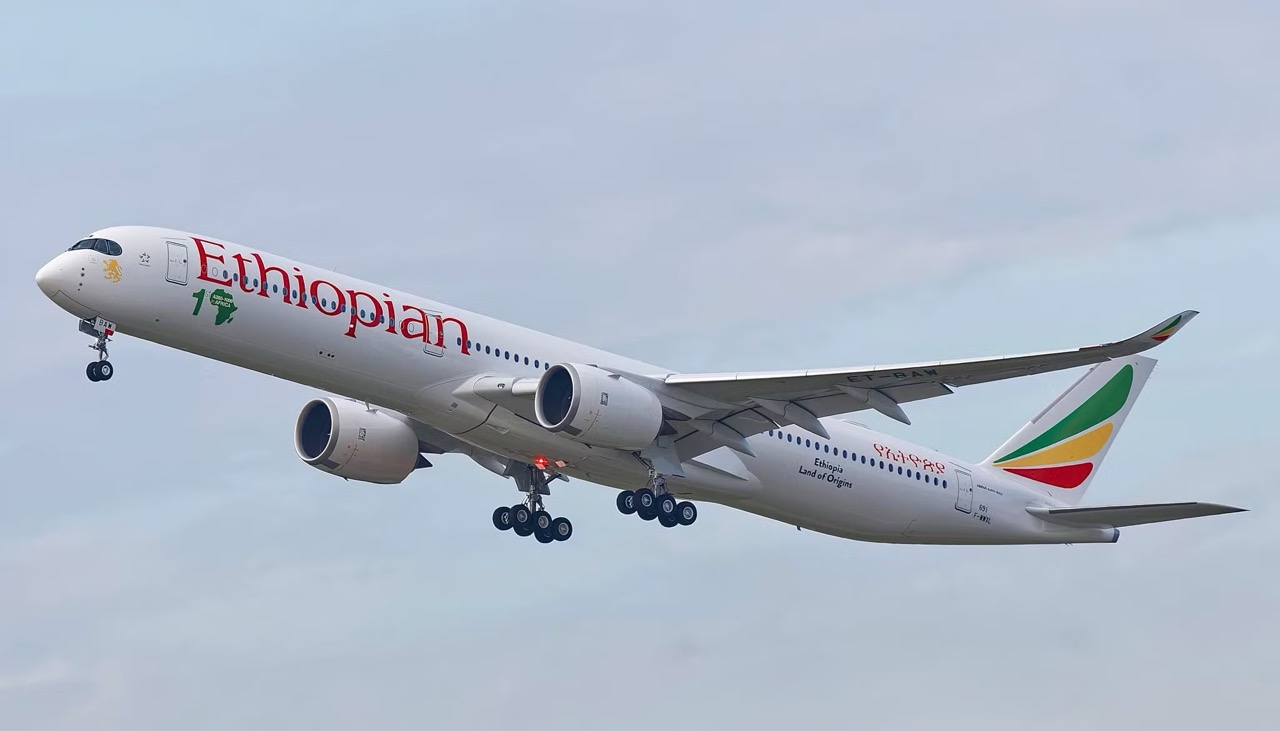
As Russia continue to be isolated by Western sanctions, it’s bleeding aviation sector is searching partners in Asia and Africa, this time the Ethiopian Airlines, as a potential partner to relieve the fleet operations.
Unable to acquire Boeing and Airbus planes and the maintenance spare parts, Russia has severely crippled its aircraft maintenance (MRO) industry that supports the operations.
To ease the pressure, Russian authoroties are in search of alternative means to sustain their civil aviation industry. Last month, Russia’s Trade Commissioner to Ethiopia, Yaroslav Tarasyuk, held talks with the Ethiopian Civil Aviation Authority (ECAA), proposing a wide-ranging cooperation package that includes a wet-lease of aircraft from Ethiopian Airlines.
The scope of the talks also included the possible supply of aviation communication and surveillance equipment to Russia, and the construction of an aircraft maintenance center in Addis Ababa.
The move follows the implementation of the Ethiopia-Russia Air Services Agreement in 2024, which laid the foundation for expanding bilateral aviation ties.
However, a lot of details are not made public yet, whether such an arrangement might violate Western sanctions. Neither Ethiopian Airlines nor the Ethiopian government has commented on the potential legal implications of entering into a leasing agreement with Russian entities under current international restrictions.
Ethiopian Airlines, the fastest-growing African carrier, has a fleet of over 120 aircraft that includes Boeing B787s, Airbus A350s, and Boeing 777s, and has over 60 more on order.
A wet-lease or ACMI leasing arrangement would allow Russian carriers to operate modern Western jets under Ethiopian registration, possibly circumventing some effects of sanctions. However, such an agreement could draw scrutiny from the EU and US, potentially risking access to Western airspace for Ethiopian Airlines.
The ECAA has also recently held talks with North Korean officials, signaling Ethiopia’s broader interest in diversifying its global aviation partnerships amid a shifting geopolitical landscape.
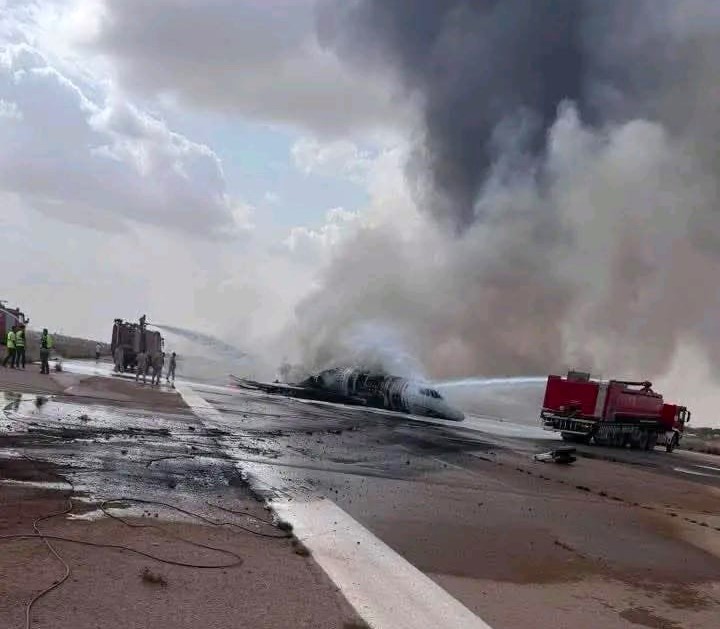
Russia’s commercial aviation fleet has been deteriorating due to lack of access to parts and new aircraft. While the country has tried to produce its own airliner such as the MC-21, its far from a commercial success yet. While maintenance issues persist, in a recent fatal accident, an Antonov An-24 crashed on July 24, killing all 48 occupants.
Russian carriers were forced to cannibalize aircraft for spare parts to maintain Boeing and Airbus airliners. Some Russian airlines, though, have also found ways to circumvent the sanctions to buy avionics and other spare parts.
'Modus operandi' in those cases have been similar , the aircraft parts would be purchased from the manufacturers by third-party companies, and later shipped to countries like China or the United Arab Emirates, those friendly to Russia, to evade sanctions, and further forwarded to air carriers in Russia. During the period , they observed that the value of the parts imported was $14.4 million, including $8.9 million in Boeing components.
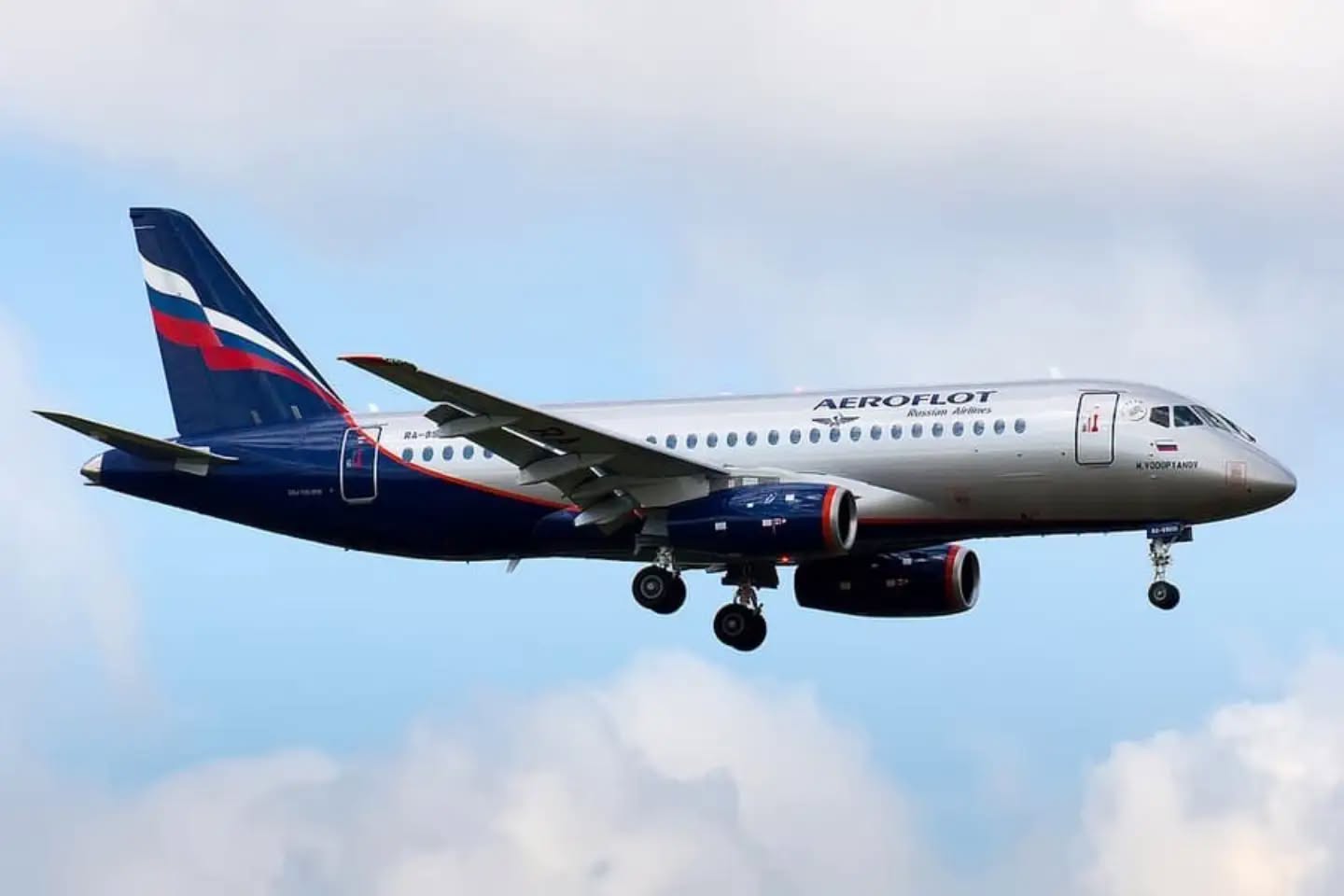
Worth noting here, Aeroflot, Russia’s flag carrier, reportedly purchased several used Boeing 737s last year solely to strip them for parts. In April this year, Russia relaxed its rules to allow wet-leasing from foreign carriers, paving the way for deals like the one under discussion with Ethiopian Airlines.
Russia reach to Ethiopia forms part of its broader push into Africa, which also draws parallels to China’s growing influence in Africa. Bilateral trade between Russia and Ethiopia grew nearly 40% year-on-year in the first 10 months of 2024, underscoring deepening economic ties.
For the Russian point of view, working on the African partnerships offers a geopolitical lifeline amid global isolation and sanctions. For Ethiopia, these partnerships could accelerate its vision of becoming a global aviation hub, how ever, these ventures could bring diplomatic strain to Ethiopia.
You may like to read......