
India is considering a significant policy change that could allow airport operators to own and operate airlines, potentially paving the way for infrastructure giants such as the Adani Group and GMR Airports to enter the country's airline market, according to a Bloomberg report.
Citing people familiar with the discussions, Bloomberg reported that the Ministry of Civil Aviation is examining whether to relax existing ownership restrictions that currently prevent operators of the country's largest airports from taking controlling stakes in airlines.
Under the current rules, operators of Delhi and Mumbai airports are prohibited from holding more than a 10% stake in an airline.
According to the report, any amendment would first require legal clearance from the Ministry of Law and Justice before being submitted to the Union Cabinet, chaired by Prime Minister Narendra Modi, for approval.
If the proposal is approved, India's two largest private airport operators would become eligible to establish or acquire airlines.
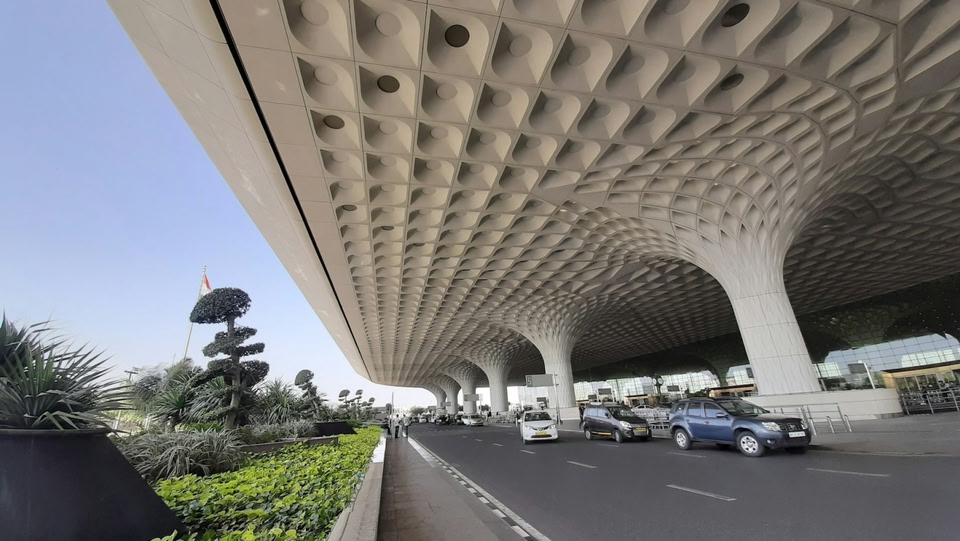
The Adani Group, which operates Mumbai International Airport along with seven other airports across India, could launch its own carrier. Likewise, GMR Airports, operator of Delhi International Airport and four additional airports, would also become eligible to enter the airline business.
The proposed reform would represent one of the most significant structural changes to India's aviation sector in recent years by permitting vertical integration between airport infrastructure and airline operations.
The policy initiative is aimed at encouraging greater competition in India's rapidly expanding domestic aviation market.
At present, IndiGo and Air India together account for nearly 90% of domestic passenger capacity, leaving relatively limited market share for smaller competitors including Akasa Air, SpiceJet, and regional carriers.
Government officials believe allowing financially strong airport operators to establish airlines could stimulate competition, expand capacity, and improve consumer choice.
Despite the potential benefits, the proposal has raised concerns within the aviation industry over possible conflicts of interest.
Critics argue that airport operators owning airlines could potentially favour their own carriers through preferential allocation of airport slots, terminal facilities, ground handling services, or other operational resources.
Any regulatory changes would therefore likely require strong safeguards to ensure fair and transparent access for all airlines operating from privately managed airports.
Even if the policy is approved, new entrants may face challenges in launching operations due to the ongoing global shortage of commercial aircraft.
Airbus and Boeing continue to experience significant delivery delays as supply chain disruptions originating during the COVID-19 pandemic continue to affect production rates.
The shortage has delayed fleet expansion plans for airlines worldwide and could slow the entry of any new Indian carriers.
Globally, examples of airport operators simultaneously owning airlines remain relatively uncommon.
In the United States, most major airports are publicly owned, while Federal Aviation Administration regulations effectively prevent airport revenues from being diverted into airline businesses.
Within the European Union, although airport-airline ownership structures are legally permitted, competition and antitrust regulations have generally limited their practical implementation.
India's proposed policy would therefore represent a relatively uncommon model among major aviation markets.
India's airline industry has undergone significant consolidation over the past decade.
The collapse of Jet Airways and Go First, together with the integration of Vistara and AirAsia India into the Tata Group's Air India, has reduced the number of major competitors in the market.
As a result, IndiGo and Air India now dominate domestic operations, while smaller airlines continue to compete for a comparatively modest share of the market.
Concerns over limited competition intensified during IndiGo's operational disruptions in December last year, when pilot shortages forced thousands of flight cancellations. With few alternative carriers available to absorb displaced passengers, Indian Railways operated special trains to accommodate stranded travellers.
The proposed ownership reform comes as India prepares for unprecedented growth in air travel.
The government aims to increase the number of operational airports to 350 by 2047 as part of its long-term aviation strategy.
Meanwhile, the International Air Transport Association (IATA) projects that India's passenger traffic will grow by an additional 425 million passengers by 2044, almost tripling compared with 2024 levels.
Against that backdrop, policymakers are examining ways to attract additional investment, increase airline competition, and expand capacity to meet future demand.
If approved, the proposed policy would mark a fundamental shift in India's aviation regulatory framework, allowing airport operators to become airline owners for the first time.
While the move could encourage fresh investment and strengthen competition in a market increasingly dominated by two carriers, regulators will also face the challenge of ensuring a level playing field and preventing conflicts of interest at privately operated airports.

.jpg)