
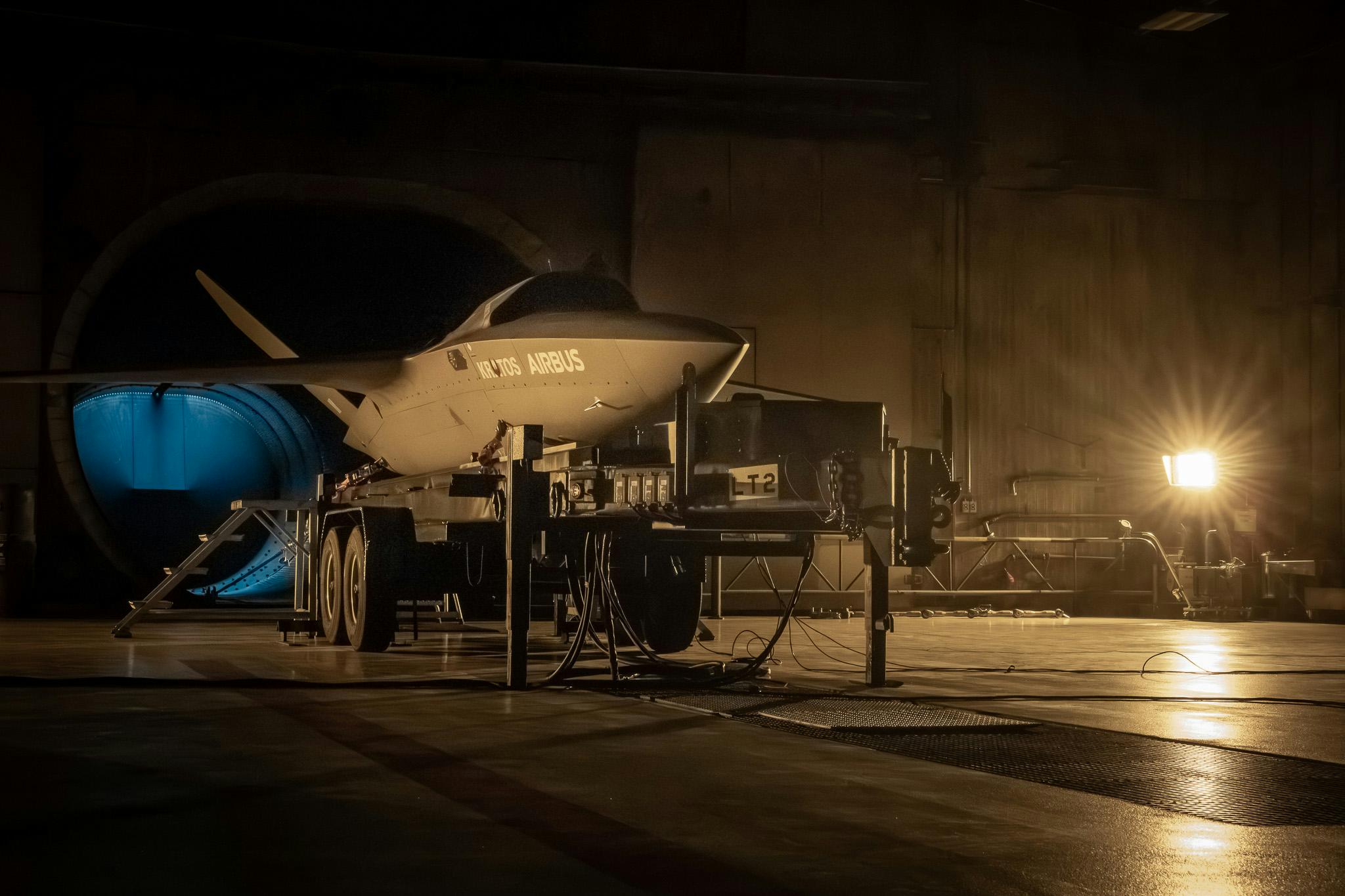
The German Air Force Luftwaffe is aiming to acquire ground attack capabilities by introducing CCA-based unmanned combat bombers, and Airbus announced on the 13th that it is
"working at full speed to provide the German Air Force with a operational unmanned coordinated combat (UCCA) system by 2029" and that "the first flight of the XQ-58A Valkyrie is scheduled for later this year."
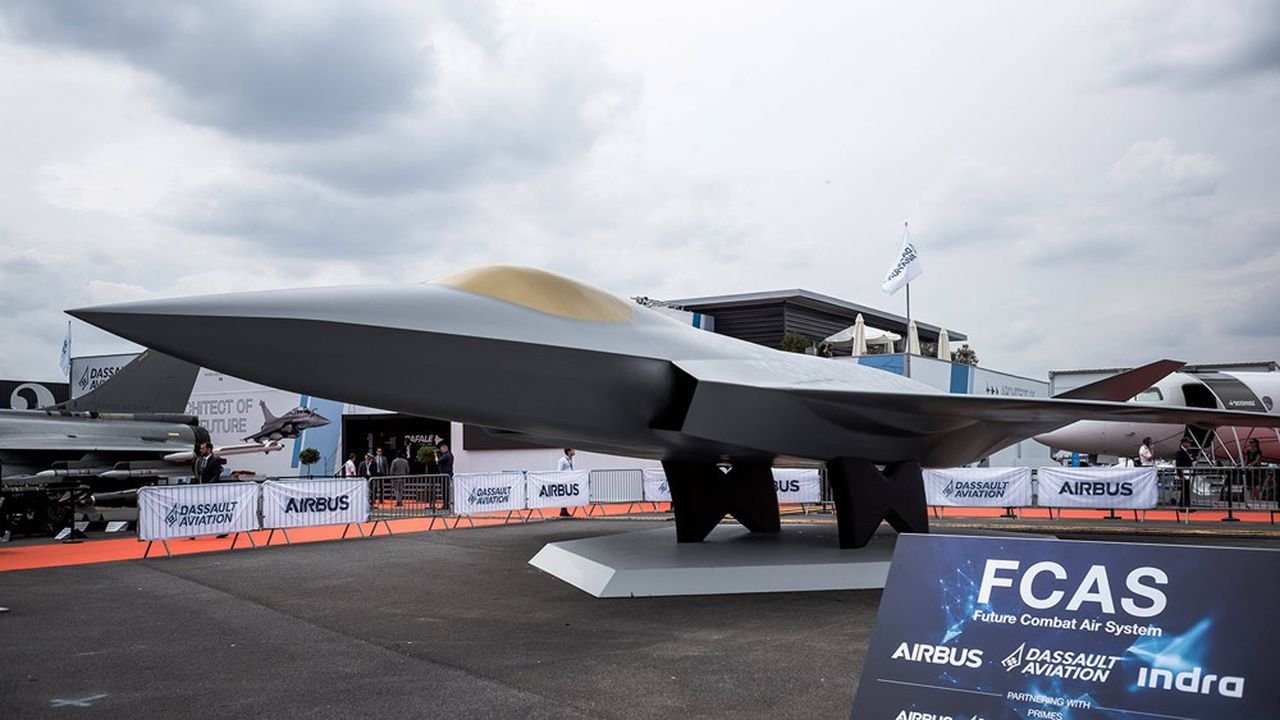
The US Air Force's NGAD, the US Navy's F/A-XX, France, Germany, and Spain's FCAS, and the UK, Italy, and Japan's GCAP are all equipped with wingmen (autonomous unmanned combat aircraft) capable of accompanying manned fighter jets.
These are expected to take over some high-risk missions in place of manned fighters, expand the recognition capabilities and payload capacity of manned fighters, and compensate for the declining volume of air power due to soaring costs.
However, the ability to cooperate with wingmen is not a requirement unique to next-generation fighters; its practical application has been significantly accelerated for existing fifth-generation and fourth-generation aircraft.
The US Air Force's Collaborative Combat Aircraft (CCA), a cooperative fighter capable of accompanying manned fighter jets, is expected to begin mass production in 2027, followed by the German Air Force's unmanned combat bomber.
Andril and Rheinmetall announced last June that they would "jointly develop a European version of the YFQ-44A," and Kratos and Airbus also announced last July that they would "partner in the development of the XQ-58A incorporating an Airbus mission system" and that "it is expected to be ready for the German Air Force by 2029."
General Atomics also revealed that it would "produce the YFQ-42A equipped with a European mission system in Germany," and Helsing also unveiled the CA-1 Europa, an unmanned fighter jet designed for both cooperative and independent operation with manned aircraft, last September.
Rheinmetall CEO Papperger stated,
"We are also in discussions with Boeing regarding cooperation on MQ-28-based unmanned combat aircraft," "The German Air Force is requesting approximately 400 wingmen," "This is a truly enormous business opportunity," and "We don't yet know who will win the supply contract."
However, in February, German defense media outlet Hartpunkt reported,
"The German military plans to introduce unmanned combat bombers capable of performing dangerous missions deep in enemy territory within a few years," "The CCA, on which these unmanned combat bombers will be based, has primarily focused on air-to-air missions," and "The German Air Force aims to acquire ground attack capabilities by introducing unmanned combat bombers."
Unlike combat aircraft (CCAs) that fly in formation with manned fighter jets, unmanned combat bombers (UFAs) must be designed to autonomously complete their missions and return as unscathed as possible, even if communication with command aircraft or ground stations is lost.
The challenges in this program lie not only in the technical requirements but also in the timeline. The German Air Force plans to achieve initial operational capability (IOC) of its UFAs by 2029. Because development from scratch takes time, the German military conducted market research targeting CCAs from other countries.
According to internal information from a few weeks ago, given the limited time available, the prevailing strategy was to "directly procure a specific CCA and then further develop it to meet the needs of the German military," and the MQ-28A, jointly developed by Boeing and Australia, was considered the most likely candidate.
The success of a series of advanced tests, its high level of technical maturity, the ability to implement its own mission system, and the fact that Australia's vast uninhabited areas are advantageous for training the German Air Force were all factors that supported the "procurement of the MQ-28A."
However, according to the latest information from reliable sources, there has been a sudden change in the procurement program. In effect, the plan for direct ordering appears to have been scrapped.
An insider revealed that "an additional review process will be introduced," and three unmanned combat bomber (UCR) candidates will be re-examined.
In addition to the MQ-28A, Kratos' XQ-58A and an unconfirmed third candidate are being considered. Airbus had proposed the XQ-58A, which incorporates an Airbus mission system in collaboration with Kratos, and announced that "deployment will be possible by 2029." Two XQ-58As have already arrived in Manching.
"The details of the proposal evaluation process and the associated timeline remain unclear. Furthermore, it's unknown whether the unmanned combat bomber (UAV) selection will be narrowed down to a single model."
" Analysts predict that 'even if it's narrowed down to one model, a variety of CCAs with heavier weights and different capabilities will be needed in the long term,' and if this is true, other UAV manufacturers will still have opportunities to supply the German military."
It remains unclear whether the "approximately 400 wingmen" mentioned by CEO Papperger referred to CCAs flying in formation with manned fighter jets, or to the unmanned combat bombers mentioned by hartpunkt, or whether the 400 aircraft represent a combination of CCAs and unmanned combat bombers.
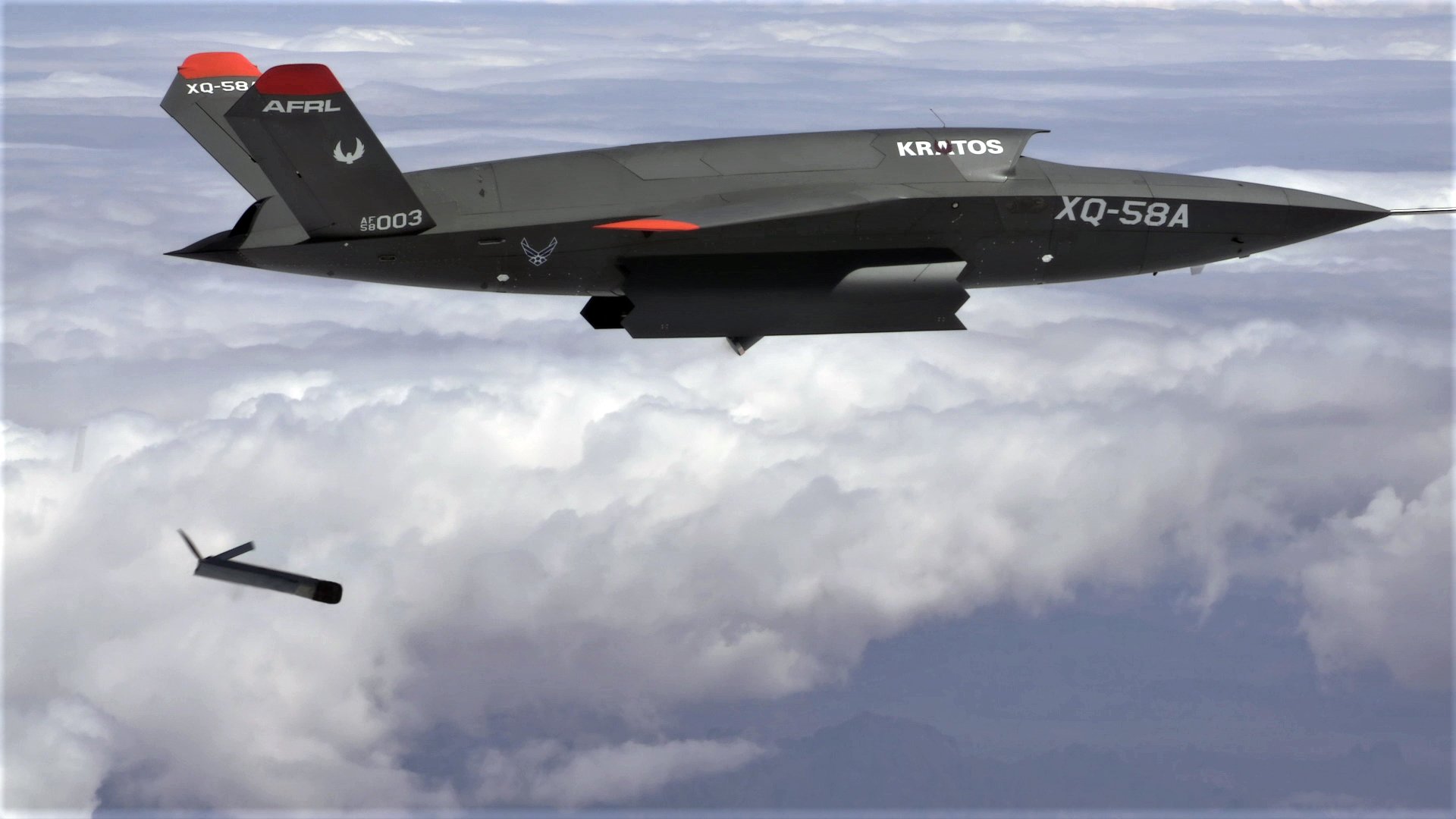
However, Airbus's defense division announced on the 13th that they are
"working at full speed to provide the German Air Force with a operational unmanned coordinated combat (UCCA) system by 2029," "we are preparing for the first flight of two XQ-58A Valkyries acquired from partner Kratos equipped with a sovereign European-made mission system," and "we plan to make the first flight of the Valkyries this year."
"Airbus currently equips its UCCA with its in-house developed European mission system, Multiplatform Autonomous Reconfigurable and Secure (MARS). MARS incorporates AI-powered software called MindShare, which not only acts as a substitute for an unmanned pilot but also has the ability to coordinate and manage the entire mission by being distributed across multiple manned and unmanned platforms."
"By combining the Valkyrie with the MARS mission system, we can provide what Germany and Europe urgently need in the current geopolitical situation. It is a proven, flyable unmanned combat aircraft equipped with a European-specific mission system that does not require the time and cost of developing from scratch. Our goal is to provide reliable combat capability when needed, while ensuring a critical aspect of sovereignty, and we are confident that this can be achieved at a very affordable price."
Kratos also stated,
"By integrating Airbus's MARS mission system into the Valkyrie, which has a proven flight record and is currently in production, the Airbus-mission-enabled Valkyrie UCCA will become an affordable, multi-mission system that can be operated solo, in drone teams, and in manned/drone teaming operations. The strong technological and production support from Airbus and Kratos is creating a system with the optimal capabilities to be purchased and deployed as an 'affordable mass,' which has been identified as a consistent differentiating factor in wargames between equal nations."
Furthermore, Airbus revealed that "in collaboration with Rafael, improvements are being made to the Litening5 (targeting pod) contracted for the Eurofighter to add communication connectivity so that the Eurofighter can function as a 'command aircraft' with inter-platform communication capabilities," and that "these enhancements, along with minor updates to the Eurofighter's avionics, will significantly improve the aircraft's lethality in combat," confirming that everything that German defense media outlet Hartpunkt had reported in fragments was true.
Unlike the CCA, which performs air-to-air missions while accompanying manned aircraft, the German Air Force's unmanned combat bombers are "unmanned combat aircraft focused on air-to-ground missions, capable of independent operation, coordinated operation with multiple unmanned aircraft, and coordinated operation with manned and unmanned aircraft.
The Raphael Litening 5 can also be used as a communications relay aircraft, and its computing power has more than enough capacity to control unmanned combat aircraft. Therefore, if the same tablet system that the F-22 uses to control the CCA is adopted for the control interface of the unmanned combat aircraft, it will be possible to control unmanned combat aircraft without making major modifications to the Typhoon.
However, since this method involves selecting from pre-prepared mission sets, it is merely a "bridging solution until full control is achieved." Nevertheless, both the US Air Force and the German Air Force believe that "it is important to acquire unmanned combat aircraft as quickly as possible to gain experience and know-how," so it may be a reasonable first step in coordinating manned and unmanned combat aircraft.
The CCA can reportedly fulfill various roles, including kinetic and non-kinetic missions. For the German customer, Airbus and Kratos are initially focusing on a specific role to ensure the timely and precise delivery of air warfare capabilities.
U.S. Marine Corps Selects Northrop Grumman to Operationalize Kratos XQ-58 Valkyrie Loyal Wingman Combat Drone.

.jpg)