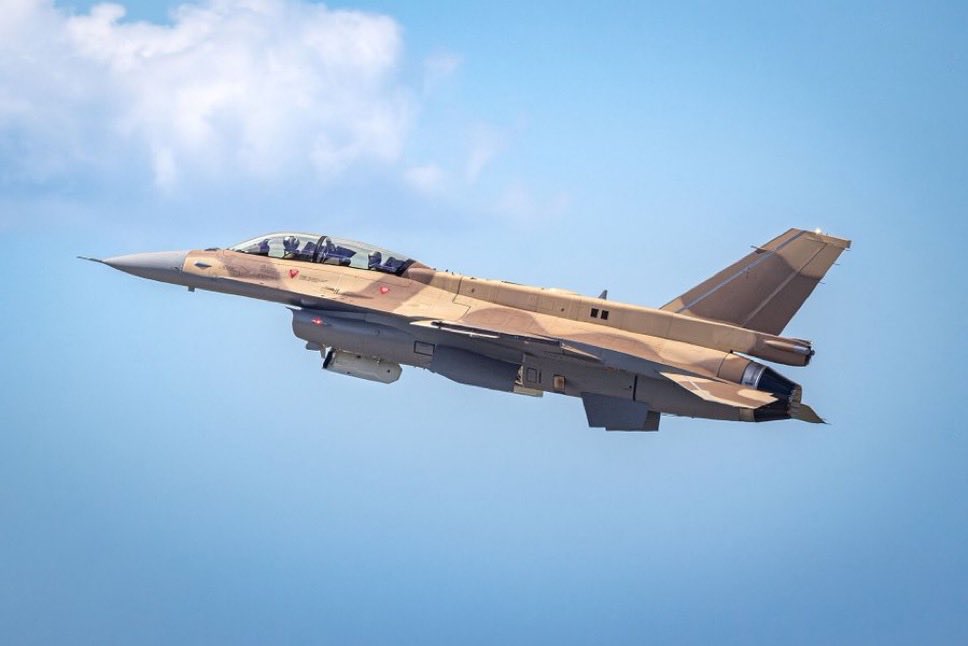

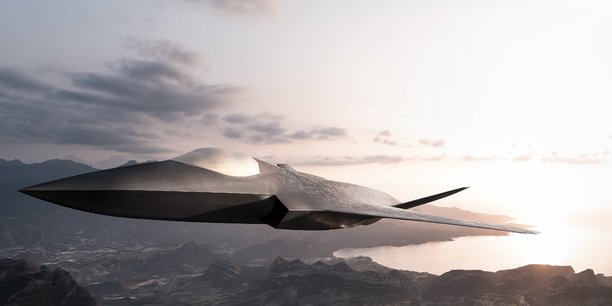
European aircraft manufacturer Airbus is reportedly considering taking a new strategic step by developing its own fighter jet, marking a major evolution in the defense industry and military aeronautics sector in Europe.
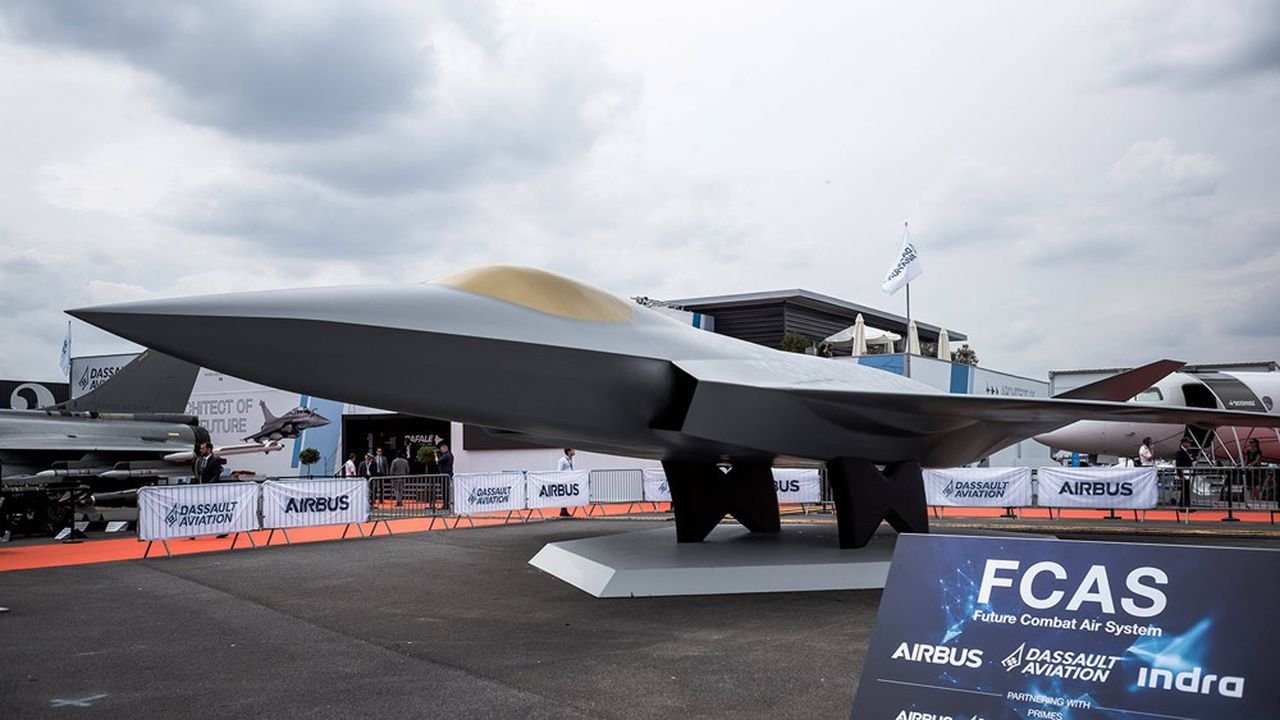
While the development of the future European fighter jet seemed to embody the continent's industrial ambition, the reality is proving more complicated. Six years after its launch by Emmanuel Macron and former Chancellor Angela Merkel , the Future Combat Air System – or SCAF – is stalled.
Initially conceived as a flagship program uniting France, Germany, and later Spain, it aimed to form the backbone of air forces by the 2040s. But today, the partnership is faltering, largely due to persistent disagreements among the manufacturers involved.
Indeed, on the engine side, the partnership between the French engine manufacturer Safran and the German MTU " is working well ", the CEO of Safran nevertheless pointed out recently.
Doubts have resurfaced after German Chancellor Friedrich Merz stated in an interview broadcast Wednesday that his country did not need the same aircraft as France.
His remarks come as the list of Franco-German disagreements grows, with Berlin accusing France of "insufficient" defense spending and of attempting to block a trade agreement with South American countries.
-The German Chancellor, Friedrich Merz, indicated in an interview that his country did not need the same aircraft as France.
-Germany had promised to decide on the future of its participation in the project before the end of 2025, but has kept postponing it ever since.
"The French need, in the next generation of fighter jets, an aircraft capable of carrying nuclear weapons and operating from an aircraft carrier. That is not what we currently need in the German army ," the chancellor said in the German podcast Machtwechsel.
For his part, Emmanuel Macron said he remained "committed to the success of the project" and considered it "incomprehensible" that the differences were not "overcome".
The program is also undermined by tensions between manufacturers because the French company Dassault, designated as prime contractor, is demanding more autonomy for its production.
At the heart of these tensions lies Dassault Aviation's firm stance. Designated as the prime contractor by the three states, the French aircraft manufacturer is demanding greater autonomy in managing the project.
This choice deeply irritates its German and Spanish partners – represented by Airbus. According to a German industry source, this situation seriously jeopardizes the collaborative dynamic.
Moreover, faced with these obstacles, Airbus is no longer ruling out designing its own fighter jet independently. The idea is even circulating of a partnership with the Swedish company SAAB, a potential partner with a privileged relationship with the German manufacturer.
Airbus CEO Guillaume Faury denied relations with Rafale-maker Dassault had broken down completely but appeared to turn the page on FCAS in its current form.
"I sincerely hope we find solutions that are not maybe the same as we would have imagined a year ago, but that would allow a European programme for this complex system, which is so important for the defence of Europe," he said.
Airbus could build a fighter alone if needed, he said, though most analysts have said that would be a challenge.
Faced with these dead ends, the idea of a separate solution has resurfaced: two distinct aircraft to meet national specificities.
From a military standpoint, this scenario would make sense: while the French Air Force requires an aircraft capable of carrier operations or able to carry nuclear weapons, the Luftwaffe prioritizes a platform dedicated to air defense.
A two-aircraft solution could be advantageous from a military standpoint, as the requirements of the French Air Force differ from those of the Luftwaffe. French aircraft must be able to land on an aircraft carrier or transport nuclear weapons. The Luftwaffe, on the other hand, primarily needs an air defense aircraft.
A merger with the competing GCAP program, backed by Italy, the United Kingdom, and Japan, seems unlikely for Airbus. As a source close to the matter confided: " Arriving late is never good. " In this tense and fragmented context, nothing currently allows us to say what form the future of European skies will actually take.

.jpg)