
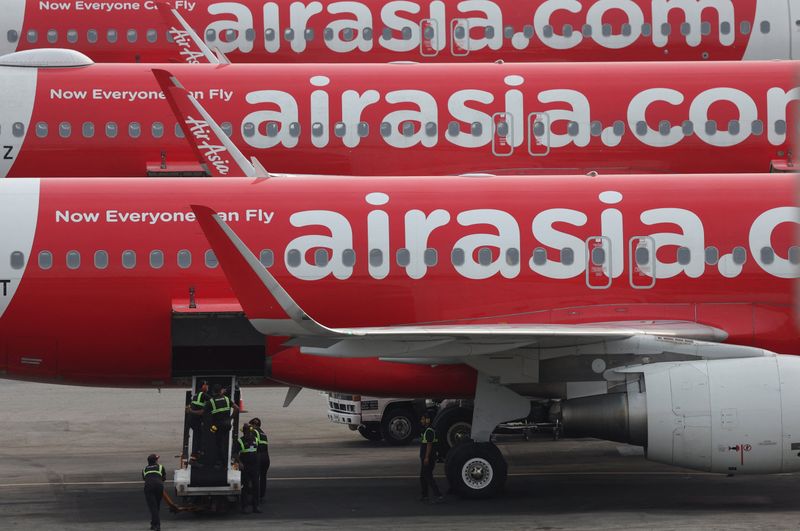
Malaysian low-cost airline AirAsia has reduced its flight capacity by approximately 10 percent due to rising fuel prices following the Iran-Iraq conflict. The company has also increased fuel surcharges by 20 percent to offset the increased costs.
Multiple international carriers have hiked fuel surcharges since US-Israeli strikes on Iran triggered the conflict in late February, prompting Tehran to respond by effectively closing the Strait of Hormuz, a crucial artery for global oil supplies.
According to a report in Nikkei, company executives stated that operations were being restructured due to rising costs following the Iran-Iraq conflict. Tony Fernandes, CEO of Capital A, AirAsia's main shareholder, and one of the company's founders, said, "We need to reduce some capacity."
AirAsia X CEO Bo Lingam also announced a 10 percent reduction in flight capacity across the group. While the specific routes affected were not disclosed, aviation data site Aeroroutes indicates that flight frequencies between Kuala Lumpur and South Asian cities will be reduced until June.
The 10% flight capacity cut is mainly due to the end of the Raya festive season and plans to drop unprofitable routes. It is also optimising costs through fleet and other expense cuts. Lingam said no staff have been laid off and there is no unpaid leave granted so far.
Fernandes emphasized that demand remains strong, noting that the current situation differs from the pandemic period. However, he pointed out that jet fuel prices have risen sharply, with the average price reaching $200 per barrel, and in some regions even $300. "Therefore, we have to increase ticket prices," he said.
AirAsia X Commercial Director Amanda Woo stated that fuel surcharges were increased by 20 percent in March, immediately following the start of the US-Israeli attacks on Iran on February 28. Woo said that price increases were unavoidable, but efforts were made to pass them on to passengers as evenly as possible.
The company also announced that Malaysia's state energy company Petronas has sufficient jet fuel reserves until June and is working on securing supplies for the period after that.
.jpg)
AirAsia X Vice Chairman Ahmad Al Farouk stated that the current situation is manageable in the short term, but the duration of the crisis will be decisive. Farouk emphasized that during this period, the profitability of the routes will be carefully evaluated and the flight network will be optimized.
AirAsia X turned a very difficult chapter into a profitable year in 2025. Hit hard by the Covid-19 pandemic, AirAsia gradually recovered, last year posting a 1.96 billion ringgit ($486 million) profit.

.jpg)