
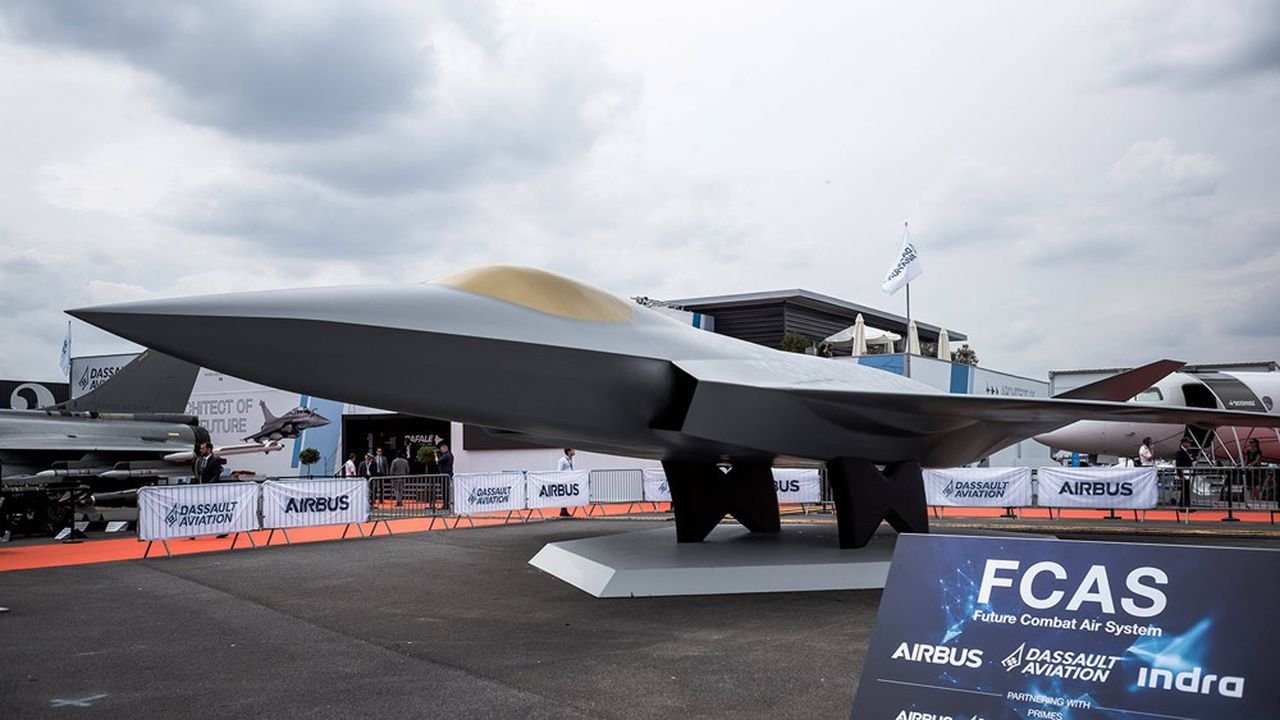
The UK, Japan and Italy are pushing ahead with their sixth-generation Global Combat Air Program (GCAP) stealth fighter ambitions in a race to outpace the emerging global developments for airpower superiority.
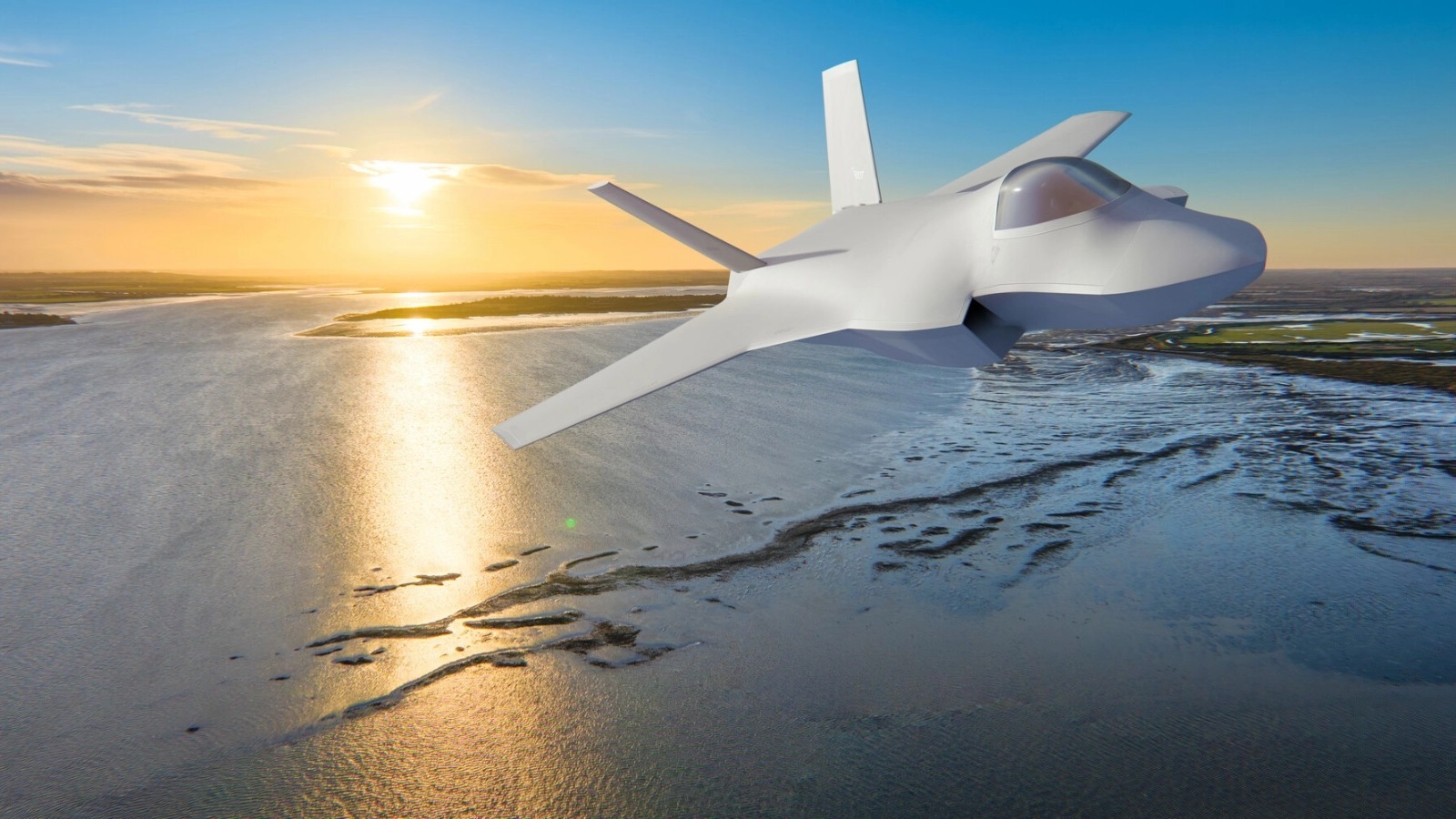
Today, BAE Systems along with the Industry partners, Rolls-Royce and MBDA UK, together with the Ministry of Defence, have revealed the design of the UK’s flagship Combat Air Flying Demonstrator, as the aircraft reaches a major milestone, with two thirds of its structural weight now in manufacturing.
Japan’s Mitsubishi Heavy Industries, Italy’s Leonardo, and Britain’s BAE Systems will lead the project as system integrators. Given the complexity of building advanced fighter jets, the program will involve an intricate global supply chain.
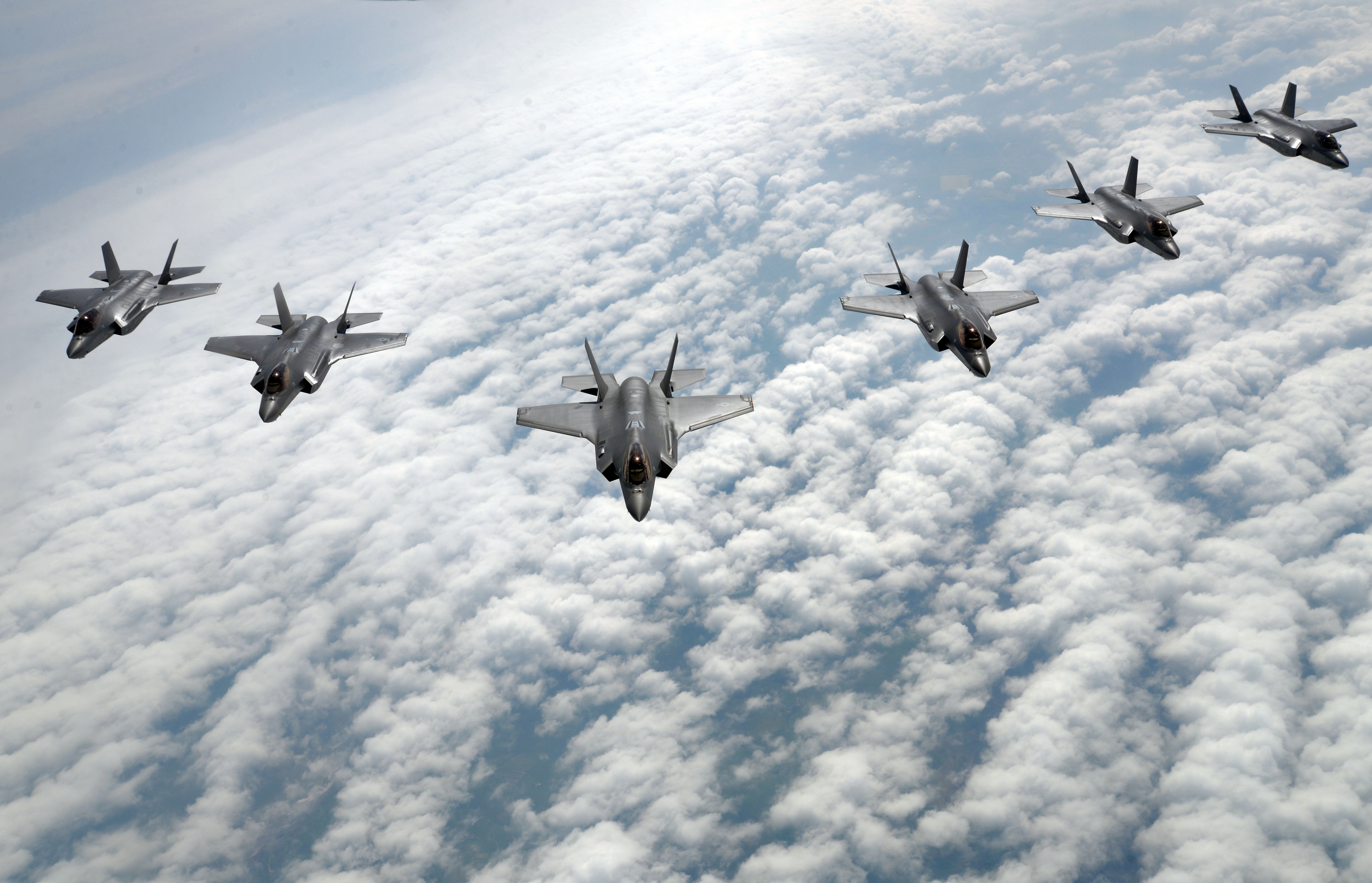
Formalized in 2023, GCAP is set to deliver a fighter by 2035 that surpasses fifth-generation aircraft like the F-35 in stealth, sensor integration and battlefield coordination, effectively serving as an airborne command hub for drones and networked assets.
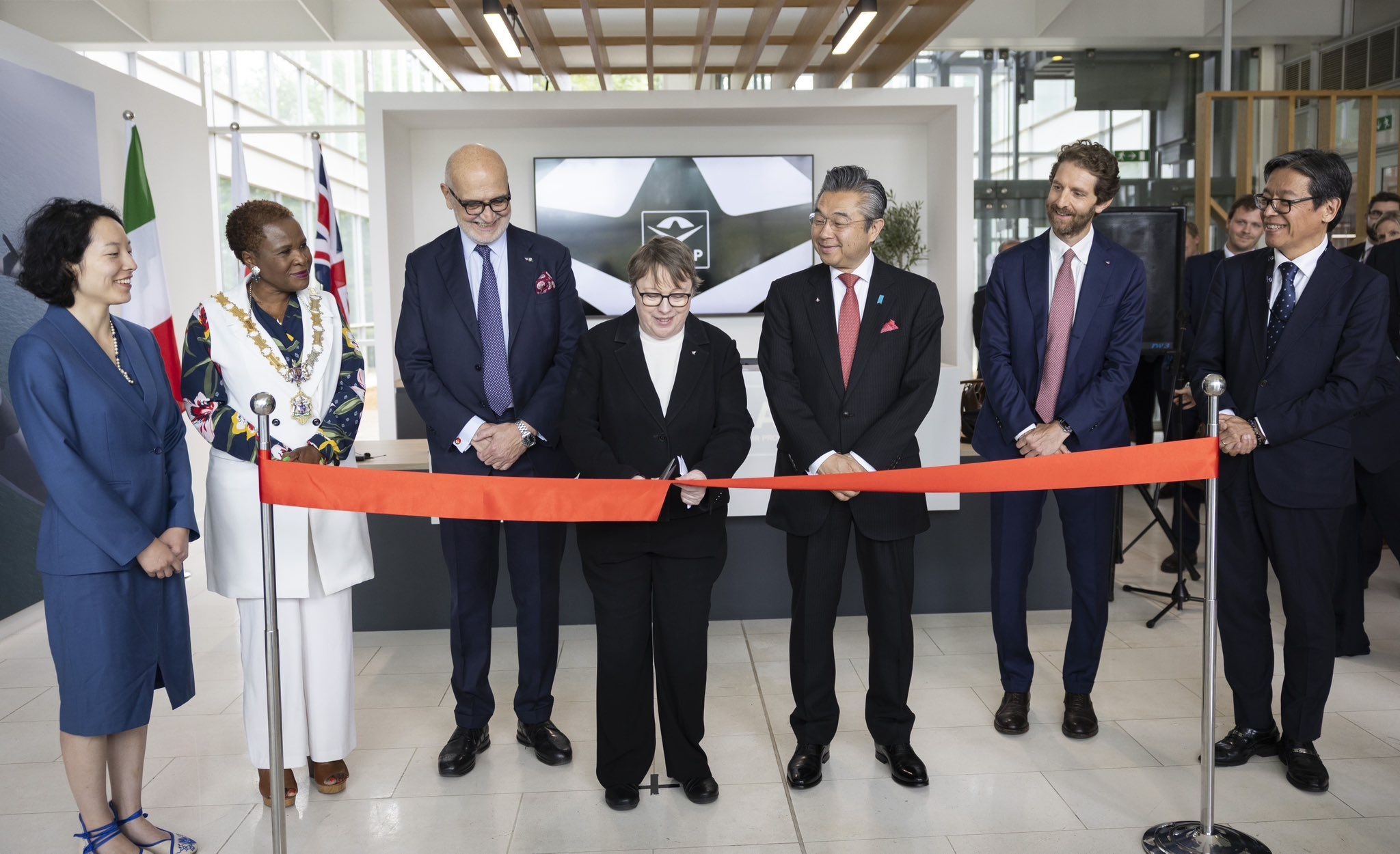
A flagship headquarters for the UK-Italian-Japanese Global Combat Air Programme (GCAP) was opened in Reading, Berkshire, on 7 July 2025 by UK Minister for Defence Procurement and Industry Maria Eagle.
The piloted supersonic aircraft – the first of its kind to be developed in the UK in 40 years - is set to fly within three years. The aircraft’s main structure, wings and tail fins are all taking shape using pioneering robotic and digital manufacturing and assembly technologies at BAE Systems’ sites in Lancashire, signifying the advanced stages of its development.
Designed to test a wide range of new technologies, including the integration of stealth compatible features, the Combat Air Flying Demonstrator is a crucial part of the work to develop manufacturing processes and de-risk the next generation combat aircraft that will be delivered through the Global Combat Air Programme with the UK, Italy and Japan.
The fighter jet currently under development is expected to go far beyond the capabilities of fifth-generation fighters like the US’ F-35. It would feature Artificial Intelligence (AI)-assisted decision-making, advanced stealth, drone swarming capabilities, and next-generation sensors. The goal is to create a future-ready air combat system that can dominate contested skies for decades.
Tony Godbold, Future Combat Air Systems Delivery Director, BAE Systems, said:
"This significant and challenging project will deliver the UK’s first crewed combat demonstrator aircraft in four decades. The programme is accelerating the development of advanced design approaches and manufacturing techniques, helping to sharpen the UK’s industrial edge and deliver benefits beyond the production of the aircraft."
"As well as developing a unique aircraft, we’re building the technical foundations, workforce readiness and digital maturity essential to deliver the next generation of combat air capability."
Richard Berthon, Director Future Combat Air, UK Ministry of Defence, said:
"I am delighted that today, BAE Systems and the Ministry of Defence, can share this important update on the Combat Air Flying Demonstrator. For the first time, people can see how this cutting-edge demonstrator aircraft will look when it takes to the skies. Manufacturing of the aircraft continues at pace, which is testament to the ingenuity and collaboration of Government and industry teams."
"The Combat Air Flying Demonstrator is providing invaluable lessons on future combat air delivery and equipping our people with the skills they will need to deliver GCAP."
By applying advanced new solutions and digital manufacturing technologies, such as 3D printing, cobotics, digital twins, model-based systems engineering and virtual simulation, BAE Systems engineers are at the forefront of the revolution in aircraft design and manufacture.
Test pilots from BAE Systems, Rolls-Royce and the Royal Air Force (RAF) have now flown more than 300 hours of the Combat Air Flying Demonstrator in a bespoke simulator. Using simulated flight trials, pilots and engineers can rapidly assess the flight control systems during more complex flight manoeuvres, capturing crucial data about how the jet will handle and perform, years before its first flight.
Collectively, this important work aims to dramatically reduce the time and costs involved in producing military jets, while maintaining the sovereign design, engineering and manufacturing capabilities needed to keep the UK at the forefront of global aerospace innovation.
Japan has reportedly approached India to participate in the next-generation Global Combat Air Program (GCAP) , which aims to reduce the substantial costs of the project by expanding the number of partner nations.
Leaders from Japan, the UK, and Italy met on November 19, 2024, to explore expanding the GCAP program to include more international partners.
The discussions follow the ratification of the GCAP treaty, which binds Italy, Japan, and Britain to the program and formalizes the creation of the GCAP International Government Organization (GIGO).
This entity will oversee the development of the next-generation fighter jet, setting capability requirements and managing the program’s industrial framework.
Sweden, once a participant in the British-led initiative, formally withdrew by November 2023.
The Swedish government confirmed its decision: “Sweden confirms that involvement in Tempest is now officially dead. We walked away from tri-lateral studies with the UK and Italy about a year ago and launched a national study. I will not answer questions about why it didn’t work with the UK and FCAS.”
Meanwhile, Saudi Arabia has emerged as a potential candidate for the program, with its interest gaining traction throughout 2023. In a notable instance in March 2023, Saudi Arabia had announced its participation in GCAP, a claim that the UK later retracted.
The UK Ministry of Defence (MoD) noted in a press release that the GCAP programme is already creating thousands of highly skilled jobs across the UK, Japan, and Italy, including new apprentice and graduate roles, and supporting the strong relationship between industry and the armed forces of the three nations.
There are currently more than 3,500 people, including engineers and programmers, working on GCAP in the UK. A further 1,000 have undertaken GCAP-related apprenticeships or training schemes, supporting the UK government’s Plan for Change by driving defence as an engine for economic growth.
However, GCAP still faces significant hurdles. A January 2025 UK House of Commons report warns that the program must avoid pitfalls that plagued past efforts, particularly the Eurofighter Typhoon, and that expanding international participation must not jeopardize the ambitious 2035 timeline.
Meanwhile, Boeing’s F-47 sixth-generation stealth fighter has been pitched to Japan by U.S. President Donald Trump, according to reports. The idea of an export-configured F-47 was brought up by Trump when he announced Boeing’s win in the U.S. Air Force’s Next Generation Air Dominance (NGAD) manned combat jet initiative in March. Meanwhile, Japan is reportedly also considering increasing its purchase of F-35 fifth-generation stealth fighters, prompted by concerns over the timeline for the Global Combat Air Program (GCAP).
You may like to read.....

.jpg)