
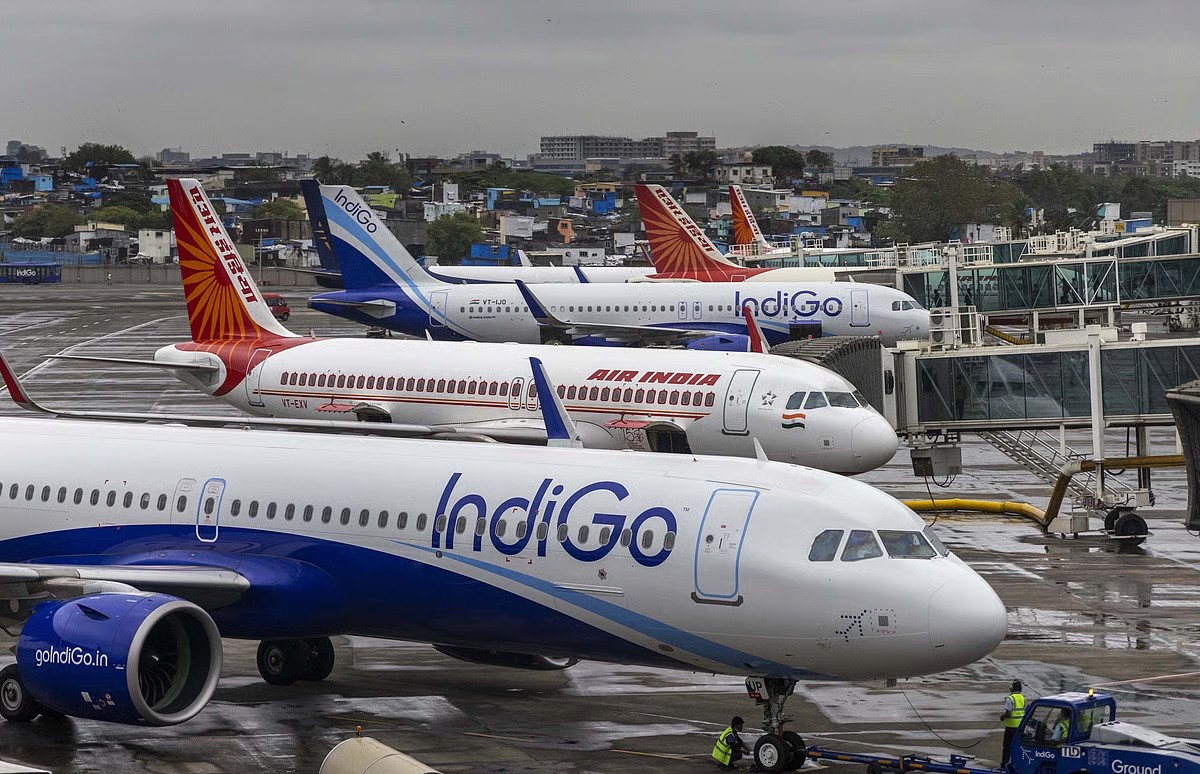
The Indian Ministry of Civil Aviation has withdrawn temporary caps on domestic airfares, effective from Monday, three months after imposing emergency price controls during the country's worst aviation disruption in recent times.
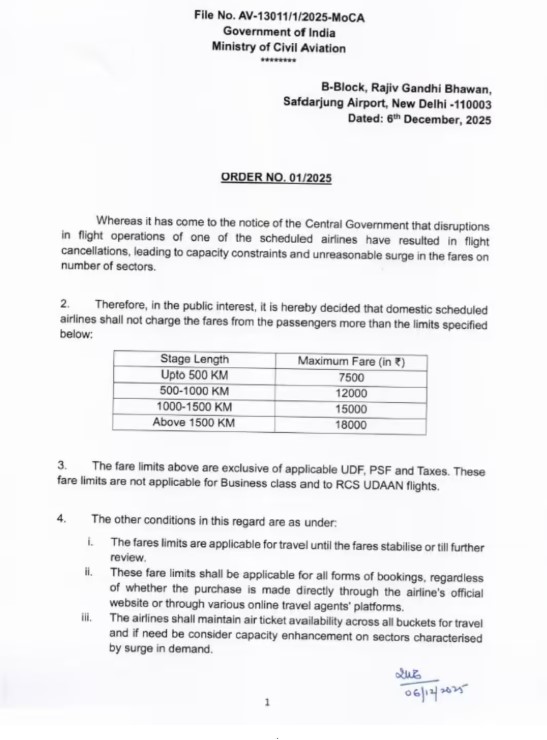
The temporary caps on domestic airfares were imposed on 6 December 2025 to contain an abnormal surge in ticket prices arising out of large-scale flight disruptions of IndiGo, India's largest carrier with over 60 per cent market share.
The decision marks the end of a price-control measure that the government initiated and the move comes after the government reviewed the restoration of airline capacity and the normalization of operations following disruptions linked to the IndiGo crisis.
The low cost carrier IndiGo had canceled thousands of flights due to a pilot rostering crisis owing to implementation of revised Flight Duty Time Limitations rules, that led to a sharp spike in ticket prices on key routes and prompting government intervention.
The revised Flight Duty Time Limitations (FDTL) rules, implemented in India through late 2025 by the DGCA, mandate increased pilot rest to mitigate fatigue. Key changes include 48 hours of weekly rest, a 10-hour daily minimum rest, and strict night duty restrictions (10-hour cap, max 2 night landings). These rules aim to enhance safety but require increased airline staffing.
Sources say, this move is aimed at offsetting the losses suffered by airlines due to the circuitous routes taken by international flights amid the ongoing conflict between the US, Israel, and Iran. Airlines had recently announced fare increases to offset the rising cost of Aviation Turbine Fuel caused by the crisis.
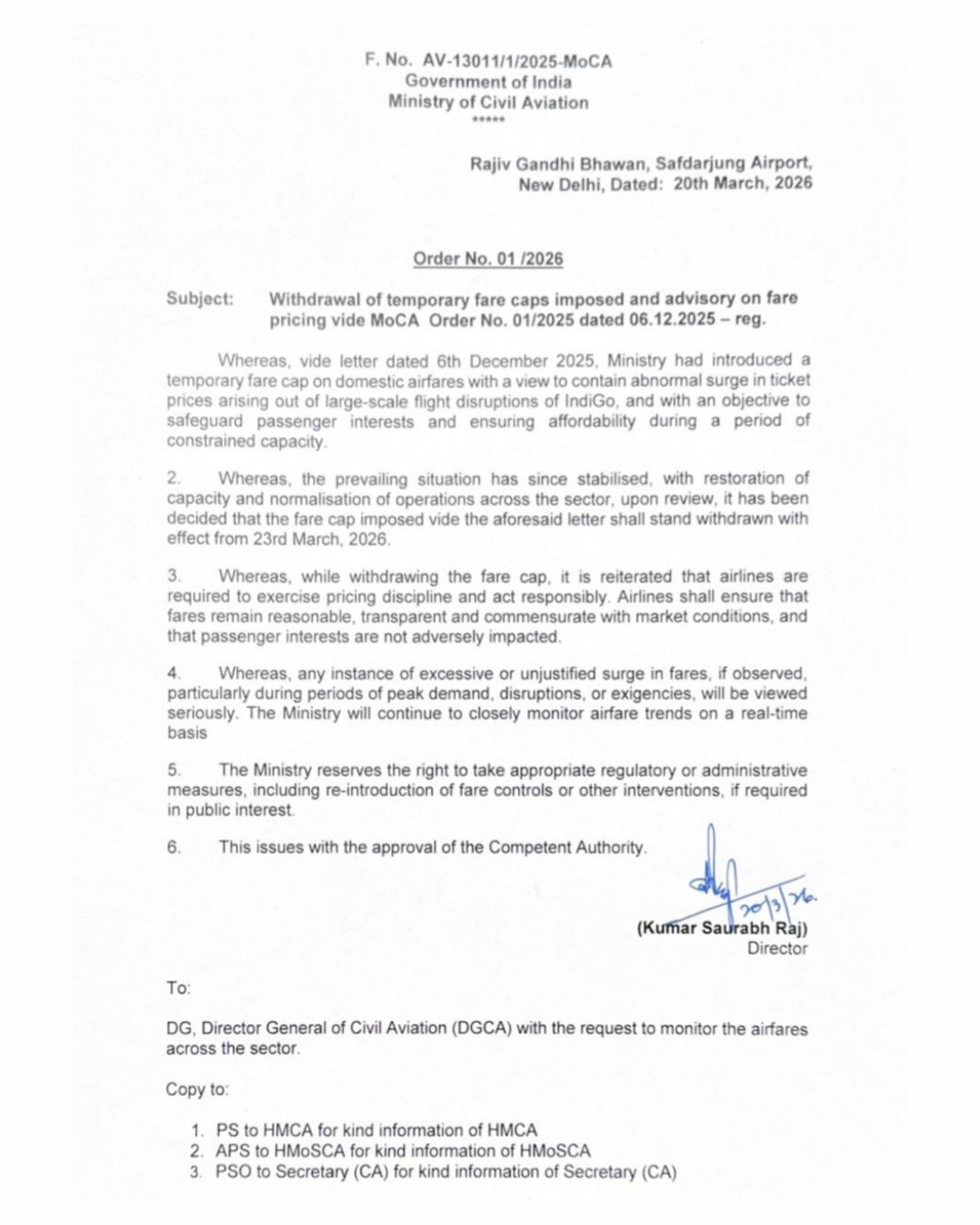
The order issued on March 20 stated,
“The prevailing situation has since stabilised, with restoration of capacity and normalisation of operations across the sector.” It also instructed airlines not to impose “excessive or unjustified surges in fares during periods of peak demand or disruptions.”
However, the order warned that fare caps or other interventions could be reintroduced in the public interest if necessary.
The latest order also comes against the backdrop of the Federation of India Airlines—representing three major carriers—calling for a rollback of a recent Ministry directive mandating that airlines cannot charge for seat selection on 60% of seats. The body had warned that this cap could lead to a surge in airfares.

.jpg)