
Boeing has quietly dismantled one of its earliest-built 777X aircraft at its Everett, Washington, manufacturing facility, highlighting the mounting technical, financial, and regulatory challenges surrounding the long-delayed widebody program.
The company confirmed on July 20, 2026, that a partially assembled Boeing 777-9 airframe was disassembled and recycled after determining it was no longer economically viable to upgrade the aircraft to meet the latest certification standards. Boeing said the financial impact of scrapping the jet had already been reflected in previous financial statements.
The move underscores the high cost of bringing the next-generation 777X into service after years of certification delays, production changes, and increasing modification requirements.
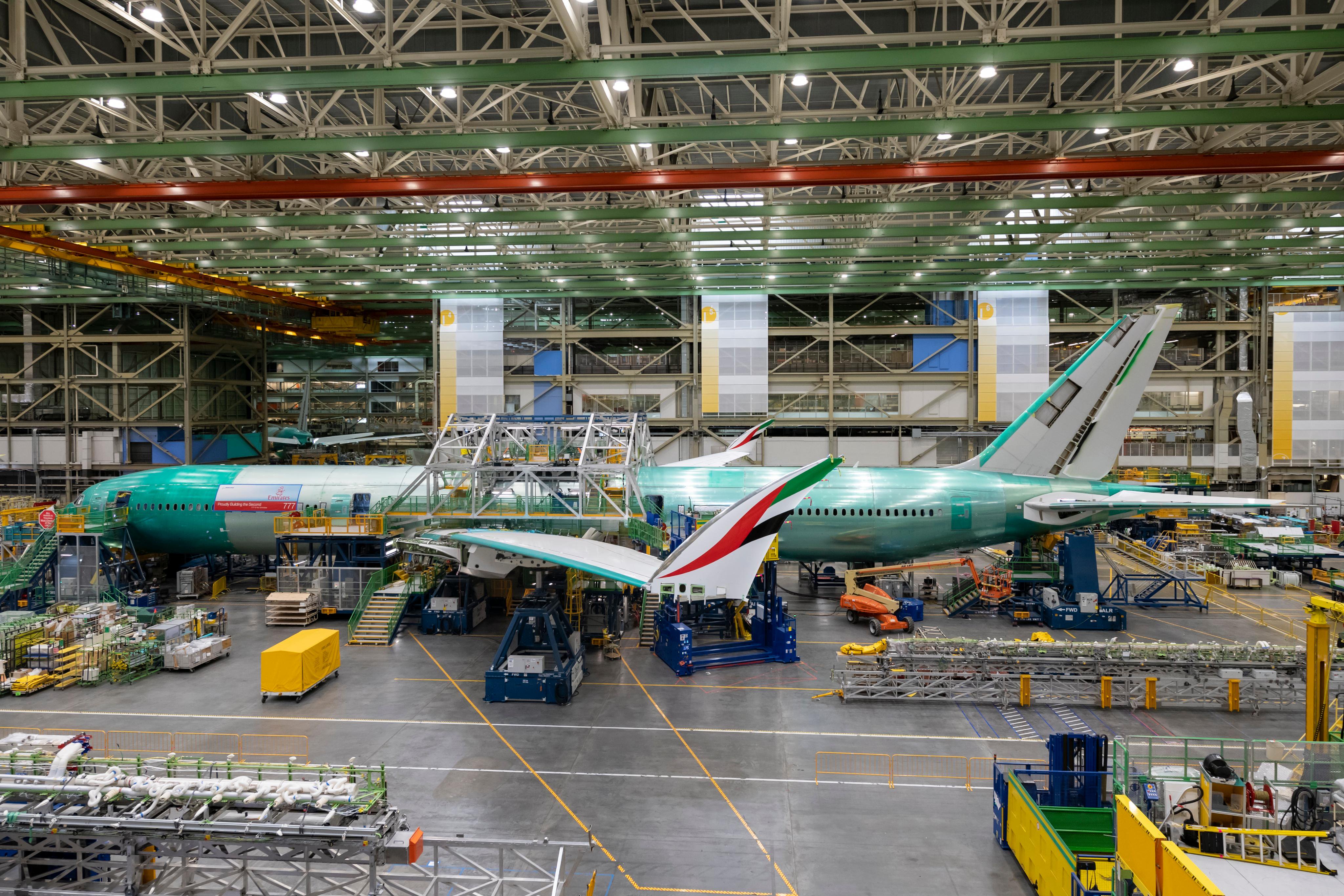
The dismantled aircraft, known internally as WH007, was among the earliest 777-9 airframes produced. Originally built for launch customer Emirates, the aircraft rolled out of Boeing's Everett factory in July 2019 wearing partially painted Emirates livery but never flew.
Instead, the jet spent nearly six years parked near Paine Field without engines while Boeing's certification schedule slipped further behind. As regulatory requirements evolved, the structural differences between the early-built aircraft and the latest production standard grew so significant that Boeing ultimately determined dismantling the airplane was more practical than completing it.
Industry analysts say upgrading WH007 would have required extensive structural modifications, making the project considerably more expensive than writing off the aircraft.
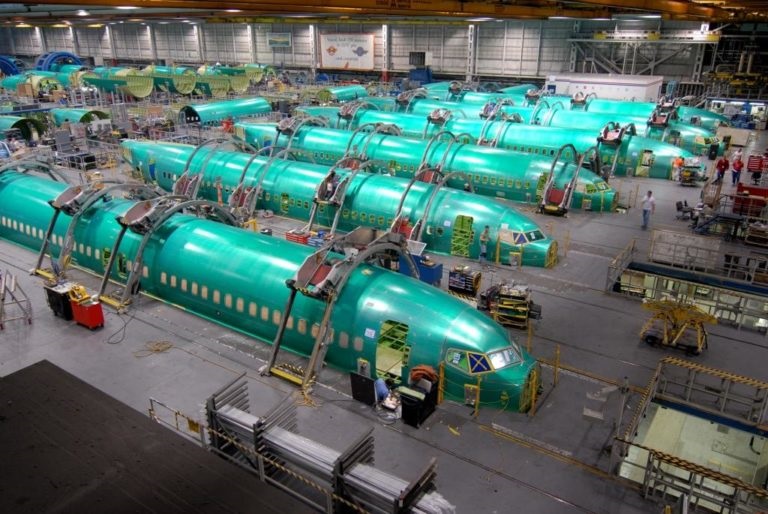
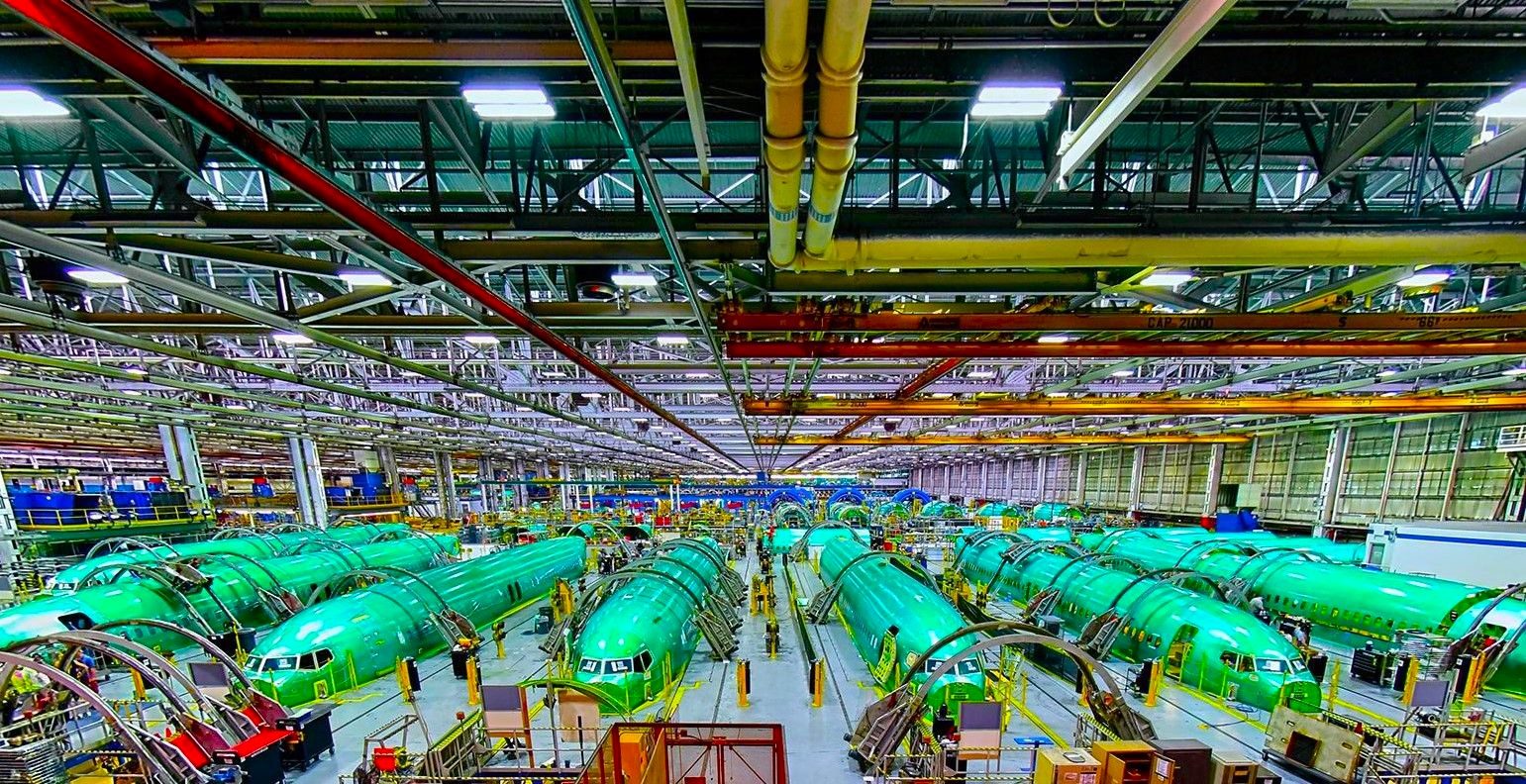
Boeing is now restructuring work at its Everett facility to address the growing backlog of early-built 777X aircraft requiring updates.
According to The Seattle Times, Boeing Commercial Airplanes CEO Stephanie Pope expressed confidence in a new "change-incorporation" program designed to bring earlier production aircraft up to the latest manufacturing and certification standards.
Rather than interrupting the main production line, Boeing plans to assign a dedicated rework team that will focus exclusively on incorporating engineering changes into already-built aircraft.
The approach effectively creates a parallel production process—one team building new aircraft while another modernizes existing ones.
The challenge extends well beyond a single airframe. Company officials estimate that roughly 30 to 40 early-built 777X aircraft will undergo substantial rework before they can be delivered to customers.The financial consequences have been significant.
Since 2020, Boeing has accumulated approximately $15 billion in accounting impairments and program-related losses tied to the 777X. The largest recent hit came in late 2025, when the company recorded a $4.9 billion pre-tax reach-forward loss, largely driven by revised certification assumptions and increased production costs.
That accounting charge also pushed the expected first delivery of the 777-9 to 2027, years later than originally planned.
The Air Current first detailed the fate of WH007, describing the aircraft as the seventh 777-9 ever produced.
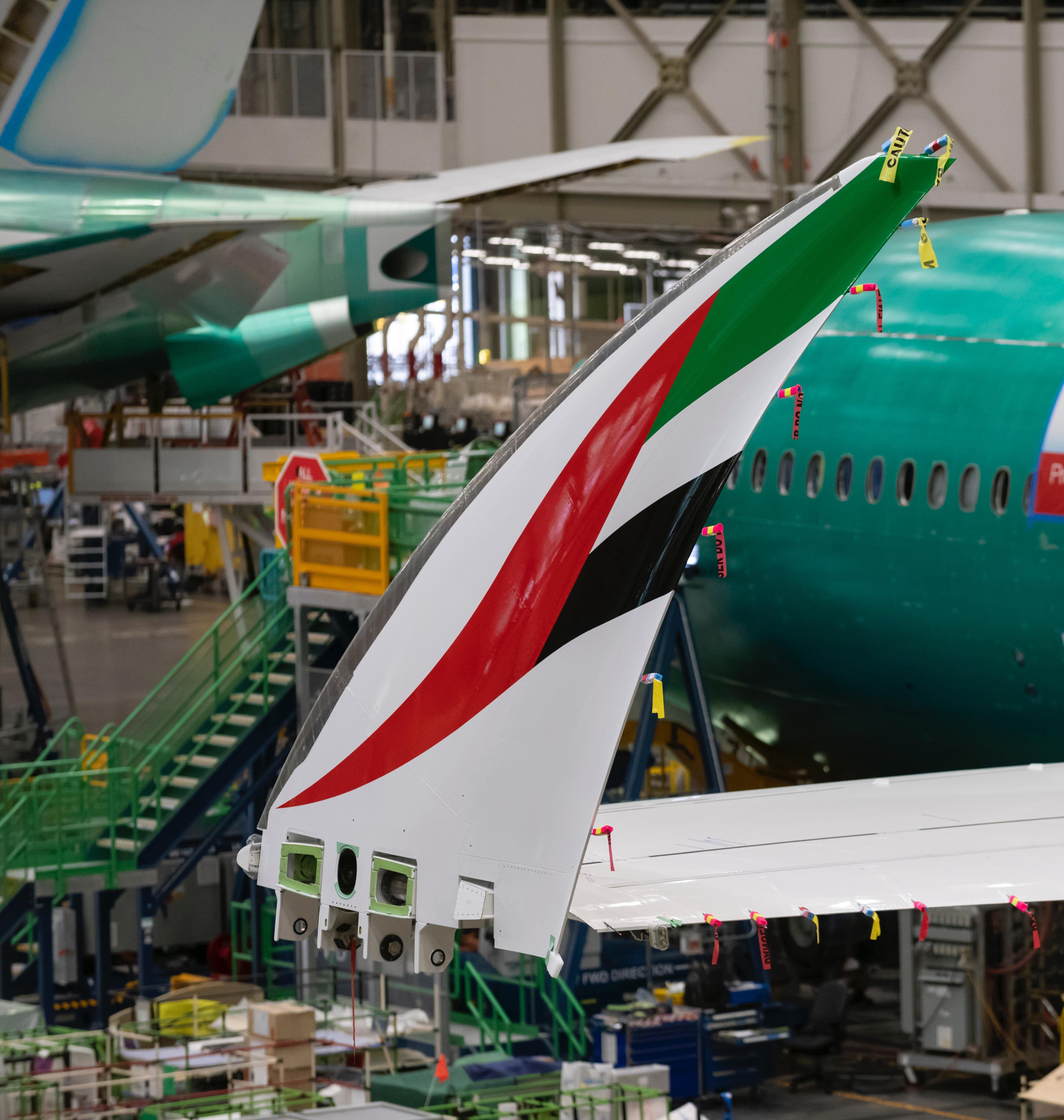
Originally intended for delivery to Emirates under registration A6-EZT, the aircraft never progressed beyond static assembly. Aviation enthusiasts had noticed parts—including its distinctive folding wingtips—being removed years before the aircraft disappeared entirely from Paine Field.
The dismantling reportedly took place during the second half of 2025, although Boeing has not disclosed the precise timeline.
The aircraft's components were gradually repurposed for other uses before the remaining structure was recycled.
Amid delivery delays, the scrapping of the allocated Airframe also reflects customer expectations.
Emirates, the launch customer for the 777X, has repeatedly indicated that it does not want early-production aircraft requiring extensive modifications. Instead, the airline has emphasized its preference for aircraft built to the final certified production standard.
With certification requirements continuing to evolve, Boeing faces the difficult task of ensuring every delivered aircraft fully complies with updated Federal Aviation Administration standards while maintaining customer confidence.
While Emirates (with a massive order book of 270 B777X aircraft) is the Largest Customer, Lufthansa with an order of 20 B777-9 aircraft, is the Launch Customer.
- Emirates: 205 aircraft (B777-9: 170 units, B777-8: 35 units)
- Qatar Airways: B777-9, 90 units.
- Cathay Pacific: B777-9, 35 units.
- Singapore Airlines: B777-9, 31 units.
- Etihad Airways: 25 aircraft (777-9:17units, B777-8: 8 units)
Other operators include British Airways (24 units), Korean Air (20 units), Lufthansa (20 units), ANA (18 units) and 40 other undisclosed customers.
The 777X features an extended wingspan of about 235 feet (71.8 meters) to maximize fuel efficiency.
For Everett and the wider Puget Sound aerospace community, dismantling an almost-complete widebody aircraft is a striking reminder of the ripple effects caused by prolonged certification delays.
The ongoing rework effort affects not only Boeing's assembly operations but also suppliers, simulator development, workforce planning, and airline fleet schedules.
Although Boeing insists flight testing continues to make progress and remains committed to delivering the first 777-9 in 2027, the decision to dismantle WH007 illustrates the enormous cost of adapting early-built aircraft to today's certification requirements.
With dozens of airframes still awaiting extensive modifications, industry observers expect Boeing's 777X recovery effort to continue for several years, presenting ongoing challenges for production planning, suppliers, and customers awaiting the aircraft's long-delayed entry into commercial service.
You may like to read......