
FAA reinstates Flight Deck Training: The program was paused at the start of the COVID-19 pandemic and is expected to resume formally after Thanksgiving 2026.
Three flight categories: Controllers may apply for two commercial/general aviation flights and one military flight annually.
Major U.S. airlines participating: The FAA says all major U.S. airlines have agreed to take part.
Early safety benefits identified: Trials have highlighted the importance of understanding pilot workload and the consequences of complex instructions or runway changes.
Global parallels: Australia has used Boeing 737 simulator familiarization, while Europe and the UK use other forms of practical, simulation-based and competency-focused training.
A shared safety objective: The initiative aims to improve communication and mutual understanding without compromising separation standards, flight deck security or staffing requirements.
Initiative aims to strengthen pilot-controller coordination, improve understanding of flight crew workload and enhance aviation safety, with similar familiarisation and simulation practices used in other parts of the world.
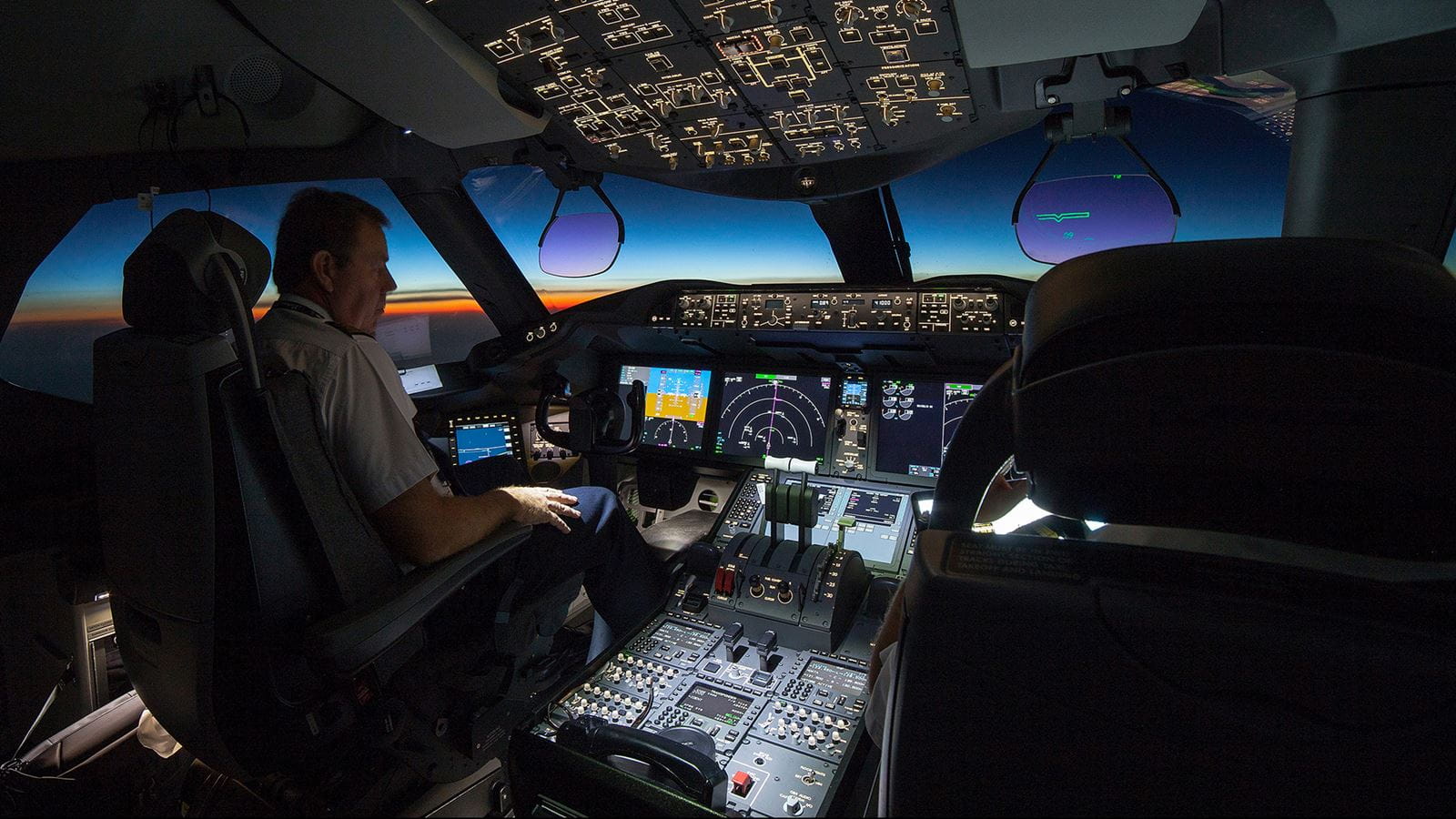
The U.S. Federal Aviation Administration (FAA) is reinstating its Flight Deck Training program, allowing air traffic controllers to experience commercial, general aviation and military flight operations firsthand from the cockpit jumpseat. Announced on October 14, 2026, the initiative is designed to strengthen communication between pilots and controllers by helping each group better understand the operational challenges faced by the other.
The FAA worked with the National Air Traffic Controllers Association (NATCA) to restore the program, which was suspended at the beginning of the COVID-19 pandemic. The agency expects formal operations to begin after Thanksgiving, in late November 2026.
The initiative comes as aviation authorities worldwide continue to focus on human factors, communication, workload management and coordination between the different professionals responsible for safe flight operations.
“Communication is key,” FAA Administrator Bryan Bedford said, explaining that the program will provide controllers and pilots with a closer understanding of each other's responsibilities and challenges. NATCA President Nick Daniels also welcomed the reinstatement, describing firsthand cockpit experience as an important component of controller training.
Under the program, eligible controllers will be able to apply electronically for jumpseat access on specific flights. Applicants must identify a training objective and obtain internal approval before the FAA forwards the request to participating airlines.
The process includes several security and eligibility checks, both at the airport and upon reaching the aircraft. After completing a flight, participants must submit a report describing their observations and the lessons learned.
The annual allowance is:
Two commercial or general aviation flights per controller.
One military flight per controller.
Participation will depend on approval and operational requirements. An air traffic manager must consider staffing levels and the needs of the relevant facility before authorising a request. The FAA says all major U.S. airlines have agreed to participate.
The purpose is observational and educational. Controllers are not being trained to perform pilots' duties or to replace existing air traffic control instruction; instead, they will gain a better understanding of what happens on the flight deck when clearances, routing changes and other instructions are issued.
The FAA says preliminary testing has already identified ways the program could improve day-to-day operational decisions.
One important finding concerns the timing and complexity of air traffic control instructions. From the cockpit, controllers can observe how pilots manage multiple tasks simultaneously and how an unexpected instruction may add to their workload during critical phases of flight.
For example, changing an aircraft's assigned landing runway can require pilots to revise their approach preparations, review procedures, reconfigure the aircraft and coordinate with other crew members. A controller who understands these demands may be better positioned to determine when an instruction is appropriate and when it would be safer to allow the flight crew more time.
This does not mean controllers should avoid necessary instructions. Rather, the objective is to improve the timing, clarity and practicality of clearances while preserving separation requirements and operational safety.
The FAA's reinstated program is part of a broader approach to aviation safety: helping controllers understand the pilot's perspective through familiarisation, simulation, structured training and closer operational cooperation. However, these approaches differ between countries, and not all authorities operate a jumpseat program identical to the FAA's.
1. Australia: Flight deck familiarisation and simulator training
Airservices Australia introduced flight-deck orientation and familiarisation sessions for trainee controllers in 2014. Reported in January 2015, the course used a Boeing 737 simulator in Melbourne, with current airline pilots acting as instructors.
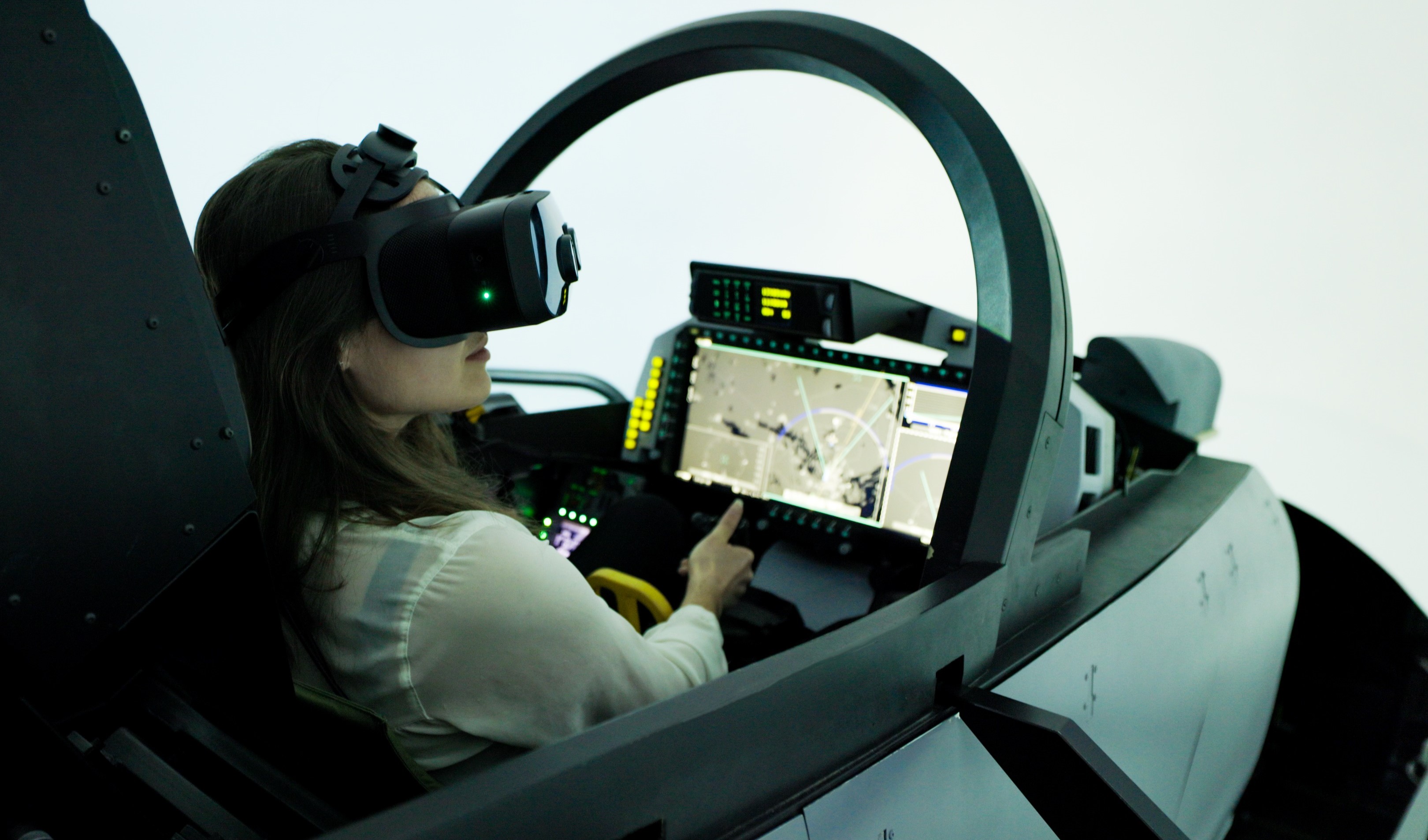
Participants experienced different phases of flight, from taxiing and take-off to cruise, descent and landing. The sessions also covered abnormal situations, including engine failures and severe thunderstorms. The simulator complemented existing jumpseat flights, giving trainees an opportunity to observe scenarios that cannot be repeated reliably during a normal flight.
The approach illustrates how simulator sessions can provide more detailed learning opportunities than observation alone.
2. Europe: Competency-based and virtual training
The European Union is modernising controller training through competency-based assessment and greater use of virtual learning. A regulation adopted in October 2025 established updated requirements intended to improve controllers' ability to manage dense and complex traffic situations while harmonising instructor and assessor standards.
Member States have until January 1, 2029, to update their training methods under the new framework.
EUROCONTROL has also developed controller and pilot interfaces that simulate controller-pilot datalink communications (CPDLC). These tools allow users to explore how digital messages appear and are handled from both the cockpit and the control-room perspective.
Key difference: These are examples of structured training and cross-perspective familiarisation, not evidence of a Europe-wide cockpit jumpseat scheme identical to the FAA programme.
3. United Kingdom: Simulation and operational training
NATS, the UK's principal air navigation service provider, uses a combination of classroom instruction, practical exercises, air traffic control simulators and supervised on-the-job training to prepare controllers for operational duties.
Simulation allows trainees to practise traffic sequencing, radio communication and responses to demanding situations in a controlled environment. Such training helps build judgement and familiarity with operational procedures before controllers handle traffic independently.
While this shares the FAA programme's emphasis on practical learning, the publicly available information cited here does not establish that NATS operates the same routine commercial-flight jumpseat arrangement.
Pilots and air traffic controllers share responsibility for safe and orderly flight operations, but they work with different information, tools and immediate priorities.
Controllers typically monitor multiple aircraft and must maintain appropriate separation while managing traffic flows, weather, runway configurations and other constraints. Pilots, meanwhile, must fly and monitor the aircraft, communicate with air traffic control, manage navigation and aircraft systems, and respond to changing conditions.
A controller's instruction that appears straightforward on a radar display may require several actions in the cockpit. Likewise, a pilot's request for a different altitude, heading or approach may reflect operational constraints that are not immediately apparent to a controller.
Firsthand exposure can help bridge this gap in several ways:
Improved workload awareness: Controllers gain a clearer understanding of the demands placed on flight crews during departure, approach and abnormal situations.
Better instruction timing: Greater awareness of cockpit tasks can help controllers avoid unnecessary complexity when circumstances permit.
Stronger communication: Familiarity with the other side's responsibilities can encourage clearer instructions, better coordination and more effective readbacks.
Improved emergency management: Understanding cockpit procedures can help controllers appreciate the practical challenges pilots face during diversions, equipment failures and other non-routine events.
A stronger safety culture: Shared experience can help reduce misunderstandings between professional groups and support collaborative decision-making.
These are intended benefits rather than a guarantee that the program will prevent incidents. Its longer-term effectiveness will depend on the quality of the training, the lessons controllers carry into operations and how those lessons are reinforced.
Although cockpit observation offers valuable educational opportunities, it must take place within strict security and operational safeguards.
Jumpseat access is subject to approval, identity and security checks, and aircraft-specific requirements. Flight deck access is also governed by applicable rules, including restrictions on cockpit access and sterile-cockpit procedures during critical phases of flight.
The FAA's annual flight allowance and management approval process are designed to provide learning opportunities without disregarding facility staffing needs. Controllers cannot simply leave an operational position unattended to participate in a flight.
Simulation remains an important complement because it permits instructors to pause, repeat or recreate complex scenarios. It can also expose trainees to rare emergencies that they may never encounter during a familiarisation flight.
The FAA's decision to reinstate Flight Deck Training restores a programme that connects air traffic control theory with the realities of operating an aircraft. By allowing controllers to observe flight deck procedures aboard commercial, general aviation and military aircraft, the agency hopes to improve mutual understanding and strengthen operational decision-making.
International experience demonstrates that the underlying principle is not new. Australia's use of cockpit simulators, Europe's move toward competency-based and virtual training, and the UK's emphasis on simulation and supervised operational instruction all show how aviation organisations can use practical learning to improve professional understanding.
The FAA's initiative stands out for its renewed, structured access to actual flight operations. If its lessons translate into better-timed instructions, clearer communication and a more informed appreciation of pilot workload, the programme could become a useful model for strengthening cooperation between flight crews and air traffic controllers.
Ultimately, aviation safety depends not only on technology and regulations but also on the people who use them. Helping pilots and controllers better understand each other's working environment is a practical investment in the safety of the entire airspace system.
Display Picture Courtesy: RTX.com