

Venezuelan airspace got vacated of the Spanish carriers as Venezuelan Government has suspended all Air Europa's commercial air activity on Tuesday, just after the airline extended the cancellation of its flights following international security alerts. In addition to this, the National Institute of Aeronautics (INAC) has cancelled all Plus Ultra flight permits in the country.
Plus Ultra has confirmed that it received, on Monday afternoon, an official notification from the Venezuelan regulator informing it of the suspension of all its operations in Venezuela.
The development took place after the Spanish company decided to temporarily stop its flights to Caracas, a decision that added to the multiple route disruptions announced by several airlines in recent days.
In this regard, the new warning (NOTAM) from the EASA came after the European Aviation Safety Agency (EASA) warned last Saturday about the risks of operating in Venezuela until January 31.
In the case of Air Europa, the company announced on Monday that it would keep its operations in Caracas suspended until at least December 12. The carrier explained that it will continue to monitor "permanently" the evolution of the security context and that it will decide whether or not to extend this cancellation as there is updated information on the state of Venezuelan airspace.
However, different sources in the sector have confirmed that, in addition, the INAC has also suspended Air Europa from all commercial activity in the country since December 1.
For now, the INAC has not made public the reasons for this suspension nor has it detailed whether it will be extended to more European or Latin American airlines.
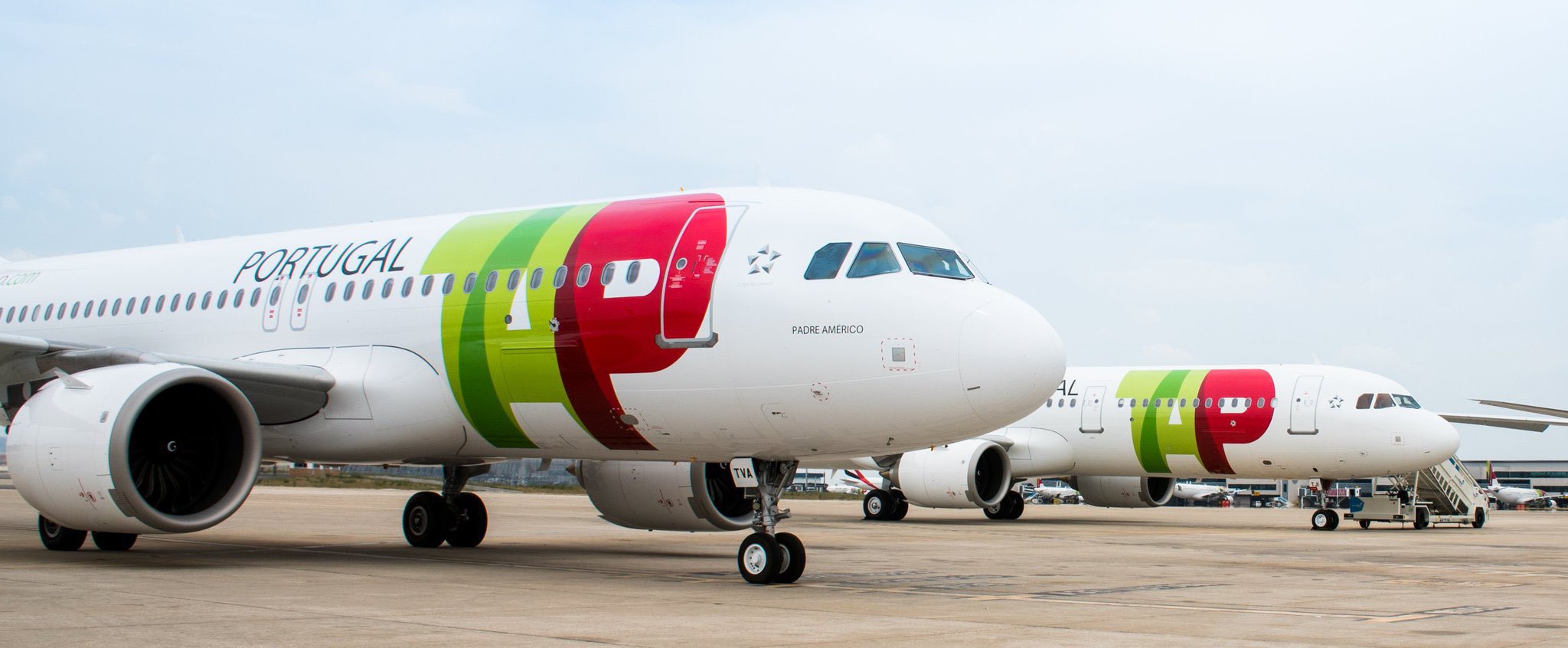
The previous week, Venezuela withdrew flight concessions to Iberia, TAP, Avianca, Latam Colombia, Turkish Airlines and Brazil's Gol, after warning them all that they had to resume their services within a maximum period of 48 hours. On failing to abide, citing security reasons, they preferred to temporarily cancel their connections with Venezuela.
Iberia has confirmed that it received the letter from the Venezuelan authorities on November 26, after suspending operations on November 24 due to the recommendations of the U.S. aeronautical authorities and claiming that the safety of passengers prevails.
The airline chaired by Marco Sansavini, which has suspended operations until 31 December, was the first to have this notice, which Air Europa and Plus Ultra have also received, on 1 December.
The trigger for this wave of cancellations was on November 21, when the U.S. Federal Aviation Administration (FAA) issued a warning asking airlines to exercise extreme caution when flying over Venezuela and the southern Caribbean.
The U.S. authority warned of the existence of "potential risks" in the region, a message that permeated several international companies, which began to suspend flights or redirect trajectories to avoid Venezuelan airspace.
In addition to the US recommendation, in recent days, the warning of the Spanish Aviation Safety Agency was added. The agency urged Spanish airlines not to fly over Venezuela until at least December 31. In a matter of hours, Iberia, Plus Ultra and Air Europa announced new cancellations.
The Maiquetía international airport, the main air gateway to the country and which serves Caracas, remains open and operational, although the offer of flights is increasingly reduced. The terminals are operating normally, but the reality is that a large part of the international connections have been temporarily suspended while waiting for the outlook to improve.
At this moment, the operations of four international airlines are maintained in Venezuela: Copa, Wingo, Satena and Boliviana de Aviación. For their part, the Venezuelan Laser and Estelar have suspended their flights to Spain, but continue to operate other routes.
The company that has the greatest impact on the suspension is Plus Ultra, since it concentrates practically all its operations in Latin America, especially in Venezuela, while Iberia and Air Europa have hundreds of weekly flights to the region.

.jpg)