
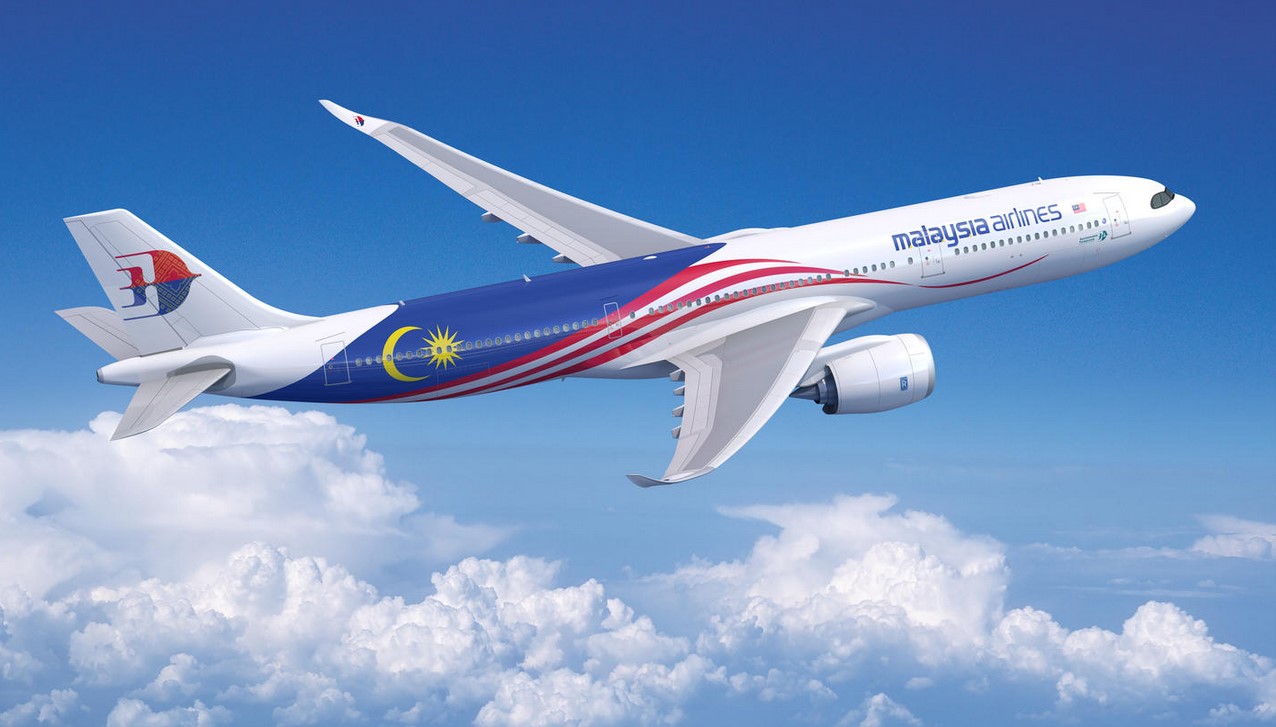
Malaysia Aviation Group (MAG) has ordered 20 more Airbus A330neo aircraft, doubling its commitment as part of a long-term plan to modernise its fleet and expand its network across key Asia-Pacific markets.
The deal, announced by the parent company of national carrier Malaysia Airlines Bhd, builds on its earlier commitment in 2022 for 20 A330neos – 10 purchased from Airbus and 10 leased from Avolon.
Featuring an all-new premium cabin layout, the existing fleet of aircraft are already operating on services from Kuala Lumpur to Melbourne, Auckland and Bali.
The announcement was made today following Prime Minister Datuk Seri Anwar Ibrahim’s official visit to France.
The latest order brings the airline’s total order to 40 aircraft, making it one of the largest A330neo operators in the region.
Deliveries for the latest batch are scheduled to take place between 2029 and 2031.
MAG Group Managing Director Datuk Captain Izham Ismail said the A330neo continues to deliver the right balance of operational efficiency, range and cabin comfort to support the Group’s network and growth strategy.
“With its enhanced fuel efficiency and flexibility across both regional and long-haul routes, the aircraft is a strong fit for our evolving market needs,” he said in a statement today.
“This additional order reinforces our long-term vision of building a future-ready fleet that supports sustainable growth, delivers consistent value to our passengers, and strengthens our competitiveness in key markets.”
Malaysia Airlines has so far received four A330neo jets, which are currently flying to destinations like Auckland, Melbourne and Bali.
Six more are expected by the end of this year, with the remaining aircraft from the original order set to arrive in stages through 2028.
Meanwhile, Airbus EVP Sales of the Commercial Aircraft business, Benoît de Saint-Exupéry said:
“We are proud to further strengthen our relationship with MAG as it expands its A330neo fleet.”
“This repeat order is a strong endorsement of the A330neo’s exceptional performance, fuel efficiency, versatility and passenger comfort as well as a testament to the aircraft’s popularity among the world’s premium airlines.”
Powered by the latest generation Rolls-Royce Trent 7000 engines, the A330-900 is capable of flying 7,200 nm / 13,300 km non-stop.
For now, A330neo is able to operate with up to 50 per cent Sustainable Aviation Fuel (SAF), with a target to increase to up to 100 per cent SAF capability by 2030.
Meanwhile, AirAsia Berhad, a wholly-owned subsidiary of Capital A Berhad, signed a landmark agreement with Airbus valued at USD12.25 billion for 50 A321XLRs with rights for 20 Airbus A321XLRs.
With this agreement, the airline claims to have taken a major step towards becoming the world’s first low-cost narrow-body network carrier. The aircraft are scheduled for delivery commencing 2028 through 2032.
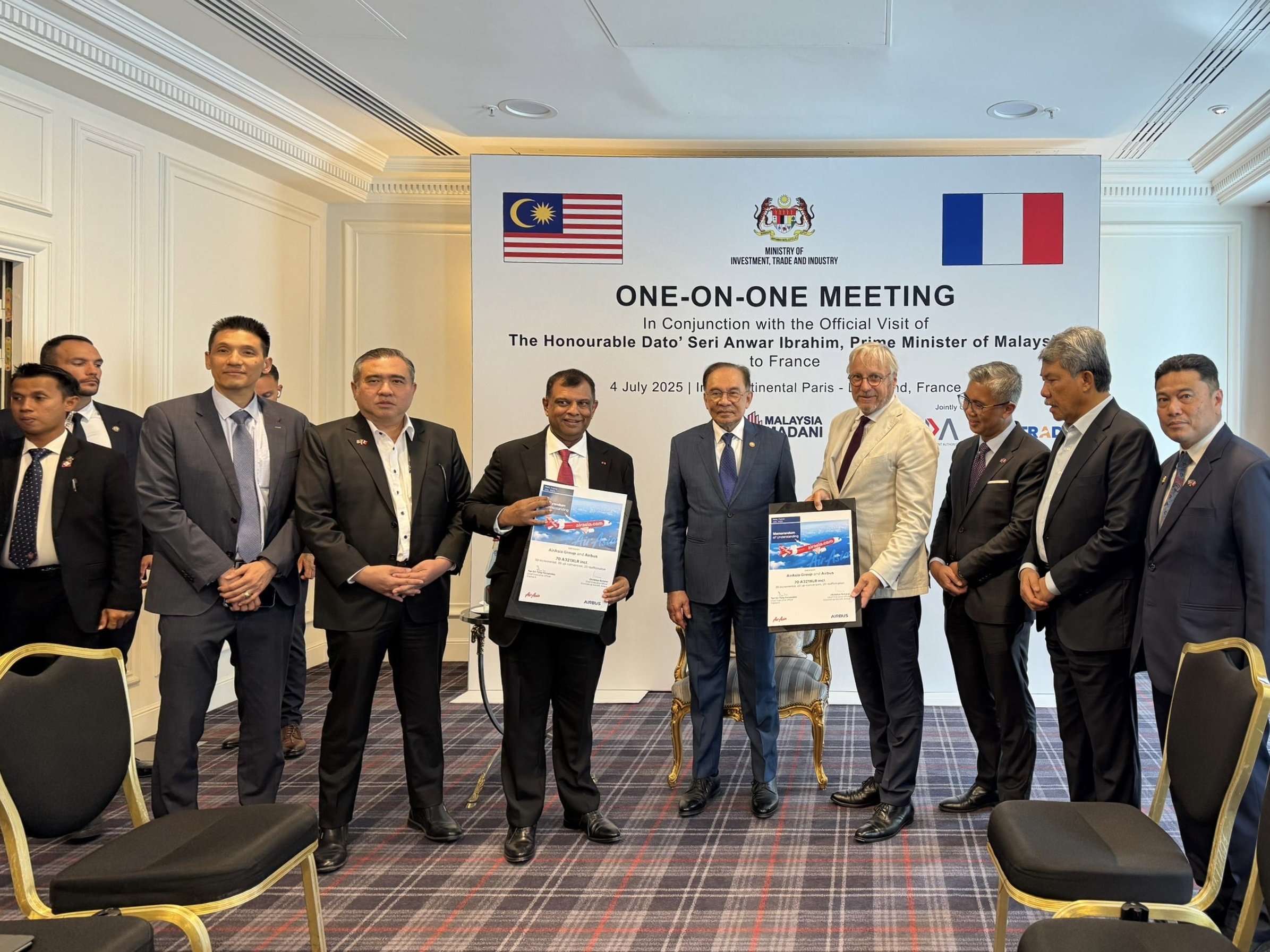
Witnessed by Prime Minister of Malaysia YAB Dato’ Seri Anwar Ibrahim, the agreement was signed today in Paris between Tony Fernandes, CEO of Capital A, and Christian Scherer, CEO of Airbus Commercial Aircraft.
Tony Fernandes, CEO of Capital A and Advisor & Steward of AirAsia Group said:
“We pioneered low-cost travel in Asia – now, we are taking it to the next level. AirAsia is on a transformative journey to become the world’s first low-cost network carrier. This is about exponential growth, connecting geographies beyond Asean, and making flying even more democratic."
" We gave people in Asean the opportunity to explore Asia – now we want the world to see Asean, and Asean to see the world. The A321XLR and A321LR are the game-changers enabling this vision, and we are proud to lead the charge in making our world smaller. We can’t wait to paint the skies even wider in red.”
Christian Scherer, CEO Commercial Aircraft at Airbus said:
“We are pleased to confirm this agreement, as AirAsia Group begins its next development chapter. Having resumed its growth trajectory, which we salute and support, the airline is creating solid fleet efficiencies, allowing global network expansion. The A321XLR unlocks new opportunities for AirAsia to launch non-stop flights linking primary and secondary cities all around the globe.”

.jpg)