
The European Union wants to spend 800,000 million to rearm itself until 2030 and create a large community defence industry on a par with the United States, Russia or China. But, the disagreements between France and Germany are blocking progress on the aircraft that will replace the Eurofighter.
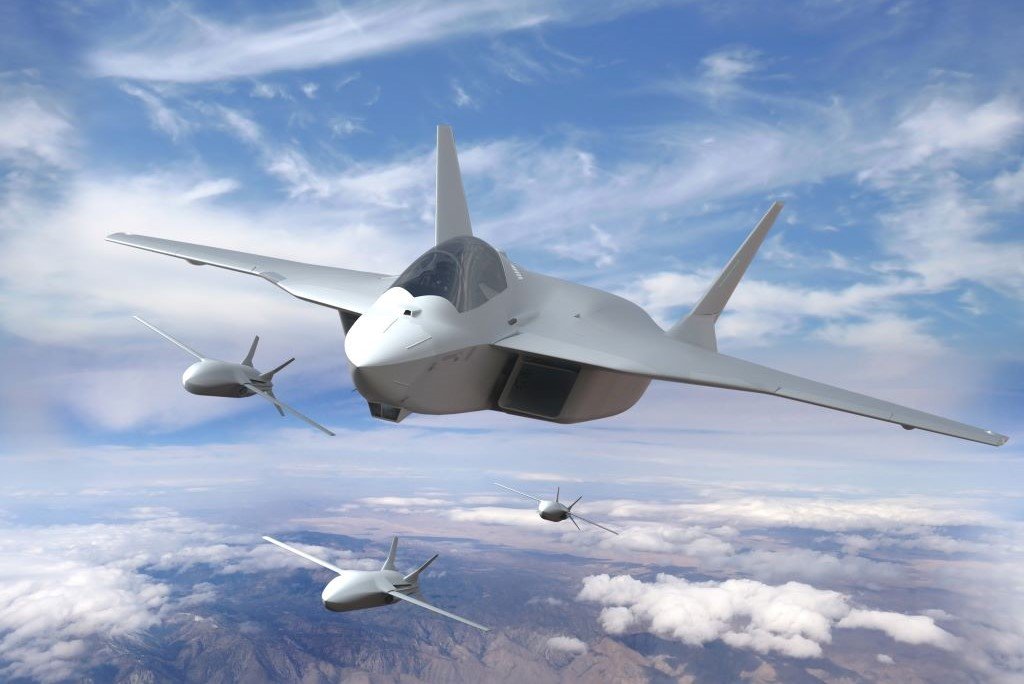
France's ambitions threaten to block, once again, the FCAS program, in which Germany and Spain also participate and which aims to develop a sixth-generation fighter jet.
The FCAS (Future Combat Air System) programme was born out of an initiative of the European Technology Acquisition Programme (ETAP) aimed at exploring the needs of the EU air forces in relation to a new joint air combat weapon system.
Now, disagreement between Berlin and Paris – the FCAS fighter jet project is threatened with termination. The project was intended to become a symbol of a strong Europe, but currently it is more of a symbol of discord. Rival aircraft manufacturers Airbus and Dassault are involved in FCAS, and there are ongoing disputes over the project's leadership role.
According to a document from the German Ministry of Defence, the French military industry is blocking the start of the next phase of the project by now demanding exclusive leadership in it, according to Reuters.
The new demand from Paris comes after the announcement last July of Dassault Aviation's intention to increase its participation in the design of the so-called next-generation fighter aircraft (NGF), the backbone of the FCAS programme, to 80%.
However, these concessions would have serious consequences both for the capabilities of the future aircraft and for German industry, as Berlin points out in the aforementioned document sent to the German Parliament.
The FCAS project, with an estimated cost of more than €100 billion, has been affected since its inception by delays and infighting over the division of tasks and intellectual property rights between the national industries of France and Germany.
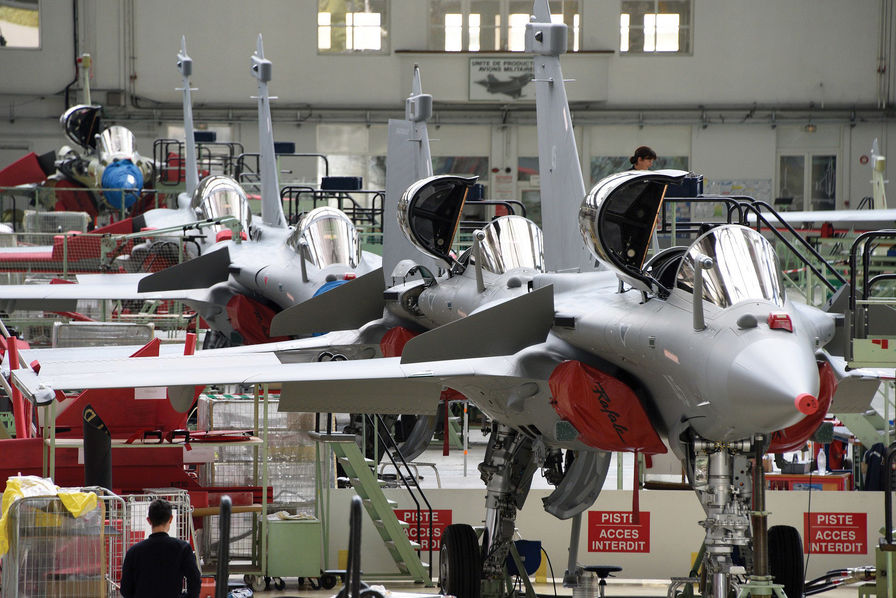
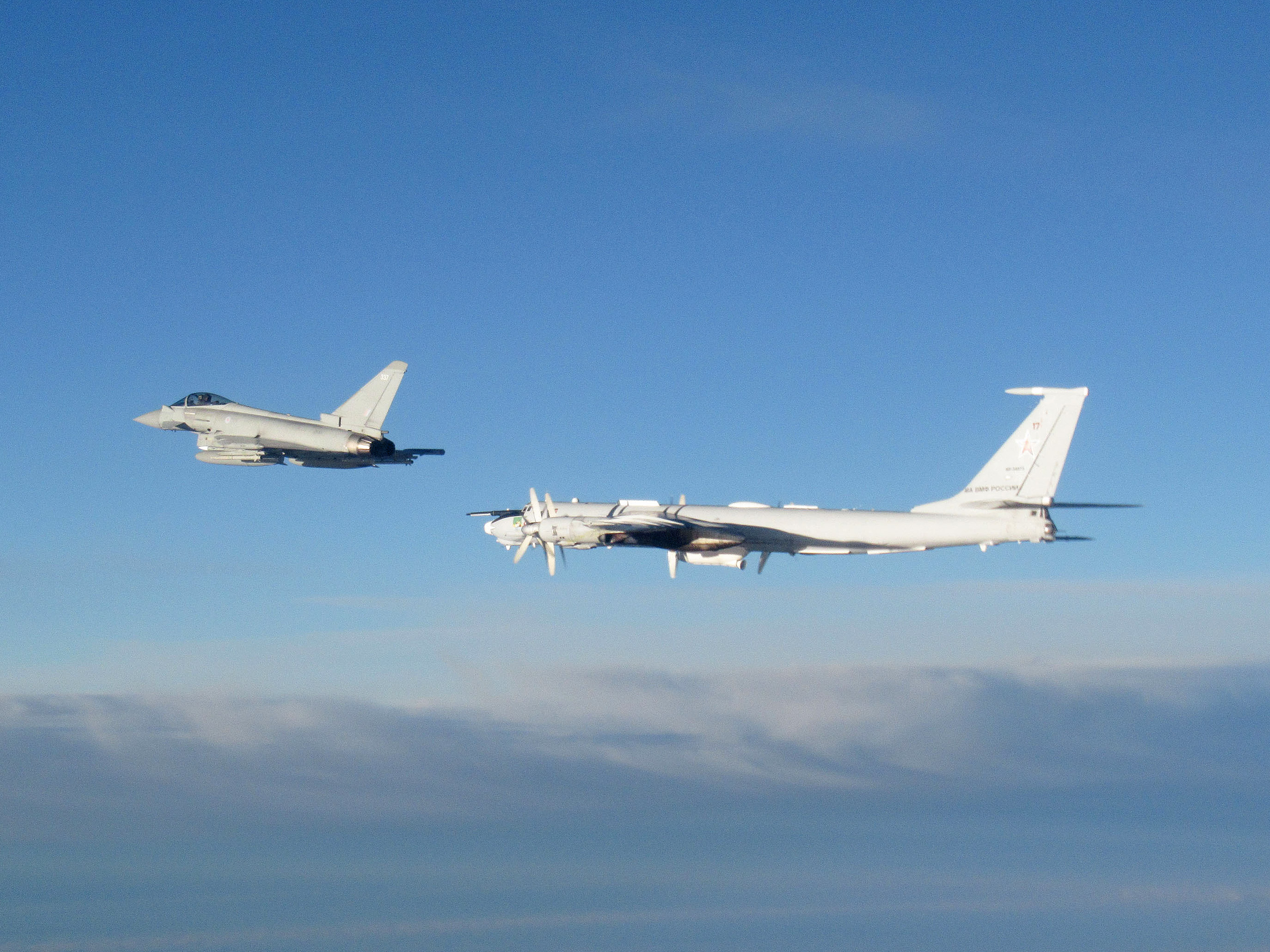
The three main companies involved in the development of the future fighter are Dassault Aviation, Airbus and Indra, representing France, Germany and Spain, respectively. The resulting aircraft is expected to replace the French Rafale and the German and Spanish Eurofighters from 2040.
The first decision to develop a new-generation joint European Air Defence System was taken by German Chancellor Angela Merkel and French President Emmanuel Macron in the summer of 2017.
A year later, in 2018, both States signed, together with their respective Ministers of Defence, a High-Level Common Operational Requirements Document (HLCORD) for a New Generation Weapon System (NGWS) as part of FCAS.
The staging of the signing by the three female defence ministers involved under the watchful eye of Macron in the summer of 2019, despite being an important milestone - and certifying Spain's entry on an equal footing with France and Germany - did not serve to put an end to the disagreements between partners that have accompanied the project since its inception.
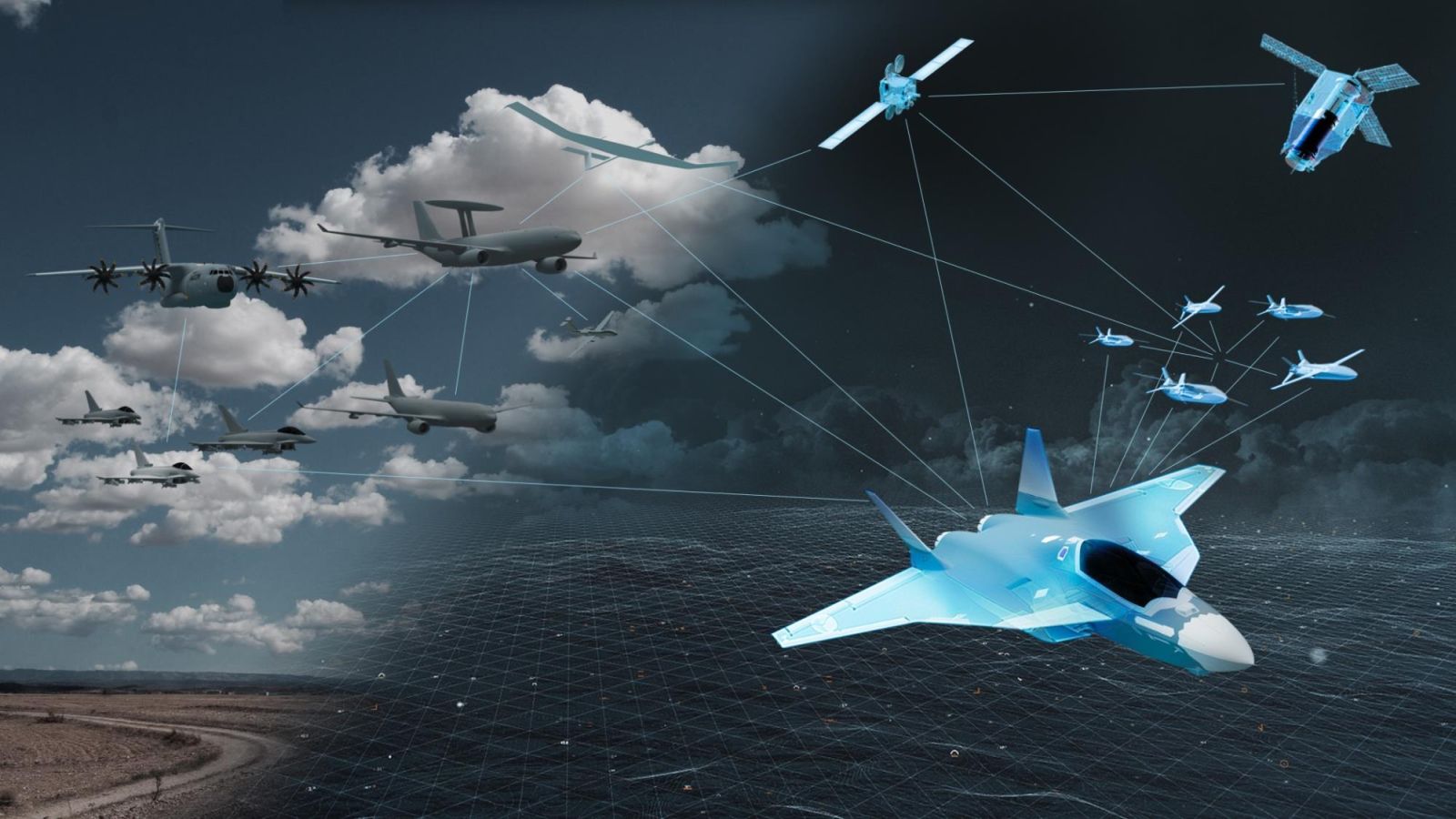
FCAS was born with the declared intention of being a "system of systems" in which manned and unmanned platforms, new weapons, reconnaissance systems, early warning, etc., are integrated.
However, despite the fact that the program and its predecessors have been running for years, they have not yet managed to agree on even some of the crucial aspects, such as the exact type of manned device to be developed, this being a critical point, since it will be the central node of the system.
So far, the tasks and shared work have been divided into specific pillars of the project, such as the development of the aircraft itself, the engine, collaborative drones and the air combat cloud.
Apart from the involvement of the Airbus, Dassault Aviation and the Spanish Indra Sistemas in the project, the German engine manufacturer MTU, its French competitor Safran and the Spanish supplier ITP Aero have joined forces for the propulsion system. The German radar specialist Hensoldt is also involved in the development of demonstrators.
The issue is not trivial, since the integration of Spain into the FCAS programme, although it has allowed the entry of a good number of national companies into the project such as GMV, Sener or Tecnobit in addition to Indra itself, has been done in a forced way.
Thus, although it seems to be a fact already accepted by the European giant, the Spanish government's choice of Indra as national industrial coordinator to the detriment of Airbus Spain continues to raise eyebrows.
Options for finding a solution will be worked out later this year before a decision is made on the next steps, the German government states in the document. German Chancellor Friedrich Merz has announced a decision by the end of the year on how to proceed with the planned FCAS air combat system.
The issue will not be discussed at the German-French government consultations in Toulon at the end of the week, Merz said after a cabinet meeting in Berlin.
This Thursday, French President Emmanuel Macron will receive German Chancellor Friedrich Merz at his summer residence in Bregançon, on the Côte d'Azur, where they will hold a dinner in which, among many other issues, they will discuss this new disagreement in their main joint military project.
However, Margarita Robles will fly to Berlin on Thursday to meet with her German counterpart, Boris Pistorius, a meeting in which the situation of the FCAS programme will inevitably be discussed.
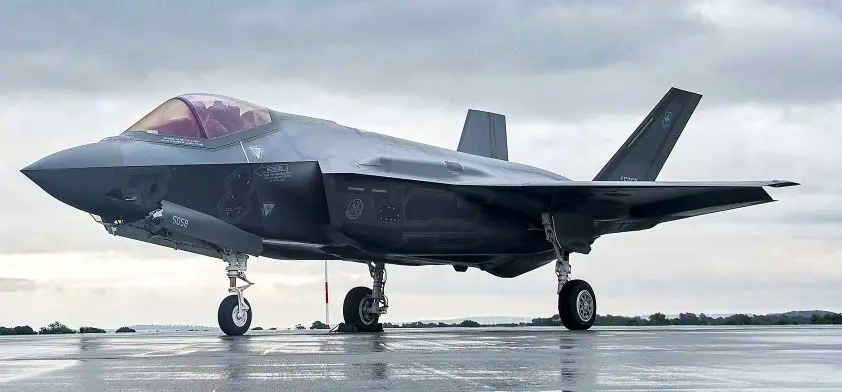
And FCAS isn't scheduled to be operational until 2040 anyway. Before then, the German Air Force will be introducing F-35 fighter jets from Lockheed Martin in the US starting in 2027. This is doubly problematic in the current situation: It diminishes the military significance of FCAS, and further increases dependence on the US.
You may like to read.....

619x316.jpg)